Best Foil Wings 2026 — Wing Foiling Buyer's Guide
Wing foiling's evolved fast since we started stocking watersports in 2003, and 2026 wings are sharper than ever. We'll walk you through sizing, materials, and four solid picks so you don't waste money on the wrong setup.
Pick your wing by weight, wind conditions, and skill level. Lighter riders and learners want larger wings (5–5.5 m²) on 85 cm masts; heavier or advanced riders go smaller and shorter. Aluminium is forgiving; carbon is responsive. The Duotone Unit SLS 2026 and Cabrinha Mantis 2026 cover most needs without breaking the bank.
01 — Getting the fit rightSize, Mast Length, and Your Weight
This is the biggest decision. You'll see wings from 2.5 m² to 7 m² and masts in 60–90 cm. Lighter riders (under 70 kg) and anyone learning should start with a 5–5.5 m² wing on an 85 cm mast. You'll stay on the water longer, catch waves in lighter winds (12–15 knots), and progress without fighting the wing.
Heavier riders (80+ kg) or those with solid kitesurfing background? Go 4.5–5 m² and drop to 75 cm mast. You'll have more control, better response, and won't get yanked around in 18+ knot gusts. The mast length matters as much as the wing size — shorter masts (60–70 cm) suit advanced riders and chop; longer ones (80–90 cm) give beginners stability and easier water starts.
02 — MaterialsAluminium or Carbon: What Matters
Aluminium battens (cheaper wings like the Cabrinha Mantis 2026) flex more and forgive rough input. They're stable, durable, and perfect for learning. Carbon battens (Duotone Unit SLS 2026, Cabrinha APEX) feel alive — sharper turning, quicker response, lighter swing weight. If you've got solid board control already, carbon's worth the extra cash. If you're still finding your feet, aluminium keeps costs down and lets you focus on technique.
Durability? Both last years with normal care. Aluminium's slightly more ding-resistant; carbon's stiffer but needs a gentler touch on the beach.
03 — Our picksOur 4 In-Stock Picks
We've narrowed it down based on what riders from Tarifa to the Med tell us works. Each one solves a specific need without the price tag of boutique gear.


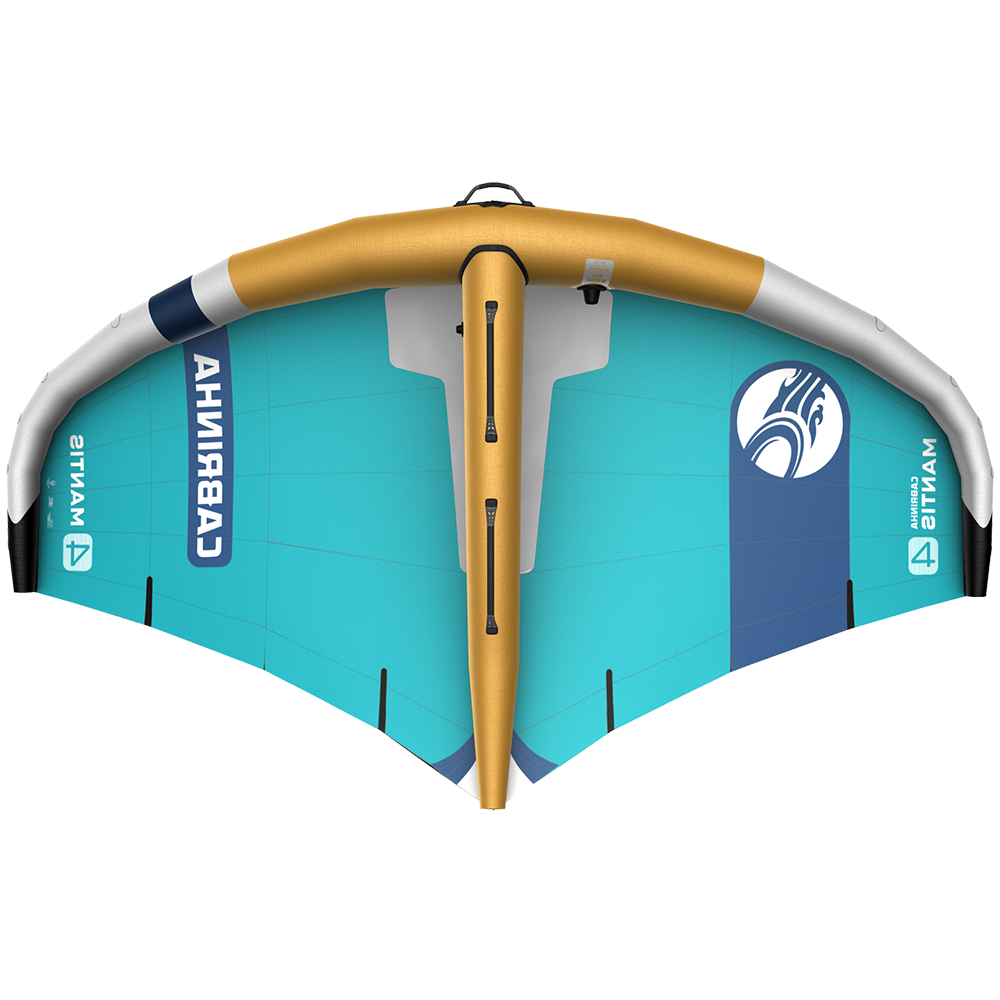
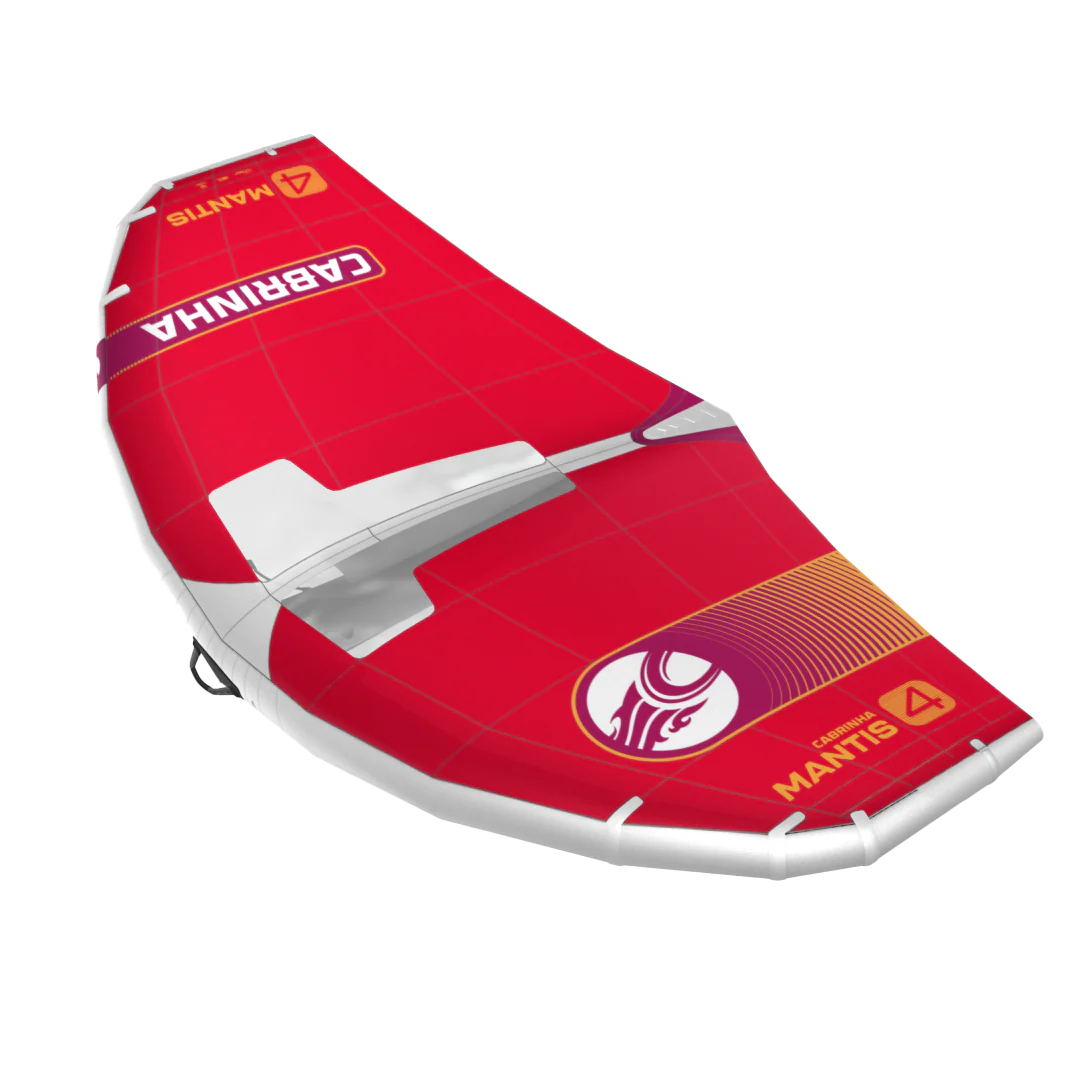
Prices and 2026 specs are pulled live from each product page. Confirm on the product page before checkout.
04 — MistakesThree mistakes we see every week
Ready to find your wing?
Browse our full range of 2026 wings, masts, and boards — all in stock, all backed by 20+ years of watersports know-how.
Frequently asked
The 5.5 m² catches slightly lighter winds (12–14 knots vs. 14–16 knots) and has more lift at the top end. Pick 5.5 m² if you're under 70 kg or learning; go 5 m² if you're stronger or in consistent wind.
Not really. A 5 m² works 12–22 knots. Above that, you'll want 4–4.5 m² to stay in control. Build a small quiver (5 m² + 4 m²) if you ride regularly in variable wind.
Not essential. Aluminium wings like the Cabrinha Mantis 2026 let you focus on technique without the premium price. Upgrade to carbon once you're carving consistently.
Both are excellent. Duotone (Unit SLS) feels snappier and lighter; Cabrinha (Mantis) is slightly more forgiving on weight distribution. Try both if you can — personal preference wins.