9m vs 12m Kite 2026 — Which Size Is Right for You?
The 9m versus 12m choice defines your entire session. Wind strength, your weight, and what you want to ride dictate which kite you'll actually use most—and we'll show you exactly how to pick.
Pick 12m if you're 75+ kg, ride in 10–20 knot winds, or want forgiving light-wind sessions. Go 9m if you're lighter, chase stronger wind, or demand pop and precision for tricks. Most riders we've shipped kites to since 2003 start with 12m for versatility—but 9m wins if your local spot runs consistent 15+ knots.
01 — Conditions firstWind Range and Your Local Spot
The wind you get where you live is the real decider. If you're in a place like Tarifa or Cape Town, you'll ride consistent 15–25 knots most sessions—that's 9m territory. But if you're in a lighter-wind zone, say the Mediterranean or UK coast, 10–14 knots is typical. There, 12m keeps you riding when 9m sits on the beach.
12m peaks in 10–18 knots and stays forgiving up to 20. The 9m wants 13+ knots to feel responsive; below that, it's sluggish. Above 20 knots, 9m is where you'll be comfortable.
02 — Your weight mattersRider Weight and Control Feel
Heavier riders (75+ kg) need the extra grunt of 12m in light wind. We've shipped countless 12m kites to heavier riders in spots like the North Sea because 9m just won't generate enough power for them to ride upwind or pop. Lighter riders (under 70 kg) thrive on 9m—it responds faster to input, and you'll feel the bar instantly.
If you're 70–80 kg, your spot's wind range decides it. Consistent 15+ knots? 9m. Variable 10–18 knots? 12m. Control is tighter on 9m; forgiveness is 12m's strength.
03 — Our picksOur 4 In-Stock Picks
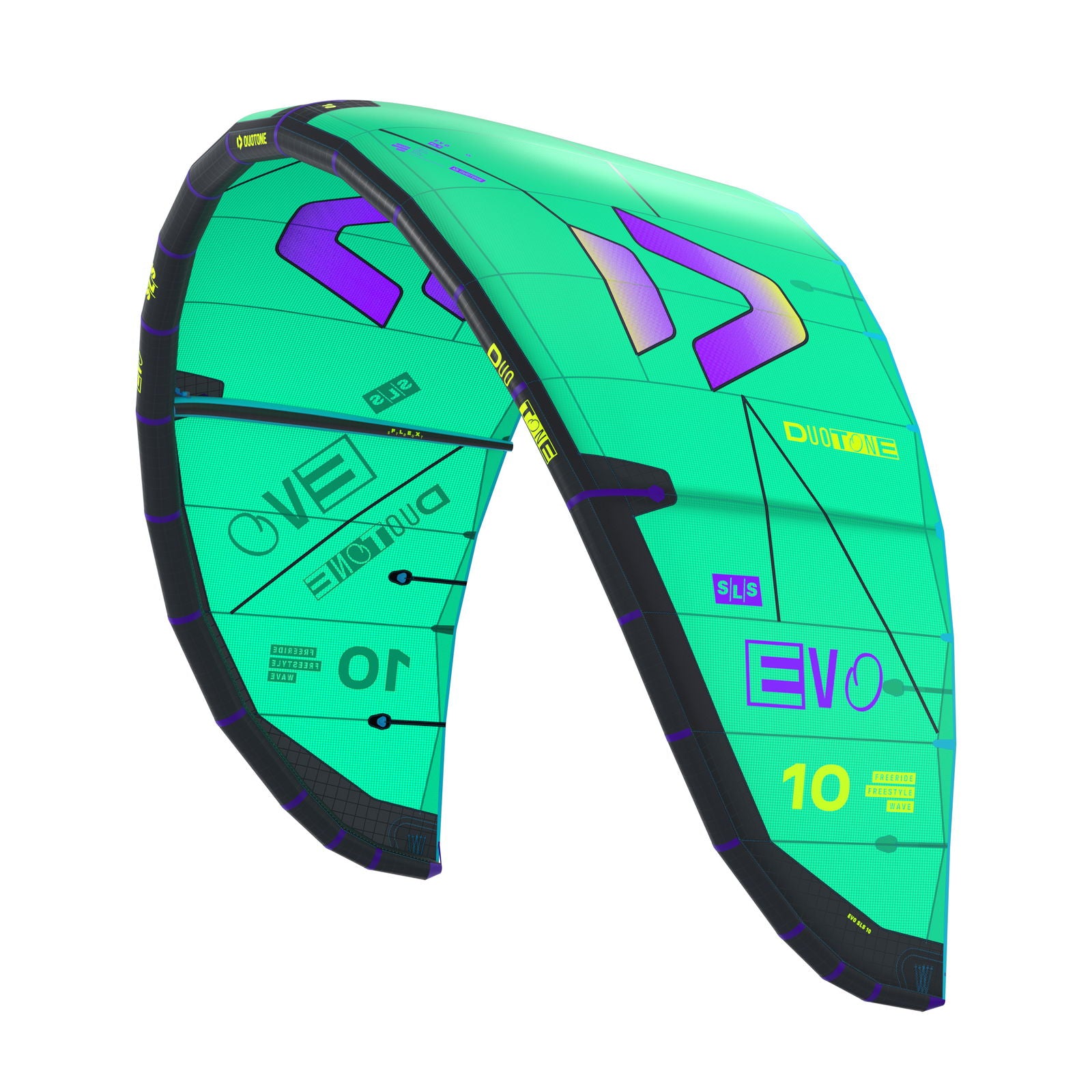
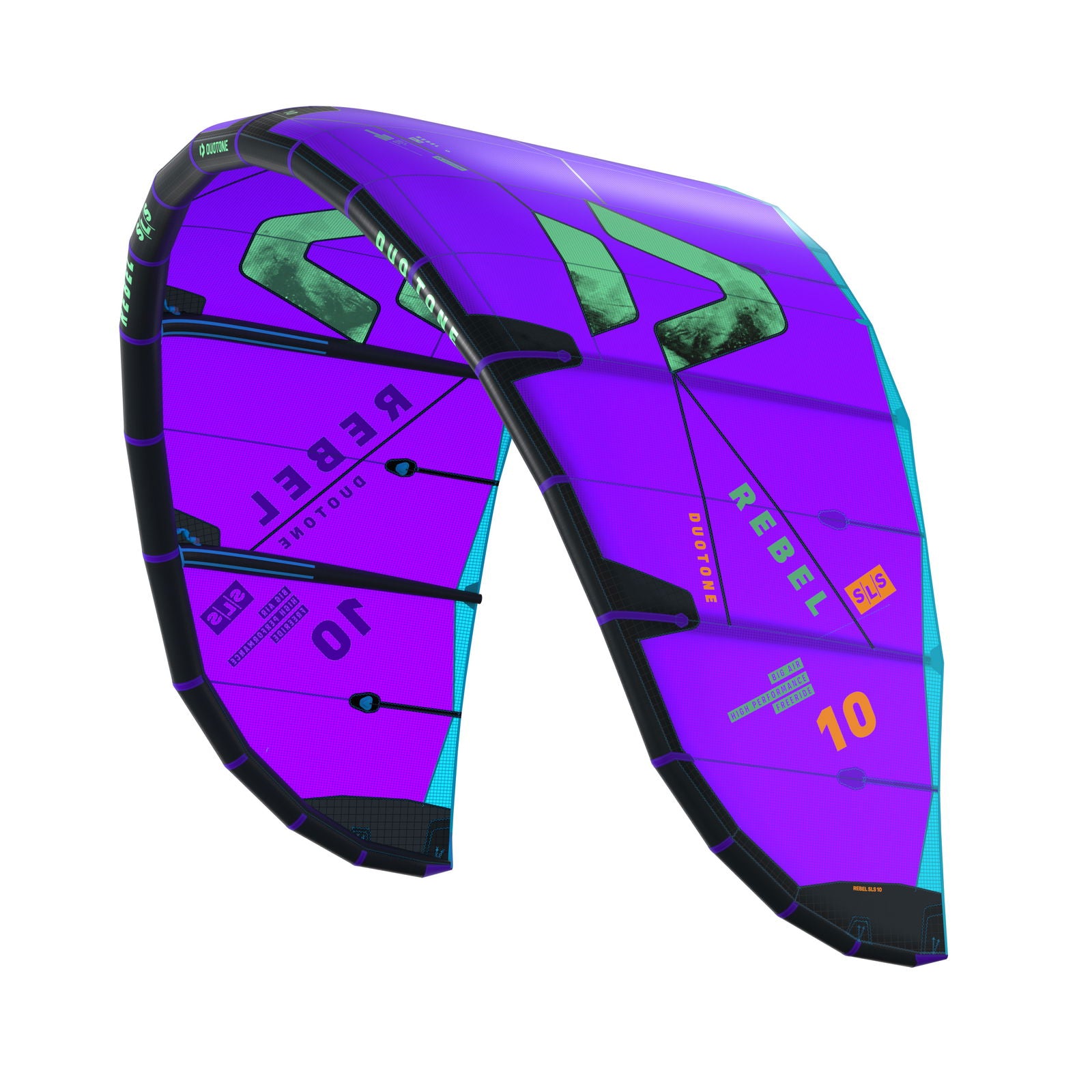
We stock four Duotone 2026 models in both sizes. Pick based on your riding style and budget—all four excel in their weight class and wind range.
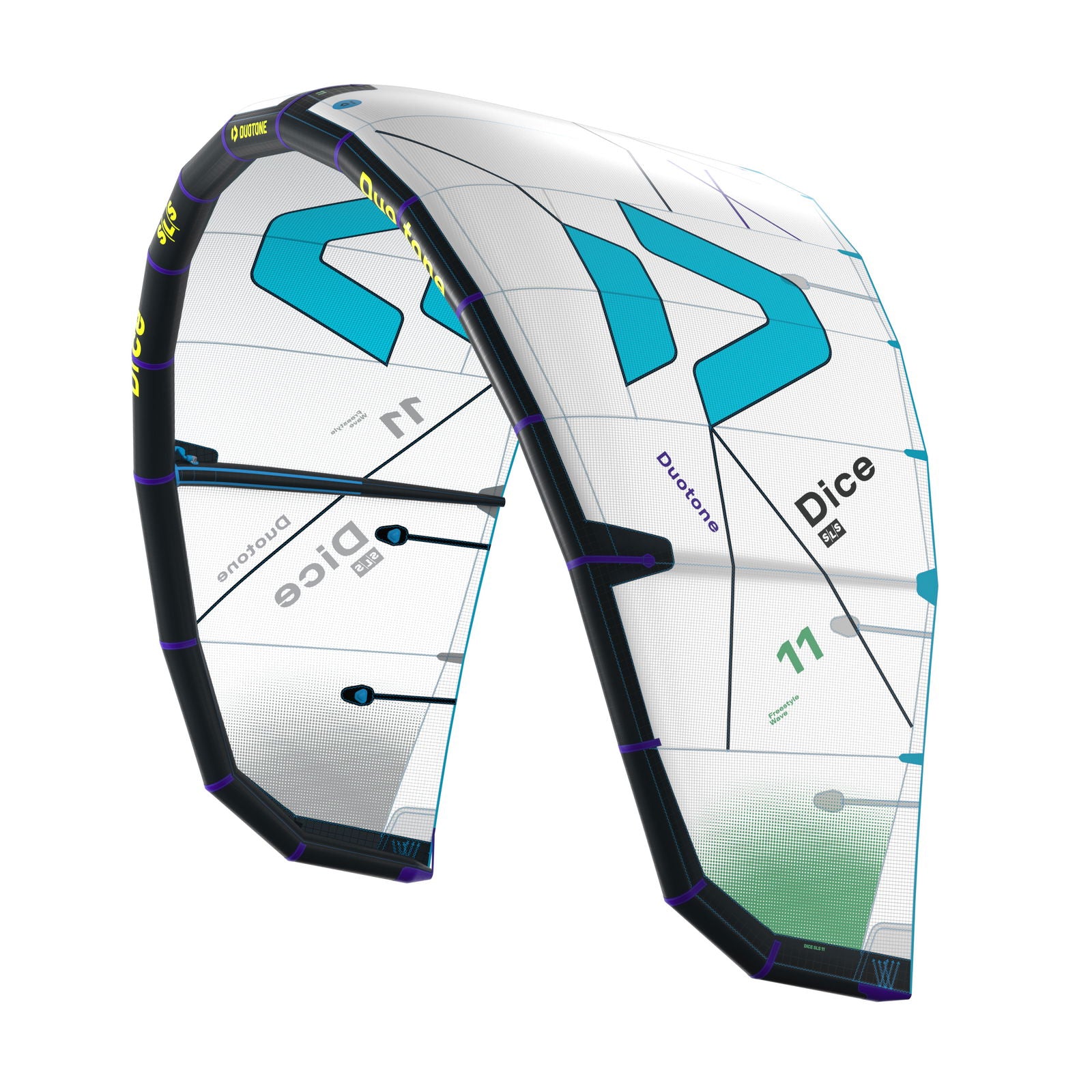
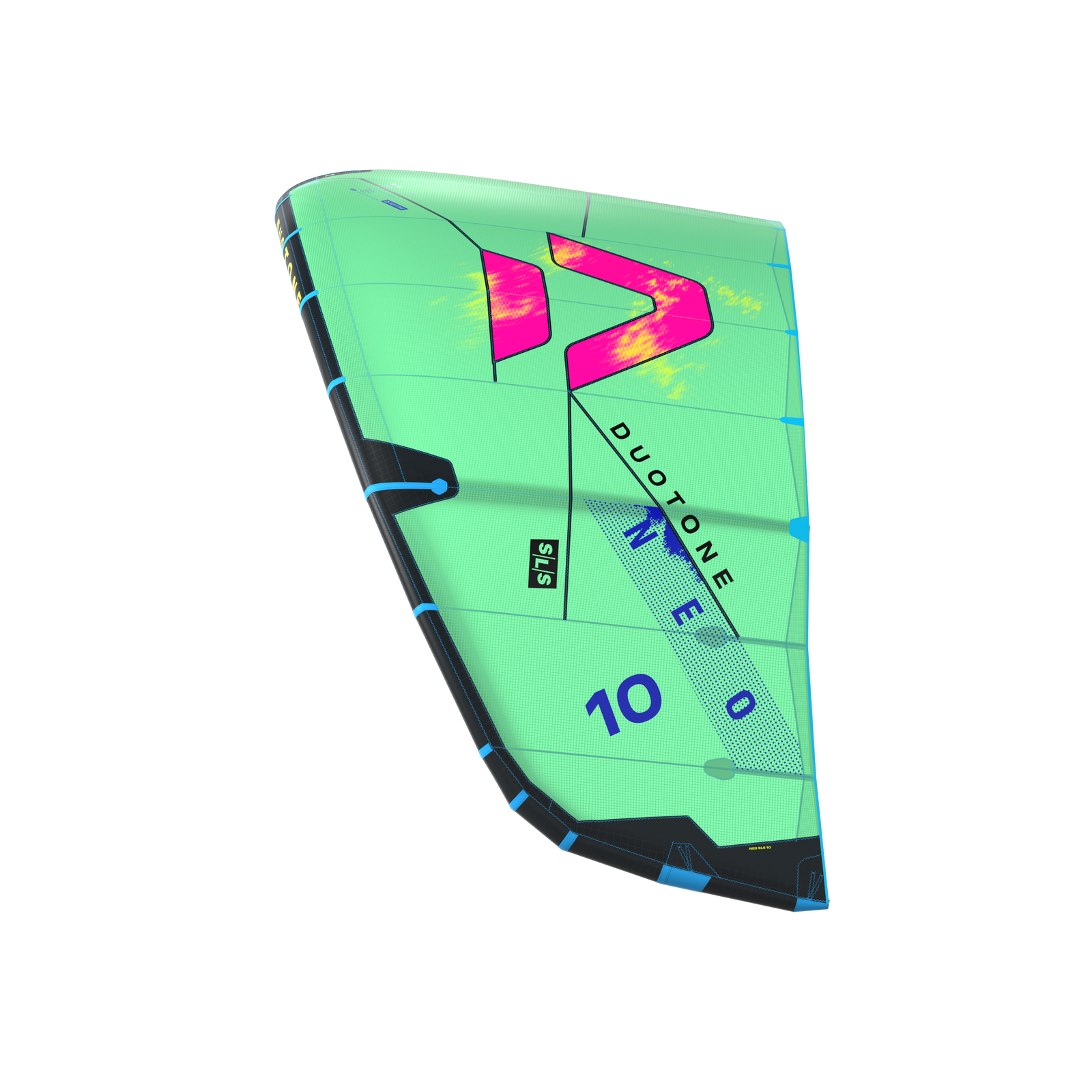
Prices and 2026 specs are pulled live from each product page. Confirm on the product page before checkout.
04 — MistakesThree mistakes we see every week
Ready to choose your kite?
Check our full Duotone and Cabrinha kite range in stock now.
Frequently asked
Yes. Many riders own both. Start with one that matches your average wind, then add the other once you've dialled your style. It's the classic two-kite quiver for a reason.
12m covers more range (10–20 knots) than 9m (13–25 knots). In light-wind spots with occasional gusty days, 12m is more versatile. You'll ride more sessions overall.
12m. More surface area means more forgiveness if your timing's off. It's harder to stall and easier to relaunch. Stick with 12m for your first 10 sessions, then try 9m if the wind picks up.
The Evo SLS (£1,919) balances freestyle and wave. The Rebel SLS (£2,049) is all-mountain—forgiving, stable, handles strong wind. Start there unless you're chasing tricks. Check the product page for full specs.