9m vs 12m Kite 2026 — Which Size Is Right for You?
The 9m versus 12m choice defines your entire session. Wind strength, your weight, and what you want to ride dictate which kite you'll actually use most.
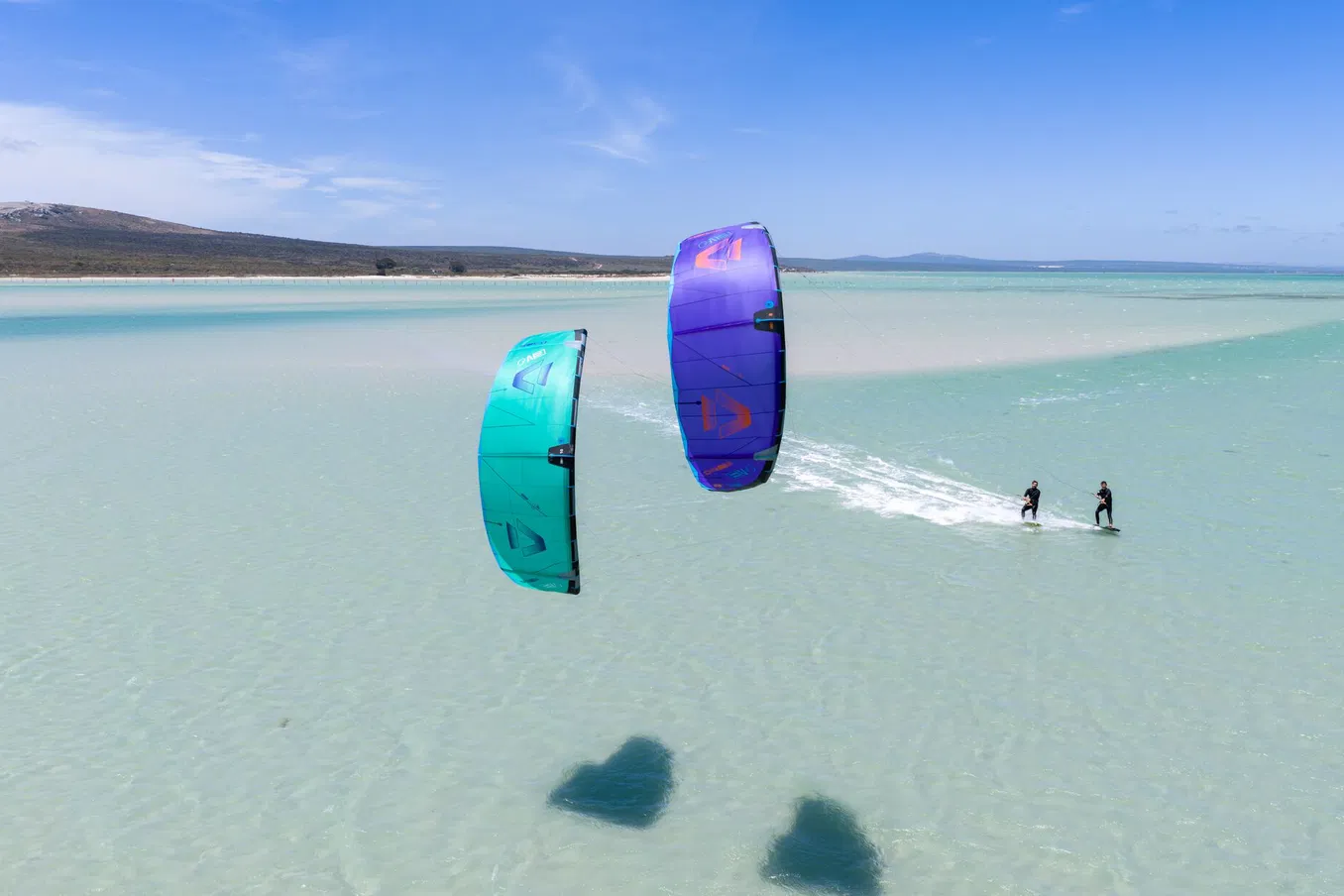
Pick 12m if you're 75+ kg, ride in 10–20 knot winds, or want forgiving light-wind sessions. Go 9m if you're lighter, chase stronger wind, or demand pop and precision for tricks. Most riders we've shipped kites to since 2003 start with 12m for versatility—but 9m wins if your local spot runs consistent 15+ knots.
01 — Conditions firstWind Range and Your Local Spot
The wind you get where you live is the real decider. If you're in a place like Tarifa or Cape Town, you'll ride consistent 15–25 knots most sessions—that's 9m territory. But if you're in a lighter-wind zone, say the Mediterranean or UK coast, 10–14 knots is your sweet spot, and 12m becomes your workhorse.
A 12m kite generates more grunt in marginal wind. You'll get upwind easier, stay powered in lulls, and build speed without fighting. The 9m demands more wind to deliver the same drive—but when it arrives, you'll feel sharper response and cleaner edge pressure for freestyle or wave riding.
Honestly, check your local wind stats for the last two years. If the median is below 14 knots, start with 12m. Above 16 knots? 9m makes more sense.
02 — Personal fitRider Weight and Control Feel
Your weight matters—a lot. Heavier riders (75+ kg) rely on 12m to generate enough lift and drive in typical conditions. Lighter riders (55–70 kg) get away with 9m in the same wind and often prefer the sharper feedback and quicker turning you get from a smaller kite. At 80 kg, a 9m can feel sluggish in 12 knots; at 60 kg, it's just right.
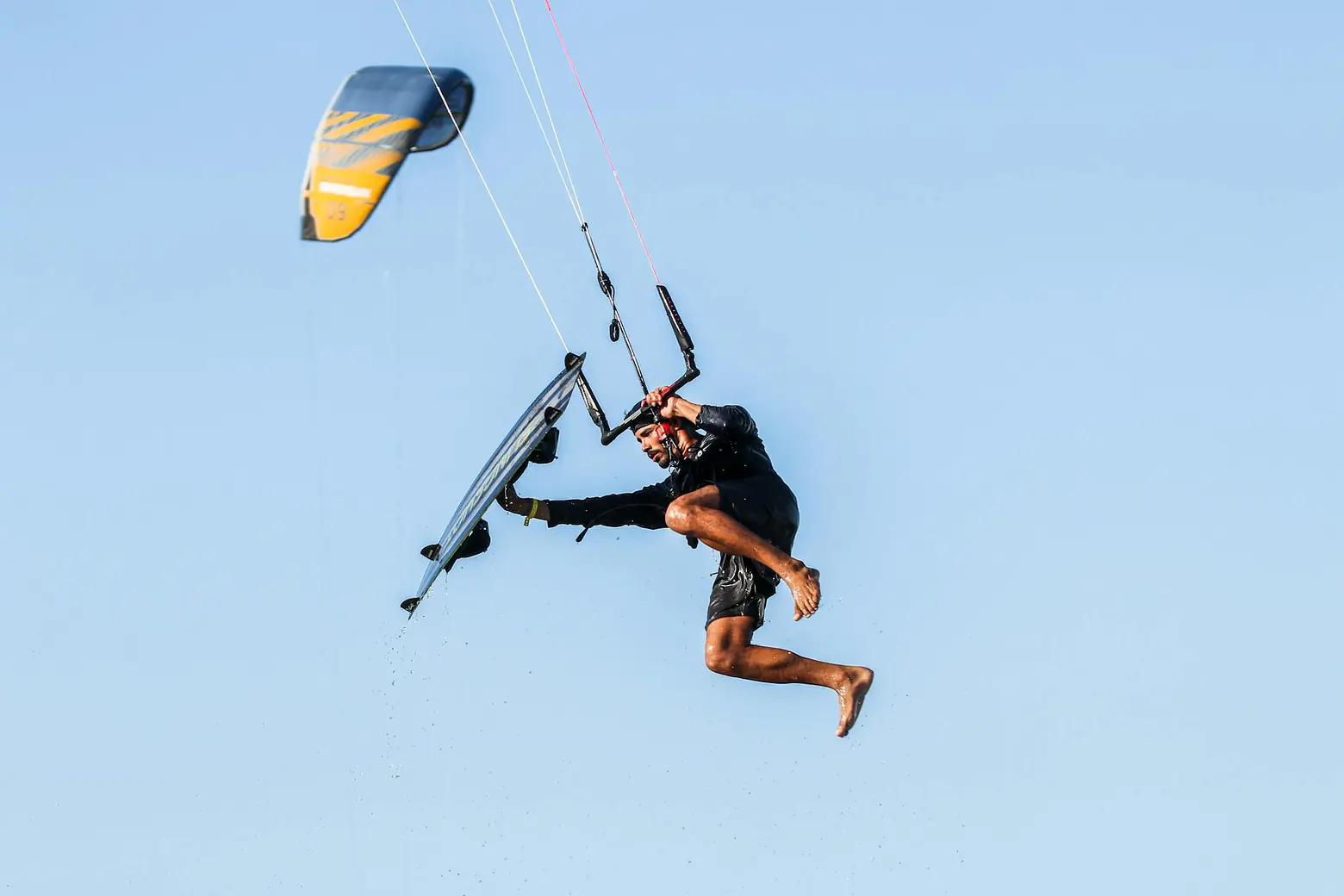
Bigger kites are more forgiving. They're easier to relaunch, harder to stall, and more stable when the wind gusts or you make a mistake. Smaller kites demand better technique—more consistent bar pressure, faster waiter turns, tighter trim. If you're still learning edge control, the 12m patience pays off.
03 — Our picksOur 4 in-stock picks
We stock Duotone exclusively for kites because we trust the quality and consistency. All four sit in the 9m or 12m sweet spot and ship across Europe weekly. Pick your size first—conditions and weight—then choose the model that matches your style.
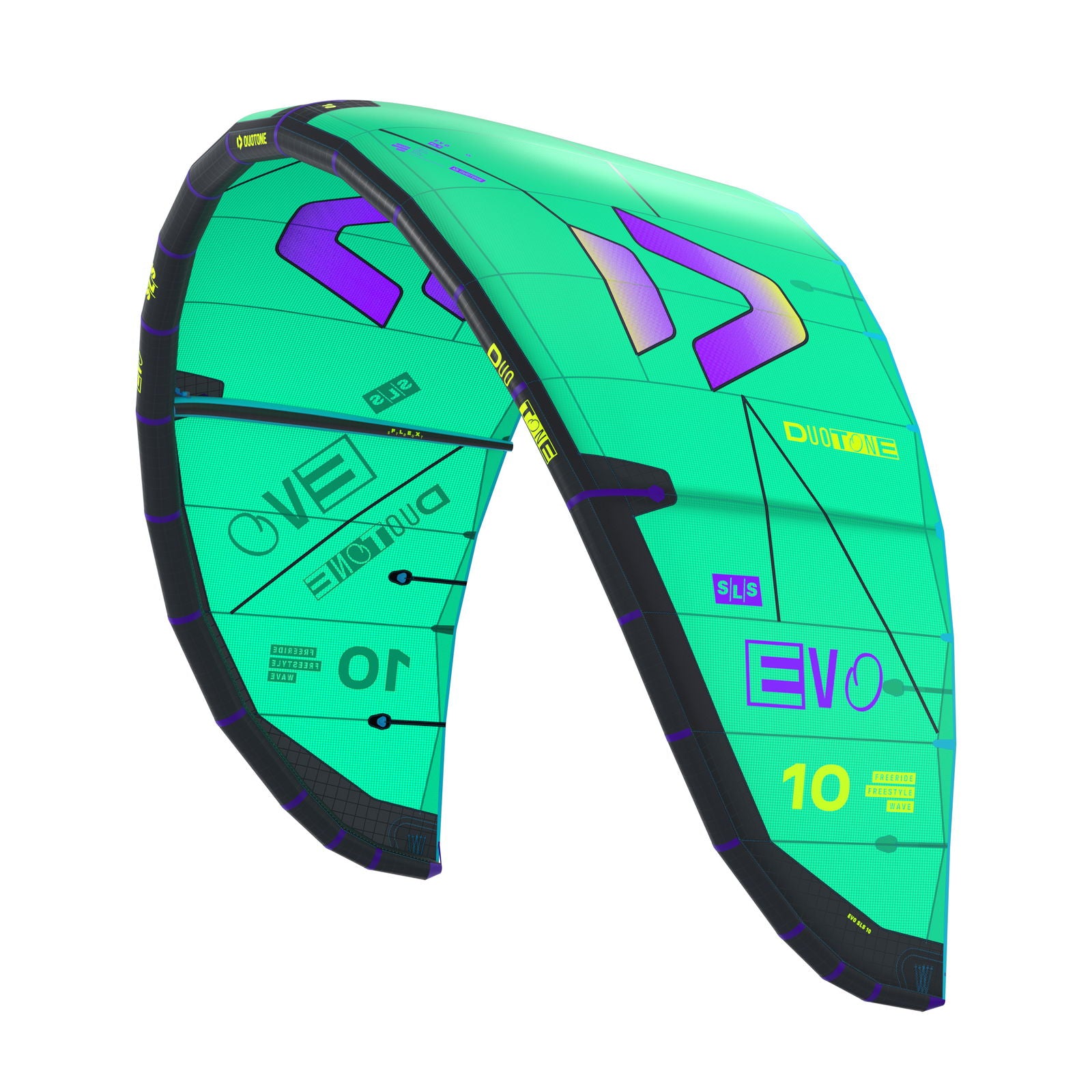
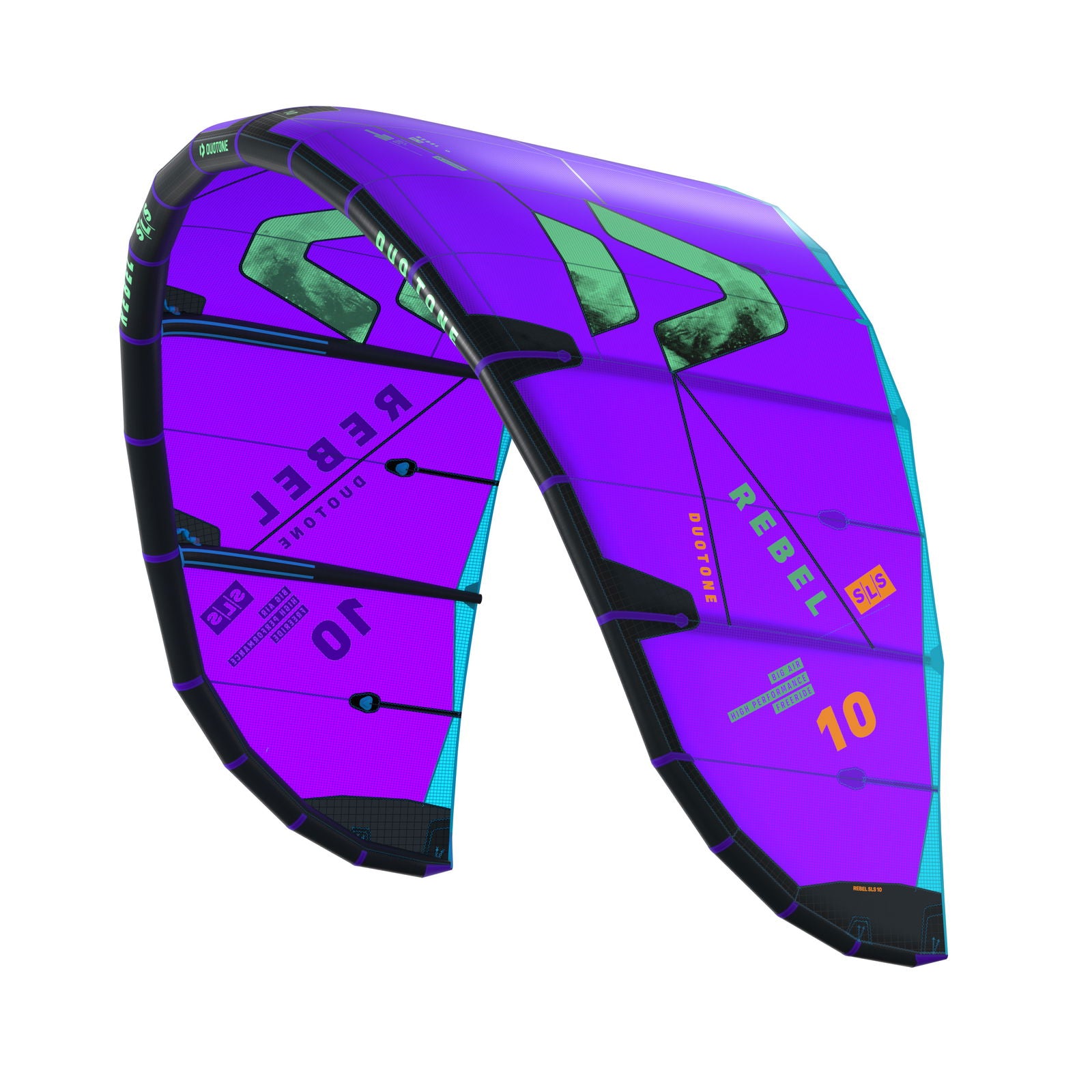
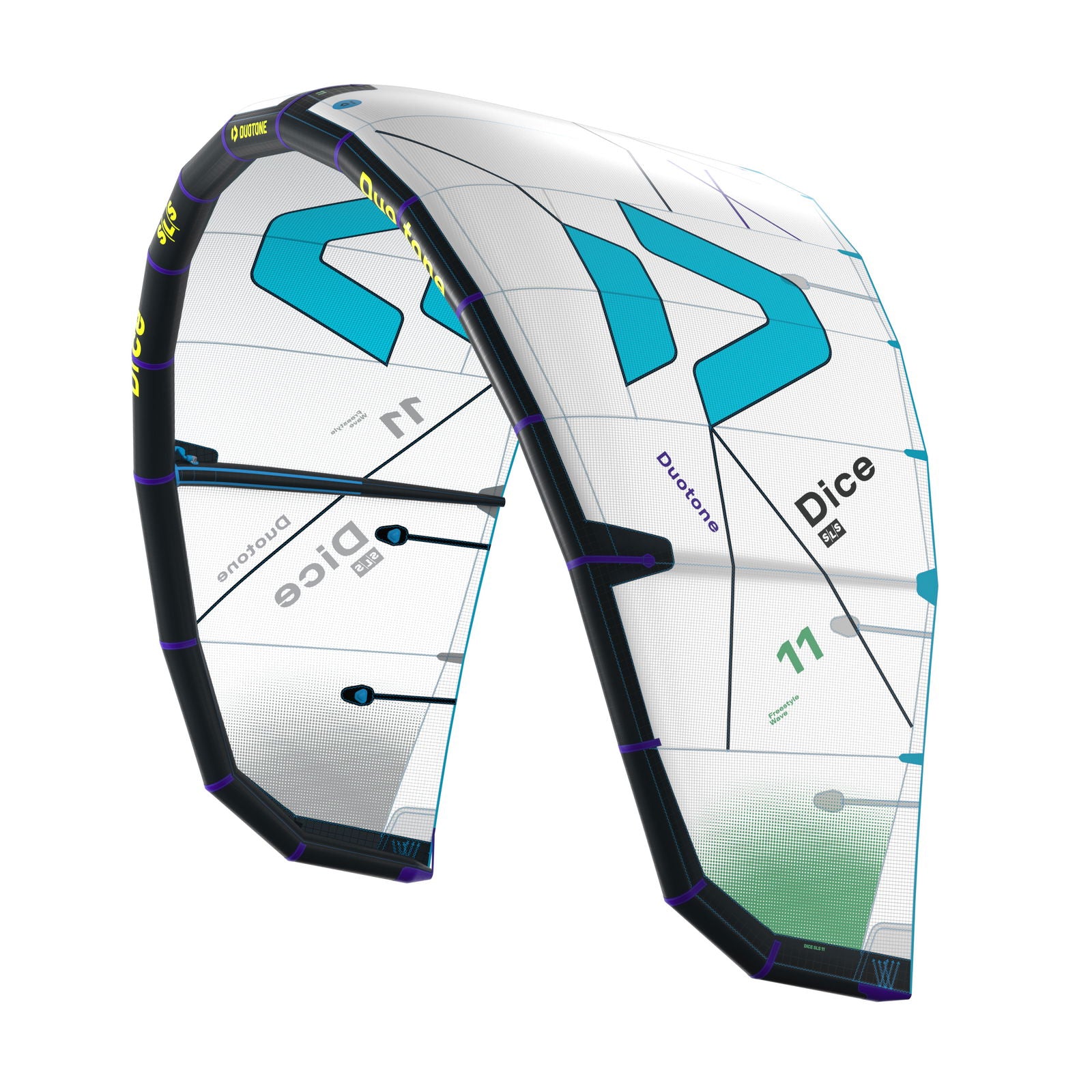
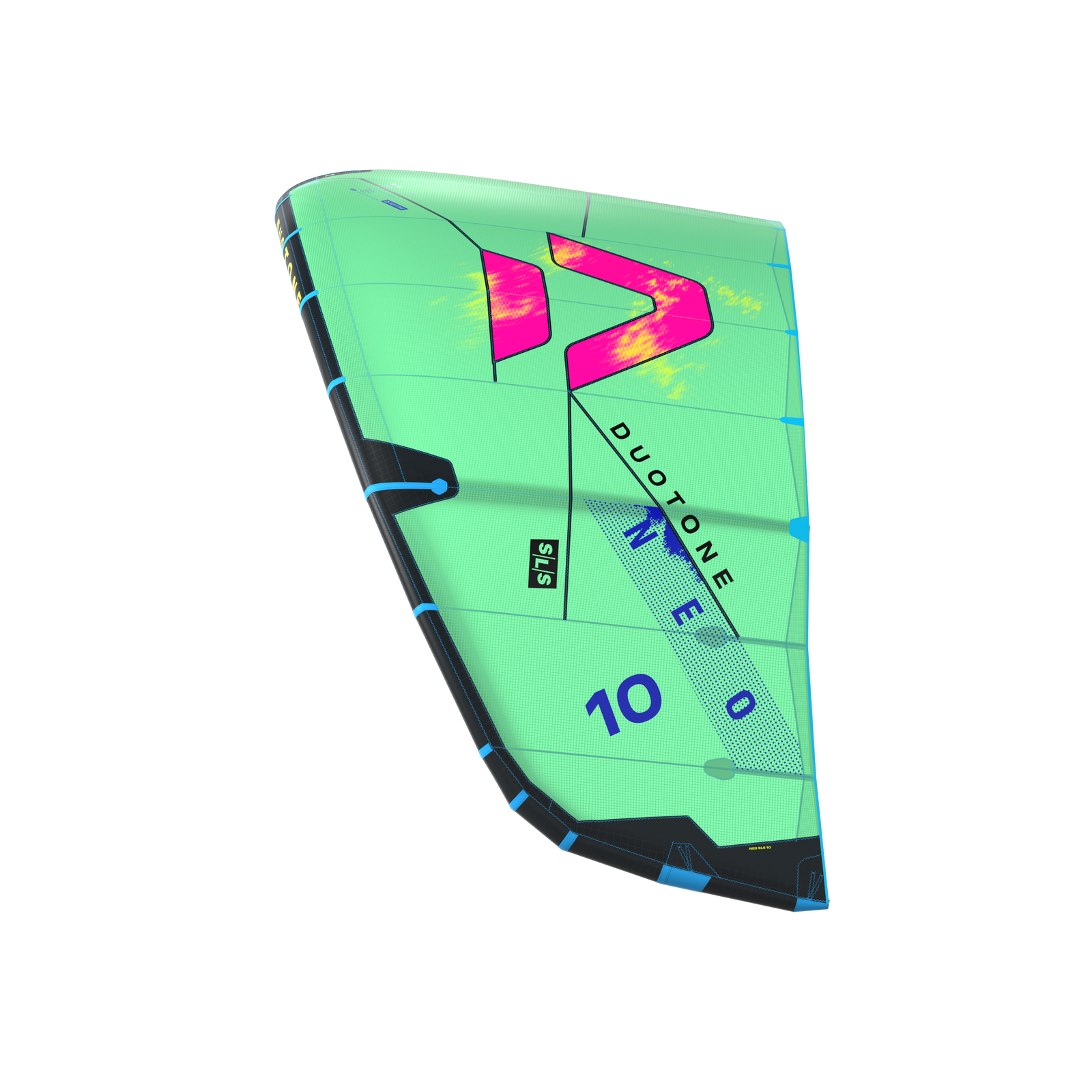
Prices and 2026 specs are pulled live from each product page. Confirm on the product page before checkout.
04 — MistakesThree mistakes we see every week
Ready to pick your size?
Browse our full Duotone kite range—9m, 12m, and our complete 2026 fleet—all in stock and shipping today.
Frequently asked
Absolutely. Most serious riders we ship to run a 12m for light wind and a 9m for stronger days. Add a 7m if your spot goes above 25 knots regularly.
9m. Smaller kites turn faster, respond to bar input quicker, and let you pop harder off the water. You'll land more tricks with sharper feedback.
Yes, if you're 75+ kg or ride in winds below 14 knots. The 12m is more forgiving and easier to relaunch—critical when you're still learning.
They exist, but we don't stock them. Most riders find 9m and 12m do the job. Spend your money on one of each rather than a middle ground.