Best Windsurf Boards for Beginners 2026
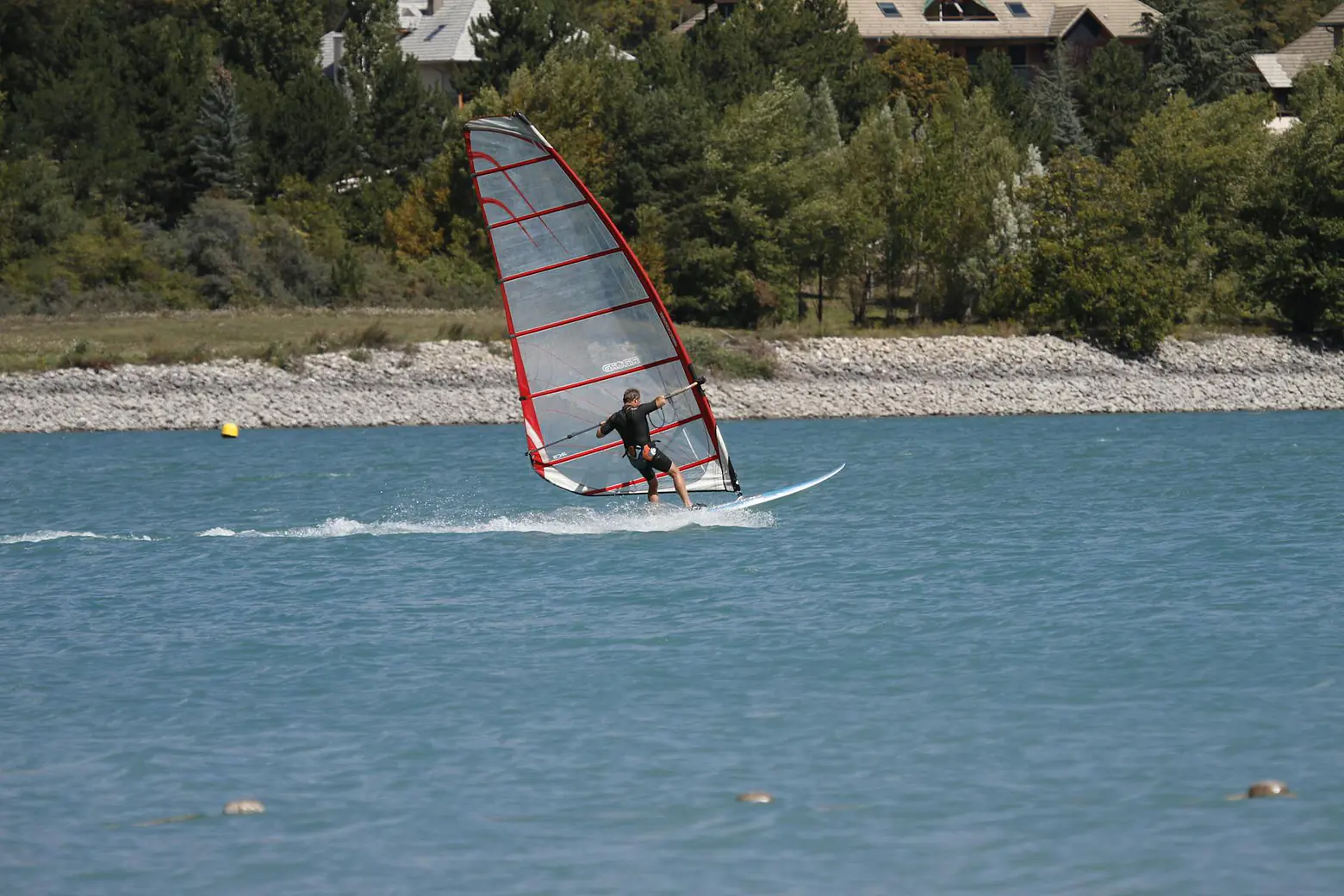
Starting windsurf needs a board that won't fight you. Volume, width, and forgiveness matter far more than speed—you're learning to control the sail, not hunting waves.
Pick a beginner board between 95–110 litres with a full, wide outline and soft edges. Look for relaxed rocker (minimal nose curve) so the board won't dive when you're finding your feet. JP Australia and Tabou both nail this formula.
01 — Flotation and forgivenessWhy Volume and Shape Matter Most
Volume keeps you floating and upright without exhausting sail pressure. A wider, flatter profile absorbs chop and forgives sloppy footwork while you're dialling in your stance. Beginners often underestimate this—they see a friend riding a 75-litre wave board and want the same thing. That's a mistake that costs weeks of progress.
A beginner board needs to feel planted under your feet, not twitchy. Wide tail, full rails, soft edges. The board should do half the work so you can focus on sail control and stance. You'll progress faster with a forgiving platform than a board that demands precision you don't have yet.
02 — Board selectionSizing: Finding Your Sweet Spot
Beginner boards sit in the 140–200 L range, and the 95–110 L zone is where most learners thrive. Your weight matters here. If you're under 70 kg, 95 L works. 70–85 kg, aim for 100–105 L. Above 85 kg, go 110 L or check the product page for the exact displacement your weight needs.
Length also shapes how forgiving a board feels. Longer boards (around 250 cm) give you more platform to stand on and absorb mistakes. They're slower to turn but won't throw you as easily when you're still figuring out your weight distribution.
03 — Our picksOur Picks for Beginners
We've stocked beginner boards since 2003, and these four models earn regular rotation in rental fleets and beginner lessons across Europe. Pick based on your weight and whether you want a pure learning platform or something with a touch more style.
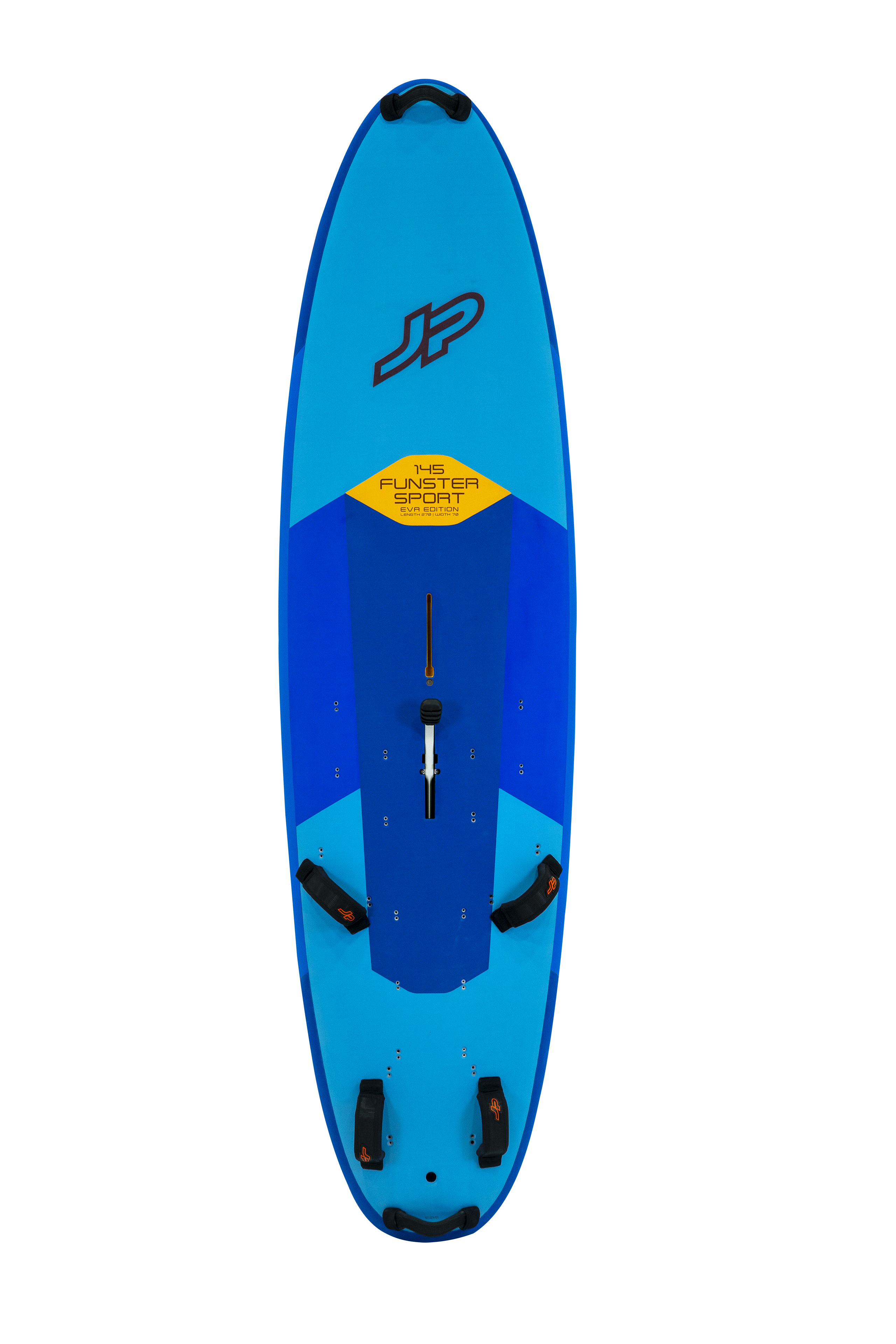
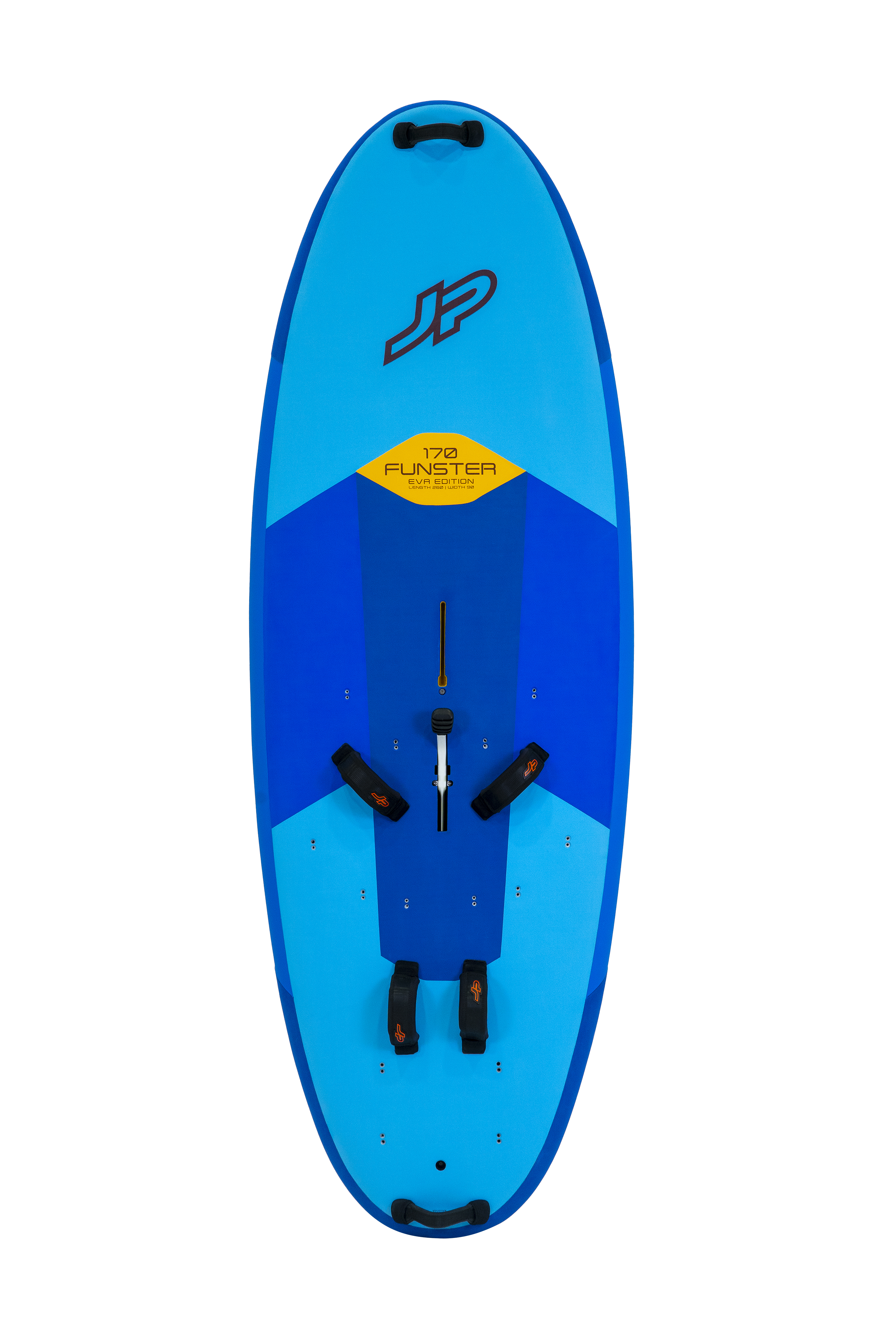
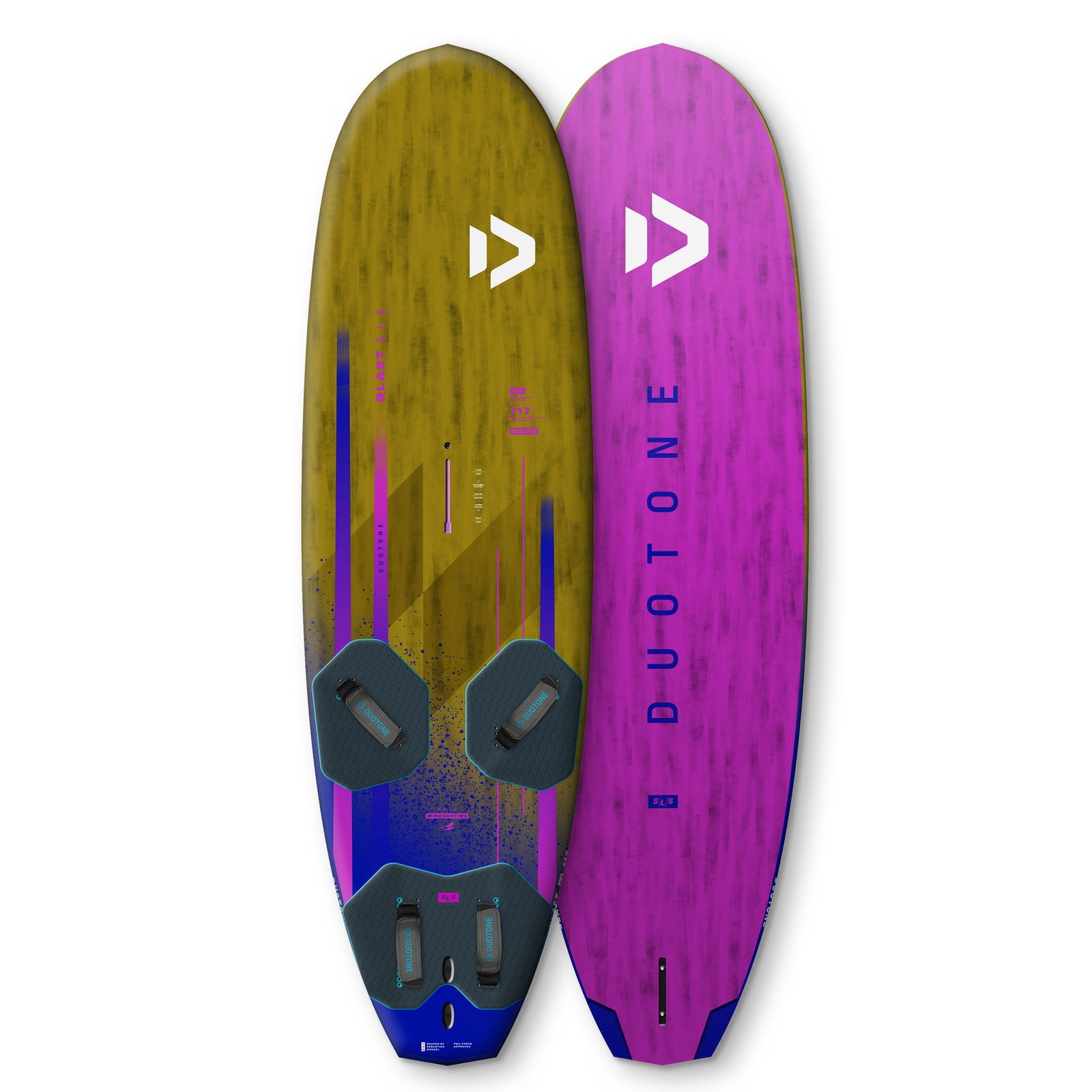
Prices and 2026 specs are pulled live from each product page. Confirm on the product page before checkout.
04 — MistakesThree mistakes we see every week
Ready to order?
Browse our full windsurf board range and find the volume, length, and shape that matches your weight and goals.
Frequently asked
10 litres of extra float. You'll feel it most in light wind or when you're tired—the board stays higher in the water, demanding less sail pressure to stay up. For learning, the extra margin is worth it if you're on the heavier side.
Technically yes, but you'll spend half your time swimming. A 75 L board is built for experienced riders in strong wind. Beginners need at least 95 L to focus on technique instead of staying afloat.
Yes. Longer boards (250 cm) give you more stable platform and forgive weight shifts better. Shorter boards turn faster but demand better footwork. Start long, stay long for your first season.
Used boards are cheaper, but check the core for water damage and dings before you buy. A beat-up board can delaminate mid-session. If you're serious about learning, new gear beats surprises.