What's the Best Kite for Travel? — Packing Size & Weight Guide
Travel kites aren't a separate breed—they're freeride models chosen for packed size, weight, and durability. We'll show you what to look for so your gear fits in a backpack, not a shipping crate.
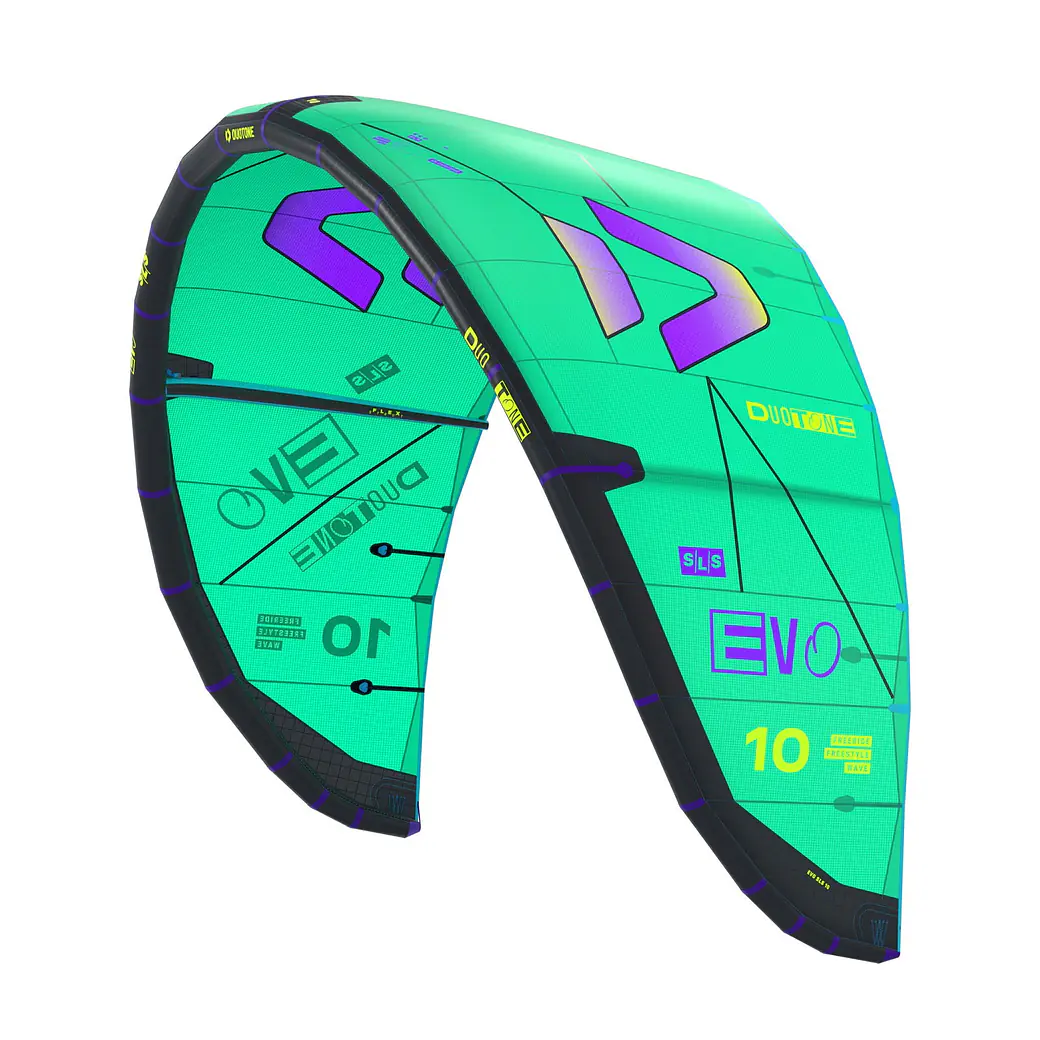
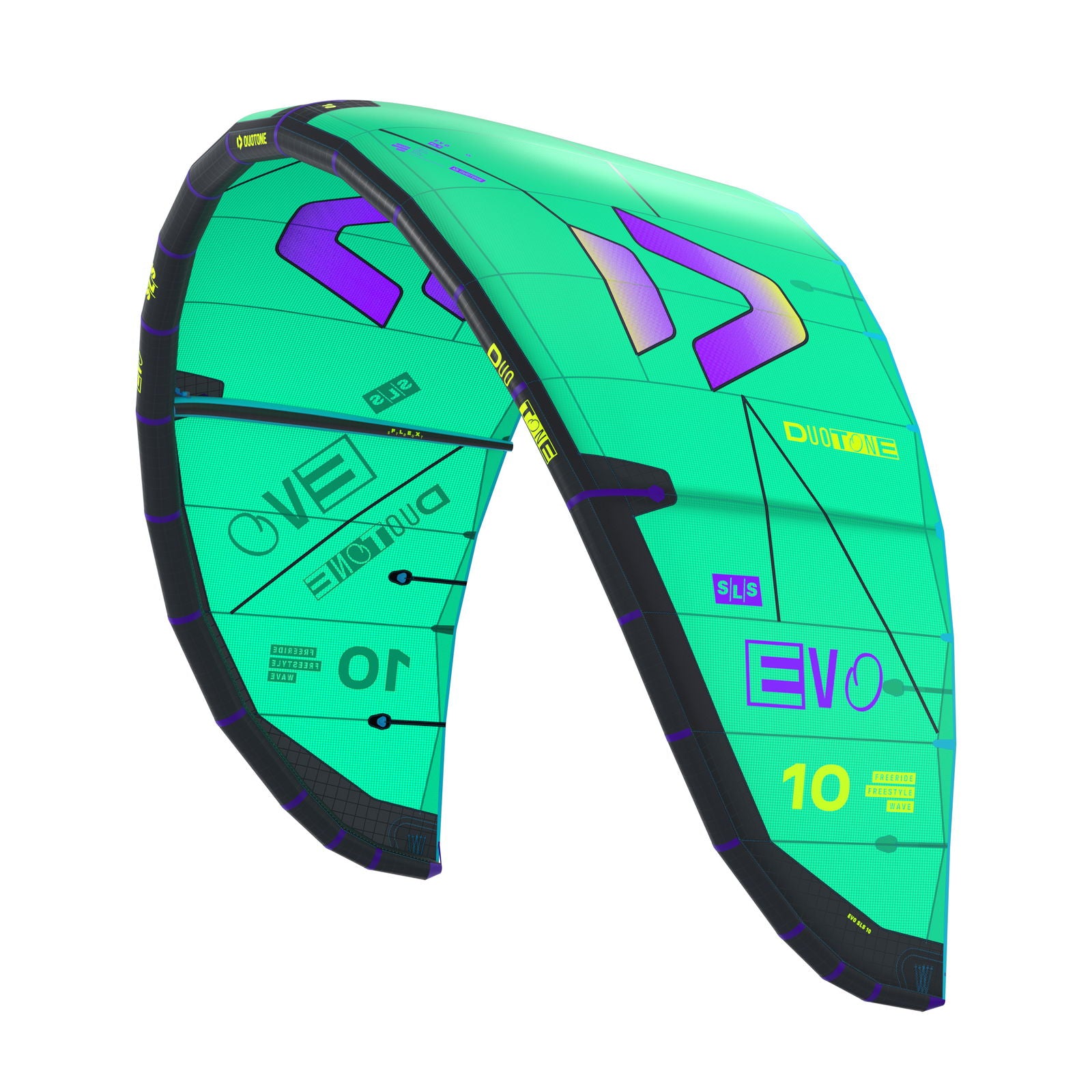
Pick a mid-range freeride kite in 9–14 m² that packs under 70 cm × 35 cm and weighs under 4 kg with bar and lines. The Duotone Neo SLS or Duotone Evo SLS are solid entry points—lighter ripstop, forgiving pop, wide wind range. Skip freestyle or wave designs; they don't travel well.
01 — Dimensions & durabilityPacked Size and Weight: What Actually Fits
Most modern kites compress to around 55–70 cm × 35 cm × 20 cm when bagged. That fits a carry-on roller or decent backpack. Weight matters more: aim for under 4 kg with bar and lines. Heavier kites (5+ kg) tax your shoulders and eat luggage allowance fast.
Ripstop fabric durability is critical when you're bouncing gear through airports. Lighter ripstop (like what Duotone uses on the Neo and Evo) is durable enough for travel without adding bulk. Check your kite's packing bag—some brands include reinforced travel bags, which saves you buying one separately.
02 — Versatility mattersWind Range: Fly Anywhere, Any Day
Travel kites need to work across a wide wind window because you won't have your full quiver with you. A single 12 m² freeride kite flies reliably in 10–25 knots—that covers 80% of rideable days at most spots. If you're hitting variable destinations, a 9 m² and 14 m² combo gives you flexibility without doubling your luggage weight.
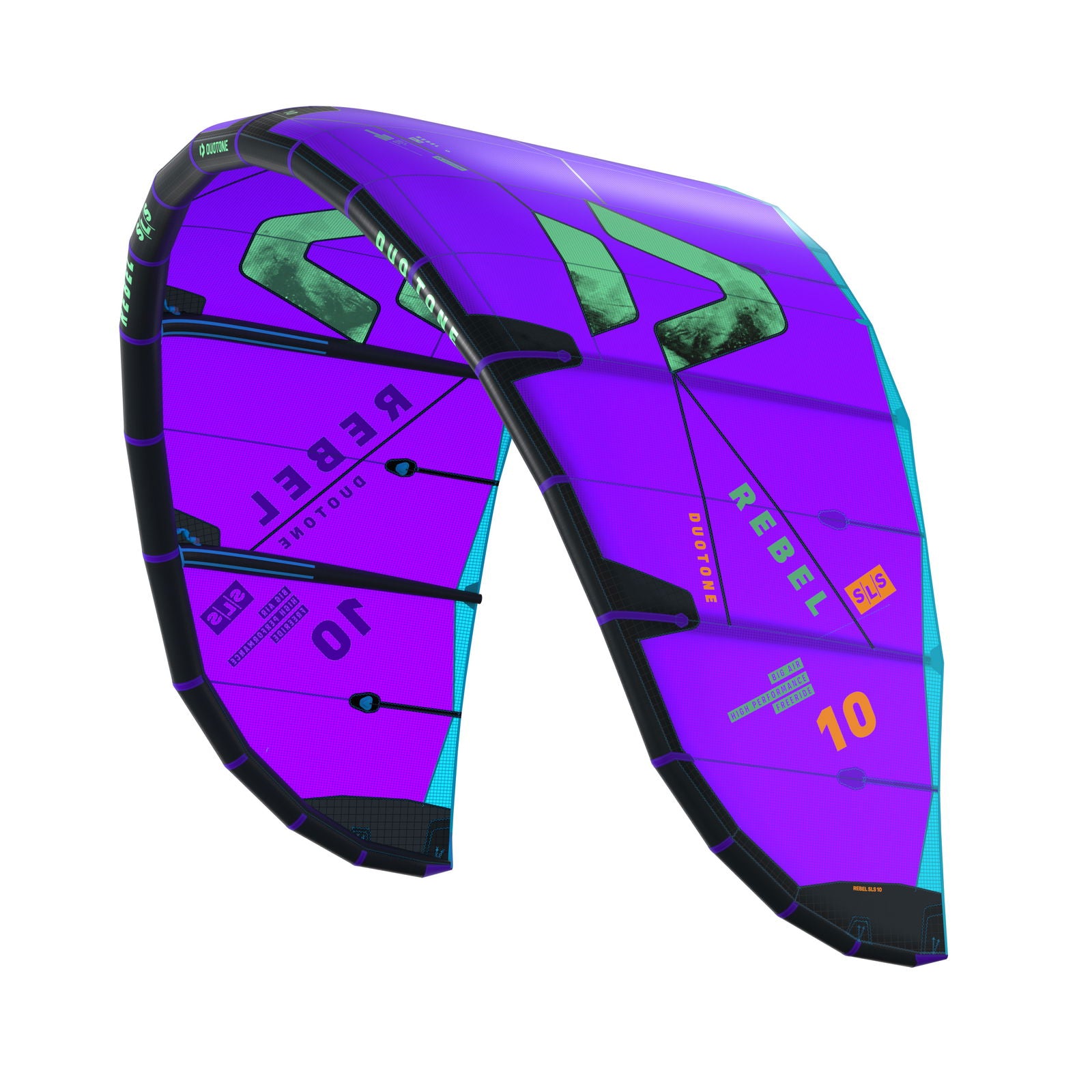
Freeride kites (like the Duotone Rebel SLS) are forgiving in gusty, choppy conditions—common at less-famous breaks. They're also more stable in light wind than wave or freestyle designs, which means you'll actually get sessions instead of sitting on the beach waiting for the perfect gust.
03 — Our picksOur 4 In-Stock Travel Picks
We've chosen four Duotone freeride models that we've shipped to travellers from Tarifa to Cape Town. All pack tight, stay durable, and fly wide wind ranges. Pick by weight and your local wind: lighter riders and marginal wind favour the Neo; stronger wind and heavier riders suit the Rebel.
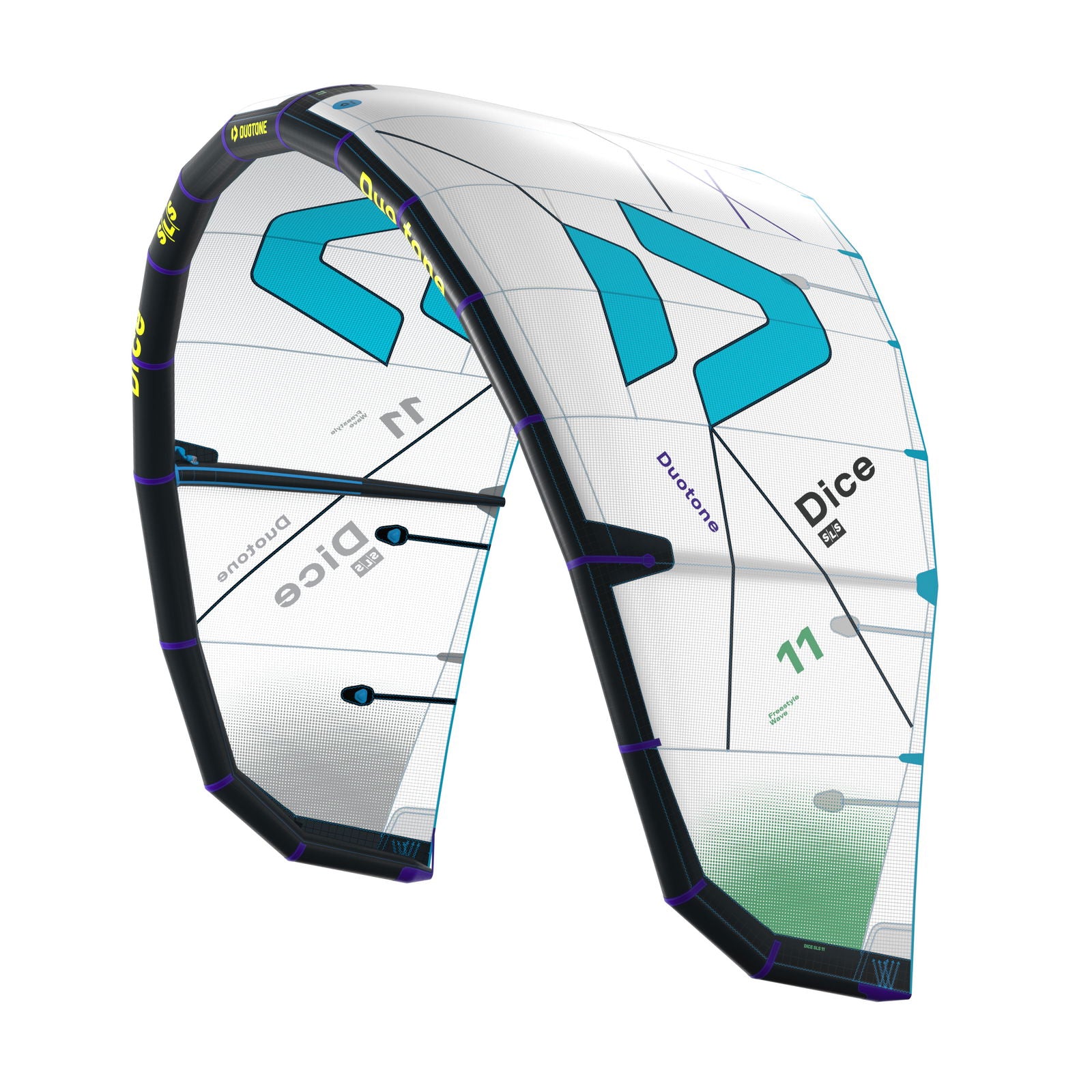
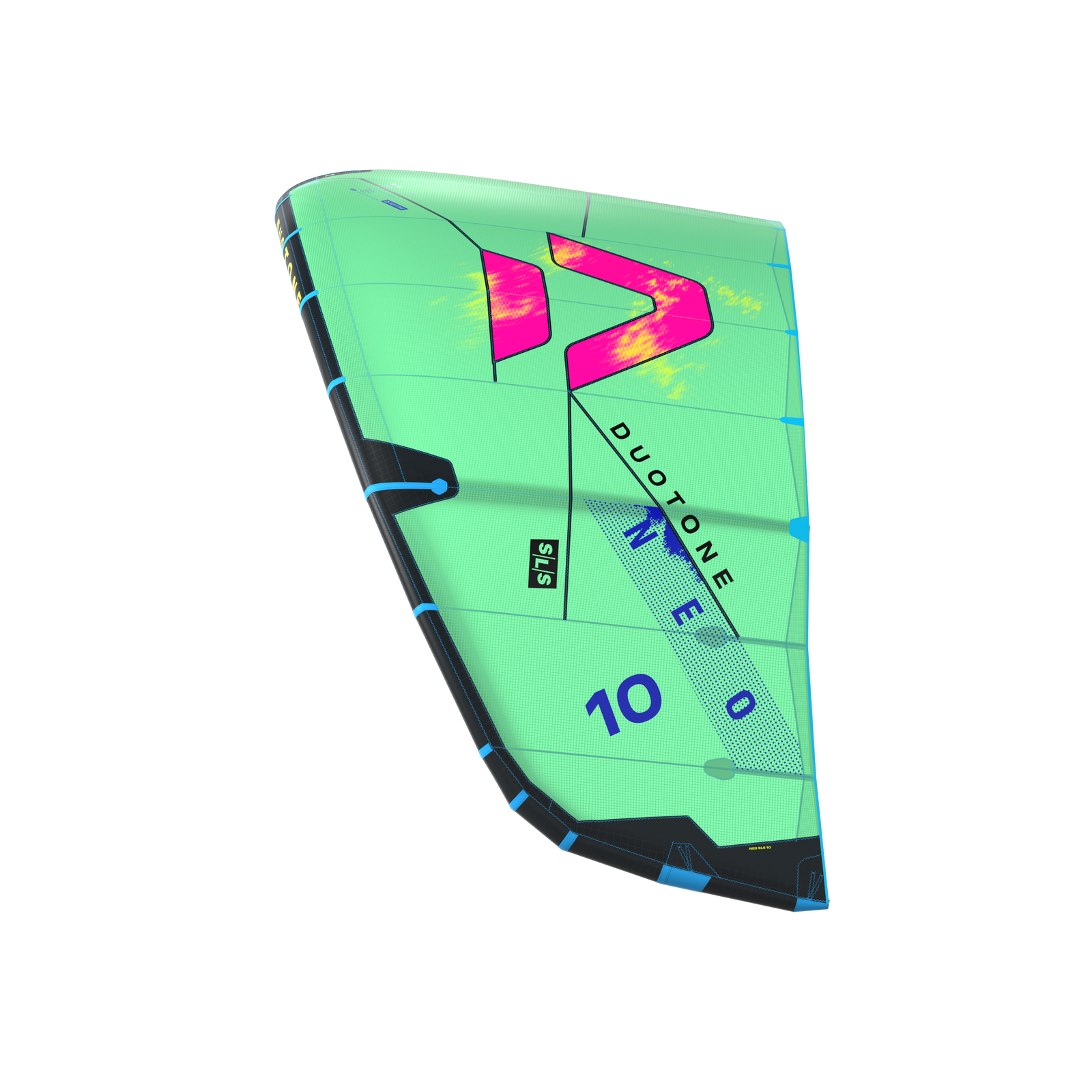
Prices and 2026 specs are pulled live from each product page. Confirm on the product page before checkout.
04 — MistakesThree mistakes we see every week
Ready to pack light?
Browse our Duotone freeride range and find the size that fits your trips.
Frequently asked
Technically yes, but it's overkill for most travellers. A 17 m² is heavy (3.5+ kg), bulky, and only flies reliably in light wind. A 12 m² does almost everything you need and saves luggage space.
Pack your regular freeride kite if it's under 4 kg and under 70 cm packed. There's no secret 'travel kite' design—just freeride models that happen to compress and weigh less than freestyle or wave kites.
Not always. Most modern kites come with a packing bag that fits carry-on. If it doesn't, a padded duffel adds 500 g and costs £20–40—worth it for protection.
Most 12 m² freeride kites fly from 10–25 knots depending on your weight and water state. Check the product page for your model's specific range.