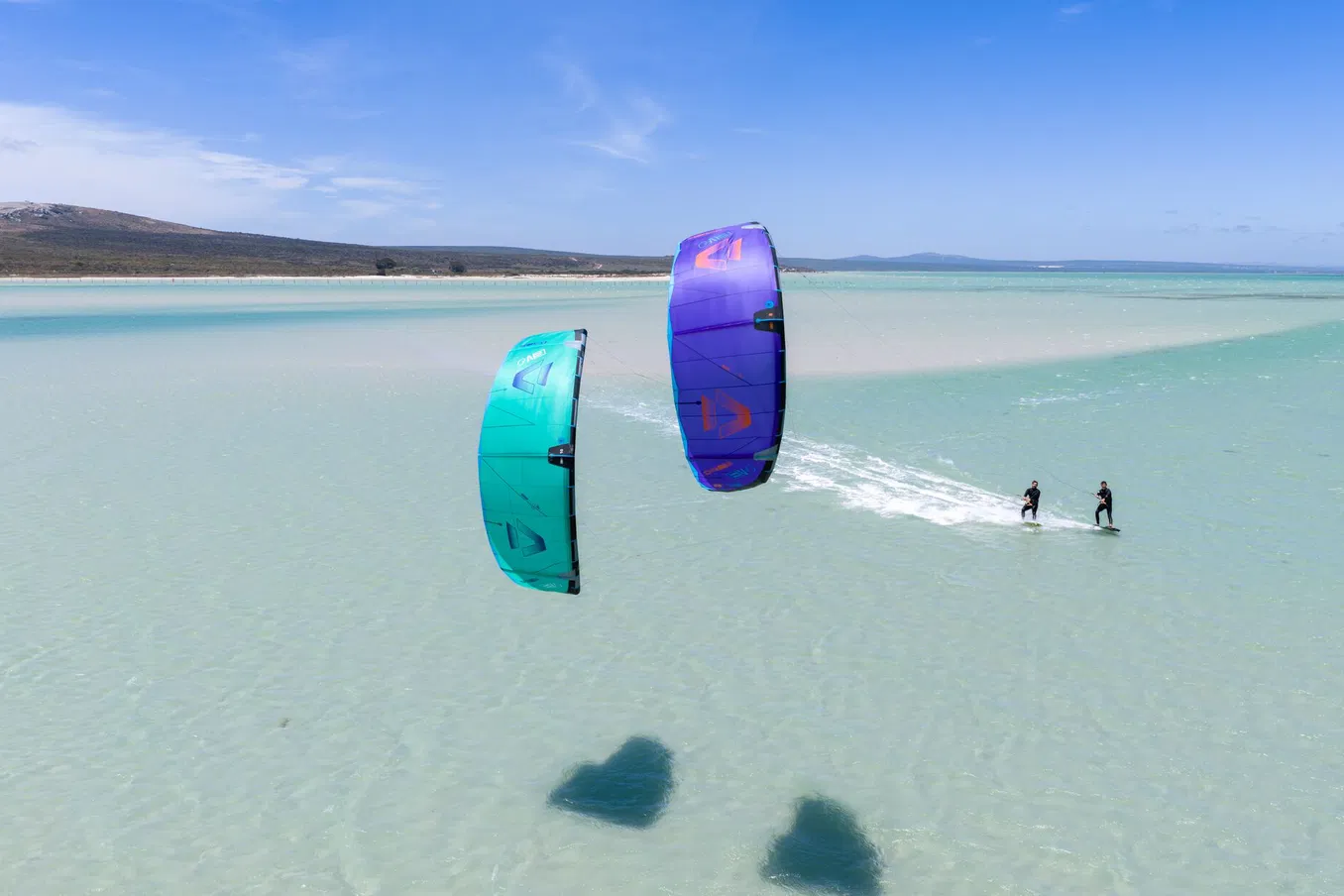
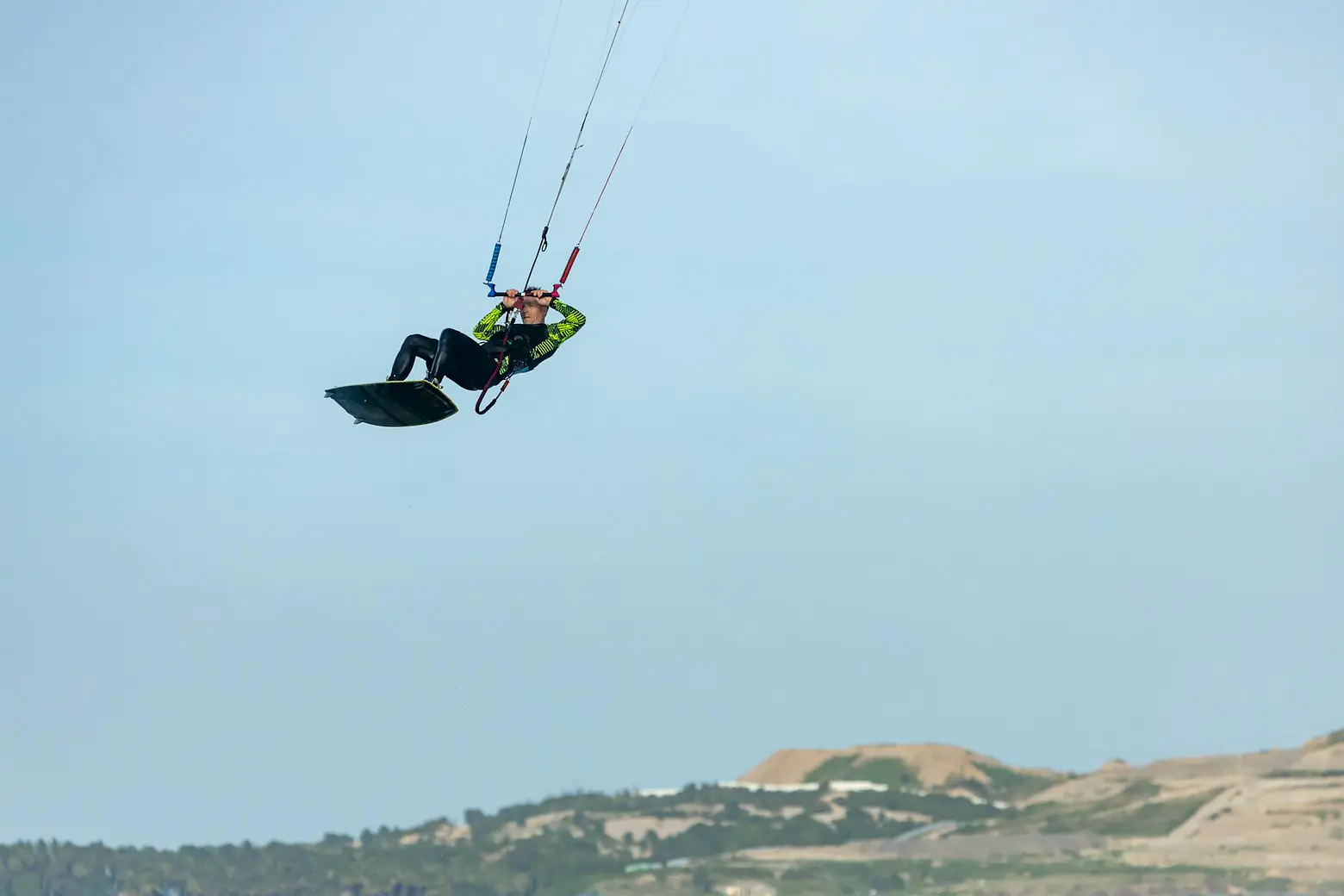
Best Kites for Beginners 2026 — Complete Guide
Picking your first kite is everything. The wrong one kills your progression; the right one builds confidence fast. We've helped thousands learn since 2003, and here's what actually works.
Start with a 14 m² freeride kite in 12–20 knot winds. Look for smooth depower, reliable relaunch, and a forgiving wind window. The Duotone Evo SLS 2026 ticks all three boxes and won't empty your wallet.
01 — ForgivenessWhat Makes a Beginner Kite Different
A beginner kite has one job: stay predictable when conditions shift. You don't need a freestyle beast or a wave-slashing machine. You need something that won't dive on you in a gust or go dead in a lull.
The best designs use a wide, stable arc and smooth bar feel. They depower progressively—no sudden power spikes, no wild swings. Riders from Tarifa to Cape Town tell us the same thing: a forgiving kite lets you focus on your board work and body position, not fighting the bar every gust.
02 — Choosing Your FirstSize, Wind Range, and Bar Pressure
Most beginners start too big and lose control, or too small and get frustrated. A 14 m² is the sweet spot for adults in moderate wind. It gives you enough grunt to get upwind without overpowering you when the gusts bite.
Wind range matters more than absolute size. A kite rated 10–25 knots is forgiving; one that demands 15–30 knots will frustrate you on light days. Check the bar pressure too—heavy loading tires your arms fast and kills your technique. Smooth, progressive depower wins every time.
03 — Our picksOur 4 In-Stock Picks
We've tested each of these in real conditions at our local spots and with our own crew. All four are 2026 stock, built for reliability and easy progression.
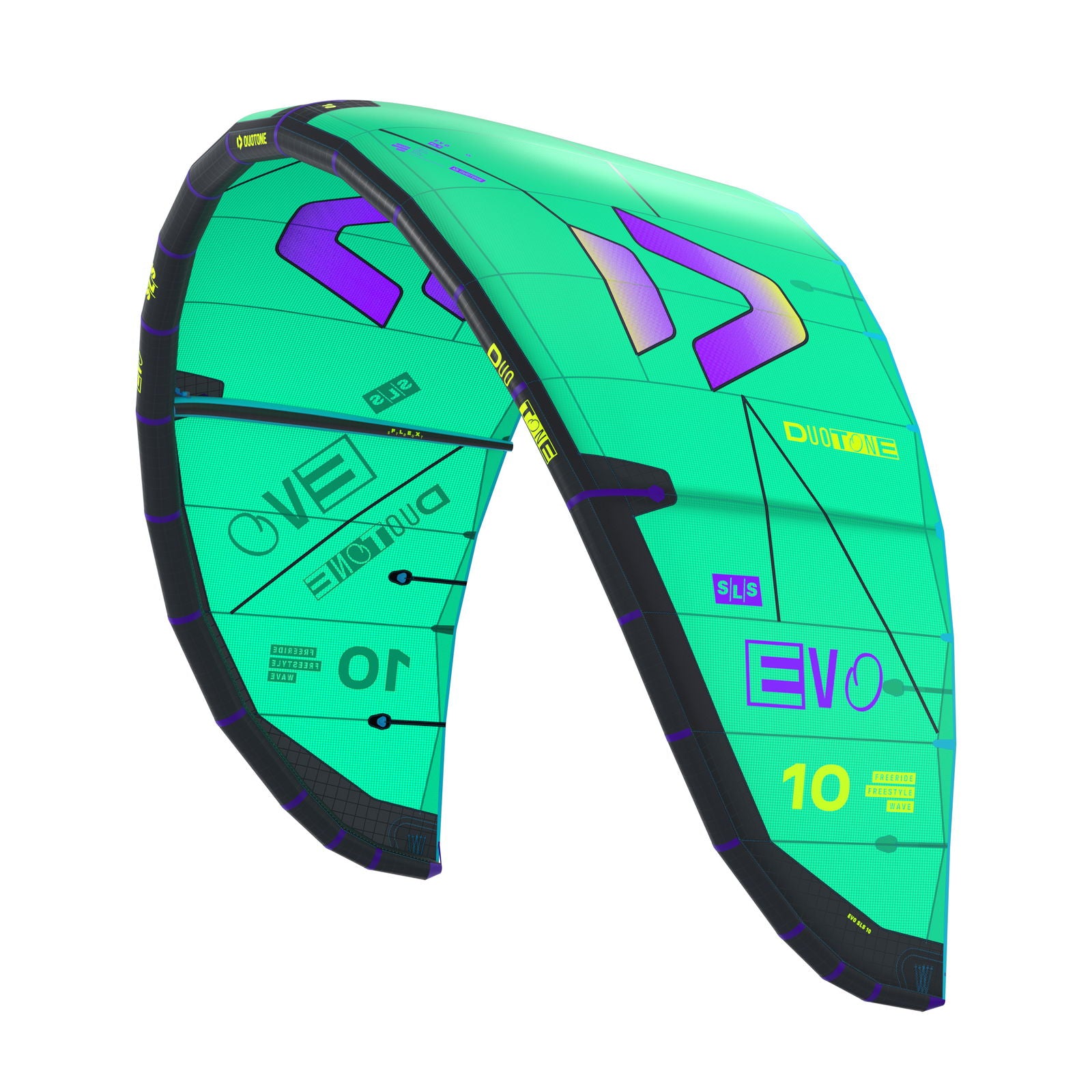
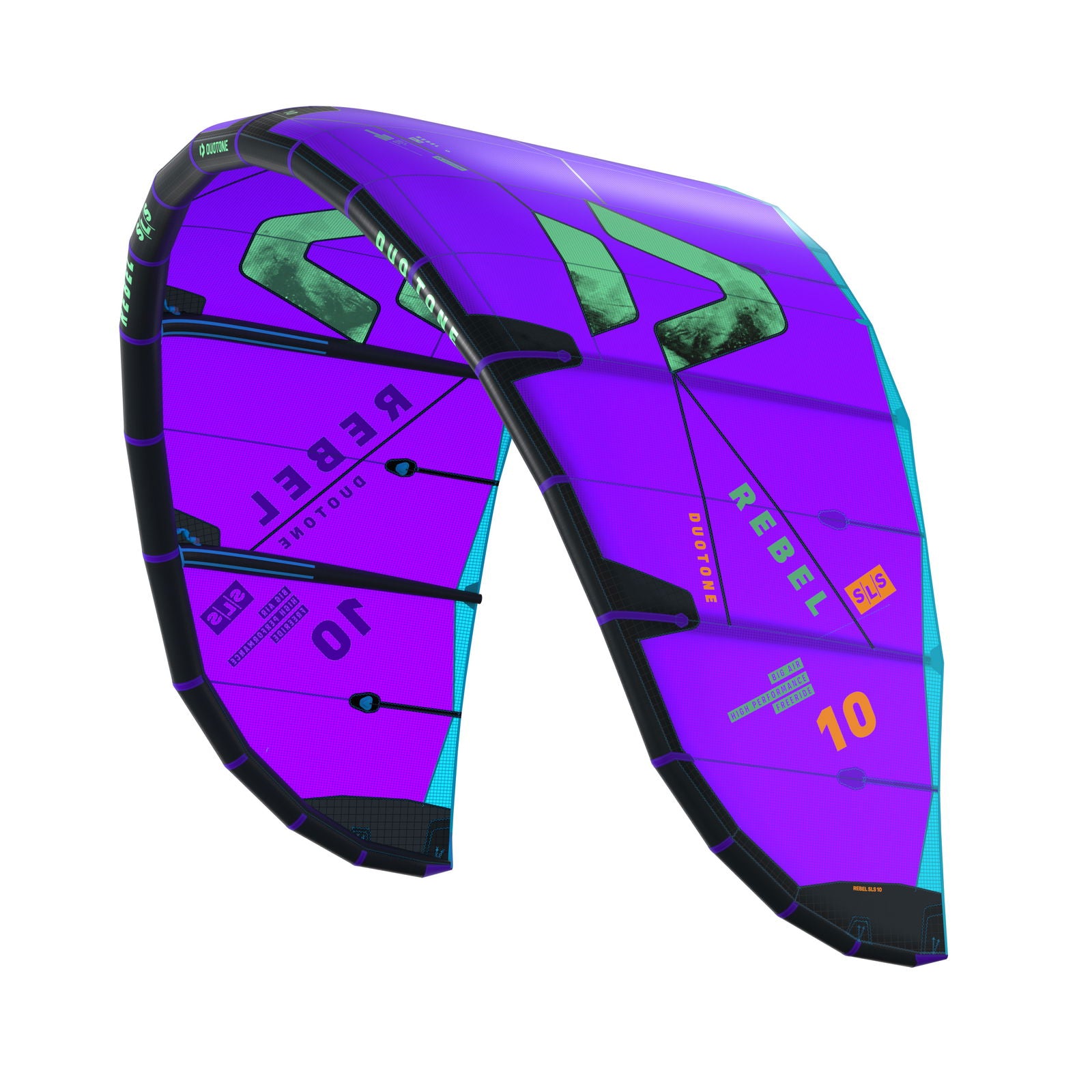
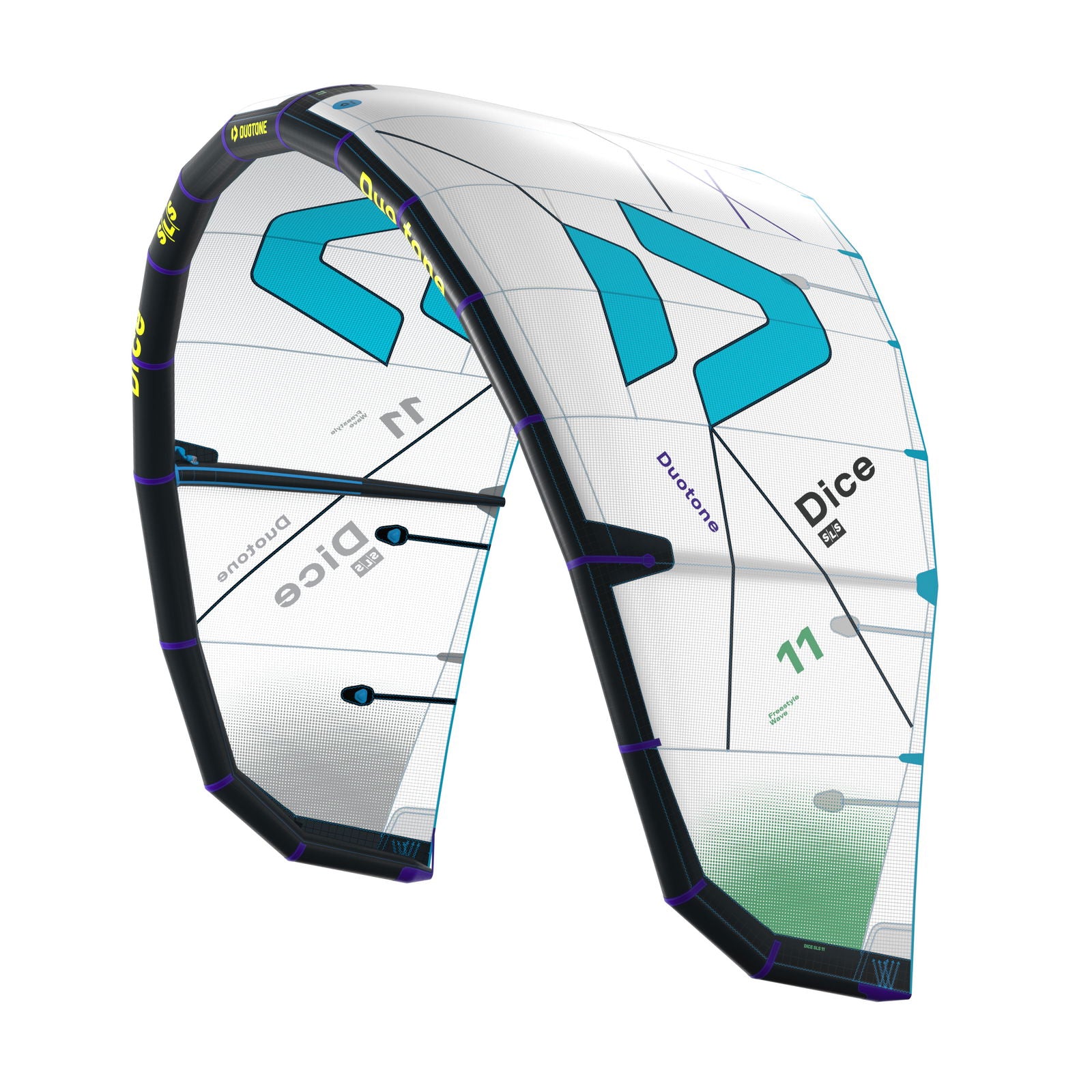
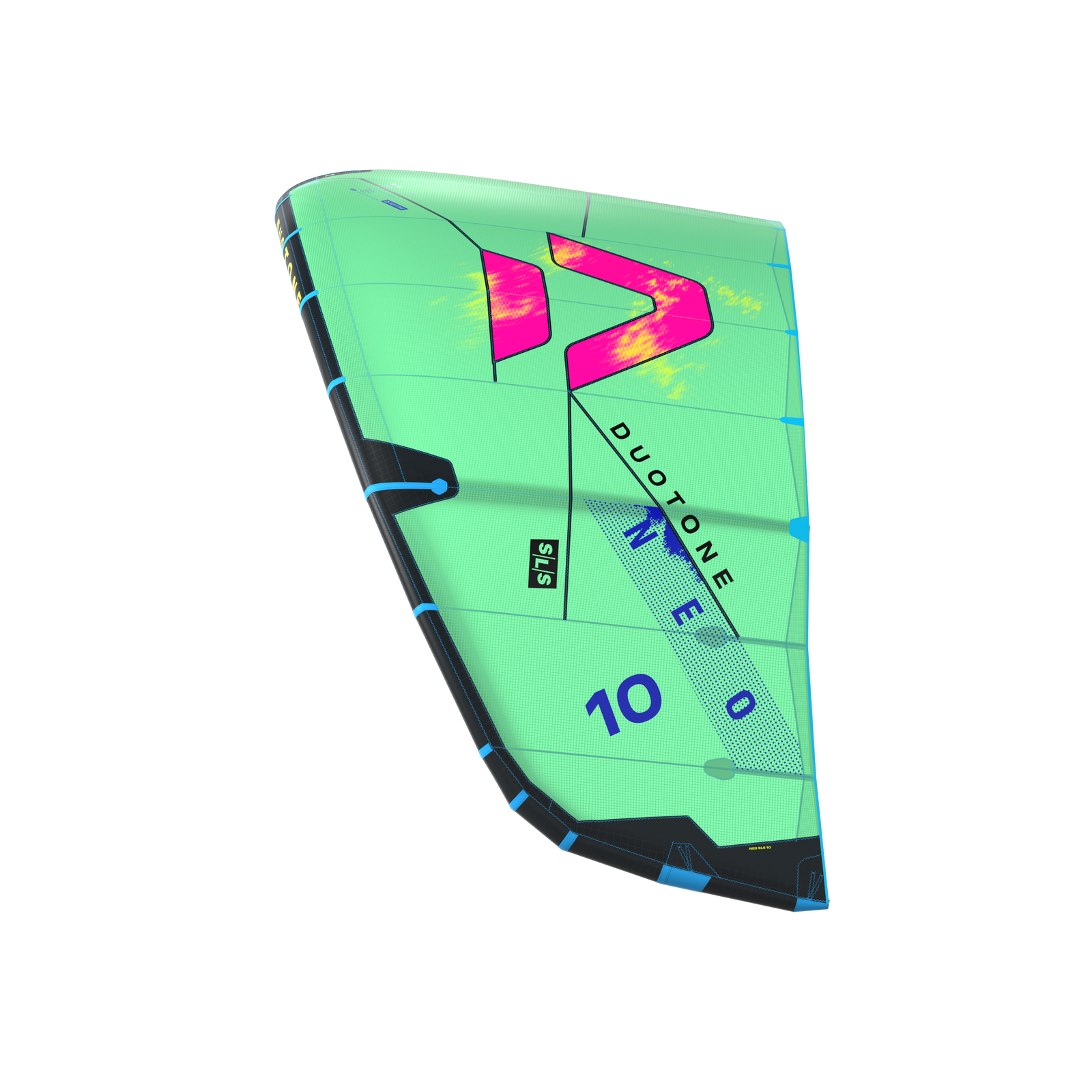
Prices and 2026 specs are pulled live from each product page. Confirm on the product page before checkout.
04 — MistakesThree mistakes we see every week
Ready to get started?
Browse our full 2026 kite range and find the size that fits your weight and local wind.
Frequently asked
Yes, if you're under 70 kg and your spot gets steady 14–20 knot wind. Most riders progress faster on 13–14 m² because it's more forgiving and catches lighter days.
Not yet. Master one size first. Once you're confident, add a 10–11 m² for gusty days and a 16–17 m² for light wind. But get the fundamentals locked in one kite.
SLS is Duotone's latest Strut Leading Shape—it improves relaunch, reduces weight, and sharpens edge response. Worth the upgrade if you're serious; entry models work fine too.
Yes. A pump lets you adjust bridle tension and repair punctures. A bag protects your kite between sessions. Both are cheap insurance against a €2k crash.