Best Kites for Beginners 2026 — Complete Guide
Picking your first kite is everything. The wrong one kills your progression; the right one builds confidence fast. We've helped thousands learn since 2003, and here's what actually works.
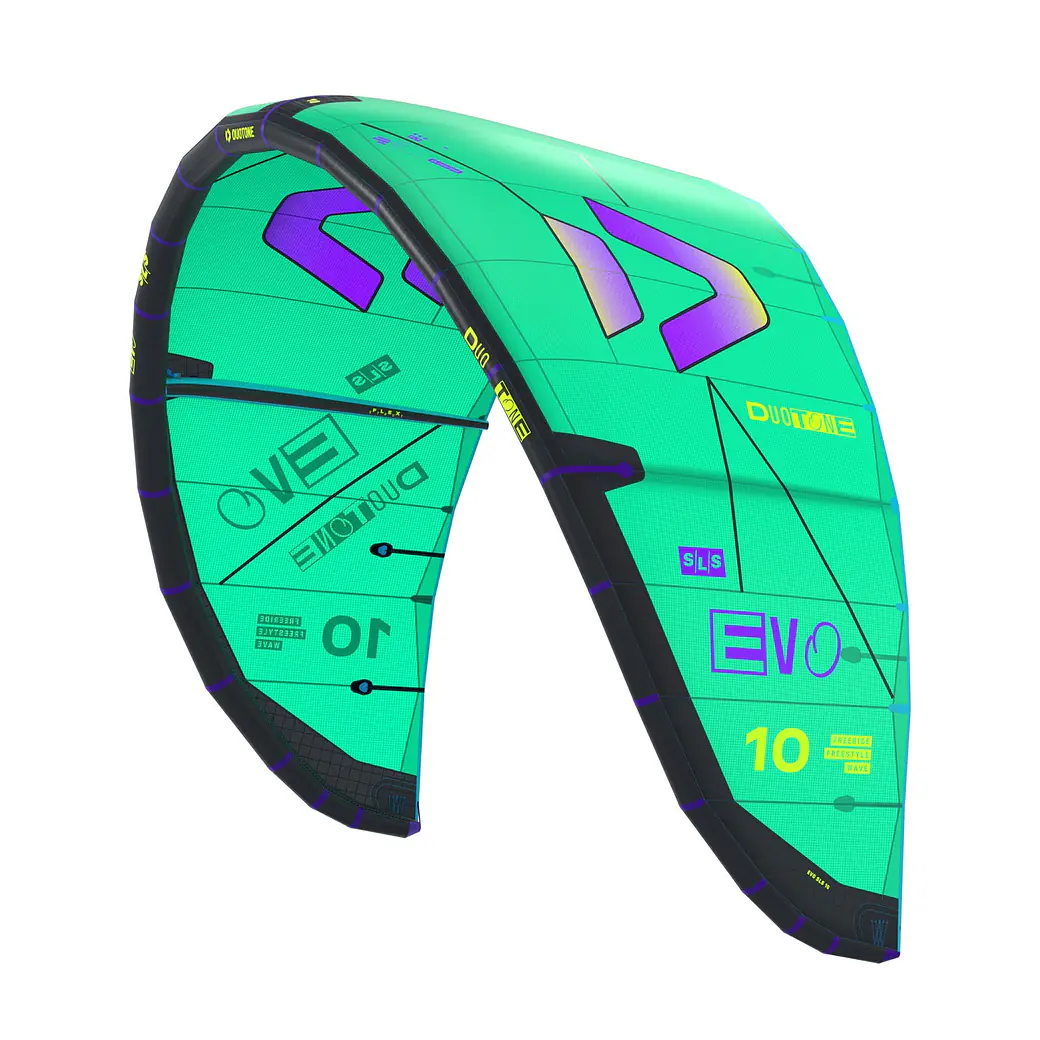
Start with a 14 m² freeride kite in 12–20 knot winds. Look for smooth depower, reliable relaunch, and a forgiving wind window. The Duotone Evo SLS 2026 ticks all three boxes and won't empty your wallet.
01 — ForgivenessWhat Makes a Beginner Kite Different
A beginner kite has one job: stay predictable when conditions shift. You don't need a freestyle beast or a wave-slashing machine. You need something that won't dive on you in a gust or go dead in a lull.
The best designs use a wide, stable arc and smooth bar feel. They depower progressively—no sudden power spikes, no wild swings. Riders from Tarifa to Cape Town tell us the same thing: a forgiving kite turns learning into fun, not frustration.
02 — Choosing RightSize, Wind Range, and Bar Pressure
Beginners typically fly 12–17 m² kites. In steady 12–20 knot winds, a 14 m² sits in the sweet spot—enough grunt to get you going, but not so much that you're wrestling the bar. If you're heavier (85+ kg) or the wind averages below 15 knots where you ride, stick with 14 m² or step to 17 m².
Bar pressure matters too. A heavy, twitchy bar wears your arms out and kills control. Look for designs that feel responsive but not wired—the Duotone Evo SLS 2026 and Duotone Neo SLS 2026 both nail this balance. Check the product page for exact specs if you want the full tech rundown.
03 — Our picksOur 4 In-Stock Picks
We stock four Duotone shapes that cover every beginner scenario. Pick by your wind zone and style—all are built to teach, not confuse.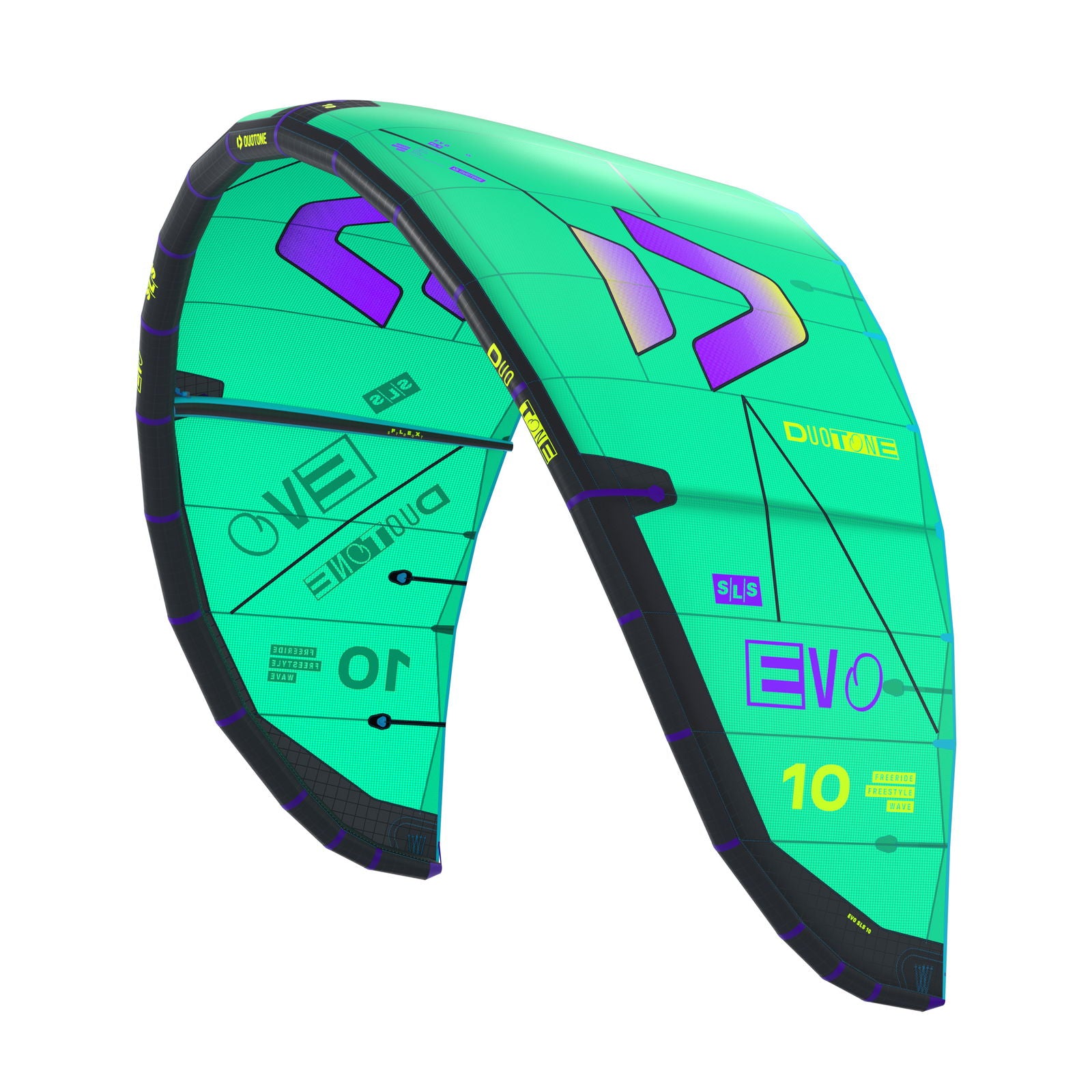
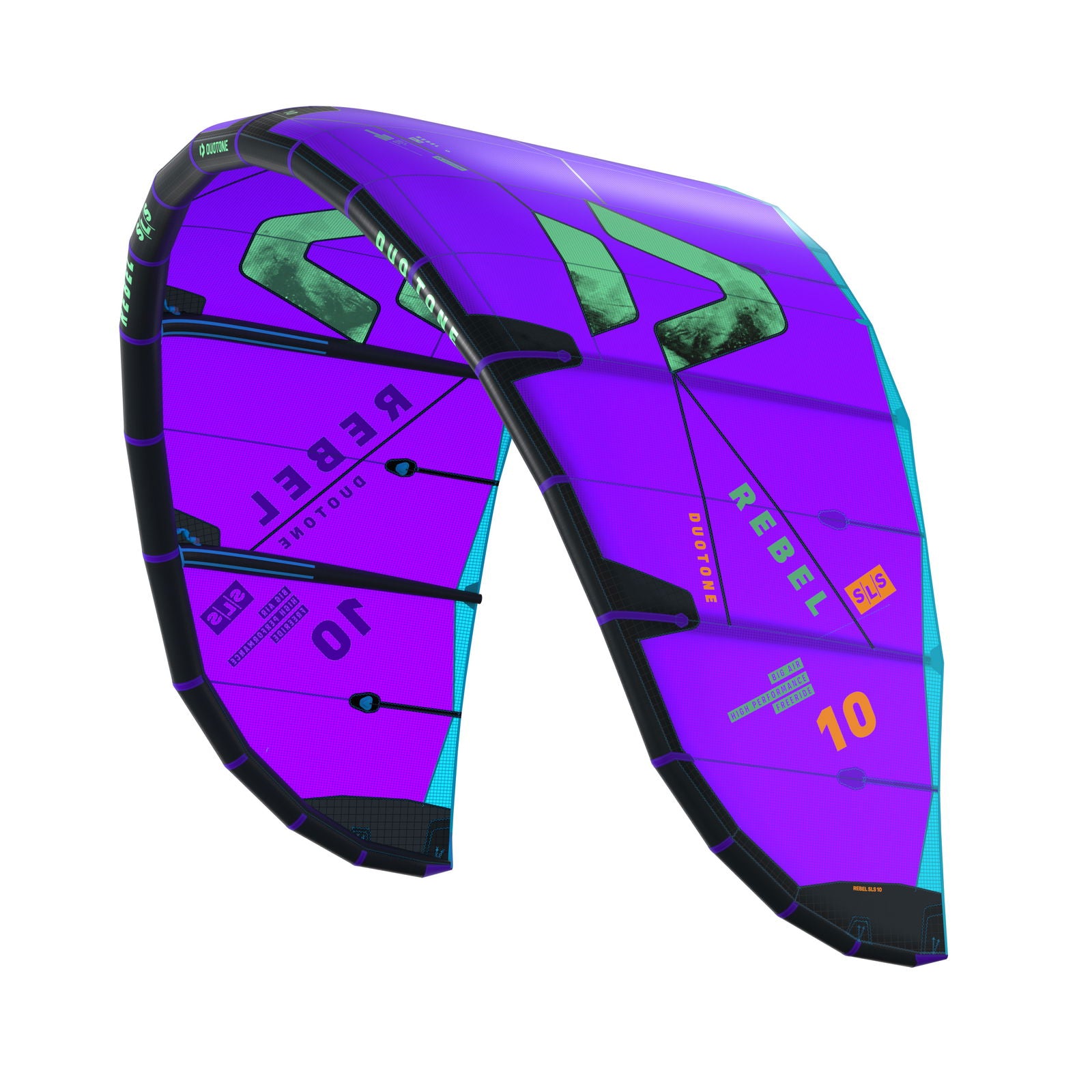
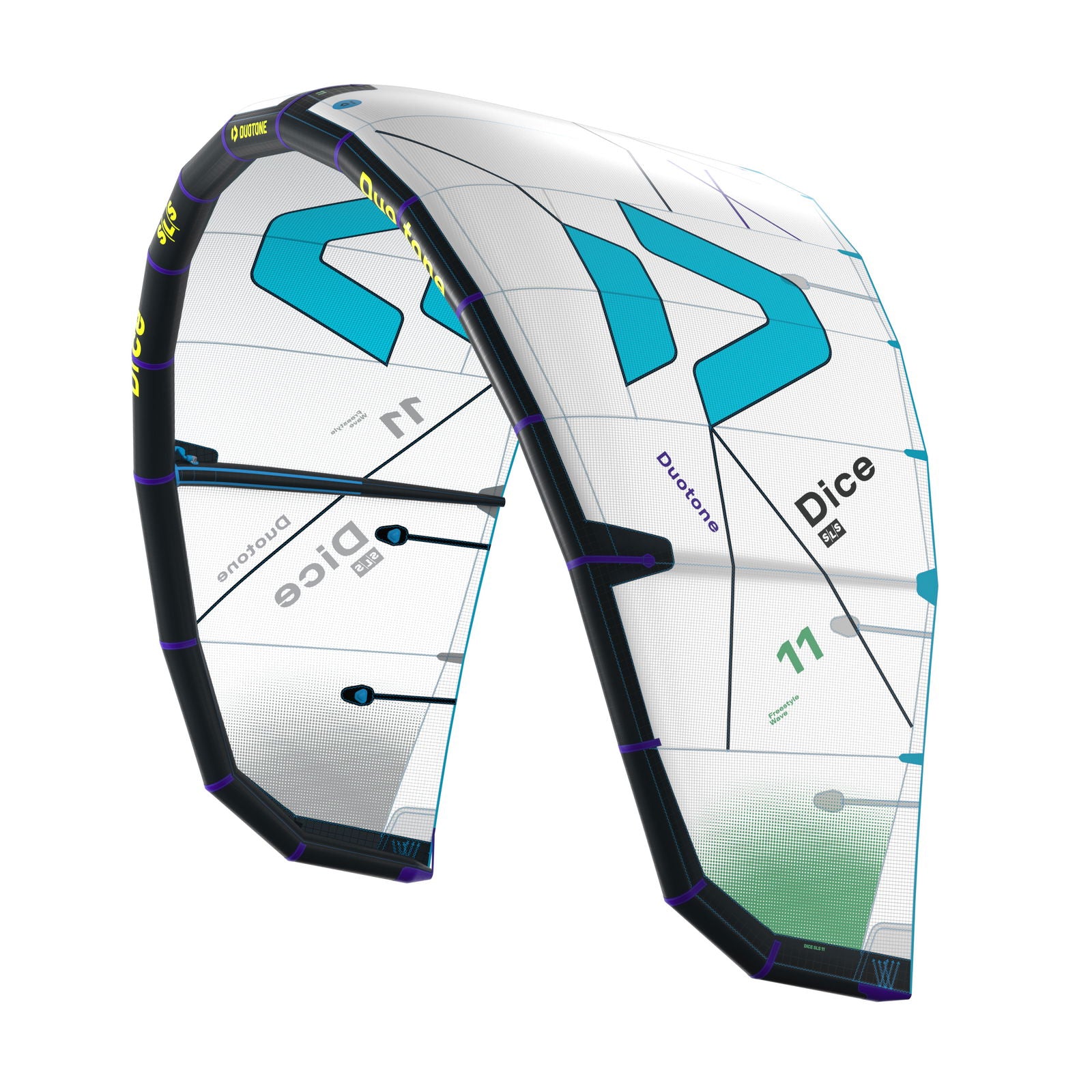
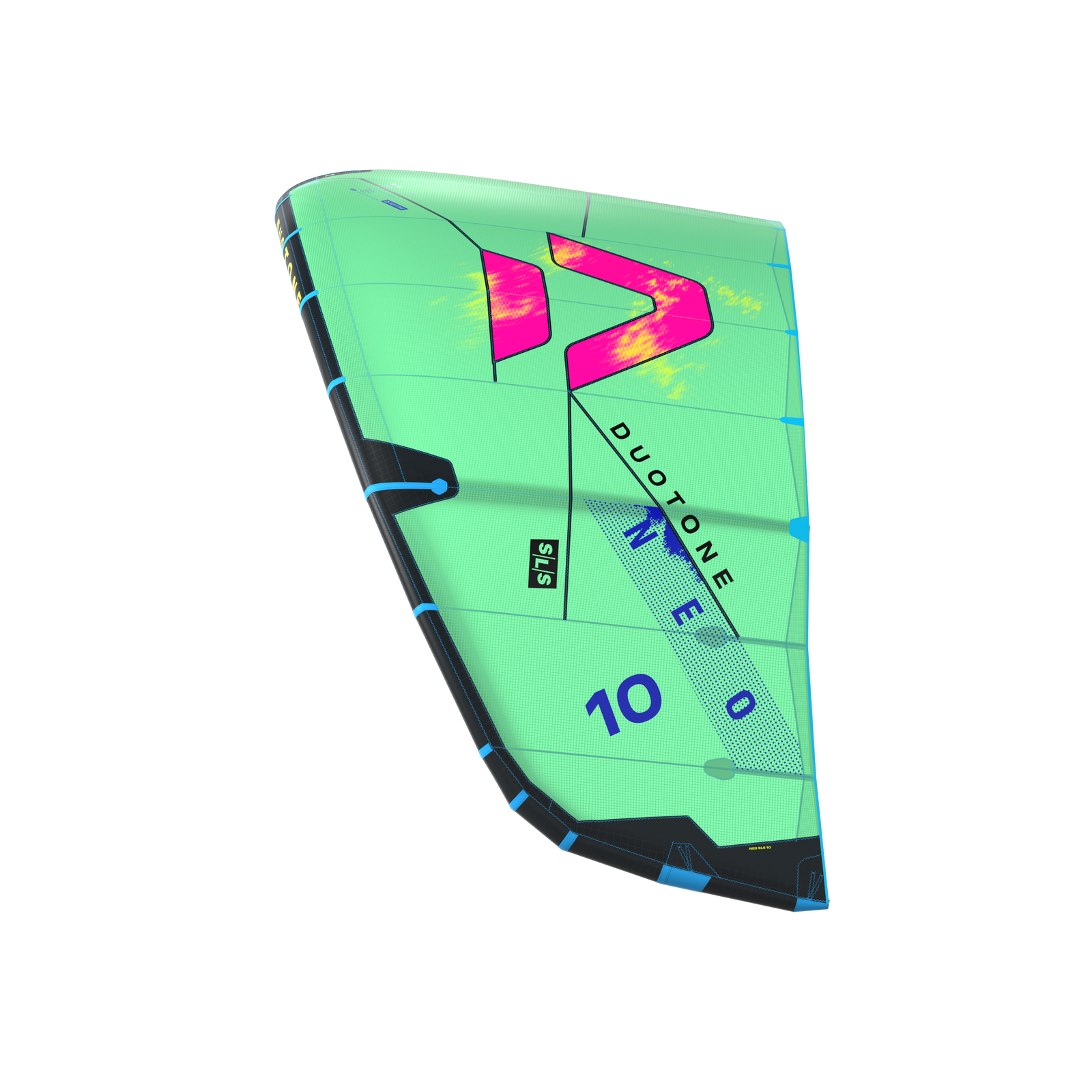
Prices and 2026 specs are pulled live from each product page. Confirm on the product page before checkout.
04 — MistakesThree mistakes we see every week
Ready to gear up?
Browse our full range of beginner and freeride kites, all in stock and ready to ship.
Frequently asked
The 14 m² generates more lift in light winds and suits most beginners. Go 12 m² only if you're heavy or you ride consistently windy spots like Tarifa.
If you're under 65 kg or in very light wind, yes. Otherwise it'll feel overpowered and kill your confidence. Stick with 14 m² first.
With care, 2–3 seasons of solid riding. We've seen Duotone kites hold up for years. Check for UV damage and fabric tears after each session.
Not necessarily. Most modern bars (2023 and newer) work across Duotone kite ranges. Check compatibility on the product page before buying.