Best Spots to Learn Kitesurfing in Europe 2026 — Top Schools
The best European kitesurfing spots for beginners are Tarifa, Spain (consistent 12-18 knot winds year-round), Dakhla, Morocco (flat water, steady thermal winds, world-class instruction), and Vassiliki, Greece (predictable thermals, protected bay, shallow learning zone). Each offers warm water, reliable conditions, and established schools that rent beginner-friendly equipment and provide qualified coaching.
The Full Answer
Learning kitesurfing in Europe means choosing between consistency, comfort, and community. The Strait of Tarifa--sandwiched between Spain and Morocco--is arguably Europe's most reliable classroom. Wind funnels through the gap between Africa and Europe nearly year-round, delivering 12-20 knots even in shoulder seasons. The beaches are spacious, the water is manageable (6-12°C in winter, 18-22°C in summer), and schools like Tarifa Kite and Kitepoint have taught thousands of beginners safely.
Dakhla, just south of Tarifa in Morocco, operates in a similar wind corridor but with distinctly better learning conditions: the lagoon is almost glassy-flat, water temperature stays 18-22°C year-round, and the thermal wind patterns are so predictable that school operators can schedule lessons with confidence. Beginners progress faster in flat water because they spend less energy fighting chop and more energy on technique. Most travellers combine 2-3 weeks here with board and kite rental, costing €80-120 per day for all-inclusive lessons.
For Europe proper, Vassiliki Bay, Greece (Lefkada island) delivers summer thermals that build from 10 knots at dawn to 18-22 knots by afternoon--perfect for scheduling progressive sessions. The bay is a natural amphitheatre of mountains that funnel wind predictably, and the water is warm (24-26°C) and shallow enough that even a full-body wipeout feels safe. Smaller crowds and lower costs than Tarifa make it a favourite for mid-season trips.
Other solid options include Lake Constance (Bodensee), Germany-Austria for summer lake wind and guaranteed shallow launch zones; Pozo Izquierdo, Gran Canaria for year-round thermal consistency; and Kos Island, Greece for reliable Etesian winds and protected teaching bays. The key pattern: all these spots offer either thermal (afternoon heating) or funnelled winds (geographic bottlenecks) that arrive at predictable times, allowing schools to schedule lessons around peak conditions.
Practical Guide
- Check wind seasonality -- Tarifa and Dakhla blow 12+ knots nearly year-round; Greek lakes and islands peak summer. Plan trips to align with your chosen spot's most consistent window.
- Book a certified school first -- Never teach yourself. A qualified instructor ensures you learn kite control and safety systems correctly. Most European schools offer 5-10 hour packages (€400-800) including rental gear and progression coaching.
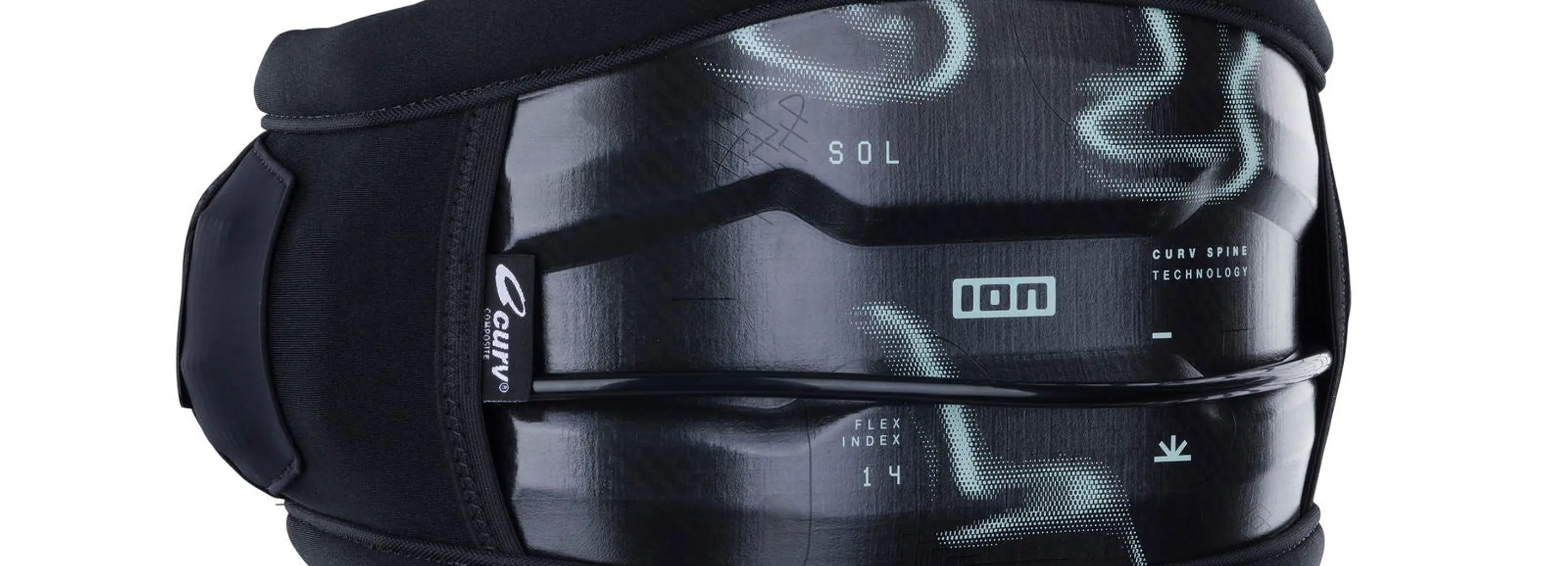
- Invest in a warmth system early -- Wetsuits are non-negotiable. Tarifa winter requires 5mm; Dakhla year-round is 3mm. Brands like ION offer entry-level suits (€120-180) that don't break the budget but protect your core so you can focus on learning.
- Rent before you buy -- Your first 10-20 hours should use school rental gear. Once you know your preferred kite size and board style, buy quality equipment that will last years rather than cheap stuff that falls apart.
- Plan 7-10 days minimum -- Learning takes 5-15 hours of water time across multiple sessions. Bad-weather days are inevitable, so build buffer time into your trip to avoid cutting your course short.
- Travel off-season for fewer crowds -- Spring (March-May) and autumn (September-November) offer better wind than peak summer at European lakes, and beaches are less crowded, giving you more space and instructor attention.
Common Mistakes
Self-teaching in variable conditions often leads to kite crashes and lost confidence. Side-shore wind drift also pulls you downwind quickly, forcing constant repositioning. A certified school teaches you to read wind windows and manage drift safely.
Warm water is pleasant but irrelevant if wind is inconsistent. Tarifa's chilly 8°C winter water is still the world's best classroom because you can rely on 15+ knots any day. Pair warmth with wind reliability, not vice versa.
Poor-quality rental equipment (torn canopy, sluggish bar response, frayed lines) makes learning harder and feels unsafe. Always ask schools about their maintenance schedule. Premium rental fleets (Cabrinha or Duotone gear at established schools) cost slightly more but prevent frustration.
The chicken loop, quick-release, and bar safety systems are your lifelines. Spending 20 minutes learning to disconnect cleanly in an emergency is not optional--it's the foundation of safe progression.
Surf Store Recommendation
For your first trip to any European kitesurfing spot, rent your kite and board through the school--do not travel with your own gear. Once you've completed your course and identified your preferred kite size and riding style, return home and buy quality equipment that will last. If you're planning a longer season (2-3 months across multiple spots), bringing a personal wetsuit is wise. A mid-range entry suit from ION (€120-180) keeps you warm and protects your skin across all European water temperatures, and you'll know the fit is perfect.
For your first kite purchase after learning, choose a all-around freeride model like the Duotone Dice SLS 2026 or Cabrinha Nitro Apex 2026. These are forgiving, responsive, and suitable for learning tricks and freestyle once you've mastered basic riding. They're in the €900-1,400 range and will serve you well for 2-3 seasons of regular riding. Avoid overly technical competition kites or ultra-light freestyle designs until you've logged 50+ hours and feel confident in variable conditions.
Ready to Gear Up for Your Learning Trip?
We stock wetsuits and protective gear from ION and other trusted brands. Once you've learned, upgrade to a premium kite from Duotone or Cabrinha. Expert advice, authorised stock, ships across Europe within 24h.