Cabrinha Switchblade vs Moto 2026 — Which to Buy?
Cabrinha's Switchblade and Moto are built for different riders and conditions. We'll break down which kite matches your style, your wind, and your budget.
The Switchblade Apex 2026 is more forgiving and versatile across 10–24 knots — pick it for progression and lighter winds. The Moto X demands stronger wind (12–28 knots) and rewards advanced riders with snappier turns and direct bar feel. Both are premium kites; choose based on your local wind window and whether you prioritize all-round ease or aggressive performance.
01 — VersatilityThe Switchblade: Freestyle Forgiveness and Light-Wind Prowess
The Switchblade Apex 2026 is Cabrinha's refined all-rounder. Its Apex foil design delivers excellent depower range and relaunch ease — crucial if you're learning tricks or riding variable wind. We've shipped these since 2025, and riders consistently praise the smooth, intuitive bar feel. You won't fight the kite; it talks back gently.
Wind range is 10–24 knots with a wide sweet spot around 14–18 knots. That matters if you ride somewhere like Tarifa or Cabarete where wind swings hard. Light-wind sessions stay forgiving. In 10–12 knots, the Switchblade holds angle better than its competitors. Progressive riders love it because mistakes don't punish you.
02 — PerformanceThe Moto: Wave Weapons for Strong Wind
The Moto X Design Works lives at 12–28 knots and thrives when it's windy. Its design is direct and responsive — less forgiving than the Switchblade, but that's the trade-off. Advanced riders get snappier turns, faster edge-to-edge transitions, and a connected feel that rewards precision. In waves or strong thermal wind, the Moto rewards commitment.
Depower is good but narrower than the Switchblade. You'll need to size down earlier as wind builds. If you're riding Cape Town in summer or anywhere 18+ knots is routine, the Moto suits your conditions. Bar feel is direct and connected — no lag, no forgiveness, just input and response.
03 — Our picksWhich Size Should You Buy?
Both kites come in 9–17 m² (typical quiver spreads are 9/12 and 12/17 m²). For the Switchblade, pick 12 m² if you're 75–85 kg and ride 12–18 knots regularly. For the Moto, start 11 m² if your wind is consistently 16+ knots. Below is our current Duotone range — not Cabrinha, but the sizing logic applies.
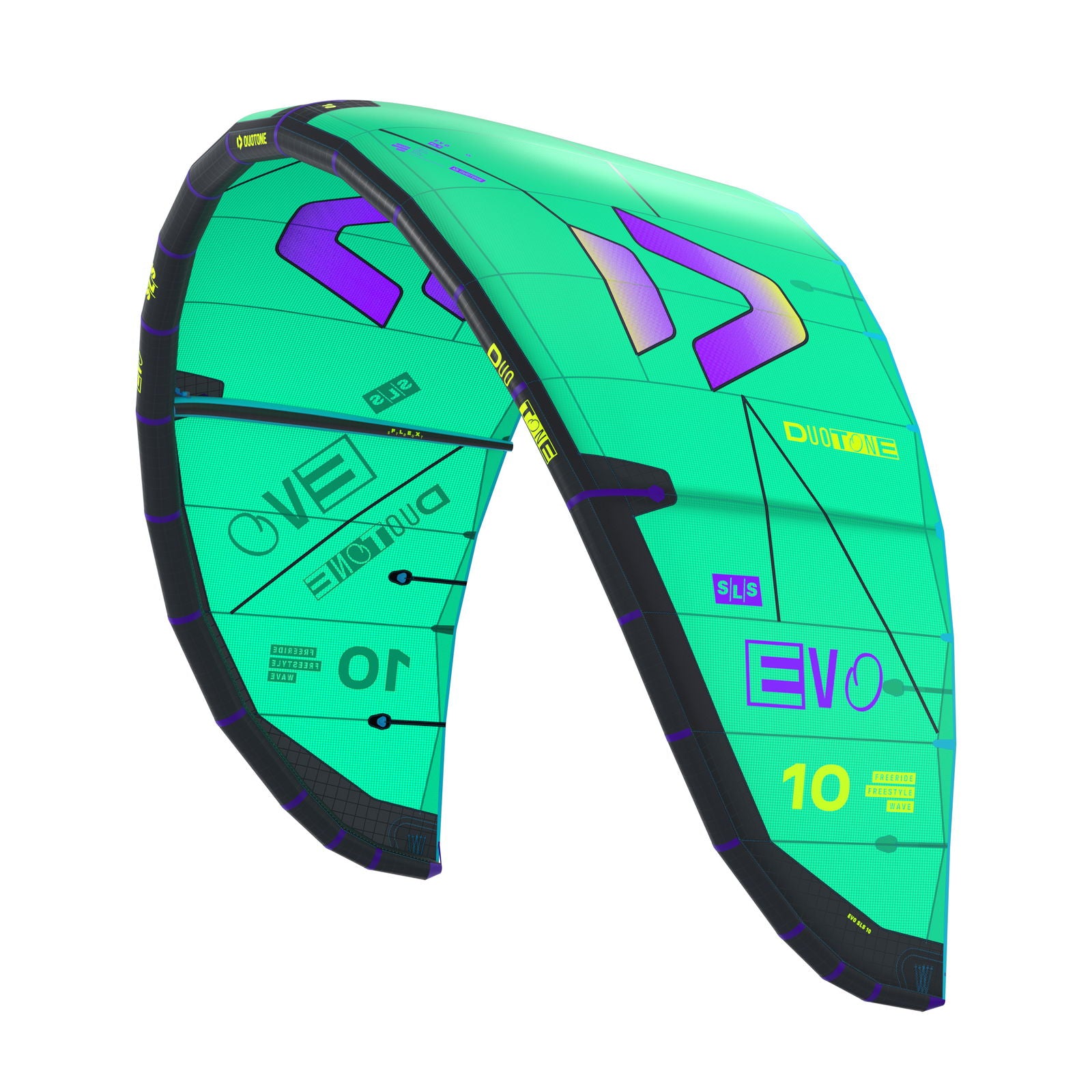
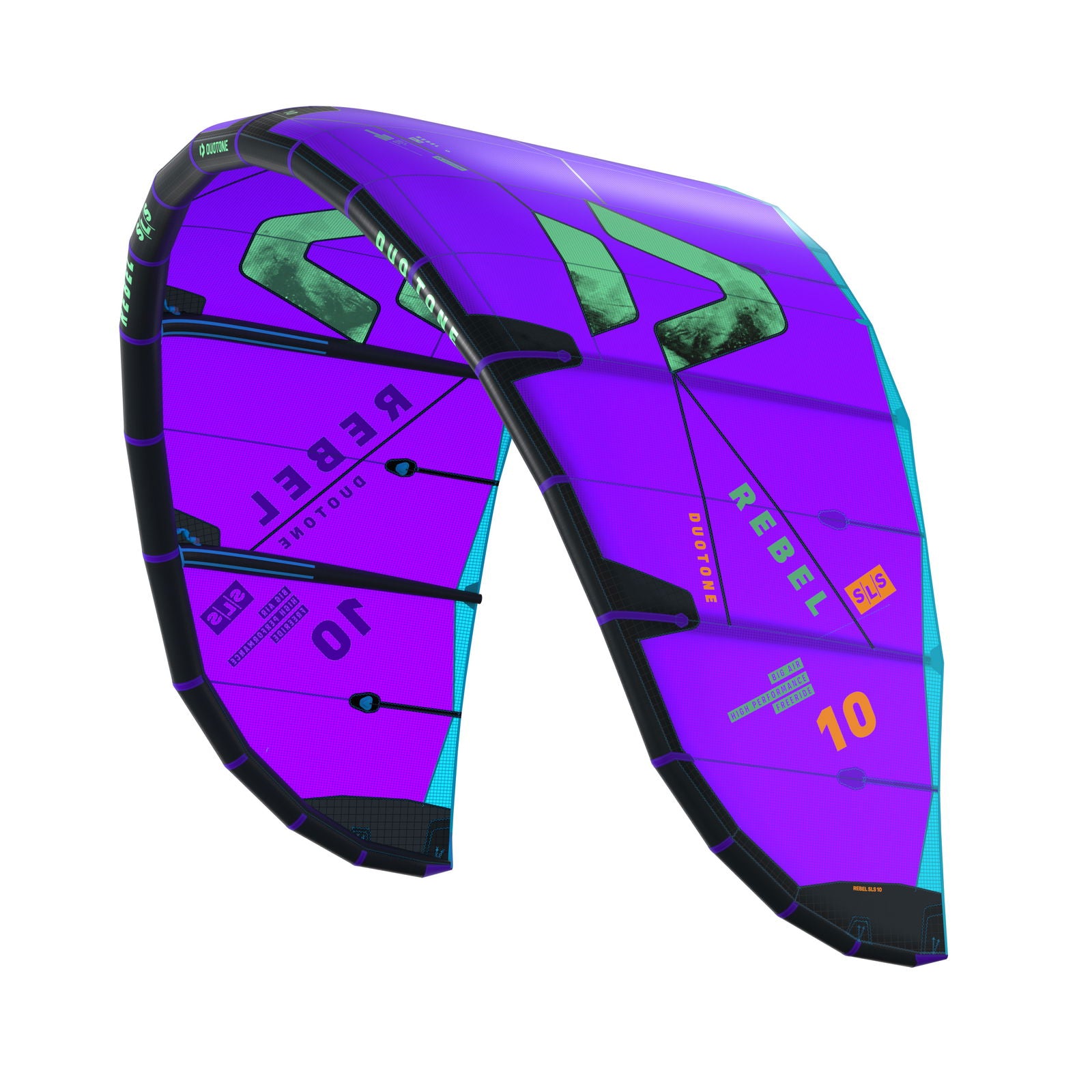
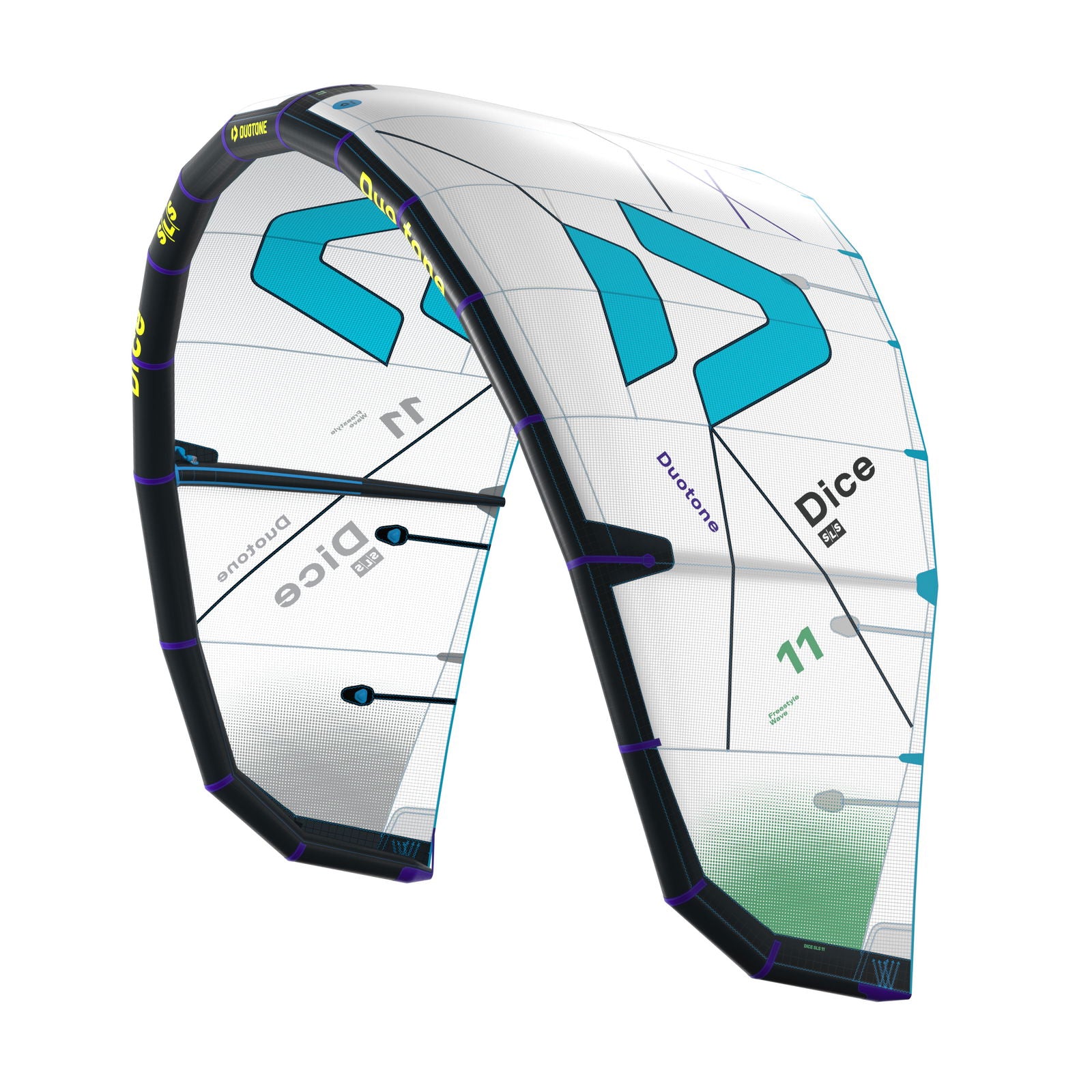
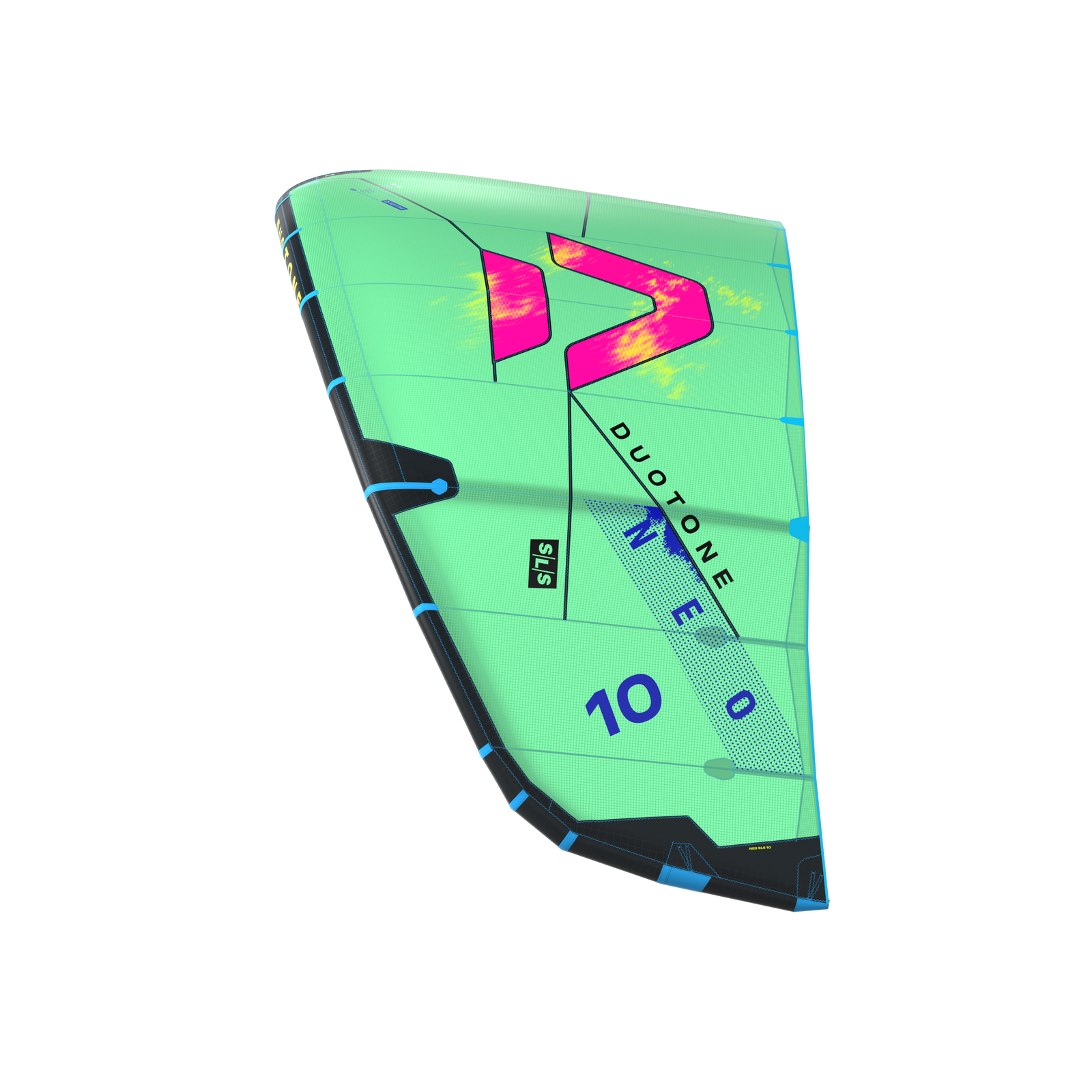
Prices and 2026 specs are pulled live from each product page. Confirm on the product page before checkout.
04 — MistakesThree mistakes we see every week
Ready to pick your kite?
Our kitesurfing kite range includes Cabrinha, Duotone, and Gaastra — browse by size and wind to find your next quiver member.
Frequently asked
Technically yes — fully depowered. But it's not designed for that. The Moto handles sustained strong wind better. If your wind regularly exceeds 24 knots, consider the Moto instead.
Yes. Relaunch is easier, depower range is wider, and bar feel is more forgiving during mistakes. The Moto demands cleaner technique.
Both are premium kites in similar price brackets. Check our product pages — year and size affect final cost. Neither is a budget option.
If you ride varied wind, yes — build a quiver. Most riders we talk to keep a 9 and 12 m². For Switchblade, that covers 10–22 knots reliably.