
Can Beginners Windsurf Alone? — Safety & Learning Guide
Short answer: yes, but not immediately. A beginner who's completed 10-20 hours of instruction in light wind (8-12 knots) on a shallow, flat-water bay can safely windsurf alone -- provided they follow strict safety protocols, check conditions beforehand, and stick to familiar spots. The key is knowing your limits and never pushing beyond them when there's no instructor or support nearby.
The Full Answer
Windsurfing alone as a beginner is possible, but it comes with real risk. The sport has three hazard layers: the water (cold, currents, fatigue), the wind (variable, sudden shifts), and the gear (heavy, can trap you). Solo beginners have nobody to call if they get into trouble -- so the safety margin must be much wider than group lessons allow.
Most instructors recommend 15-25 hours of lesson time before going alone. During that time, you'll learn water-exit skills, self-rescue (getting back on the board), reading wind, and recognising your fatigue threshold. Once those are solid habits, not conscious decisions, you've earned the basic competence to manage a simple session by yourself.
The conditions matter enormously. A beginner can handle 10-14 knots of wind on flat water in a bay with good visibility and quick shore access. Add chop, cold water, gusty wind, or offshore breeze, and the risk jumps sharply -- even for intermediate sailors. Solo beginners must be ruthlessly conservative: if conditions look tricky, don't go. If you're tired, call it a day. There's no shame in paddling back in.
Location is your safety net. Always windsurf in a spot where someone can see you (a beach, a lake shore with other users nearby), where water temperature and depth are manageable, and where you've practised before. Never try a new spot alone when you're still learning. And always tell someone where you're going and when you'll be back.
Practical Guide
- Complete structured lessons first -- At least 15 hours with a qualified instructor. This builds muscle memory for water entry, exit, and self-rescue. Don't skip it; it's the foundation of solo safety.
- Start in light, stable wind (8-12 knots) -- Avoid gusty mornings or afternoon sea breezes. Consistent, predictable wind lets you focus on technique rather than survival mode. Download a wind app and check forecasts before every session.
- Pick shallow, flat-water spots with sightlines -- Lakes, lagoons, and bay areas without strong currents or chop are ideal. Avoid exposed open water, reef breaks, or shorelines where rip currents are common. Always windsurf where a rescue boat or lifeguard can reach you quickly.
- Wear a personal flotation device (PFD) or impact vest -- Non-negotiable. It keeps you afloat if you're exhausted, injured, or caught in cold water. A good PFD or impact vest from a brand like ION or Mystic is lightweight and won't hinder your movement.
- Tell someone your plan and check-in time -- Text a friend or family member before you launch: "I'm at [location] until [time]. Call me if I don't text back by [time + 15 mins]." If you don't check in, they raise the alarm.
- Know your exit strategy -- Before you launch, identify where you'll land, which direction is upwind, and how you'll get back if the wind drops or shifts. Have a paddle or flotation device on shore in case you need to swim a board back in.
Common Mistakes
YouTube videos and buddy coaching miss critical safety skills like self-rescue and reading conditions. A professional instructor teaches you to recognise danger before it happens. Without that foundation, going solo is genuinely risky.
Beginners often go when friends are free, not when conditions are safe. Gusty wind, rough water, and poor visibility turn a learning session into an emergency. Always let conditions -- not convenience -- dictate your session.
"I'll be fine" is what people say before they get tired, panic, or get injured. A PFD is your insurance. Cold water, currents, or injury can overwhelm a beginner in seconds. Wear it every time.
New locations have hidden hazards (underwater obstacles, currents, no rescue access). Larger boards feel squirrely when you're learning. Master one safe spot and one board size before experimenting.
Surf Store Recommendation
As a beginner going solo, your first priority is a forgiving beginner board and sail combination that feels stable under your feet. Look for a larger board (75-90 litres) with a wide, flat shape -- they float better, catch waves easier, and recover from mistakes. A sail in the 4.0-5.5 m² range gives you control in light wind without demanding perfect technique.
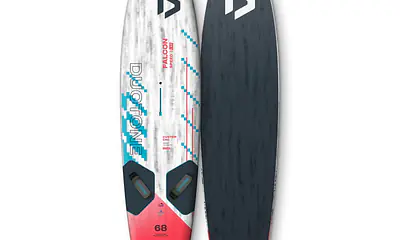
For safety gear, invest in a good impact vest or PFD from ION or Mystic -- these brands make buoyancy aids that are lightweight, don't restrict movement, and keep you afloat in a real emergency. Pair that with a quality beginner board and sail from Duotone or JP Australia, and you'll have the stable, forgiving setup that lets you focus on technique rather than fighting the gear.
A stable, wide platform that forgives mistakes and floats well. Perfect for solo sessions in light-to-moderate wind. Easy to control, hard to tip -- exactly what a confident beginner needs.
A versatile beginner sail with good power in light wind and easy de-power in stronger gusts. Predictable, stable handling that builds confidence for solo sessions.
Ready to Windsurf Safely?
We stock beginner-friendly Duotone boards, sails, and safety gear. Get expert advice before you go solo.