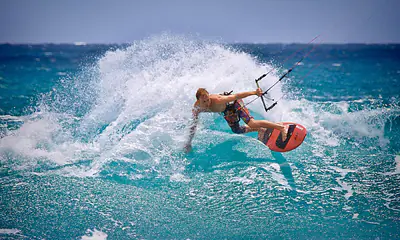
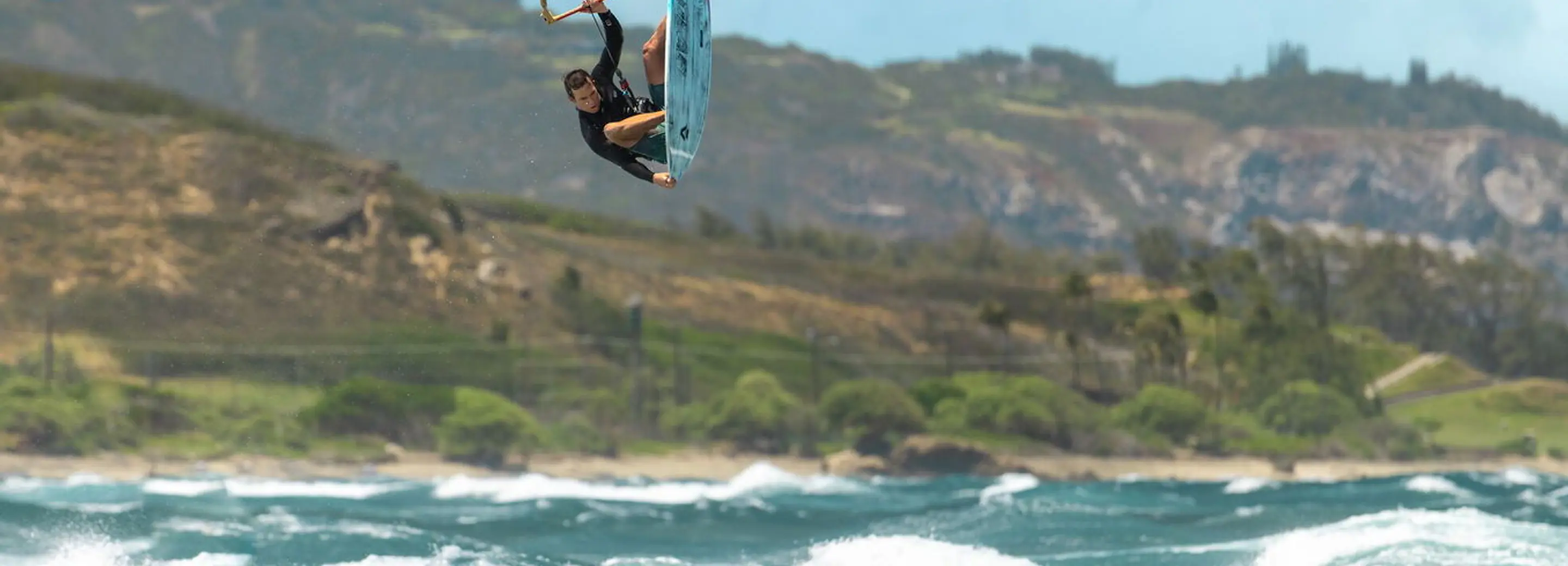
Cross-Shore vs Cross-Onshore Wind — Which Is Better for Kitesurfing?
The difference comes down to wind direction relative to the shoreline. Cross-shore wind blows parallel to the beach--left or right--keeping you at a consistent distance from land. Cross-onshore wind angles toward the shore, pushing you gradually back onto land, which demands active kite management and more skill. Both are rideable, but they feel fundamentally different and require different tactics.
The Full Answer
In kitesurfing, wind direction is everything. Your safety, how your kite responds, and how far you drift all depend on whether the wind is coming parallel to the shore or at an angle toward it.
Cross-shore wind is the gold standard for most riders. It blows left-to-right or right-to-left parallel to the beach. This means as you ride, the wind pushes you sideways along the coast, not toward or away from land. You maintain a relatively constant distance from shore, making it easy to reach the beach when you're tired or want to stop. Your kite stays predictable and responsive because you're always at the same angle to the wind window. Cross-shore conditions are ideal for beginners because they're forgiving--if something goes wrong, the wind won't push you into trouble.
Cross-onshore wind blows at an angle toward the shore, pushing you gradually back toward land as you ride. This creates a narrower, more forgiving wind window because the shore acts as a natural boundary. However, it's more demanding mentally and physically. You must actively steer your kite and manage your position, or you'll end up in the shallows faster than you expect. Cross-onshore is excellent for intermediate and advanced riders who want challenge and precision, but it rewards poor technique with a one-way trip to the beach.
The key difference in your kite's behaviour: in cross-shore wind, your kite has a wide, stable power band. In cross-onshore wind, your kite's sweet spot narrows because the wind angle limits your riding window. You'll need better board control, quicker kite work, and a solid understanding of your kite's depower range. Many riders also prefer a more forgiving kite design when conditions are cross-onshore--something with smooth power delivery rather than edgy response.
Practical Guide
- Check your wind direction before leaving home -- Use a local wind report or your phone's compass to confirm whether the wind is cross-shore or cross-onshore relative to your beach. This single check saves wasted trips.
- In cross-shore conditions, launch further out -- You can ride safely knowing the wind won't push you back to the beach. This gives you room to learn and experiment without constant steering pressure.
- For cross-onshore, choose a bigger kite than usual -- The narrower wind window means less apparent wind strength. Upsize by 1-2 m² to maintain control and prevent lulls from pushing you onto land.
- Master your kite's depower edge in cross-onshore wind -- Being able to dump power instantly is essential when the shore is approaching. Practise your depower technique on land before conditions get tricky.
- Position yourself upwind in cross-onshore sessions -- Launch from the upwind end of your beach, so any drift naturally carries you toward the centre of the beach rather than a crowded or hazardous spot.
- Always have an escape plan -- In cross-onshore conditions, know where you'll drift, whether there are obstacles in the shallows, and have a clear exit strategy if the wind drops or strengthens unexpectedly.
Common Mistakes
Many riders launch into cross-onshore wind with the same relaxed approach they use on calm cross-shore days. The shore creeps up fast, and suddenly they're struggling in the shallows without time to react. Cross-onshore demands active steering and constant awareness.
The wind feels strong because you're angled into it, so riders often choose a smaller kite. Then, when the wind window narrows, they lose power and get pushed to shore helplessly. Upsize instead and use depower.
Cross-onshore drift is predictable--toward the beach. If you haven't checked for rocks, shallow bars, or obstacles before you launch, you'll discover them the hard way. Scout the landing zone beforehand.
A gentle shift from cross-shore to cross-onshore mid-session feels sudden and scary. Stay calm, upsize your kite awareness, and execute a controlled beach landing. Panic kills more sessions than wind ever does.
Choosing the Right Kite for Wind Conditions
Your kite choice matters more in cross-onshore wind because a forgiving, smooth kite will save you from situations where an aggressive design would leave you powerless or out of control. For cross-onshore sessions, we recommend kites with a wide, predictable power curve and strong depower--designs that give you options rather than all-or-nothing performance.
The Evo SLS is the thinking rider's kite--smooth, predictable, and forgiving across a wide wind range. Its gentle arc gives you room to correct mistakes without dramatic power swings, making it ideal for cross-onshore sessions where precision matters. Depower is intuitive and powerful when you need it.
A rock-solid all-rounder that shines in variable conditions. The Switchblade's stable arc and neutral bar feel make it easier to manage in cross-onshore wind without overthinking every gust. Fast turning and responsive to small steering inputs.
If you're riding cross-shore wind frequently, you can afford to be pickier about kite character. But if cross-onshore is in your local forecast, choose a kite that forgives hesitation and rewards smooth technique. Both recommendations above excel in that regard.
Ready to Master Any Wind Direction?
Expert advice, authorised stock, and kites that perform in cross-shore and cross-onshore conditions. Ships across Europe within 24 hours.