Do You Need Insurance for Kitesurfing? — Coverage Guide
Kitesurfing liability insurance isn't legally mandatory in most of Europe, but one accident can cost you tens of thousands. We'll walk you through what's covered, what it costs, and why going uninsured is a gamble we'd never recommend.
You should have kitesurfing liability insurance — it's not legally required in most European countries, but bodily injury claims and property damage can easily exceed €10,000–€100,000. A basic annual policy costs €50–200 and covers you worldwide. If your kite or board injures someone or damages property, you're personally liable without it.
01 — Real RiskWhy Insurance Matters for Kitesurfing
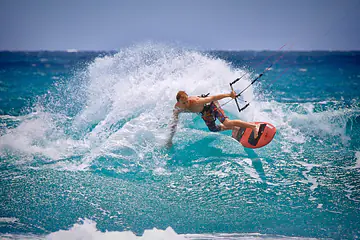
You're flying a kite that generates serious force, often in busy spots near swimmers, boats, and buildings. One bad gust, a lost board, or a miscalculation and someone gets hurt — or worse, your board smashes into a boat or beachfront café. We've shipped kites from Duotone, Cabrinha, and Gaastra to riders across Europe for over 20 years, and we've heard enough stories from our community to know this isn't rare.
A broken arm or concussion from a lost board can run €5,000–€20,000 in medical bills. Property damage — a smashed window, a dented boat — can easily hit €10,000 or more. Without insurance, that's on you. Fully. Your savings, your house, your future earnings. Most riders don't realise how exposed they are until it's too late.
02 — Coverage EssentialsWhat Your Policy Should Cover
A solid kitesurfing liability policy should cover bodily injury (you injure someone), property damage (you damage their stuff), and ideally third-party liability worldwide. Most European insurers offer annual plans from €50–200 that include cover up to €1 million for both. That's more than enough for nearly any scenario.
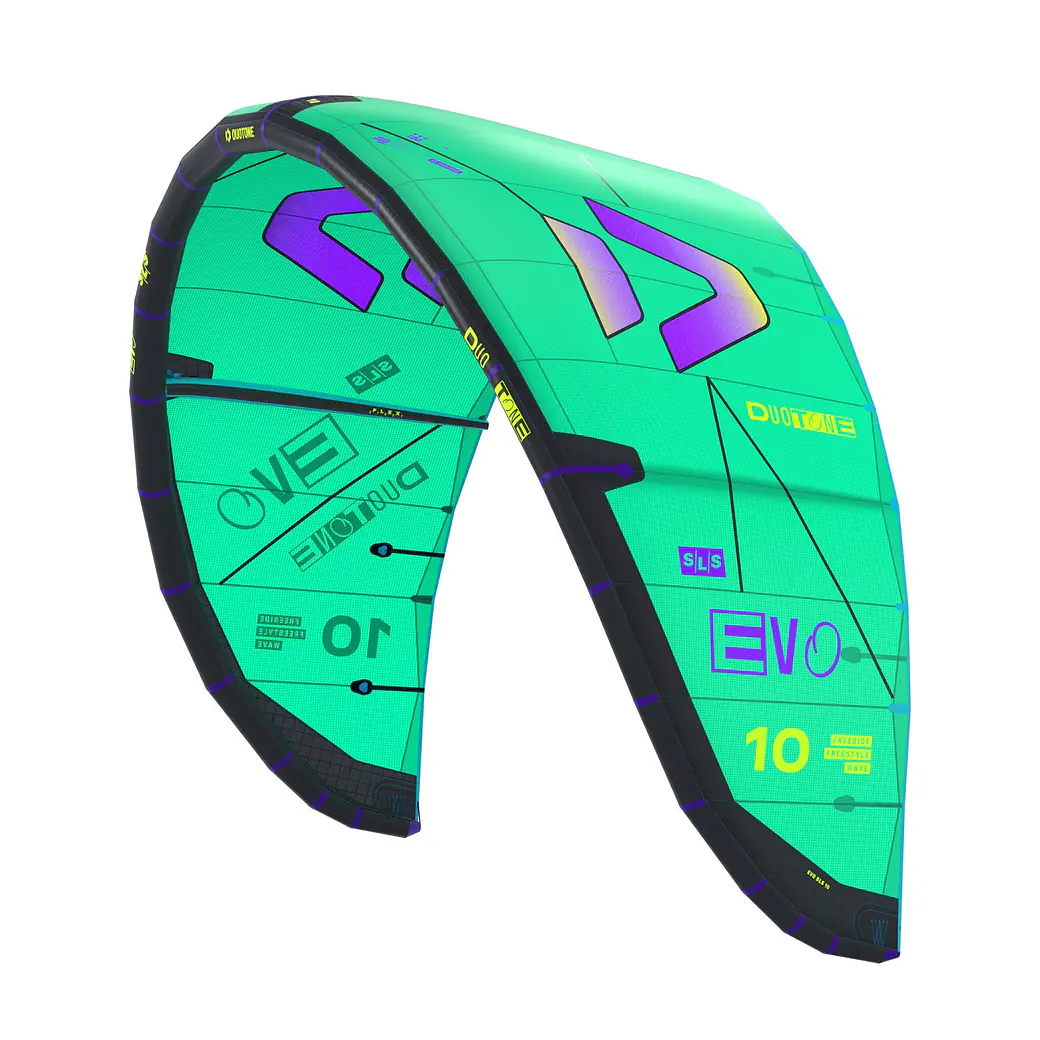
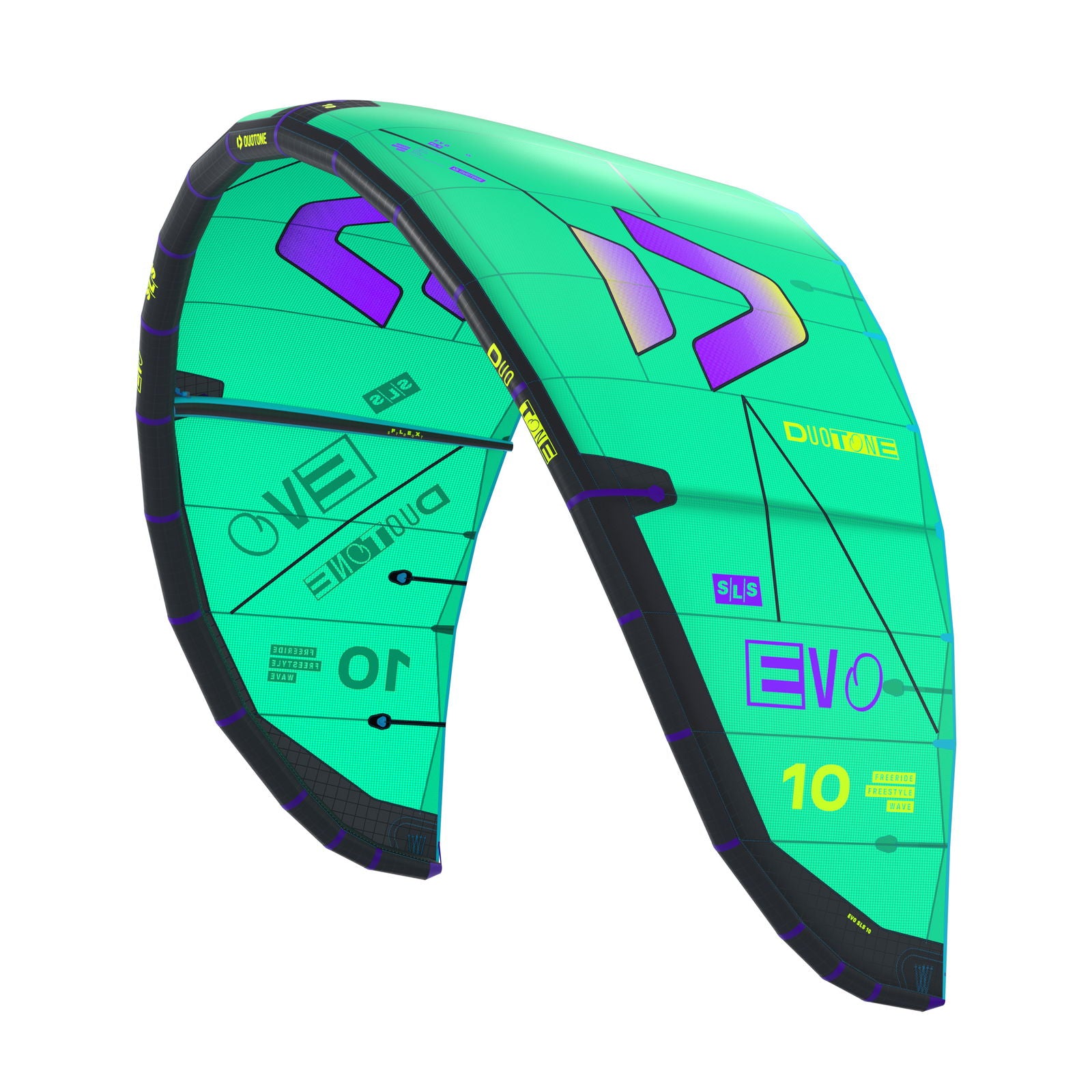
Look for policies that specifically name kitesurfing — not all 'watersports' plans do. Check the small print: some exclude lessons, some exclude night riding. If you're teaching or taking advanced tricks on a Duotone Rebel SLS or Duotone Evo SLS, make sure your policy covers that activity. A few quid extra now saves a fortune later.
03 — Our picksOur 4 In-Stock Kites
Whether you're riding a 9 m² for light wind or stepping up to a 12 m² in stronger conditions, your kite — and the damage it can do — is worth protecting. Here are the models we stock right now.
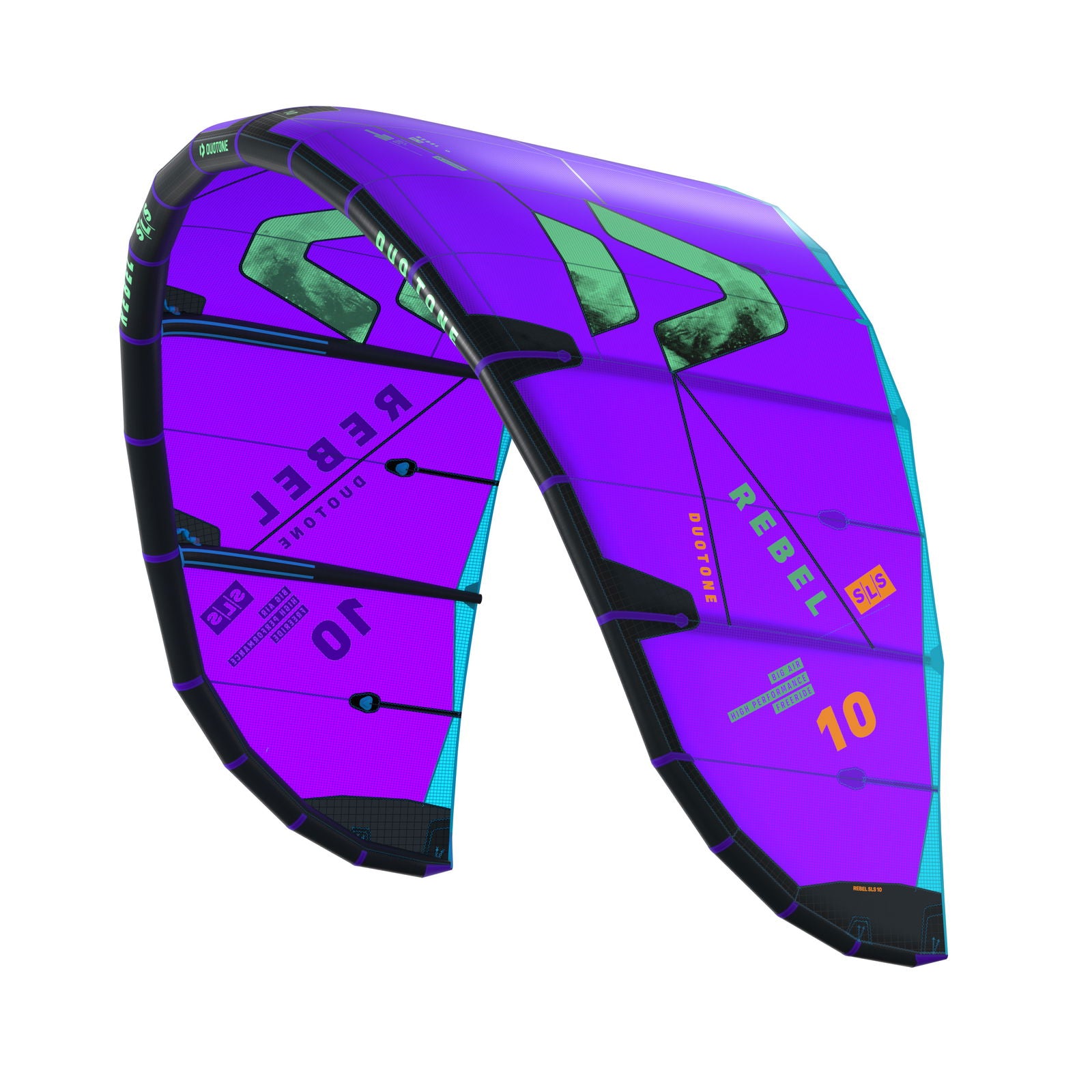
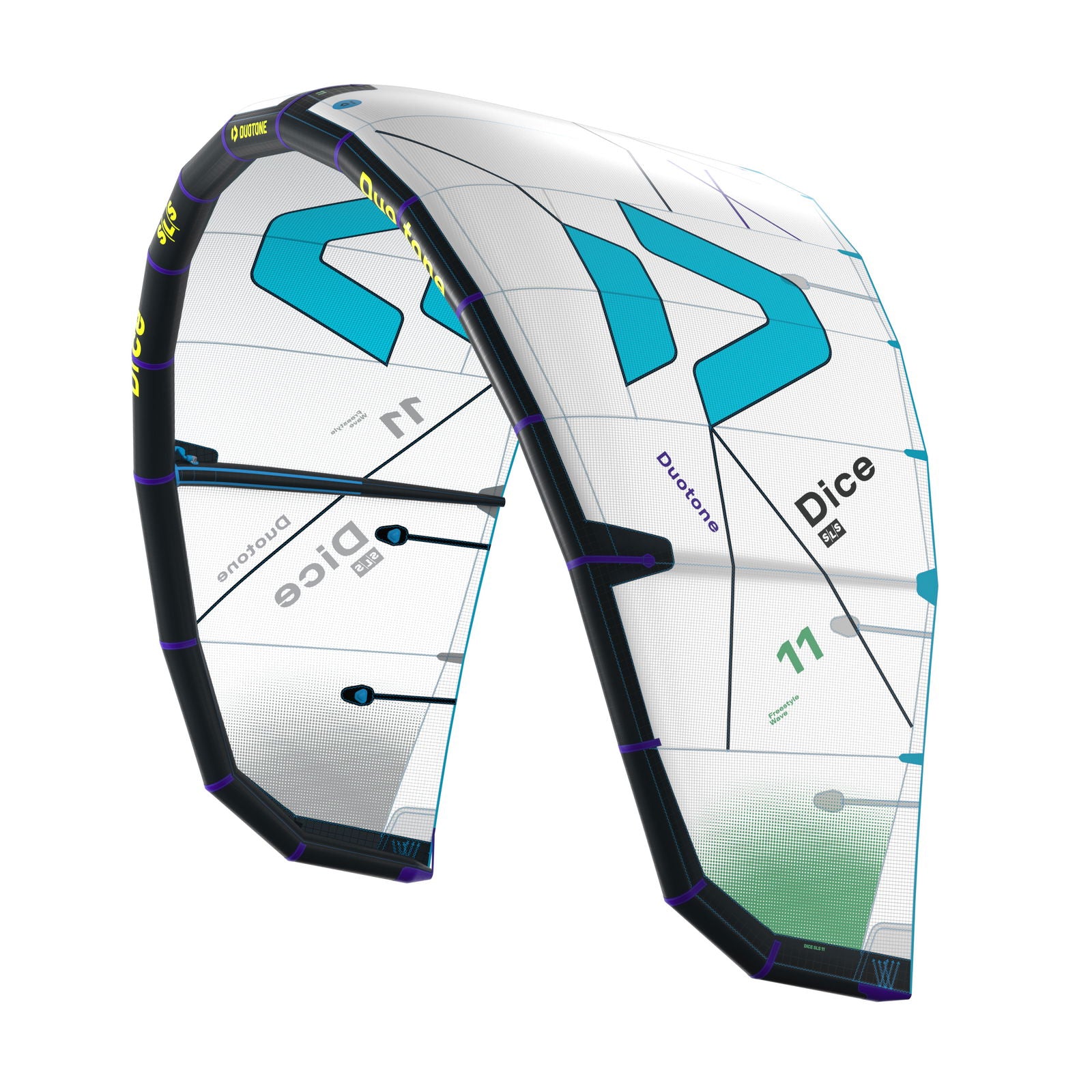
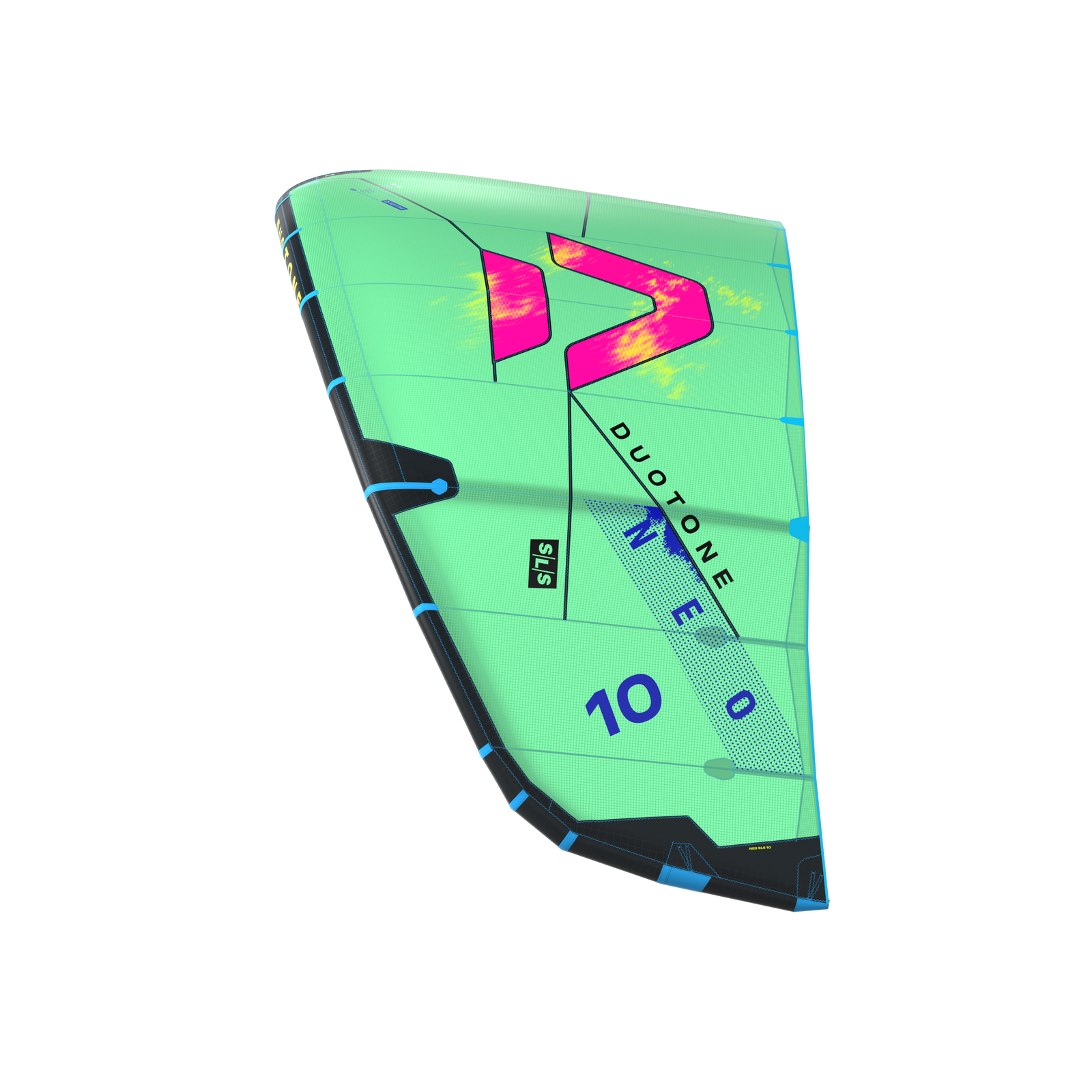
Prices and 2026 specs are pulled live from each product page. Confirm on the product page before checkout.
04 — MistakesThree mistakes we see every week
Ready to ride with peace of mind?
Browse our full range of Duotone, Cabrinha, and Gaastra kites in 7–12 m² sizes, built to perform in any condition you'll face.
Frequently asked
No — it's not mandatory in most European countries. But if you injure someone or damage property, you're personally liable for all costs. Insurance protects your wallet and your future.
Some home policies include watersports liability, and a few travel plans do too. Check your paperwork first — if it covers kitesurfing, you might already be sorted.
€50–200 per year for standard cover (up to €1 million liability). That's less than a single descent into a good kite. Worth it.
Not usually. Insurers care about the activity (kitesurfing), not the gear. A 12 m² Duotone costs the same to insure as any other 12 m² kite.