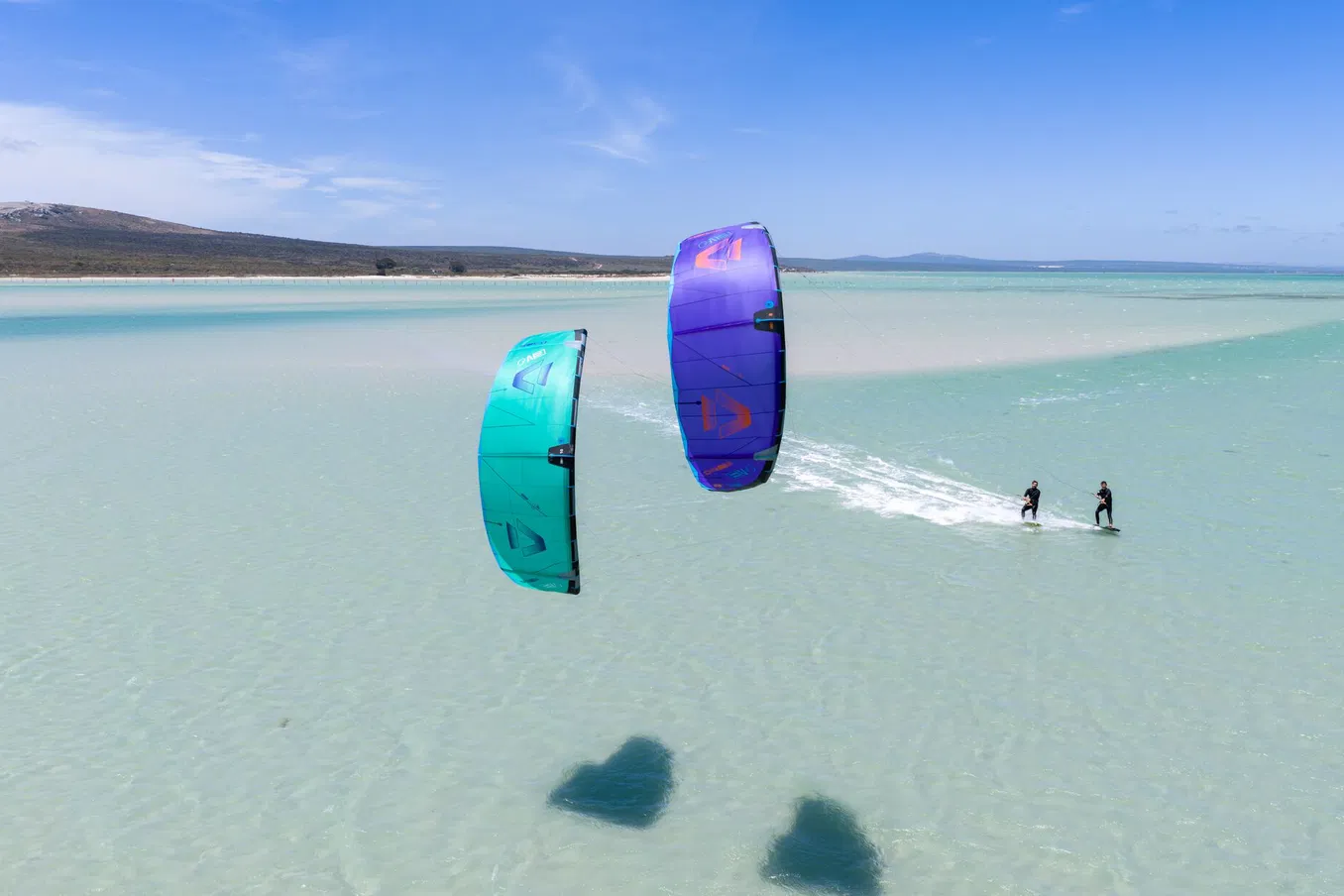
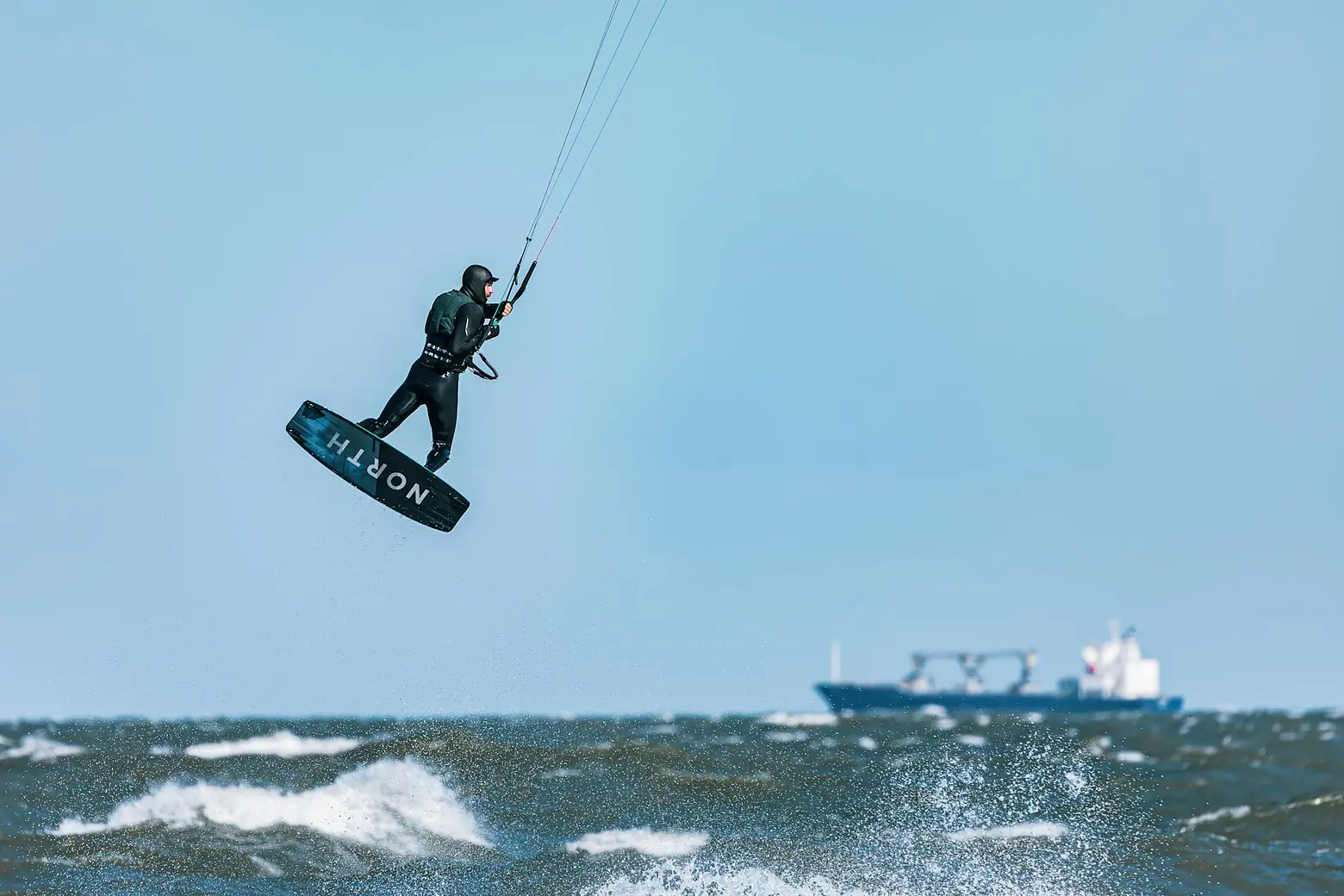
Duotone Evo SLS vs Rebel SLS 2026 — Freeride vs Wave Kite
The Duotone Evo SLS and Rebel SLS 2026 are both brilliant kites—but they're built for different missions. We'll show you which one fits your riding style, conditions, and what you actually want from your session.
The Evo SLS is your freeride workhorse: forgiving, stable, and excellent in light wind. The Rebel SLS is a wave-specialist with snappy handling and explosive pop for tight turns and relaunch. Pick Evo if you ride everything; pick Rebel if waves are your home.
01 — Freeride FreedomEvo SLS: The All-Rounder
The Duotone Evo SLS 2026 is the kite you buy when you want one quiver member that actually works everywhere. Flat water, light wind, variable gusts—it doesn't care. The SLS construction gives you predictable, smooth handling without drama. You're not fighting the kite; it's working with you.
In 10–14 knot light wind, the Evo stays powered longer than most. Jump on a 12 m² and you'll feel the difference across your whole session. The kite sits high in the window, gives you loads of hangtime, and forgives sloppy bar technique. Riders from the Baltic to the Med tell us the Evo is their go-to when conditions are messy and they just want to ride.
02 — Wave MasteryRebel SLS: The Wave Weapon
The Duotone Rebel SLS 2026 is purpose-built for waves. It's snappier, more responsive, and feeds you instant feedback through the bar. You'll feel every inch of the window. The kite delivers explosive pop for hard carves and tight turns, and it'll relaunch from the water without faffing about.
Wave riders love the Rebel because it stays out of your way when you're in the pocket. No lag, no overshooting—just locked-in control. You'll want a 9 m² or 12 m² depending on your home break's wind range. If your local spot runs 15–25 knots and waves are your mission, the Rebel is the smarter pick than the Evo.
03 — Our picksOur 4 In-Stock Picks
We've stocked Duotone kites since we opened in 2003. Here's what we'd grab for different riders and conditions.
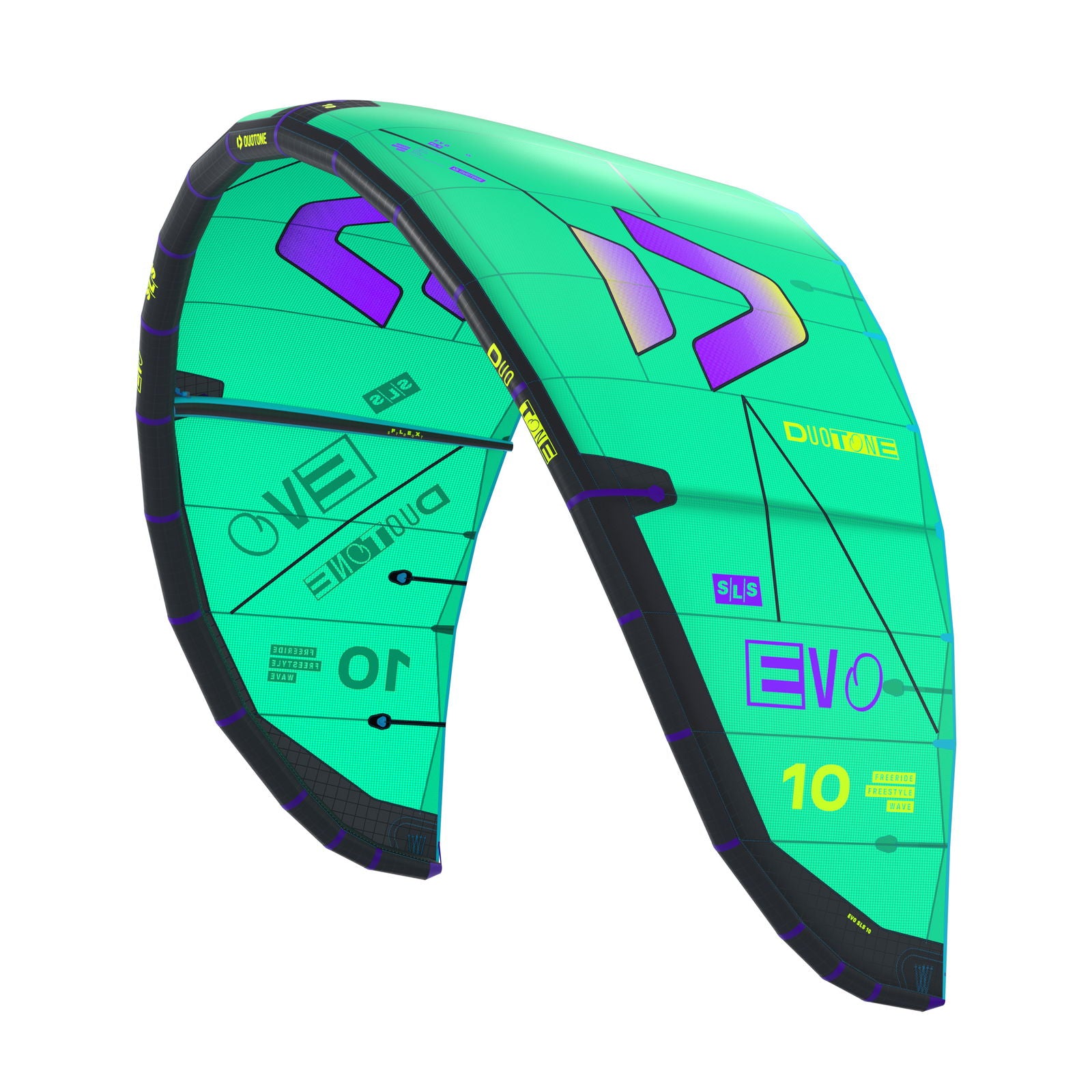
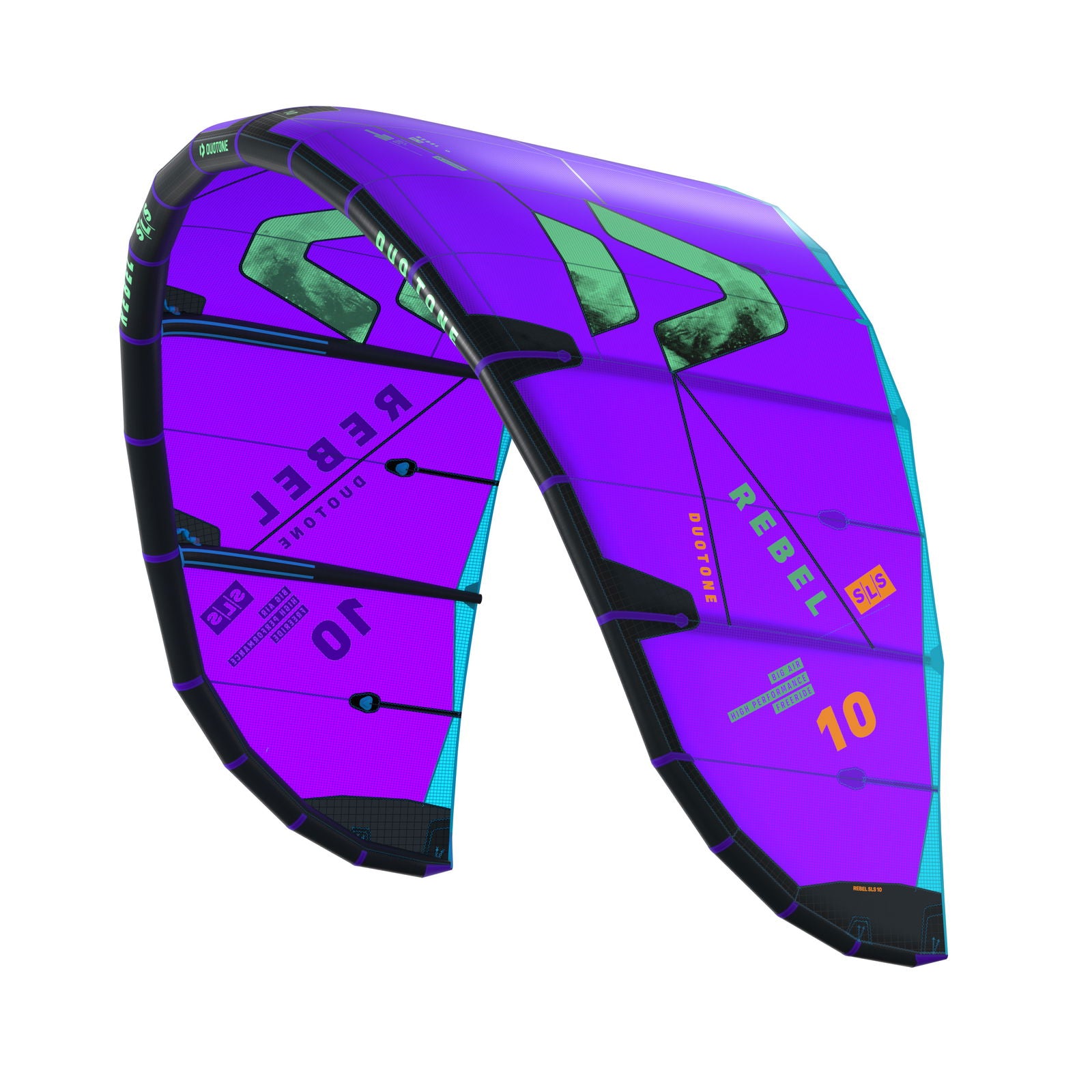
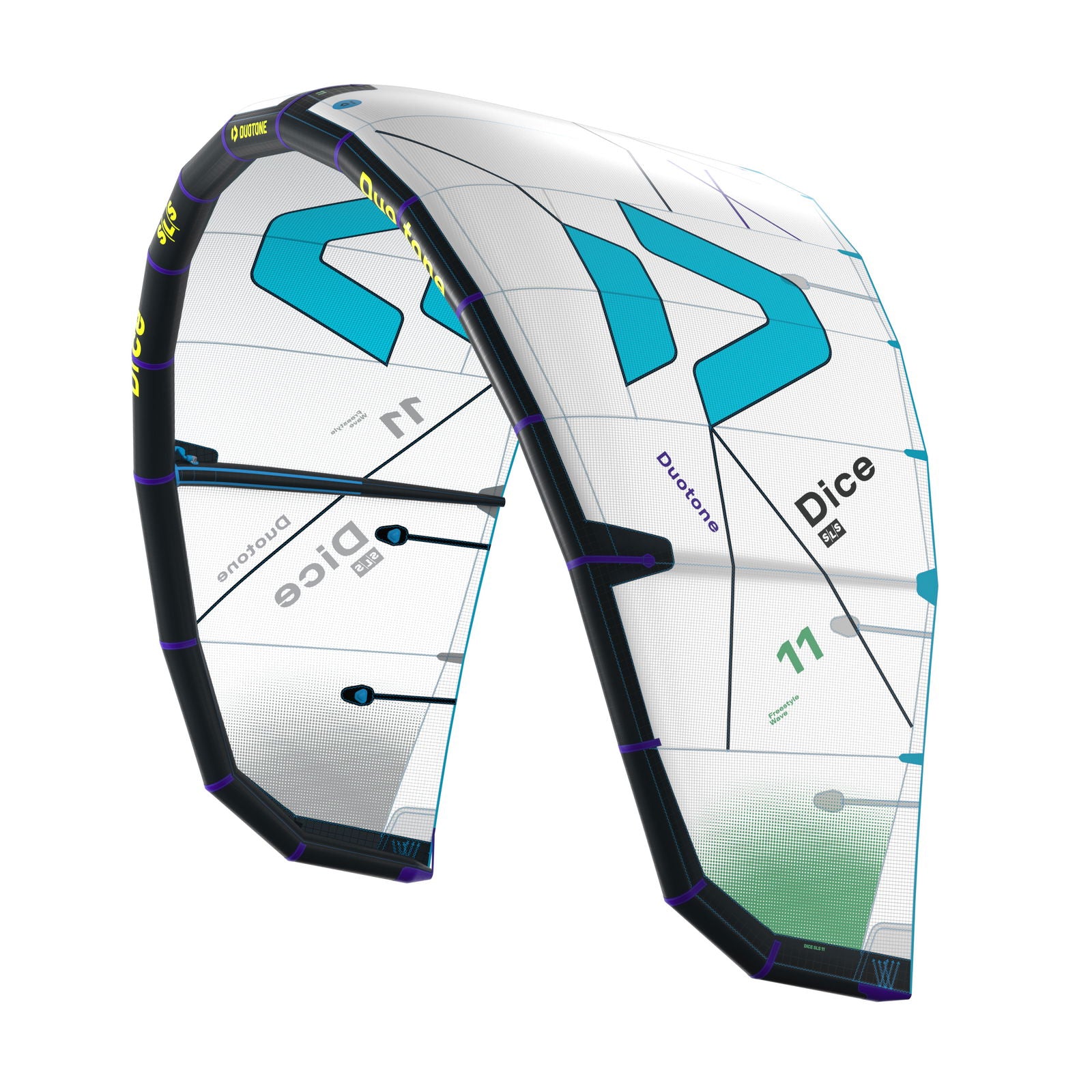
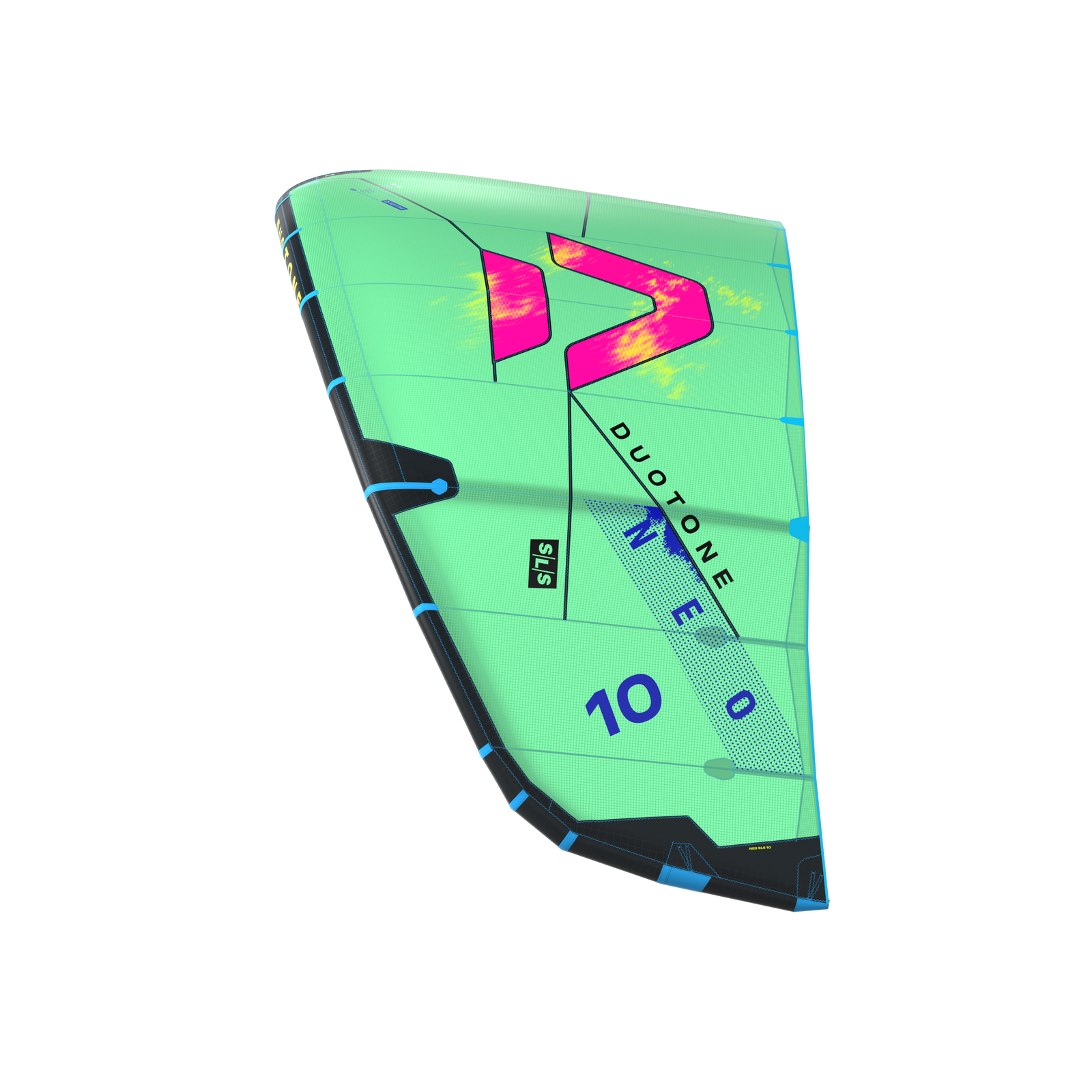
Prices and 2026 specs are pulled live from each product page. Confirm on the product page before checkout.
04 — MistakesThree mistakes we see every week
Ready to pick your next Duotone?
Browse our full Duotone kite range and find the right size and model for your sessions.
Frequently asked
Neither—beginners need a forgiving, stable kite in 12–20 knots. Start with a 9 m² or 12 m² in a true freeride model. Both Evo and Rebel are intermediate-to-advanced kites.
Evo: 9 m² for 15–25 knots, 12 m² for 10–20 knots, 14 m² for light wind. Rebel: 9 m² for 18–28 knots, 12 m² for 14–24 knots. Pick based on your average wind and weight.
Yes, but it's overkill. The Rebel is sharper and more demanding than the Evo in flat water. If you're not chasing waves, the Evo will feel more playful and forgiving.
If your wind range is tight (e.g., always 15–22 knots), one kite works. If it swings from 10 to 28 knots, you'll want two sizes. We've shipped thousands of quivers since 2003—most riders end up buying a second kite within a season.