Duotone Unit SLS 2026 — Windsurf Sail Review
The 2026 Duotone Unit SLS refines what was already a standout freewave sail—sharper batten response, a wider size range down to 4.0 m², and a fuller lower profile that pulls harder in light wind. We'll walk you through what's changed and whether it's the upgrade you've been waiting for.
The Unit SLS is a freewave sail built on Duotone's SLS moulding technology, designed for the 12–25 knot range with responsive handling and predictable power. The 2026 version tightens batten feedback, adds a 4.0 m² size for light-wind riders, and deepens the lower sail belly for earlier drive. Pick it if you're an intermediate stepping up to freewave and want control without constant trimming.
01 — RefinementWhat Changed in 2026
Duotone didn't reinvent the wheel here—they tightened it. The batten curves are stiffer but more responsive to luff pressure, which means you get quicker feedback when the wind picks up or drops. That sounds small, but it cuts the amount of micro-trimming you'll do on the water.
The bigger move is the new 4.0 m² size. Before, the smallest Unit SLS was 4.5 m², which left light-wind days (12–16 knots) a bit sluggish. Now you've got an option that actually accelerates in those marginal sessions without feeling under-powered when a gust hits. The lower profile is also fuller—more belly in the foot and lower battens—so you'll find power earlier in the gust cycle.
02 — Rider fitWho Should Buy This Sail
You're the sweet spot if you're an intermediate rider moving from freeride into waves or gusty offshore conditions. You've got basic wave technique, you're not panicked by 20-knot gusts, and you want a sail that rewards clean technique without punishing loose trim. The Unit SLS wants you to be active on the boom—not lazy—but it won't go into meltdown if you miss a trim mark.
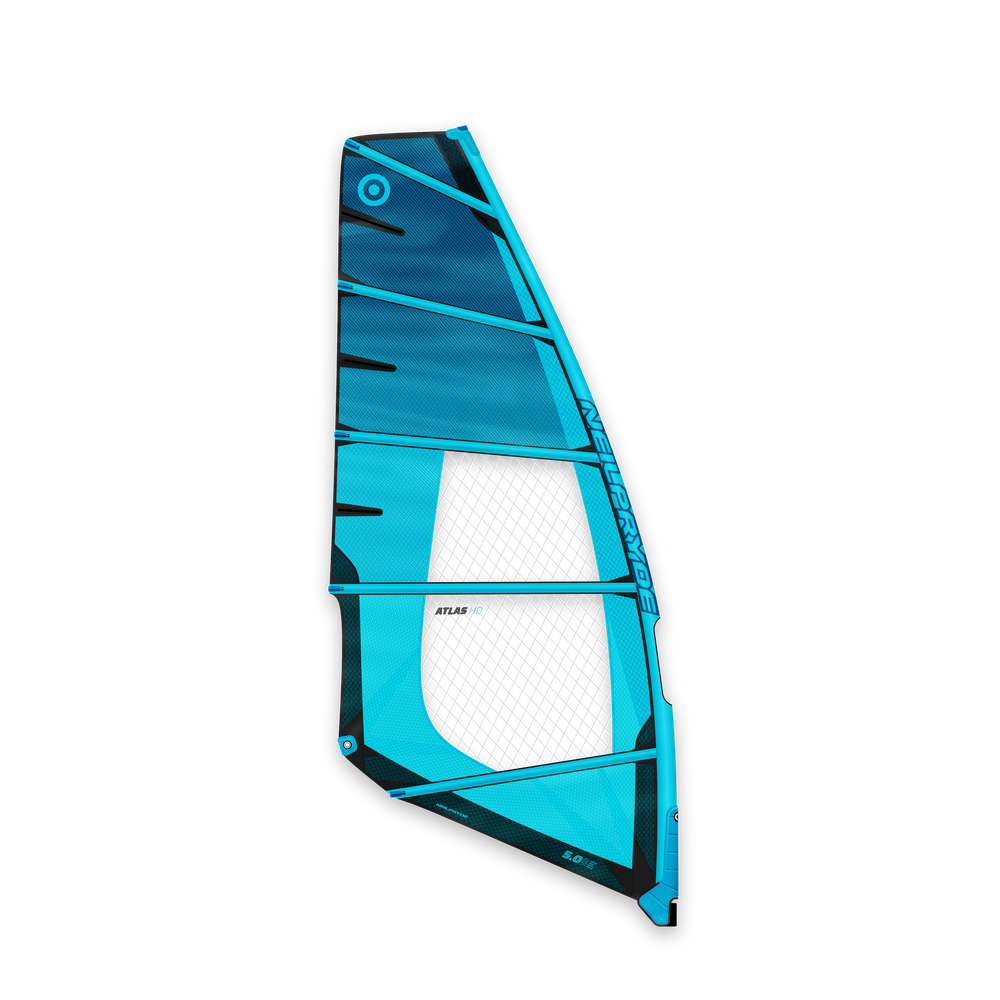
Skip this if you're still learning the basics or if you're chasing flat-water speed. If you're a beginner, grab something more forgiving like the Neilpryde Atlas HD 2025. If you're racing, the Neilpryde Racing Evo XVI 2025 is sharper.
03 — Our picksOur 4 In-Stock Picks
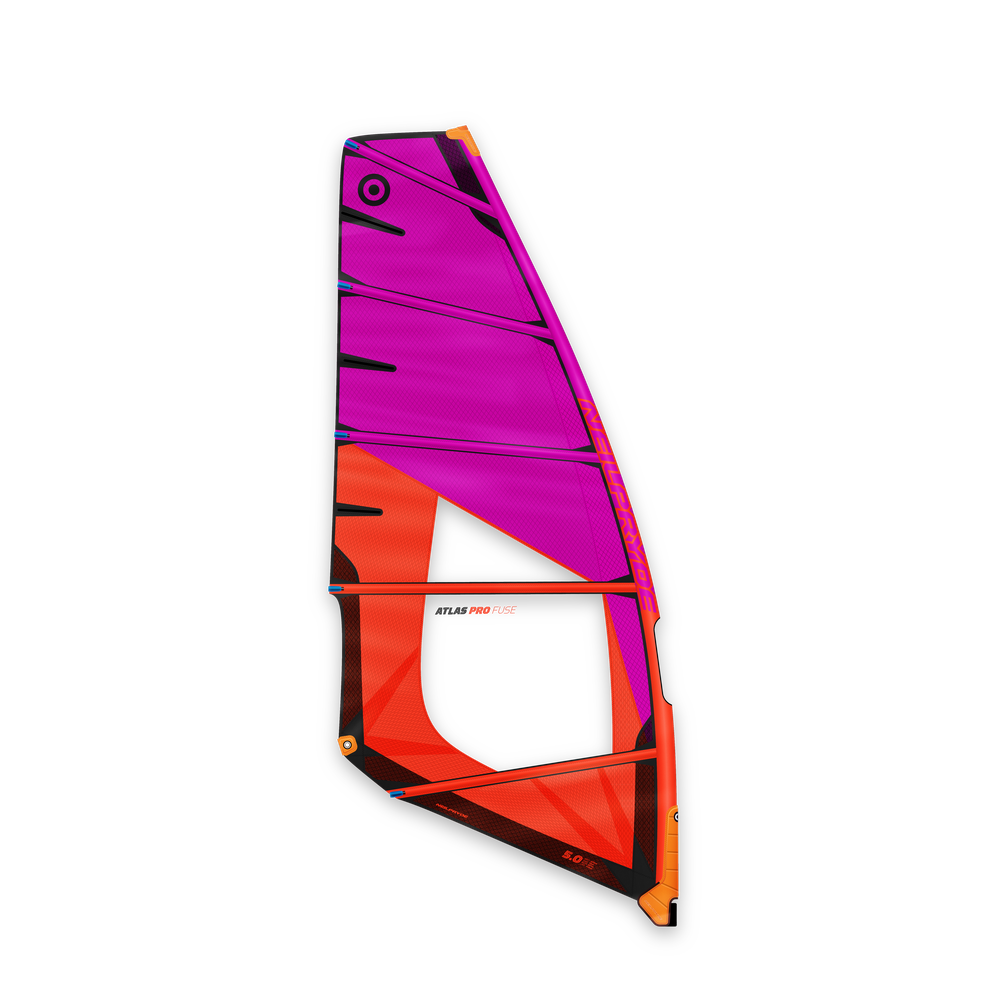
We stock a tight quiver of freewave and all-round sails. Here are the four we'd compare head-to-head with the Unit SLS depending on your wind and budget.
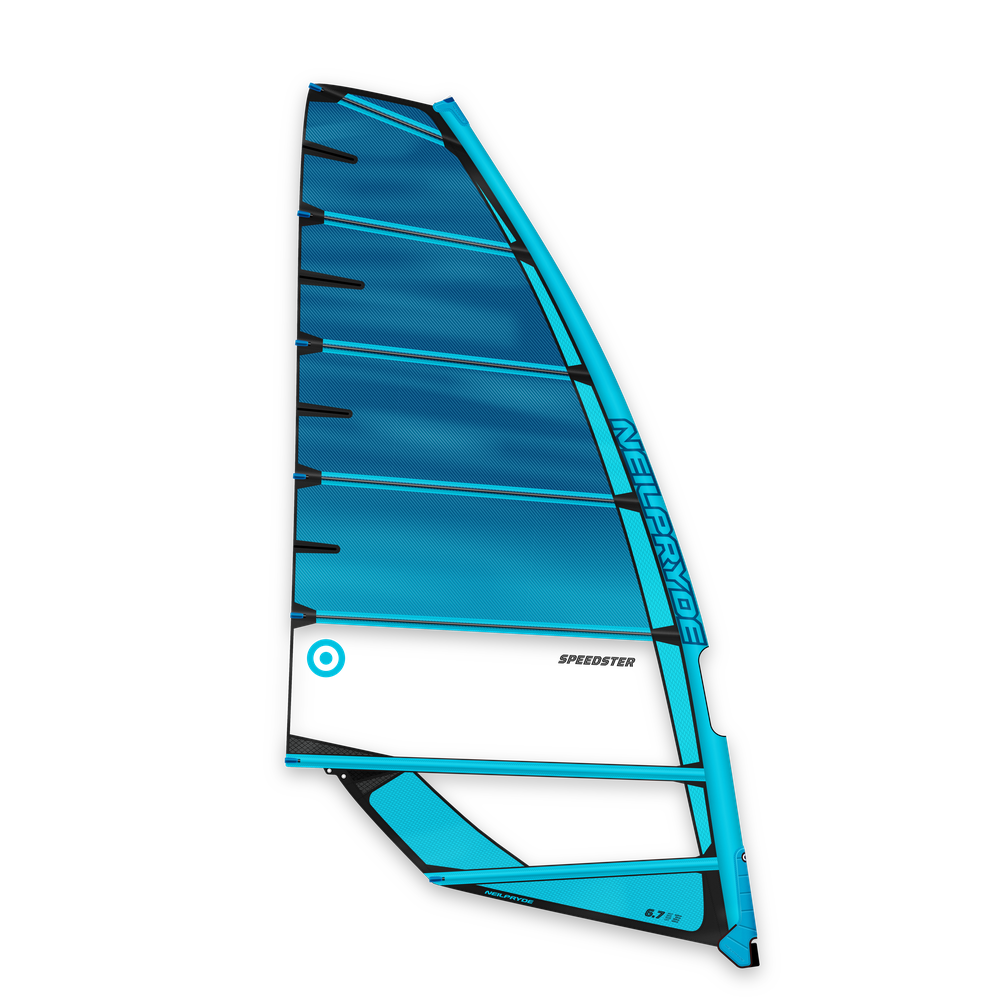
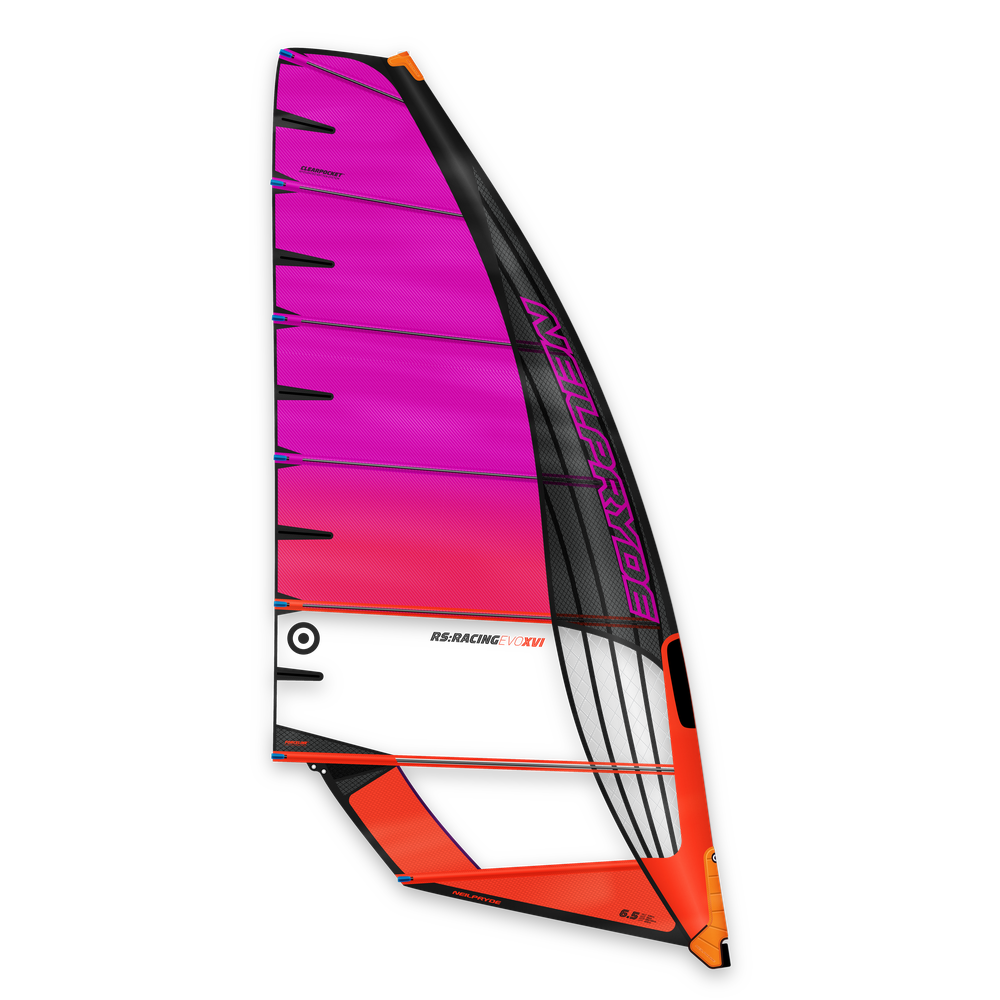
Prices and 2026 specs are pulled live from each product page. Confirm on the product page before checkout.
04 — MistakesThree mistakes we see every week
Ready to upgrade your freewave game?
Browse our full windsurf sail range—everything from beginner-friendly to high-performance race sails.
Frequently asked
No. Freewave sails are built for wave conditions and gusty wind. For freestyle, you want a pure freeride sail with more stability and forgiveness.
Check the product page for Duotone's recommended specs—usually a 370–400 IMCS freewave mast. Oversized or undersized masts kill the batten response.
The Speedster is faster and lighter in stronger wind (18–30 knots), but the Unit SLS is softer and more playful in light-to-medium conditions (12–20 knots).
Technically, yes—if you're riding the 4.5 m² or 5.0 m² and you're heavy. But the sail's sweet spot is 12–25 knots. Above 28 knots, you'll want a smaller, tougher sail.