Freeride vs Race Windsurf Sail 2026 — Key Differences
Freeride and race sails look similar but feel completely different on the water. We've stocked both for 20+ years, and the choice comes down to how you ride: chasing speed or chasing fun.
Freeride sails deliver instant power across a wide wind range (10–25 knots in one sail), forgiving handling, and natural movement for tricks. Race sails prioritize upwind efficiency and consistent speed in narrow wind bands—they demand technique but reward precision sailors. Pick freeride if you want versatility and fun; pick race if you're chasing competition times on flat venues.
01 — Feel on the waterPower Delivery: Freeride Wins the Grunt Test
Freeride sails open their power window early and stay forgiving across a wide wind band. You sheet in, you get drive—no delay, no tippy moments. That's because freeride designs use fuller battens and a deeper draft to build boost across your whole hand, not just the upper leech.
Race sails do the opposite: they're cut flatter and tighter, designed to deliver peak power in a narrow wind sweet spot (say, 14–18 knots). Outside that window they feel twitchy or underpowered. But inside it? They're locked and efficient. Every movement matters.
Our buyer Marko rides a Neilpryde Atlas HD in 5.5 m² for freeride cruising at our local Bay, and a Neilpryde Racing Evo XVI in 6.5 m² for Thursday-night fleet racing. Same guy, two completely different sails.
02 — Versatility trade-offWind Range: One Sail vs. the Quiver
One freeride sail (say, 6.5 m²) will carry you from 12 knots to 22 knots without swapping. That's real convenience. You walk to the beach, rig once, and you're done for the session. Race sailors? They're grabbing three sails minimum: a 7.0 m² for light air, a 5.5 m² for the money wind, a 4.5 m² for the punch.
The payoff: a race sail at 16 knots (your fleet's favoured condition) will outpoint a freeride sail every time. But you're building a bigger quiver and managing more canvas. That's cost, weight, and logistics.
03 — Our picksOur 4 In-Stock Picks
We've picked two freeride and two race sails from our current Neilpryde lineup to cover most rider weights and conditions below. Each one's built for a specific job.
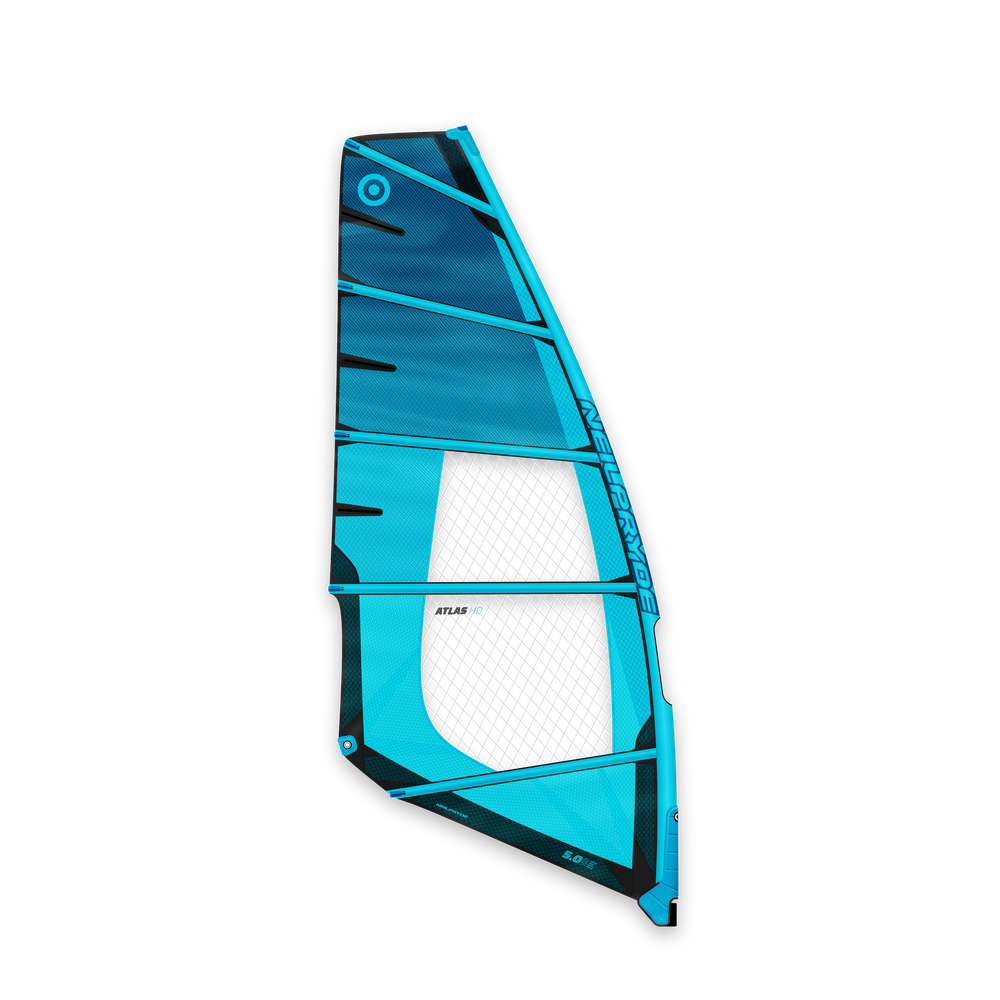
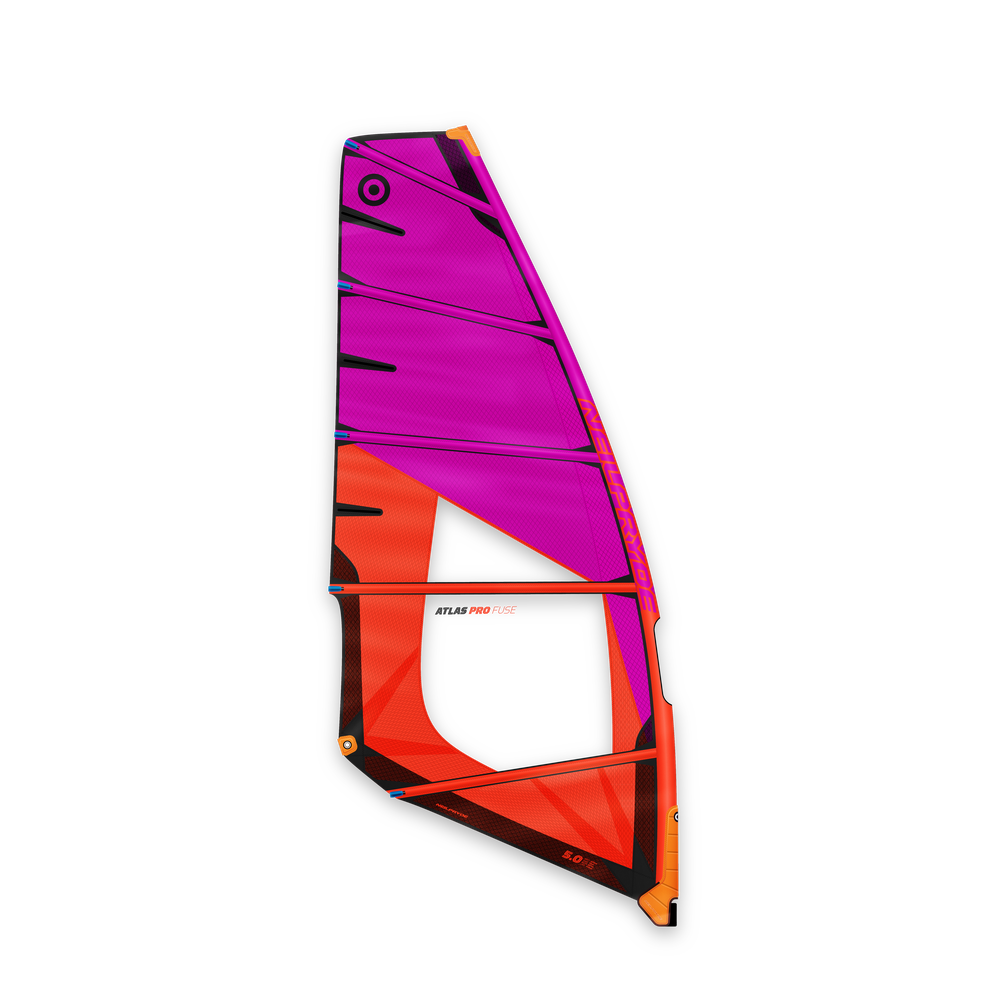
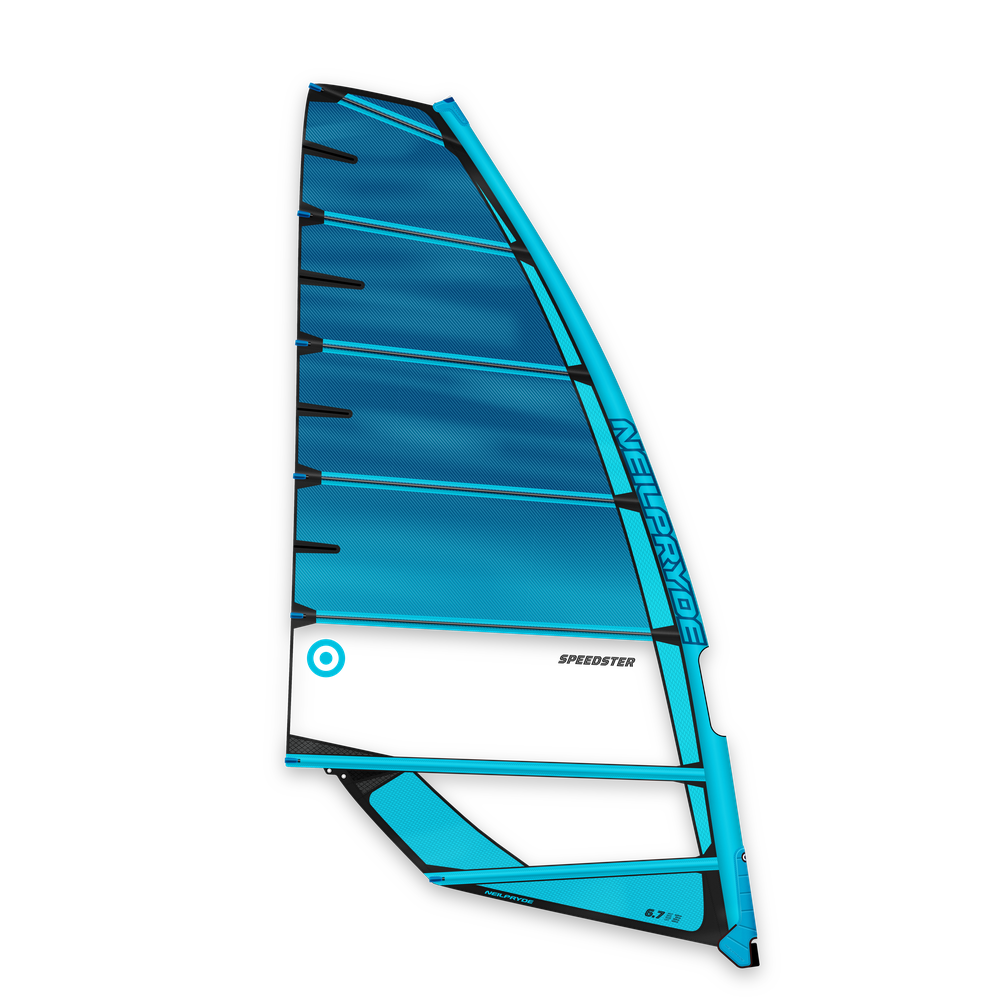
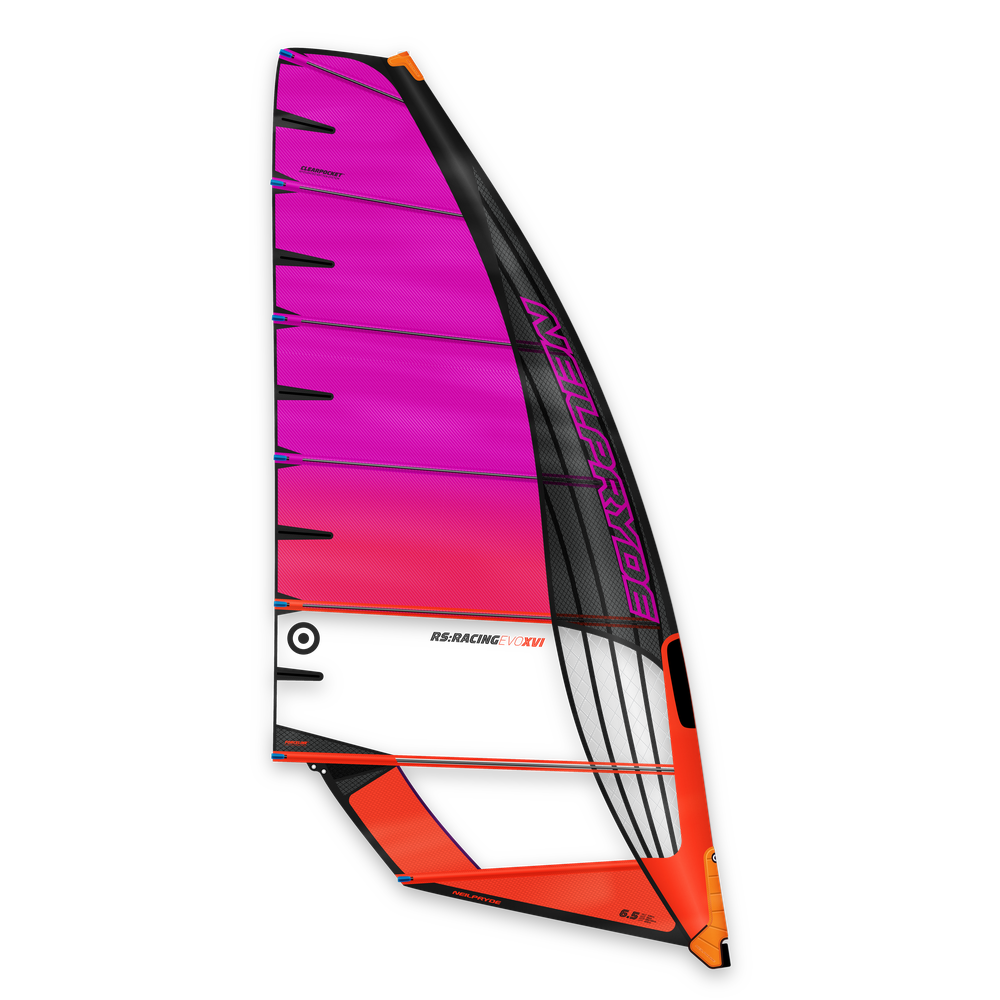
Prices and 2026 specs are pulled live from each product page. Confirm on the product page before checkout.
04 — MistakesThree mistakes we see every week
Ready to pick your sail?
Browse our full Neilpryde and Gaastra windsurf sail range to find your next canvas.
Frequently asked
Yes, but you'll be slower upwind in the money wind. Freeride sails are forgiving—that forgiveness costs pointing efficiency. Most race fleets have rules anyway.
For a 70–85 kg rider, a 5.5 m² or 6.5 m² freeride covers most European conditions year-round. Check our product pages for exact specs.
No. They're built lighter and tighter for performance, which means more wear. Freeride sails are usually more durable because of their thicker battens and fuller construction.
Start Neilpryde Atlas HD or Atlas Pro Fuse if you're freeride-first. Race sailors go Speedster or Racing Evo XVI. Check the product pages for your weight and local wind range.