Freewave vs Freeride Windsurf Board 2026 — Which Is Right?
Freewave and freeride boards look similar but ride nothing alike. We'll show you which matches your local conditions and whether you want tricks or straight-line speed.
Pick freewave if you ride choppy water, waves, and want freestyle tricks. Pick freeride if you chase high speed in flat water and steady wind. Freewave boards demand more technique; freeride rewards smooth power delivery. Both shine — it's your conditions that decide.
01 — Agility & TricksFreewave Boards: The Freestyle Platform
Freewave boards are built for chaos. Short, pronounced rocker, crisp rail definition — they carve tight arcs in choppy water and sit comfortable in 12–25 knots. If you're linking shove-its off the lip or need a board that stays planted when the swell kicks up, this is your answer.
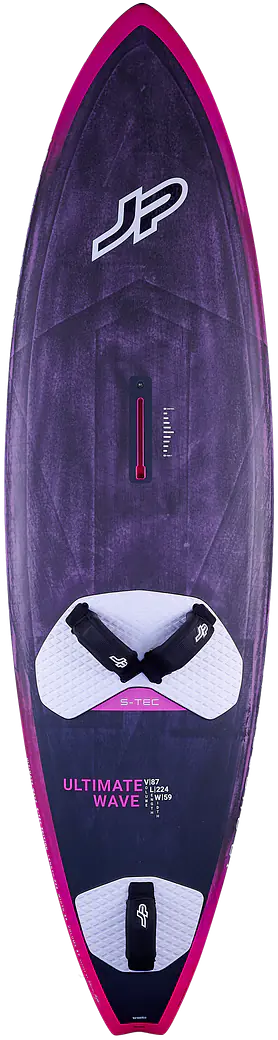
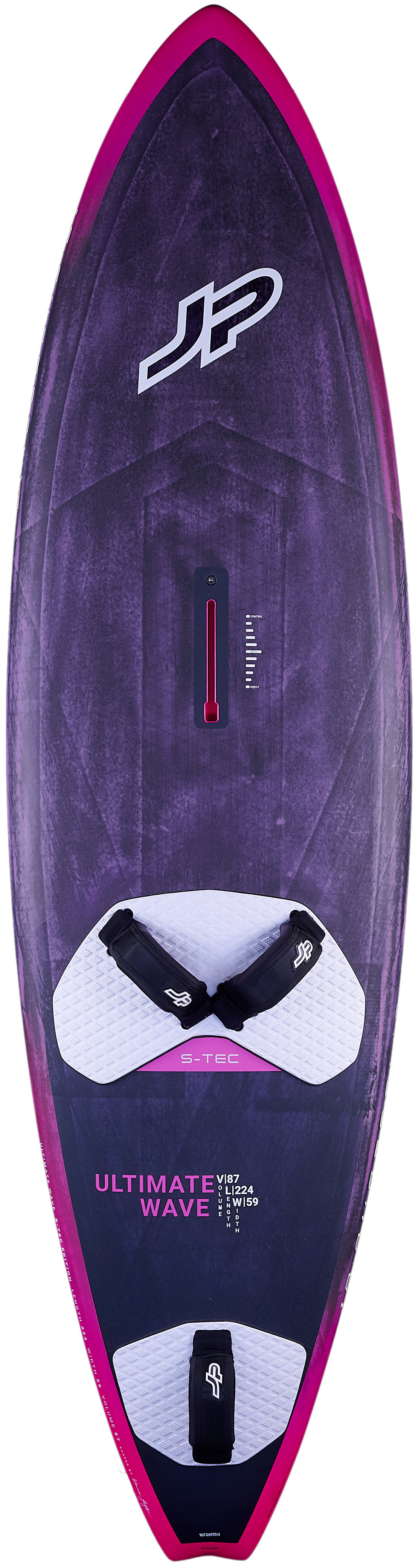
Riders we've shipped to since 2003 — from the North Sea to the Med — tell us freewave is their go-to when conditions get lumpy. The JP Magic Wave and JP Ultimate Wave sit in this camp: they're responsive underfoot, forgiving on entry, and reward technique over raw power.
02 — Flat Water, Flat PowerFreeride Boards: Speed & Efficiency
Freeride boards are the opposite: longer, wider, flatter rocker. They accelerate hard in flat water, love steady 15–30 knot winds, and eat distance for breakfast. If your spot is a bay with no chop and you want to cruise fast between markers, freeride wins.
They're also more forgiving for intermediate riders who aren't yet confident with rail work. The extra volume keeps you floating higher, so you're not fighting to stay upwind. Less technique required. More smiling.
03 — Our picksOur 4 In-Stock Picks
All four boards below are JP Australia wave and freestyle designs — built to handle chop, tricks, and variable wind. Pick by your local vibe and ride weight.
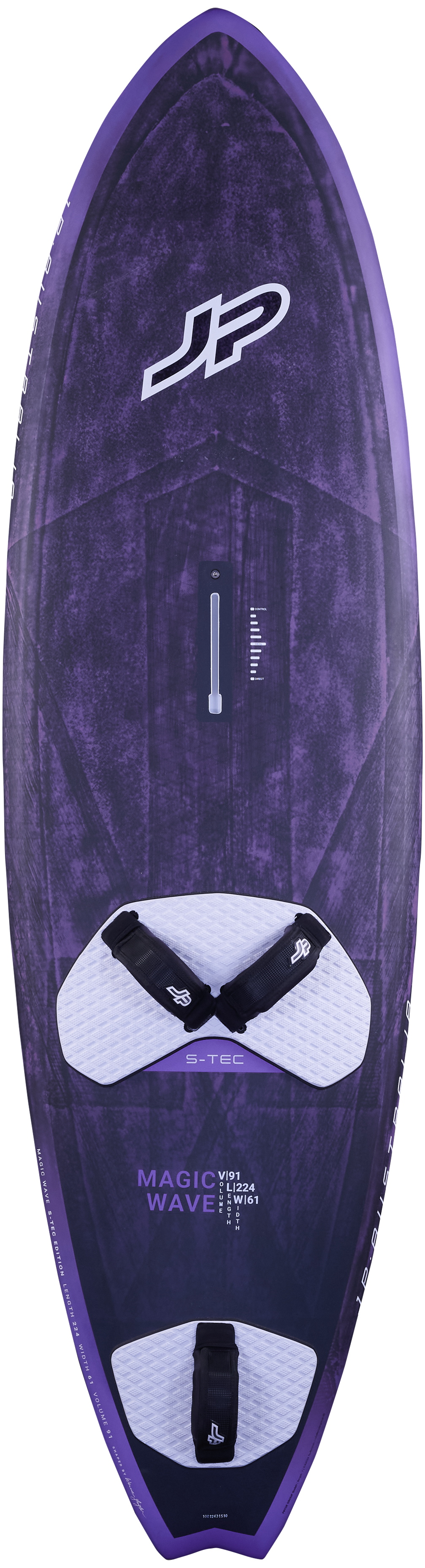
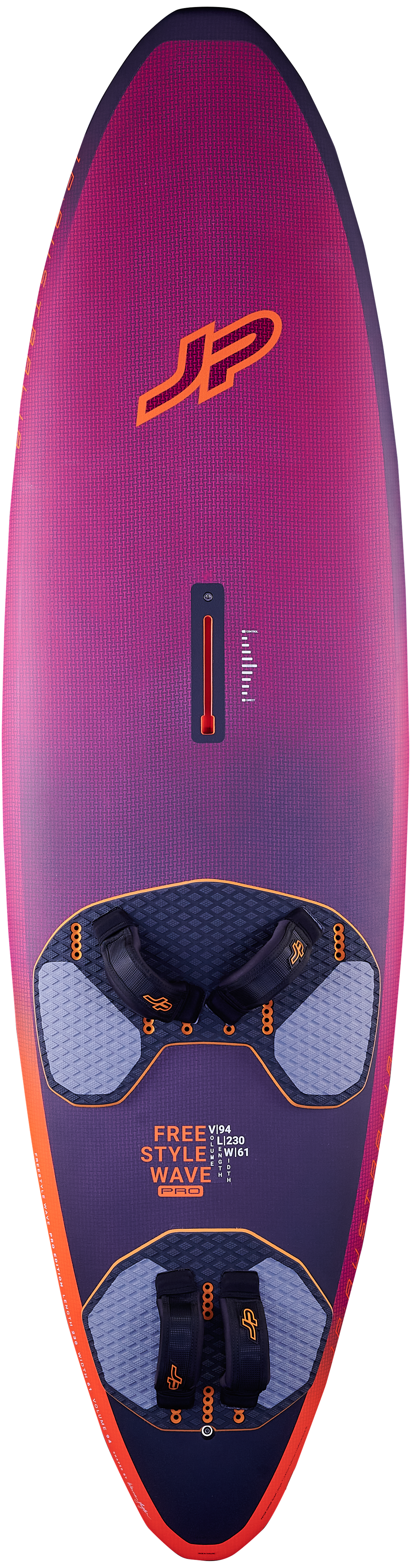
Prices and 2026 specs are pulled live from each product page. Confirm on the product page before checkout.
04 — MistakesThree mistakes we see every week
Ready to find your board?
Browse our full windsurf board range — freewave, freeride, and wave — all tested by our riders.
Frequently asked
Technically yes, but it'll feel slow and sluggish in chop. Freewave is built for that terrain. Use freeride for flat-water heat races and light-wind sesh.
Freewave: 75–105 L for 65–85 kg riders. Freeride: 130–160 L for the same weight. Heavier? Add 10–15 L. Check the product page for exact specs.
Yes — they demand rail control and foot pressure. If you're new, consider freeride first or take a lesson to build technique before switching.
The JP Magic Wave is our most forgiving freewave pick — snappy enough for tricks, stable enough for learning. Step up to the Ultimate Wave or Freestyle Wave PRO when you want more edge.