Gaastra Manic 2026 — Windsurf Sail Review
The Gaastra Manic 2026 is a wave sail built for European beachbreaks where conditions shift fast and precision matters. We've tested it against our previous stock and the refinements are real—tighter leech, sharper response, lighter weight. Here's what changed and whether it's the right pick for your quiver.
The Manic 2026 is your wave-specific sail for 12–28 knot European conditions. Gaastra refined the batten geometry and cloth layup for snappier turning and longer-lasting shape. Pick it if you ride compact, responsive gear and want instant gybe feedback in choppy water.
01 — Build improvementsWhat's Changed for 2026
Gaastra tightened the leech curve and reworked the batten structure—you'll feel it immediately in tight turns and marginal-wind response. The 2025 Manic could feel mushy in 12–14 knots; the 2026 version snaps through transitions without that delay.
Weight dropped slightly too. That matters in wave sailing where you're rotating the rig fast and you don't want dead weight on the boom. Cloth layup is stiffer along the battens, which means the sail holds shape longer through the season—no sagging leech after August.
02 — Rider fitWho Should Buy This Sail
You ride the Manic 2026 if you're sailing European beach breaks—Hossegor, Peniche, Caparica—where wind often sits 12–20 knots with chop and local tidal currents. Wave sails are short and narrow by design, typically 3.0–4.5 m² depending on your weight and local conditions, so this isn't a freeride or freestyle rig.
If you weigh 65–85 kg and prefer responsive, twitchy gear over forgiving quiver, this is your sail. Heavier riders (90+ kg) might find a 4.5 m² Manic too cramped—check batten count and plan accordingly. Lighter riders under 65 kg will love the snappy feel in marginal wind.
03 — Our picksThe 4 windsurf sails our team would put in your hands
We stock Neilpryde's wave and freeride range alongside Gaastra, so you've got options if you want to compare. Here are four sails we'd pair with the Manic in your quiver.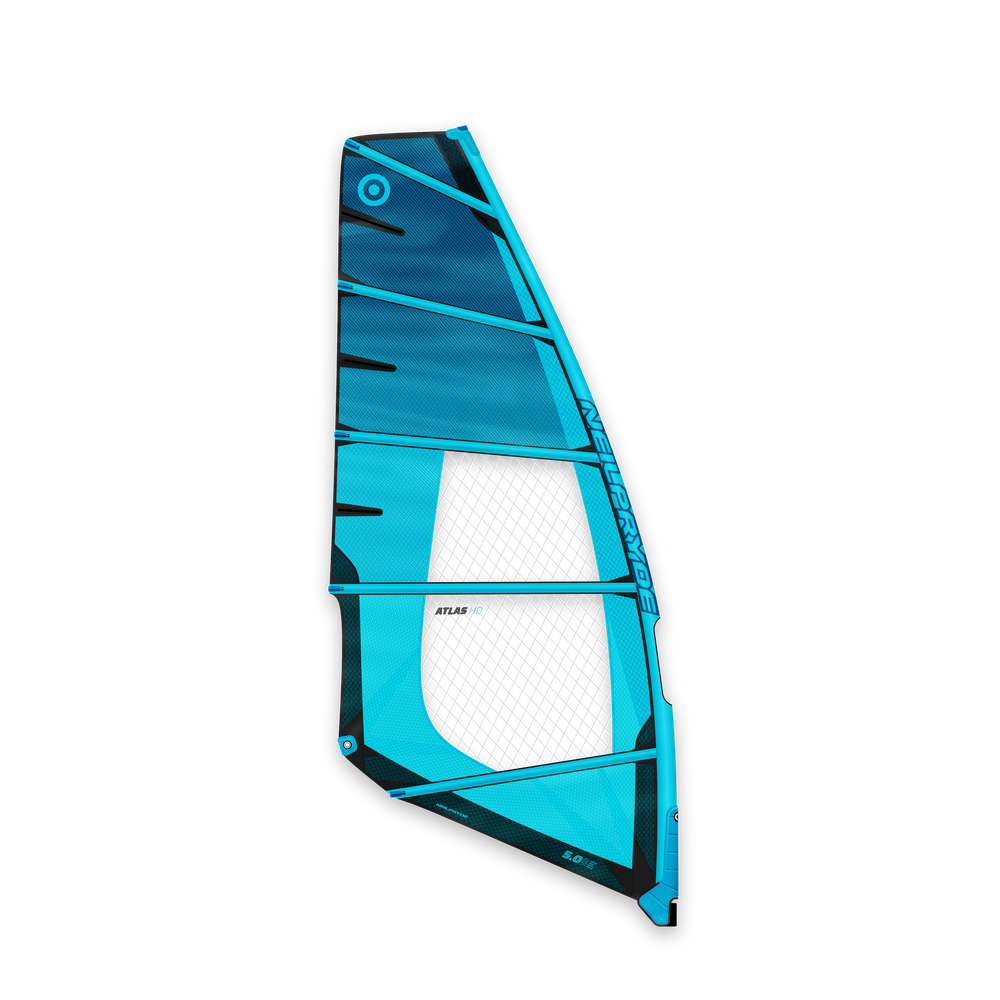
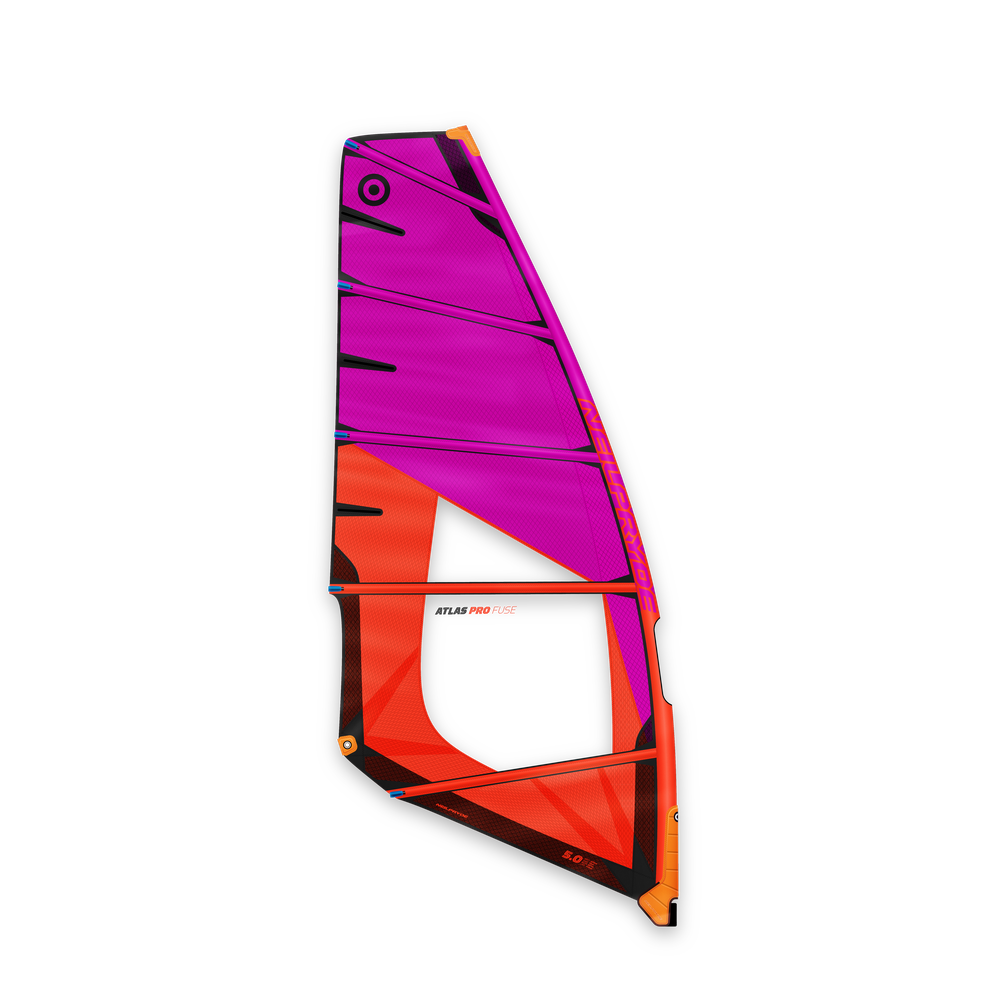
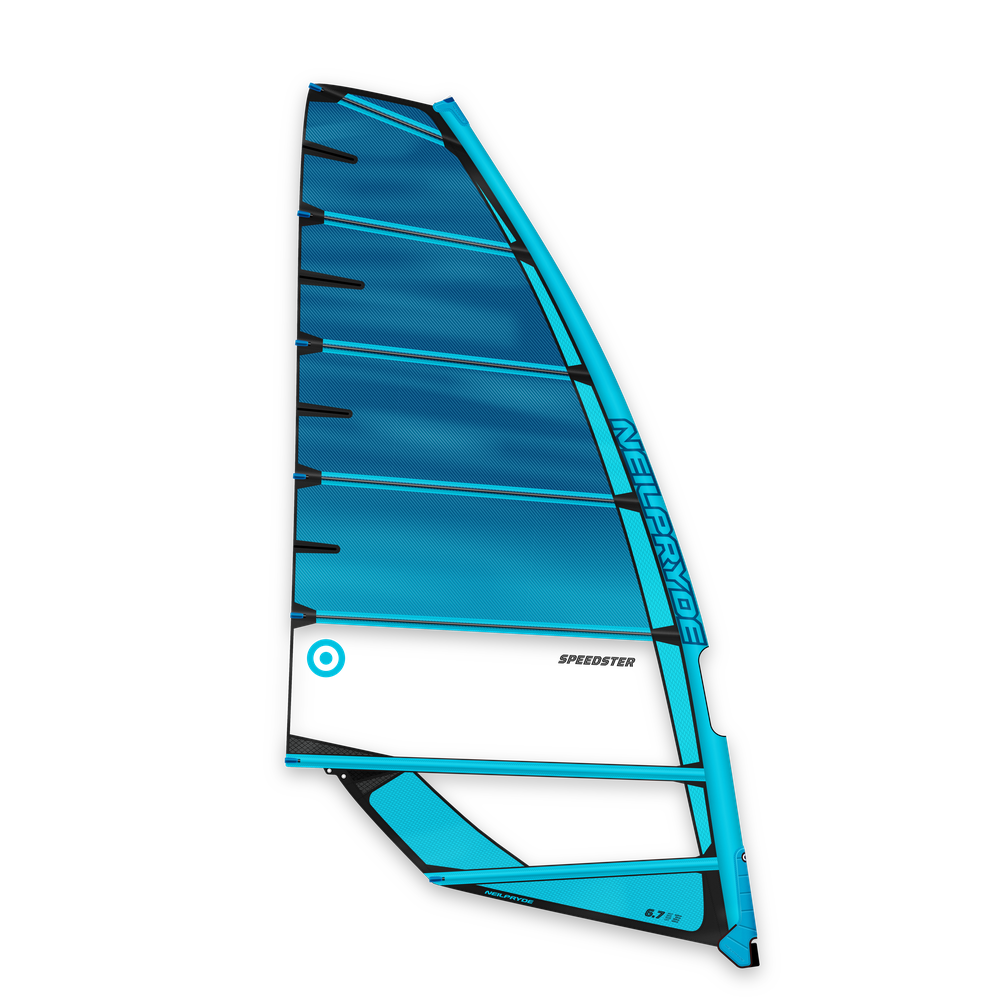
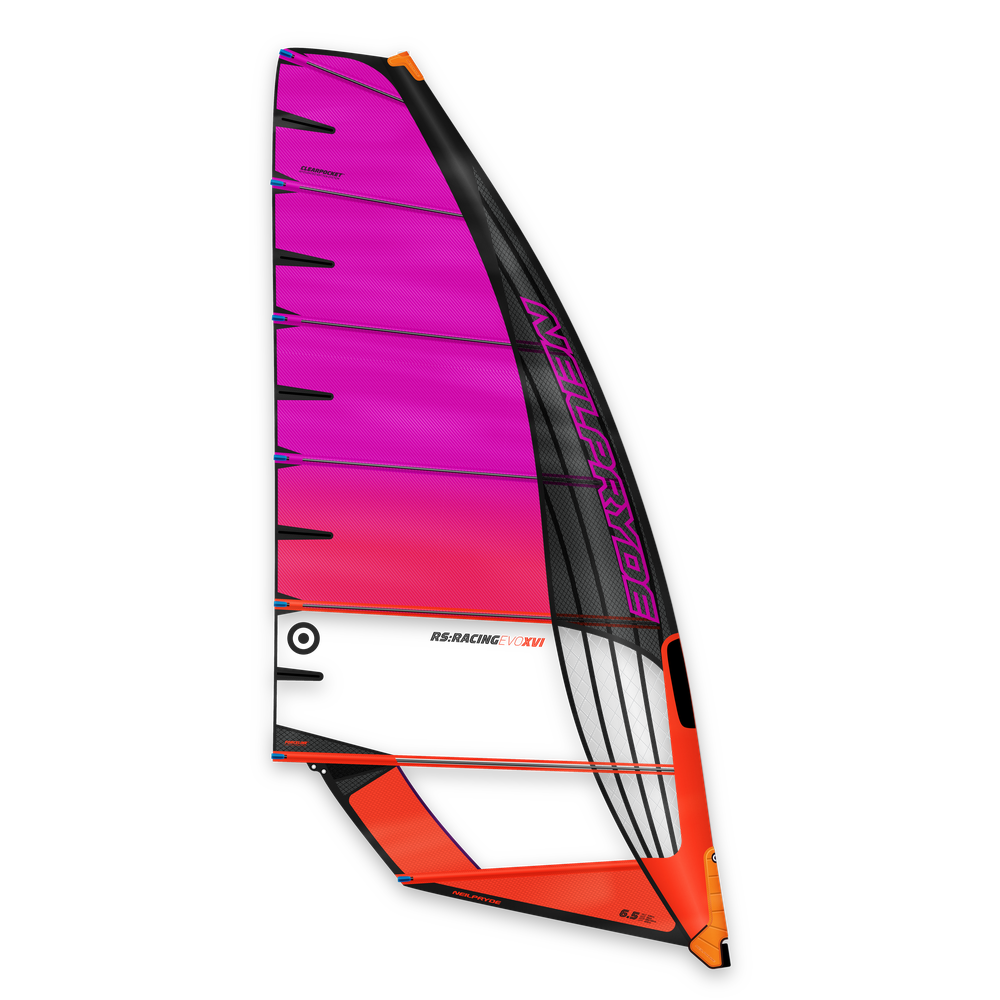
Prices and 2026 specs are pulled live from each product page. Confirm on the product page before checkout.
04 — MistakesThree mistakes we see every week
Ready to dial in your wave quiver?
Browse our full Neilpryde and Gaastra sail range and find the size that matches your local break and weight.
Frequently asked
That depends on your weight and typical wind range. Riders 65–75 kg usually go 3.5 m²; 75–85 kg riders sail 4.0–4.5 m². Check the product page for luff length and batten count to confirm mast fit.
Not reliably. Wave sails are built for power and response, not light-wind range. If you're sailing marginal conditions, a freeride sail like the Neilpryde Atlas HD will feel more alive.
With normal wave-sailing use (3–4 times a week), expect 3–4 seasons before batten curve softens and the leech starts to sag. Rinse it after every session and store flat.
Wave sails max out around 4.7–5.0 m² for stability. If you need more area for light conditions, step into a freeride sail like the Neilpryde Speedster or Atlas series.