How Many Lessons to Learn Kitesurfing? — Realistic Breakdown
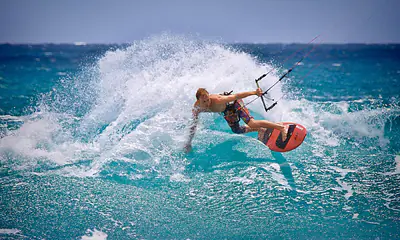
Most beginners need 12-15 hours of professional instruction spread across 4-6 lessons to learn the core skills of kitesurfing. However, the exact number depends on your physical fitness, wind conditions, water confidence, and how quickly you progress through each stage. Some naturally athletic students reach independence in three intense days; others benefit from spreading lessons over several weeks.
The Full Answer
When we talk about "learning kitesurfing," we mean reaching the point where you can safely launch and land your kite, control it in the air, and ride upwind without constant instructor supervision. This is different from becoming competent in varied conditions or mastering advanced tricks, which take months or years.
The typical progression looks like this:
- Lesson 1-2 (3-4 hours): Kite control on the beach, understanding wind window, basic safety, and water entry drills
- Lesson 3-4 (4-5 hours): Water starts, board control, and your first powered rides across the water
- Lesson 5-6 (4-6 hours): Refinement of edge control, upwind progression, and emergency procedures
In reality, how many lessons you need also depends on class size. Private instruction accelerates learning; group lessons may take longer because the instructor divides attention. Wind conditions matter too--a week of perfect 12-15 knot winds means faster progress than scattered sessions in light or heavy wind.
Cost varies by region and provider. European schools typically charge €60-150 per hour, making a full beginner course €750-2,250. Some shops offer package deals that reduce the per-hour rate.
Practical Guide
Before your first lesson: Arrive with basic swimming ability and good fitness. Kitesurfing is physically demanding; your core, shoulders, and legs will work hard. Wear a helmet and impact vest--non-negotiable for safety.
After lessons 1-2: You'll understand kite mechanics and have launched safely on the beach. You may feel nervous about water entry; this is normal. Your instructor will repeat safety checks until you're comfortable.
By lesson 3-4: You should ride short distances. Your feet will feel unstable on the board; expect to spend time swimming and reboarding. This phase builds your muscle memory for weight distribution and edge control.
By lesson 5-6: If conditions align, you'll ride longer distances and begin turning. Many students feel "independent" here but still benefit from one or two coaching sessions later to iron out bad habits.
Spacing matters: Three lessons in one week beats one lesson per week spread over six weeks. Your muscles and neural pathways retain skills better with repeated practice in quick succession. However, rest days between sessions prevent burnout and reduce injury risk.
Common Mistakes
Mistake 1: Assuming fewer lessons save money. Skimping on professional instruction leads to bad technique, fear, and often more money spent on replacement equipment after crashes. Proper instruction pays for itself in confidence and safety.
Mistake 2: Learning alone or with untrained friends. Kitesurfing carries real hazards--neck trauma, broken bones, and drowning are possible without proper safety protocols. A qualified instructor teaches you how many lessons to learn kitesurfing safely and what to do when things go wrong.
Mistake 3: Expecting to progress in poor wind. Light wind (under 10 knots) makes learning harder and slower. Heavy wind (over 18 knots) is dangerous for beginners. Aim for 12-15 knot sessions; your instructor will choose dates wisely.
Mistake 4: Quitting after plateau. Around lesson 4-5, some students hit a confidence wall. This is temporary. Pushing through with your instructor's guidance usually leads to breakthrough progress within the next session or two.
Surf Store Recommendation
Once you've completed your initial lessons, equipping yourself properly makes a huge difference. Start with a trusted kite brand: Duotone and Cabrinha are both stocked at Surf Store and favoured by European instructors for their stability and forgiveness on the learning curve. Models like the Duotone Neo 2026 or Cabrinha Drifter Apex 2026 are excellent all-round beginner-to-intermediate kites.
You'll also need a quality impact vest and helmet--ION wetsuits and protective gear offer comfort and safety for long practice sessions. Visit surf-store.com to browse the full range of kites, boards, and safety equipment. Our team has real water sports experience and can advise on the best kit for your level and local conditions.