
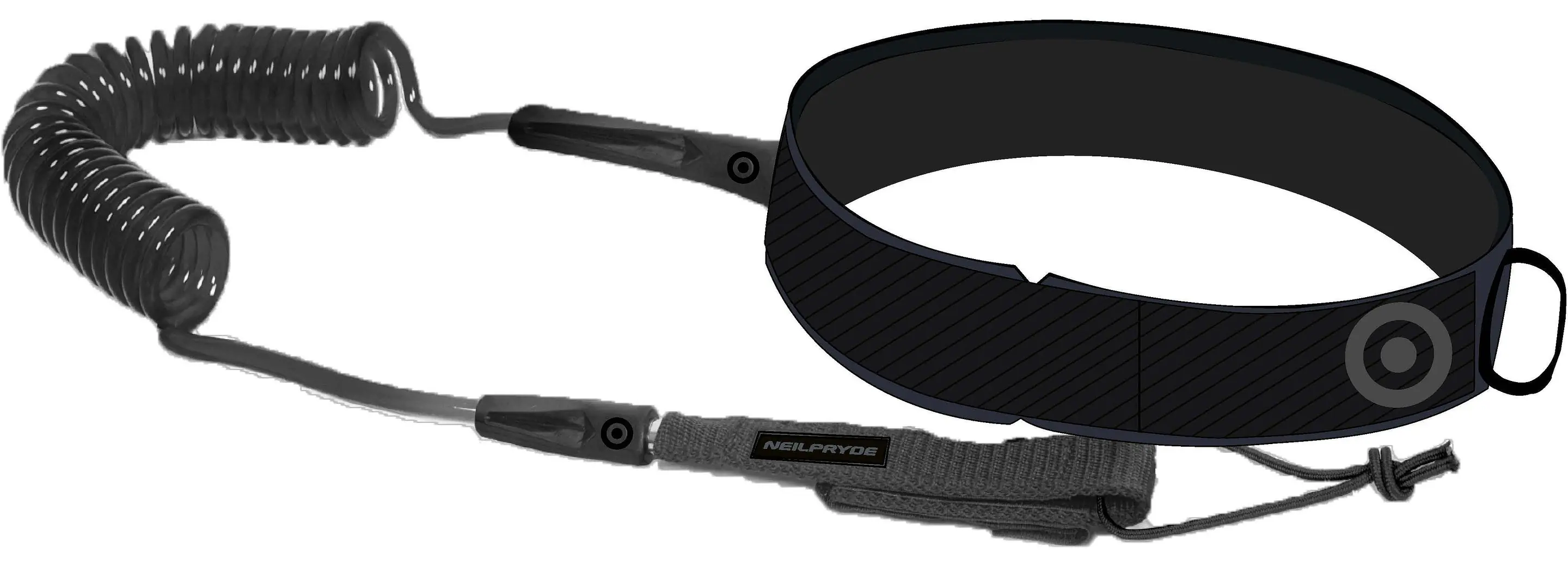
How to Choose a SUP Leash — Straight vs Coiled Guide
Choosing the right SUP leash comes down to three core decisions: leash length (matching your board size), leash type (straight vs. coiled), and attachment point (ankle vs. waist). Get these right, and you'll stay connected to your board in any condition. Get them wrong, and you'll either be tangled, dragging water resistance, or worse--separated from your board.
The Full Answer
A SUP leash tethers you to your board, keeping it within reach if you fall, slip, or get swept by wind or current. Unlike surfing, where a short leash keeps the board close in heavy water, SUP leashes are longer--typically 6-12 feet--because paddlers stand and move around on the deck. The longer length gives you freedom to walk around the board without the leash pulling at you, while still preventing the board drifting away.
The two main types are straight leashes and coiled (spring) leashes. Straight leashes are simple, cheap, and ideal for flat water (lakes, bays, slow rivers) where you want minimal drag. Coiled leashes are the industry standard for most SUP paddlers, especially in moving water or windy conditions. The coil retracts on a spring mechanism, keeping slack metres of cord from tangling around your legs or dragging in the water. This is why most recreational and racing paddlers choose coiled--the convenience and safety advantage justifies the slightly higher cost.
Leash length should match your board size. A 9-foot board needs a 9-foot leash minimum; a 12-foot board needs 12 feet or longer. The rule is: leash length ≥ board length. If your leash is too short, you'll struggle to recover it after a fall; if it's too long, you'll be dragging metres of cord in the water, adding drag and creating a drowning risk in rough conditions. Ankle leashes are standard for leisure paddling; waist leashes are preferred by racing paddlers and touring enthusiasts because they distribute weight better and keep the board closer on the run.
Practical Guide
- Measure your board length -- Your leash must be at least as long as your board. A 10-foot board needs a 10-foot leash minimum; add 1-2 feet if you're buying a coiled leash (since coils shorten effective length). Check the product spec or measure your board end-to-end.
- Choose coiled for most conditions -- Coiled leashes are safer and more convenient than straight for 95% of SUP scenarios. They retract on a spring, preventing tangling and water drag. Use a straight leash only in flat, protected water (lake, very calm bay) where simplicity matters more than features.
- Decide: ankle or waist -- Ankle leashes are lighter and standard for recreational paddling. Waist leashes are better for touring, racing, or rough water because they keep the board closer and distribute load across your hips. If you paddle rough water, waist is safer.
- Check attachment hardware -- Ensure the leash comes with a secure deck ring (bolt-through or adhesive) and a reliable cuff closure (velcro or neoprene). A weak attachment point is a safety hazard. If your board has no ring, you'll need an aftermarket adhesive pad.
- Test the cord durability -- Quality leashes use polyurethane or marine-grade nylon, not cheap plastic. Cheap cords split, fray, or snap. Check weight (thicker = more durable) and brand reputation. You'll wear your leash thousands of times--invest in longevity.
- Consider your paddling environment -- Flat water, calm bays, and lakes? Straight leash is fine. Moving rivers, ocean swells, wind, or rough chop? Go coiled. Racing or touring distances? Waist attachment is more comfortable. Solo or group paddling in crowded areas? Longer leash prevents you bumping other paddlers.
Common Mistakes
Many beginners think a 6-foot leash is enough for an 8-foot board. It isn't. When you fall, the board drifts fast--you need at least board length to safely recover it. A short leash means chasing your board, exhaustion, and risk of losing it in currents or wind.
Straight leashes drag metres of cord in rivers, bays, or any windy condition. This creates tangles around your legs, adds water resistance, and--worst case--can catch under your foot during a dismount. Coiled leashes solve this completely. Save straight for lakes only.
A broken deck ring or weak cuff means you lose your board. Don't buy leashes without checking how the ring is attached (bolt-through is stronger than adhesive). Test the velcro closure--if it's thin or soft, it'll fail in weeks. Spend the extra few euros on a brand with proven durability.
Waist leashes are great for touring and racing, but they restrict movement on the board and feel odd for new paddlers learning balance. Start with an ankle leash. Once you're comfortable and paddling rougher water, upgrade to waist. There's no need to buy both immediately.
Surf Store Recommendation
At Surf Store, we don't stock a dedicated SUP leash range yet, but we recommend checking with us directly for partnership recommendations from trusted brands like Duotone, Mystic, and ION, which make marine-quality cords and attachments. When you visit our shop or contact our team, we can recommend a coiled leash matched to your board size, attachment preference, and water type. We're based in Maribor, Slovenia, and our expert staff ride SUP regularly--we'll guide you to the right leash for your needs.
The most common question we hear is: "Should I buy coil or straight?" Our answer: coil, unless you paddle only flat lakes. The small extra cost buys safety, convenience, and peace of mind. And always verify your board has a deck ring before buying--some cheaper entry boards don't come with one, and a loose leash is worse than no leash.
Ready to Gear Up?
Expert advice, authorised stock, ships across Europe within 24h.