How to Downhaul a Windsurf Sail — Step-by-Step Rigging Guide
Downhaul is your sail's personality dial—twist it right and you'll feel the difference immediately. This guide walks you through finding the perfect tension for your conditions, whether you're sailing a Neilpryde Atlas or a Gaastra wave sail.
Downhaul is the line running from your sail's tack down to the boom, pulling the luff tight. Increase tension to flatten the sail in stronger wind; ease off to keep it deep and powerful in light conditions. Watch for horizontal creases at the lower luff—they vanish when tension is dialed in. Most sailors find the sweet spot through feel, not a formula.
01 — The physicsWhat Downhaul Actually Does
Downhaul pulls your sail's leading edge (the luff) toward the boom, and that single motion controls how flat or full your sail sits. Increase tension and the draft—that's the deepest curve in the sail—shifts forward, the whole profile flattens, and you lose power. Ease off and the sail gets rounder, deeper, more forgiving.
In 12 knots, you'll want more depth. In 25 knots, you're flattening to stay upright. The Neilpryde Atlas HD and Speedster respond differently to downhaul because they're built for different wind ranges—the Atlas HD loves lighter chop, the Speedster eats stronger breeze. Know your sail's sweet spot and downhaul becomes intuitive.
02 — Getting it rightStep-by-Step Rigging Process
First, lay the sail flat on the beach or grass. Attach the tack to the boom's tack bracket. Now eye the luff—it should be almost wrinkle-free, but not trumpet-tight. Too much tension before you rig kills the sail's shape before you even launch.
Once you're on the water, sail upwind in steady wind. Look down at your lower luff: if you see horizontal creases running across, ease the downhaul slightly—you've got too much tension. If the luff is baggy and rounded, add tension until those creases just disappear. That's your baseline. From there, micro-adjust: stronger gust? Add a notch. Lull? Ease a touch. On a 5.5 m² or 6.5 m² sail in variable wind, you'll be tweaking constantly. That's normal.
03 — Our picksOur 4 In-Stock Picks
We've stocked Neilpryde sails since 2003, and every one responds predictably to downhaul—no surprises, no drama. Pick the size and wind range for your session, and downhaul becomes your trim tool.
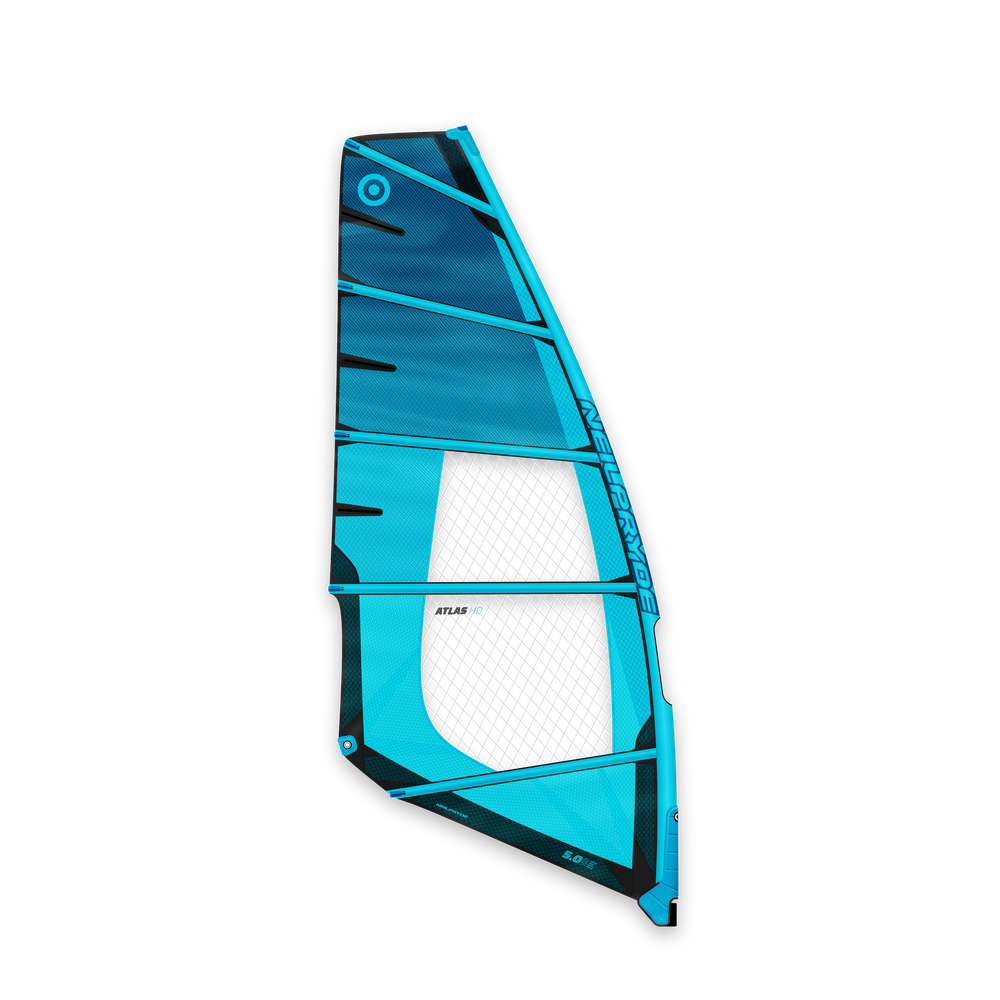
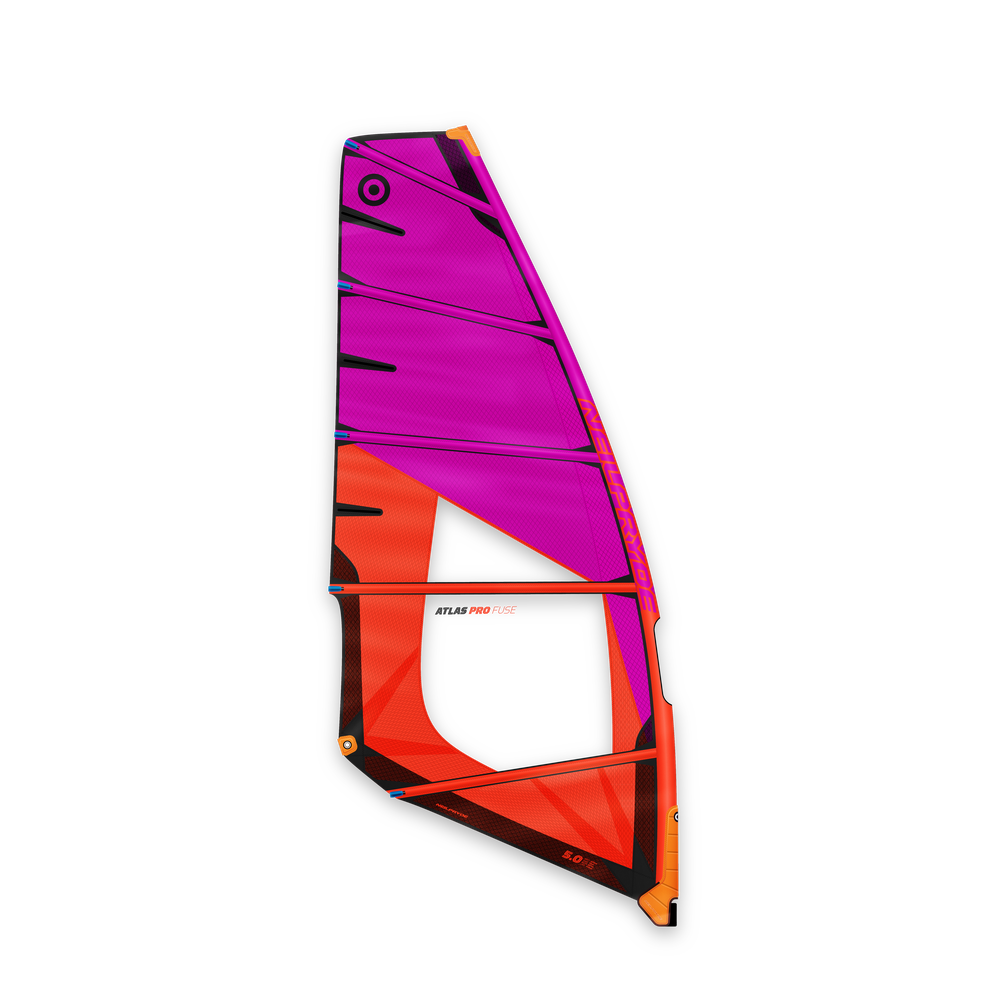
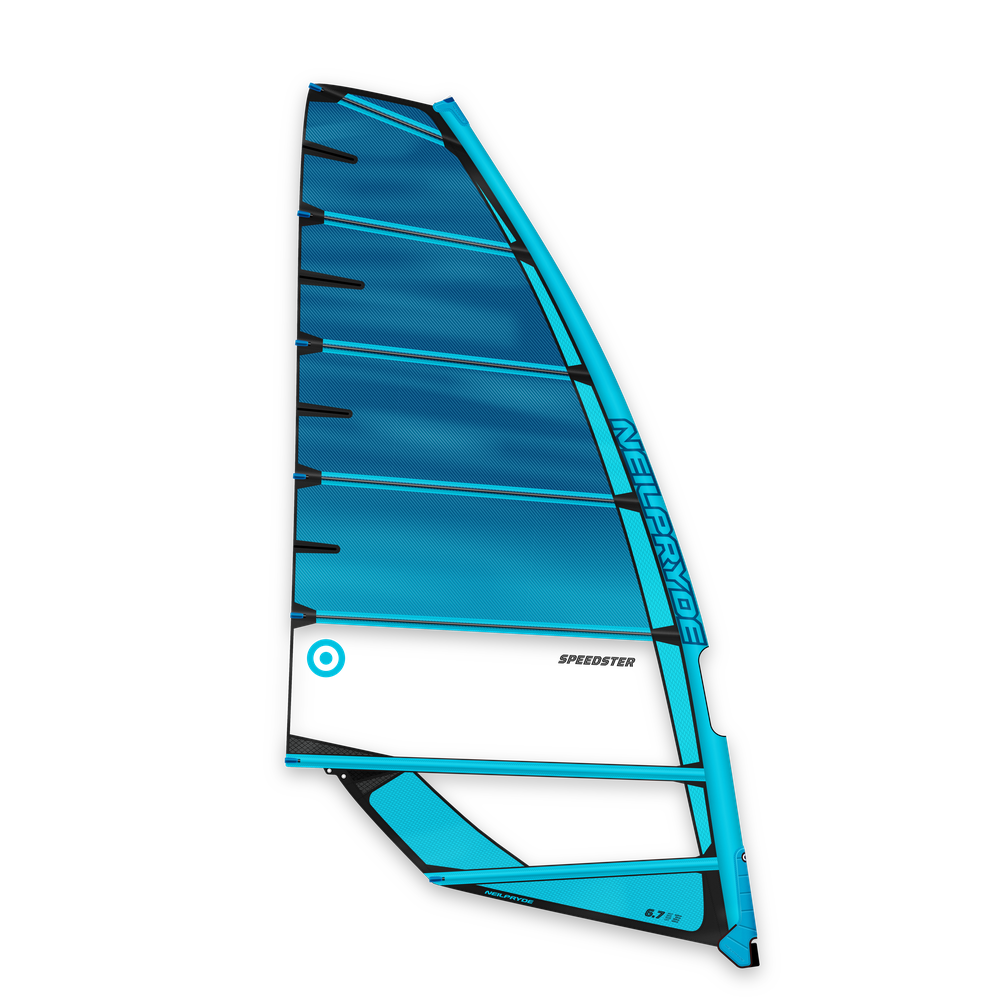
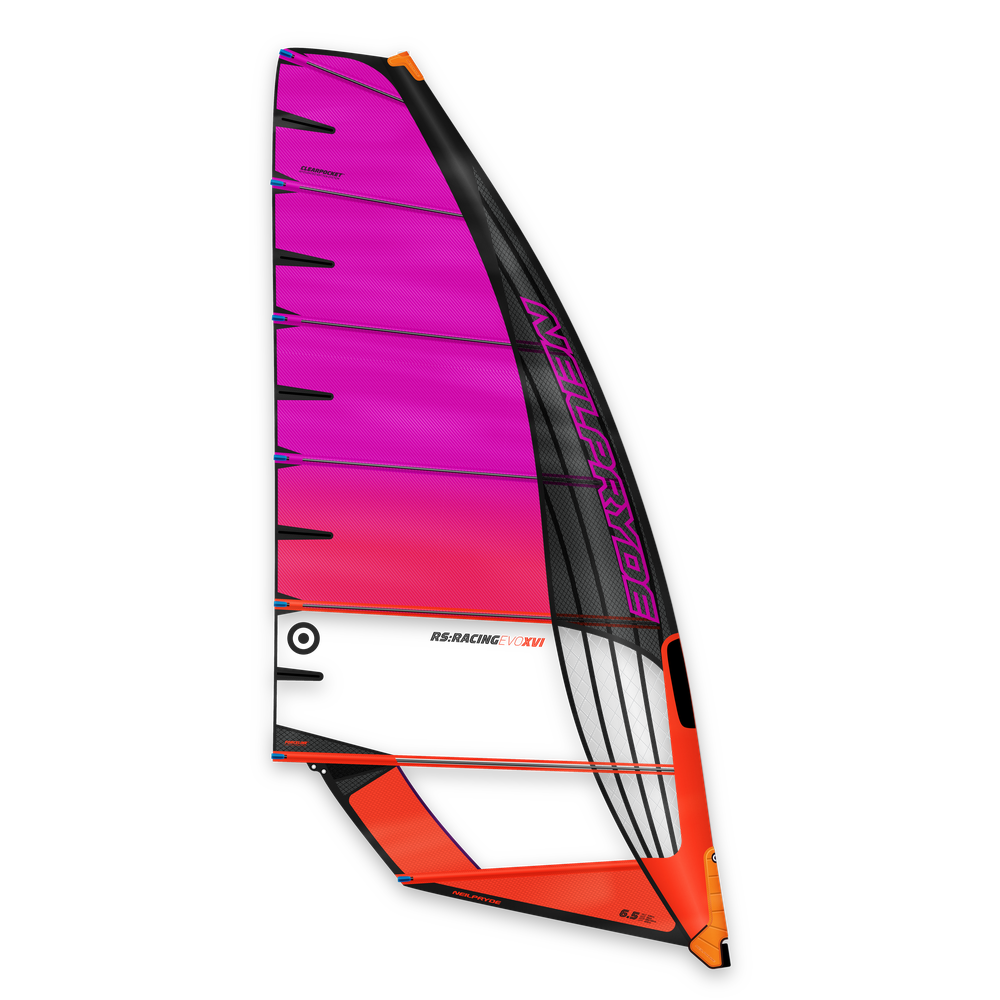
Prices and 2026 specs are pulled live from each product page. Confirm on the product page before checkout.
04 — MistakesThree mistakes we see every week
Ready to master your sail?
Browse our full range of Neilpryde and Gaastra windsurf sails—every size from 3.0 m² to 9.0 m².
Frequently asked
Tight enough that horizontal creases at the lower luff just disappear when you sail upwind. Exact tension depends on wind strength and sail design—dial it in on the water, not on shore.
Yes. Stronger wind calls for more tension (flatter sail, less power, easier to hold). Light wind means less tension (deeper sail, more drive). Most sailors adjust 2–3 times per session.
You might have too much outhaul tension, or your boom is set too high. Check both. If the sail still has creases after adjusting downhaul, the luff itself may be stretched—check the product page or contact us.
Race sails are built more precisely, so downhaul adjustments are smaller and more sensitive. Use the same crease-check method, but be patient—race sails reward consistency over aggressive tweaking.