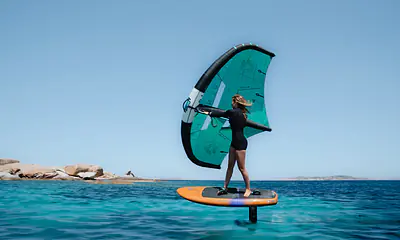

Is Wing Foiling Dangerous? — Risk Assessment for Beginners
Wing foiling is not inherently dangerous, but like any board sport, it carries manageable risks. When you follow proper progression, wear a PFD, start in safe conditions, and learn from experienced riders, the injury rate is significantly lower than kitesurfing or windsurfing. The key difference: wing foiling gives you direct control of the wing at all times--no uncontrolled depower or sudden shock loads--which is why many instructors consider it safer for beginners once they understand the fundamentals.
The Full Answer
Wing foiling sits in the middle of the water-sports safety spectrum. Kitesurfing, by contrast, relies on a bar system that can lock or release power unpredictably, especially for newcomers. Windsurfing requires managing a heavy boom and sail in busy wind patterns. Wing foiling lets you hold the wing with both hands, adjust power instantly by tilting, and step off or dump the wing immediately if something goes wrong. That direct tactile feedback is a genuine safety advantage--especially for beginners learning to read wind and water.
That said, wing foiling does carry specific risks. The foil itself--a sharp hydrofoil attached to your board--creates cutting hazards if you fall on it, fall hard enough to impact the mast, or collide with another rider. The wing can strike you on the head or face during a wipeout or in gusty conditions. Board speed on the foil is higher than paddling, so falls happen faster and with more impact. And because wing foiling is still relatively new, many beaches lack established zones or familiar rescue protocols.
The reality: most injuries in wing foiling are minor to moderate--bruises, small cuts, occasional sprains--and occur during learning or in poor conditions. Serious injuries (head trauma, broken bones, unconsciousness) are rare when proper safeguards are in place. The sport is riskier for beginners who skip instruction, ignore wind forecasts, mix with busy recreational zones, or use inadequate protective gear. For riders who respect the learning curve and conditions, wing foiling is a genuinely fun and relatively low-risk progression from flatwater practice to light foiling.
How to Minimise Risk
- Take structured lessons first -- A qualified instructor teaches you to read wind transitions, body positioning, and foil control. You'll spot unsafe conditions and bad habits before they cause harm. Most injuries happen to self-taught riders who don't understand the foil's sensitivity.
- Always wear a PFD and helmet -- A certified personal flotation device keeps you afloat if you're injured or disoriented. A helmet (especially a watersports hardshell) prevents head strikes from the wing, mast, or board. Non-negotiable gear, full stop.
- Start in light winds (8-12 knots) and flat water -- Practise body position, wing control, and balance before testing waves or wind above 15 knots. Flat water removes the shock of chop and lets you focus on foil feel. Once you're solid, progress to light swell.
- Choose a dedicated, calm zone with no swimmers or other traffic -- Avoid busy beaches. Pick a spot with exit room, shallow water nearby for practise, and space to run downwind without obstacles. Tell a friend your plan and expected return time.
- Check wind and weather obsessively -- Sudden gusts, wind shifts, or unstable conditions are the biggest triggers for wipeouts and panic. Use local forecasts, read the water for chop patterns, and abort if conditions worsen during your session.
- Respect your gear limits -- A board that's too small or a wing that's oversized forces you to overcorrect. Start with a larger, more forgiving setup and size down as confidence grows. Rental or beginner-focused gear is designed for safety, not style.
Dangerous Habits to Avoid
A wing or mast to the head can cause concussion, loss of consciousness, or drowning. Your friends' choices don't change physics. Wear a certified watersports helmet every single time.
Self-teaching wing foiling means you won't catch bad habits (wrong stance, poor wing angle) until they cause a crash. You also won't have someone to call for help if you get separated from your board or injured. A lesson and a spotter cost less than a trip to A&E.
Sudden wind shifts cause uncontrolled lofts and hard falls. Thermal wind or afternoon sea breeze can shift 5-10 knots without warning. Check the forecast, watch the water for texture changes, and leave if conditions get choppy or erratic.
A wing too large for the wind forces you to depower awkwardly, and you lose control in gusts. An undersized board makes foiling harder and increases falling frequency. Stick to recommended sizes for your weight and wind range.
Essential Safety Gear for Beginners
The single biggest risk factor in wing foiling is poor board control, which stems from using the wrong size or shape. Beginner-focused boards are larger, more stable, and forgiving. We recommend starting with a forgiving, larger wing board that keeps you floating and upright longer whilst you learn foil feel and wing power management.
The Sky Start DST is purpose-built for learning. Its extra volume and forgiving outline keep you high on the foil, giving you margin for error as you develop body position and wing control. Deep Tuttle compatibility means plenty of foil options as you progress.
Beyond your board, invest in a certified watersports helmet (ask our team for current stock) and a Class III PFD rated for your weight. Many riders also wear impact shorts or a protective rashguard to reduce cut risk from the foil. These aren't optional--they're baseline safety infrastructure, like a helmet on a motorcycle.
Ready to Learn Wing Foiling Safely?
Get expert advice on beginner-friendly boards, foils, and protective gear. We've coached 6,000+ riders since 2003 and ship across Europe within 24 hours.