.jpg)
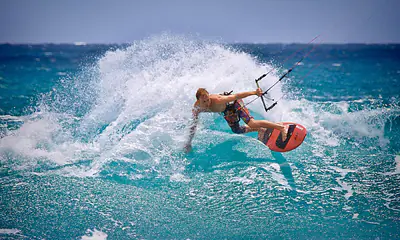
Kitesurfing Boracay Philippines — Bulabog Beach 2026
Why Boracay, Philippines Is Worth the Trip
Boracay is one of Southeast Asia's most accessible kitesurfing destinations. The island's sheltered lagoons and consistent north-easterly trade winds make it ideal for everything from your first launch to advanced freestyle. I've ridden here through multiple seasons--the consistency is genuine, the water is warm year-round, and the local community is welcoming. What sets Boracay apart is the mix of protected bays perfect for beginners and open reef passes that hold serious swell during the dry season.
The beauty of kitesurfing Boracay Philippines is that you're never far from a launch point, and the infrastructure is mature. Accommodation, food, and rental shops are plentiful. Unlike remote atolls, you don't sacrifice comfort for conditions. The reef and sand bars keep sessions safe, and the backdrop--white sand, clear water, and dramatic limestone cliffs--doesn't hurt either. Whether you're a week-long visitor or looking to base yourself here, Boracay delivers reliable wind and a genuine tropical experience.
Best Spots & Getting There
- Bulabog Beach -- The main kitesurfing hub on the eastern leeward shore. Shallow, protected lagoon with light chop. Best for beginners and light-wind days. You'll find all the schools and rental shops here.
- Puka Beach (North Shore) -- Exposed to the trade wind swell with deeper water and faster conditions. Strong riders favour this spot for freestyle and wave sessions. Reef passes add character but require local knowledge.
- Ilig-Iligan Beach (South Coast) -- A secondary bay with lighter crowds and more consistent thermals in afternoon sessions. Good for intermediate riders seeking quieter water.
- Flying Fish Reef -- Offshore reef pass for advanced riders during strong wind swells. Requires a boat shuttle and experience reading local conditions.
- Getting There -- Fly into Caticlan or Kalibo airport, then ferry or fast boat (30 mins-1 hour) to Boracay. Many resorts arrange transfers. Once on the island, jeepneys and tricycles are cheap; most spots are 10-15 minute rides.
Wind & Weather by Season
Month Avg Wind (kts) Direction Spot Rating Nov-Dec 16-20 NE (trade wind onset) ★★★★★ Peak Jan-Feb 18-22 NE (strongest season) ★★★★★ Peak Mar-Apr 15-19 NE (diminishing) ★★★★☆ Good May-Jun 10-14 SW (pre-monsoon) ★★★☆☆ Patchy Jul-Aug 12-16 SW (monsoon) ★★★☆☆ Light, gusty Sep-Oct 8-12 Variable ★★☆☆☆ MarginalNovember through April is prime kitesurfing season on Boracay. The north-easterly trade winds blow consistently 15-22 knots, with the strongest conditions in January and February. Bulabog lagoon stays rideable even in light wind thanks to its protected shape, while the exposed north shore and reef passes light up during strong swells. May through October sees the south-westerly monsoon and lighter, more erratic wind--it's still possible to ride, but you'll need a larger quiver and patience.
What Gear to Bring
Lagoon Setup
Start with a 14-17m freeride kite for Bulabog's light-to-moderate conditions. A 140-160 L directional or hybrid board keeps you stable in shallow water. Bring a 3/2mm shorty--water is warm but wind can cool you after hours. Consider a helmet and impact vest for confidence.
Wave & Freestyle Quiver
Pack 9m-13m freestyle kites for strong January winds, plus a small wave kite (7-9m) for downwinders and reef passes. Bring a 100-120 L freestyle board and a directional wave board (85-95 L). A 2/2mm rashguard is enough; reef shoes mandatory for reef sessions.
Packing for Boracay kitesurfing: The warm water means you can travel light on wetsuits, but the sun exposure is serious--high-SPF rashguard and good sunglasses are non-negotiable. If you fly in with personal gear, check weight limits; many riders here bring a compact 12m and 14m setup and rent locally for larger or smaller sizes. The trade wind consistency means you won't need an enormous quiver, but bring spares of lines and bar valves--replacements can be pricey on the island.
The Neo is a bomb-proof all-rounder for Boracay's varying conditions. Its wide wind range means one kite covers beginner lagoon days and stronger offshore sessions. Lightweight, responsive, and forgiving in gusty thermal winds.
Built for lightwind swell and freeride, the Drifter shines in May-October monsoon conditions and thermal afternoons. Forgiving hang-time and predictable power delivery make it ideal for intermediate riders exploring Boracay's full potential without a massive quiver.
Rent or Buy? Advice from Surf Store
If you're visiting Boracay for a week or two, renting locally is smart. Bulabog Beach has four solid rental shops with current gear--typically €40-60 per day for a full kit. The advantage: no baggage fees, insurance against salt water wear, and access to larger quivers if wind picks up. Local schools also include gear, so if you're learning, a lesson package is excellent value.
If you're planning to return or have limited travel elsewhere, buying makes sense. A solid freeride or beginner package (12m kite + board + bar) runs €1,200-1,800 new, or €600-1,000 used. Boracay has a small second-hand market, but pricing isn't cheaper than Europe--it's worth checking kitesurfing Boracay Philippines Facebook groups and WhatsApp channels for local deals. Our advice: ship a 12m and 14m Duotone or Cabrinha setup here if you're staying 4+ weeks, then sell locally or carry back to EU. Free EU shipping from €99 at Surf Store makes it viable, and you'll have trusted gear you know intimately.
Ready to Gear Up for Boracay?
Expert advice, authorized stock, ships across Europe within 24h.