.jpg)
Kitesurfing Canary Islands — Which Island Is Best? 2026
Why Canary Islands Kitesurfing Guide 2026 Is Worth the Trip
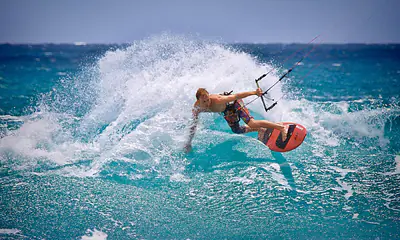
The Canary Islands are a kitesurfer's dream--and I mean that from years of riding there myself. You get consistent north-easterly trade winds practically 365 days a year, warm Atlantic water, and an incredible variety of spots suited to every skill level. Whether you're a beginner learning your first tricks or an advanced rider hunting big air and wave riding, the best island for kitesurfing in the Canary Islands 2026 has something waiting for you.
What makes this archipelago special is the sheer diversity. You've got flat-water lagoons perfect for freestyle and learning, proper beach breaks for wave riding, and reef spots for the technical crew. Winter brings stronger trade winds and occasional Atlantic swells; summer is lighter and more relaxed. The islands also stay warm enough that many riders skip the thick wetsuit--you'll see people in 2mm or even boardshorts in July. Accommodation is affordable, flights from mainland Europe are cheap, and there's a thriving local scene with schools, rental shops, and proper communities at every major spot.
Best Spots & Getting There
- Fuerteventura (Sotavento Beach) -- The undisputed flat-water capital of Europe. Sotavento is a massive shallow lagoon with powder-soft sand and wind every single day. Perfect for beginners, intermediate freestyle riders, and anyone who wants guaranteed conditions. The nearby village of Costa Calma has schools, rentals, and a proper community.
- Lanzarote (Famara Beach) -- A long sandy beach that faces north and picks up both wind and Atlantic swell. Famara offers a blend of flat and wave riding depending on the day. The beach town has bars, restaurants, and a chilled vibe--plus it's accessible by ferry from Fuerteventura.
- Gran Canaria (Pozo Izquierdo) -- Home to the PWA World Tour and one of the windiest spots in Europe. Pozo is a serious reef break with powerful wind tunnels and swell. Only for experienced riders with strong technique, but if you want to feel what the pros feel, this is it.
- Tenerife (El Médano) -- A long beach with steady trade winds and a mix of flat sections and small waves. Less crowded than Sotavento, more challenging than the lagoons. Great for intermediate riders who want progression without the gnarly reef consequences.
- Getting there -- Fly into any main island airport (Fuerteventura and Gran Canaria have the most budget options). Car rental is essential to reach smaller spots; ferries connect the islands if you want to explore multiple locations in one trip.
Wind & Weather by Season
Month Avg Wind Direction Water Temp Rating January-March 14-20 kts NE trade wind 16-18°C ★★★★★ April-May 12-18 kts NE trade wind 18-20°C ★★★★☆ June-August 10-16 kts NE trade wind (lighter) 21-23°C ★★★☆☆ September-October 11-17 kts NE trade wind + swells 20-22°C ★★★★☆ November-December 13-22 kts NE trade wind (strong) 18-20°C ★★★★★Winter (November-March) is premium season across the best islands for kitesurfing in the Canary Islands. Trade winds are strong and consistent, bringing 15-22 knots almost daily. Water temps drop to 16-18°C, so you'll want a 3/2 or 4/3 wetsuit. Summer is lighter and warmer--perfect if you prefer relaxed sessions and minimal kit, but the wind can be frustratingly patchy in July and August.
What Gear to Bring
Flat-Water Setup (Sotavento, Costa Calma)
Start with a 14-17m freestyle or all-round kite, a wide freeride board, and a 3/2 winter wetsuit. Bring a helmet and impact vest--crashes are part of learning, and you'll hit the water hard when you're practising tricks. Most schools provide gear, but having your own bag means you can ride your own rhythm.
Wave + Freestyle Quiver
Pack 9-14m freestyle and wave kites (lighter wind days hit harder than they look). Bring 2-3 boards: a freestyle dedicated stick, a wave board for reef days, and a larger freeride board for light winds. A 2/2 or 3/2 spring suit covers most months; throw in a 4/3 for winter sessions. Don't forget a quality bar and flying lines--nothing worse than arriving and discovering your backup bar is loose.
The Neo punches well across the Canary Islands wind window. Brilliant for learning tricks on flat water at Sotavento, then switches instantly to wave riding when Atlantic swell rolls in. Forgiving arc, direct bar response, and enough pop for progressive riders.
Made for relaxed progression and fun. The Drifter is rock-solid in choppy conditions and forgiving if your bar input isn't pixel-perfect--exactly what you need when battling trade wind chop and learning new moves.
Rent or Buy? Advice from Surf Store
If you're visiting for a week or two, rent locally. Costa Calma, Sotavento, and El Médano all have solid rental shops with 2024-2025 kites and boards. You'll save baggage headaches, and rental gear is maintained by pros who know the spots. Expect to pay €40-60 per day for a complete quiver. However, if you're staying longer than 10 days or you want to dial in your own setup, buying makes financial and performance sense.
Our advice? Buy your core pieces before you go--a good 12-14m all-round kite and a reliable board--then rent the extras on arrival. That way you're riding familiar gear in unfamiliar conditions, which accelerates learning. We stock Duotone, Cabrinha, and other premium brands trusted by pros riding the Canaries. Buying from us means you get expert guidance to pick sizes and models matched to your level and the islands' wind profile. Plus, free EU shipping means your gear arrives before your flight.
Ready to Ride the Canary Islands?
Get expert advice on the right kite and board for the best island kitesurfing experience. Fast EU shipping, 30-day returns, gear trusted by 6,000+ riders.