Kitesurfing in Fuerteventura — Spot & Wind Guide
Fuerteventura isn't just reliable—it's relentless. Twelve months of Atlantic trade winds make this island one of Europe's best kitesurfing destinations. We'll walk you through the spots, seasons, and exactly what kit to pack.
Fuerteventura delivers steady north-east trade winds between 12–25 knots year-round, with peak conditions November to March (15–22 knots). The island's split personality—flat lagoons for progression, reef breaks for advanced riding—suits everyone. Head to Corralejo (north) for shallow water and sand, Cabarete (east) for mellow lagoons, or Sotavento (south) for waves and wind. A mid-sized wave kite like the Duotone Rebel SLS 2026 covers most days.
01 — Trade WindsWind & Season Timing
The Atlantic trade winds don't mess around in Fuerteventura. You're looking at 12–25 knots almost every day of the year—that's the kind of consistency that brings riders back season after season. November through March is peak: 15–22 knots, cleaner wind, warmer water. Summer (June–August) still winds reliably, but you'll see slightly lighter conditions and more tourists, which means busier spots.
Winter swells push in September through February, so if you chase both wind and waves, that's your window. Spring and early summer are gentler—perfect for beginners working on their first sessions. We've shipped kits to riders in Fuerteventura every month for over 20 years, and the one constant is the wind. It rarely lets you down.
02 — SpotsThe Holy Trinity: Where to Ride
Corralejo (north) is shallow, sandy, and beginner-friendly. Water's often waist-deep for 500 m out. Perfect for learning, flat on calm days, choppy but rideable in 15+ knots. Wind funnels down the coast and stays steady all day.
Cabarete (east) is the mellow lagoon option—protected, warm, and forgiving. Wave-free progression spot. Best in 12–18 knots; gets crowded but safe for newer riders building skills.
Sotavento (south) is the advanced playground. Real waves, reef, stronger gusts, deeper water. Conditions shift fast here. Only ride it if you're confident in 18+ knots and can handle power transitions.
03 — Our picksOur 4 In-Stock Picks for Fuerteventura
These four Duotone kites cover every wind condition Fuerteventura throws at you. Pick based on your weight and how much you plan to ride in light (12–15 knot) days.
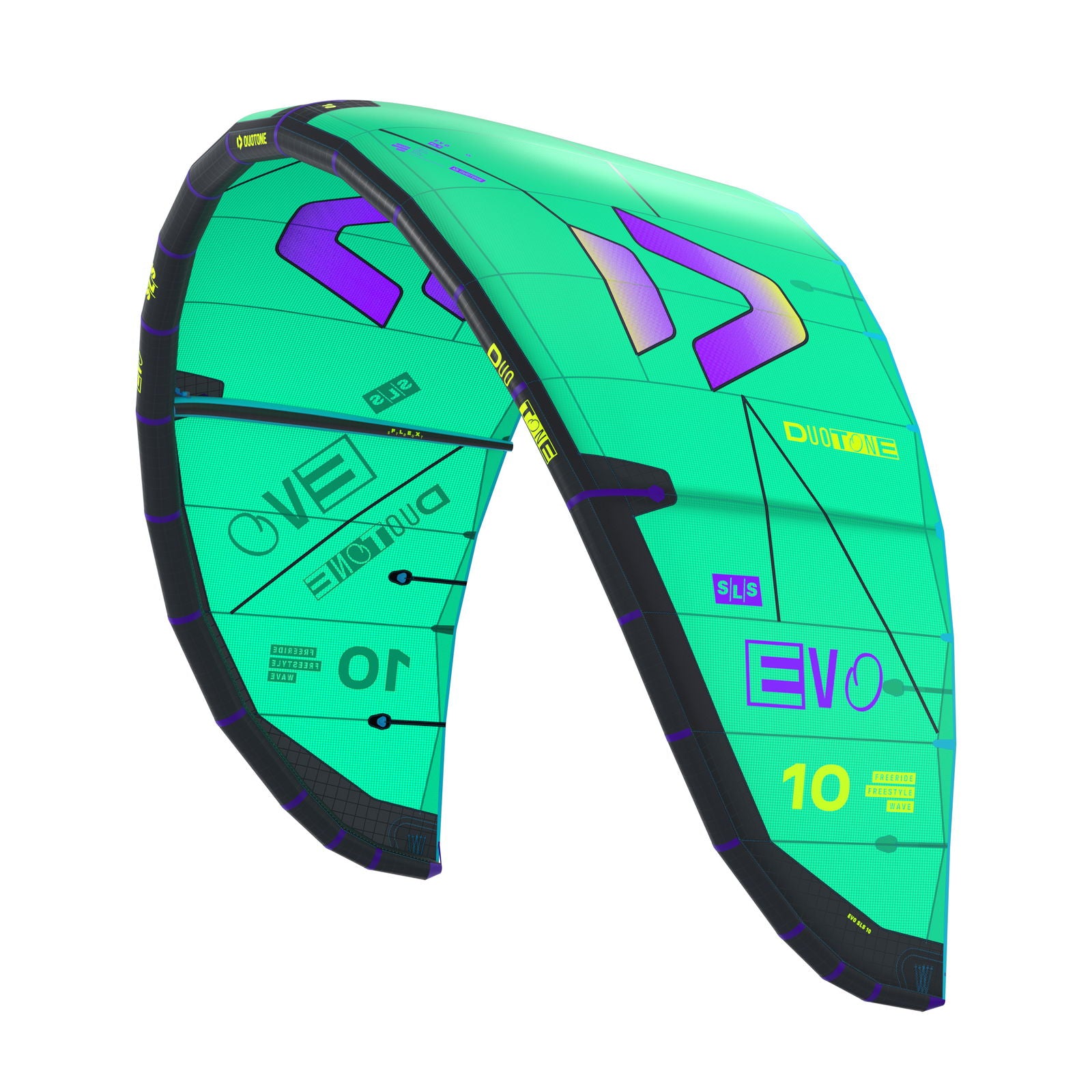
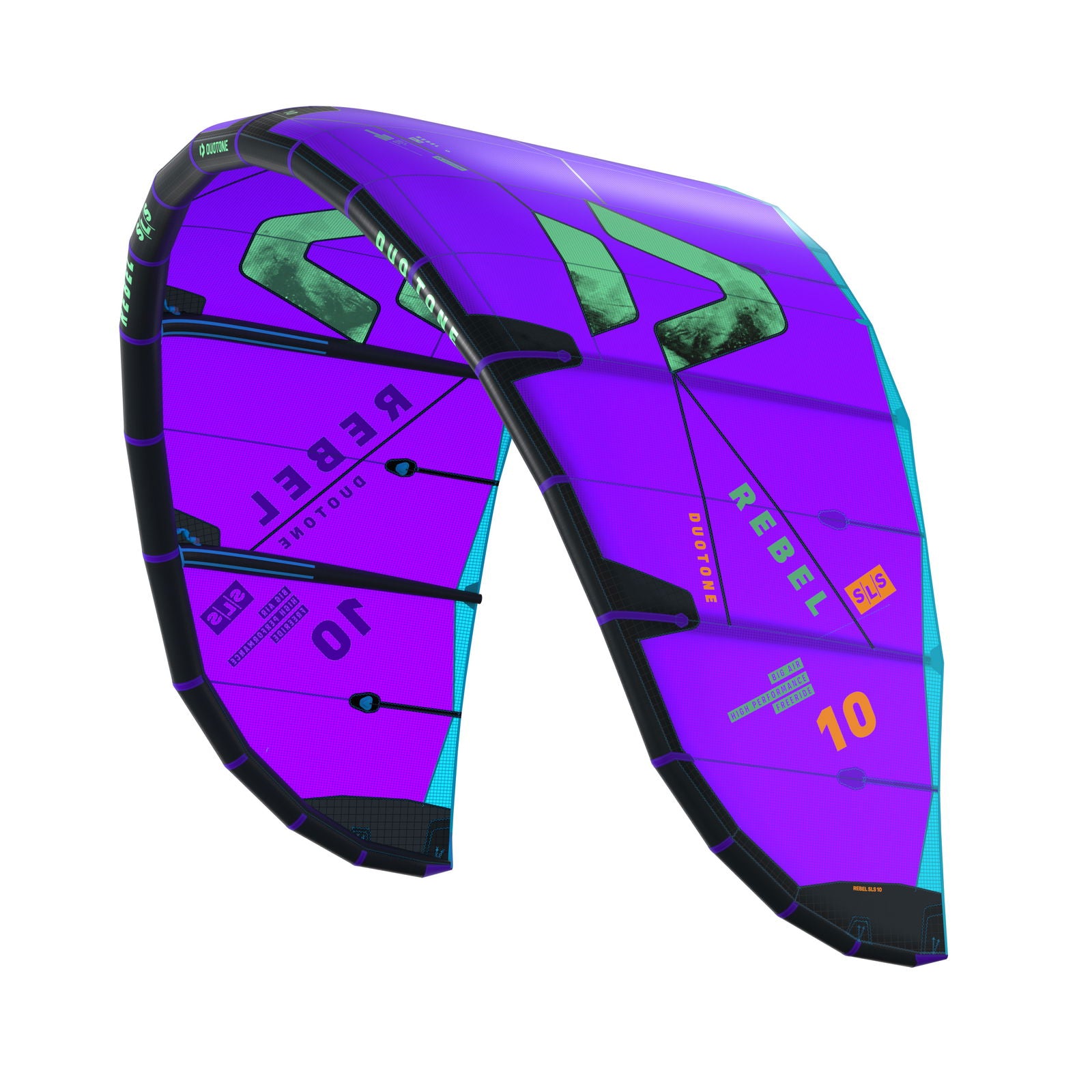
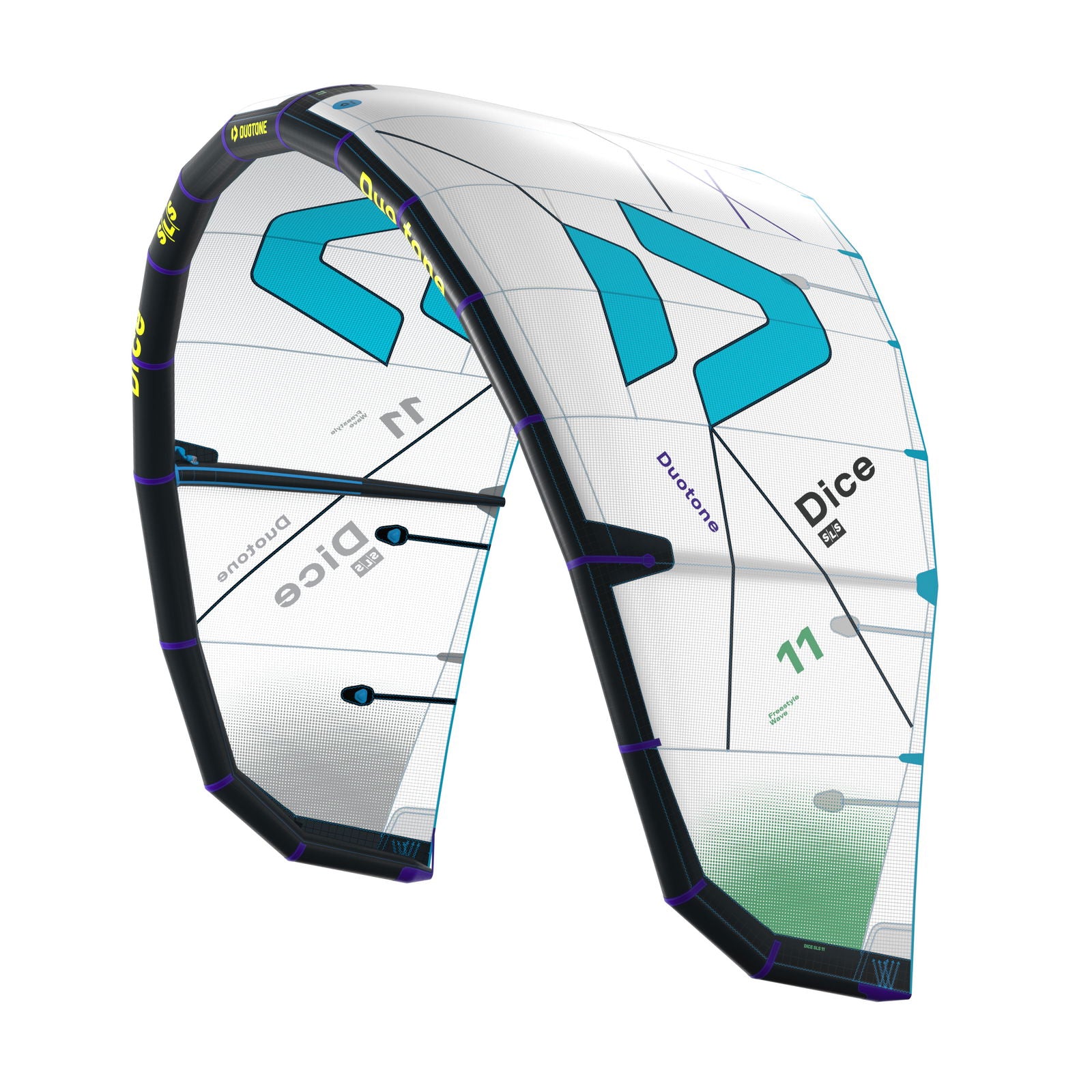
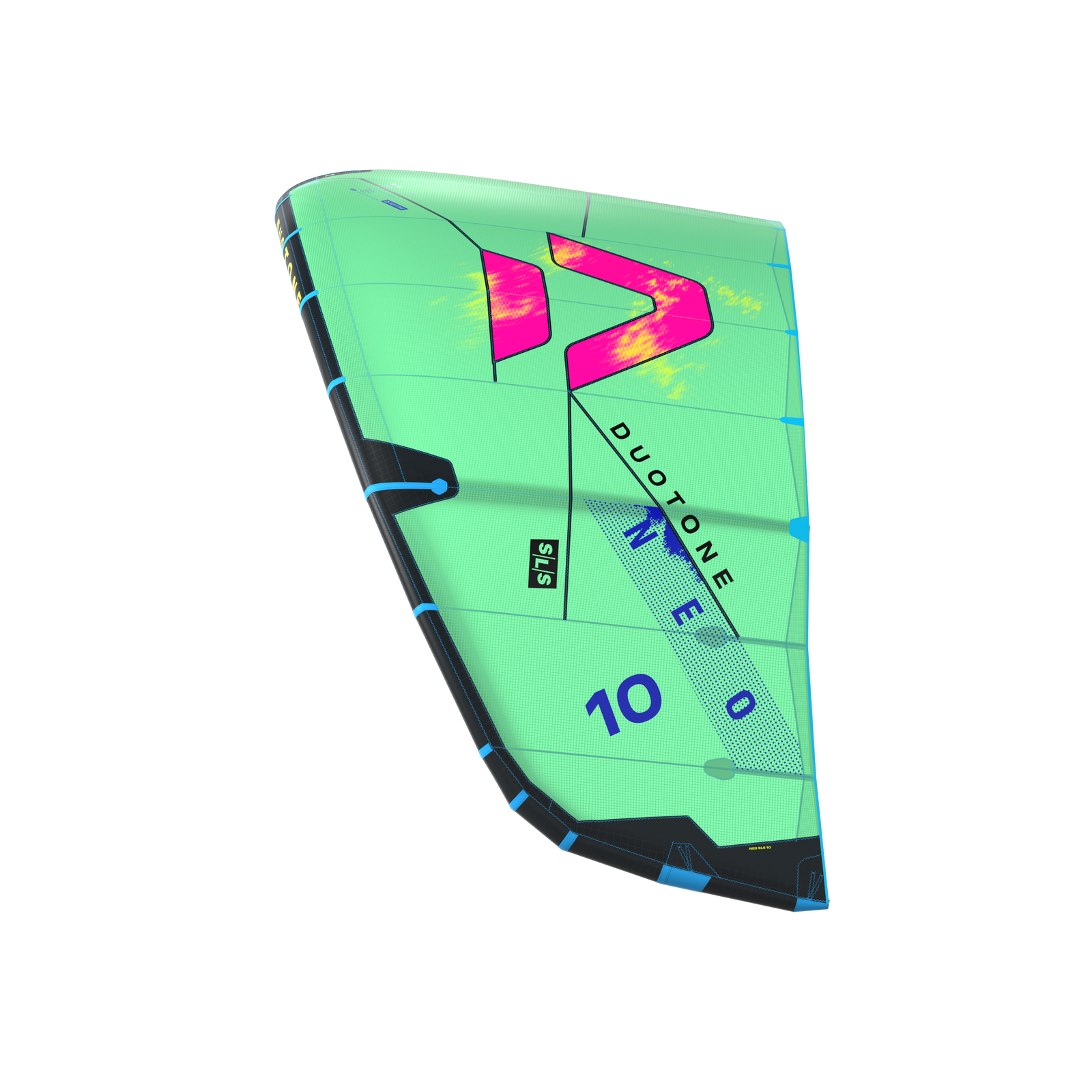
Prices and 2026 specs are pulled live from each product page. Confirm on the product page before checkout.
04 — MistakesThree mistakes we see every week
Ready to gear up for Fuerteventura?
Browse our full range of 2026 kites and find your perfect quiver for the trade winds.
Frequently asked
Start with a 12 m² in Fuerteventura's typical 12–18 knot range. Once you're comfortable, add a 9 m² for windier days. A 7 m² is overkill unless you weigh under 65 kg or chase 25+ knots daily.
November to March: steady 15–22 knots, fewer days of riding out, and swell on tap. Summer works, but you'll face lighter winds and more crowds.
Not really. The reef, deeper water, and gust spikes demand confidence and strong edge control. Stick to Corralejo or Cabarete until you've logged 20+ hours.
Wave. Fuerteventura's real swell only shows in winter, and a wave kite (like the Rebel SLS) handles the reef and keeps you safe in unpredictable wind. Freestyle boards sink in deeper water here.