Complete Kitesurfing Gear Checklist - What Equipment Do You Need?
Kitesurfing's learning curve is steep enough without buying the wrong gear. We've stocked this stuff since 2003, and we've watched beginners drop serious cash on mismatched setups that leave them frustrated on the beach. Here's the exact checklist—what you actually need, what size matters, and how to avoid the three mistakes we see every week.
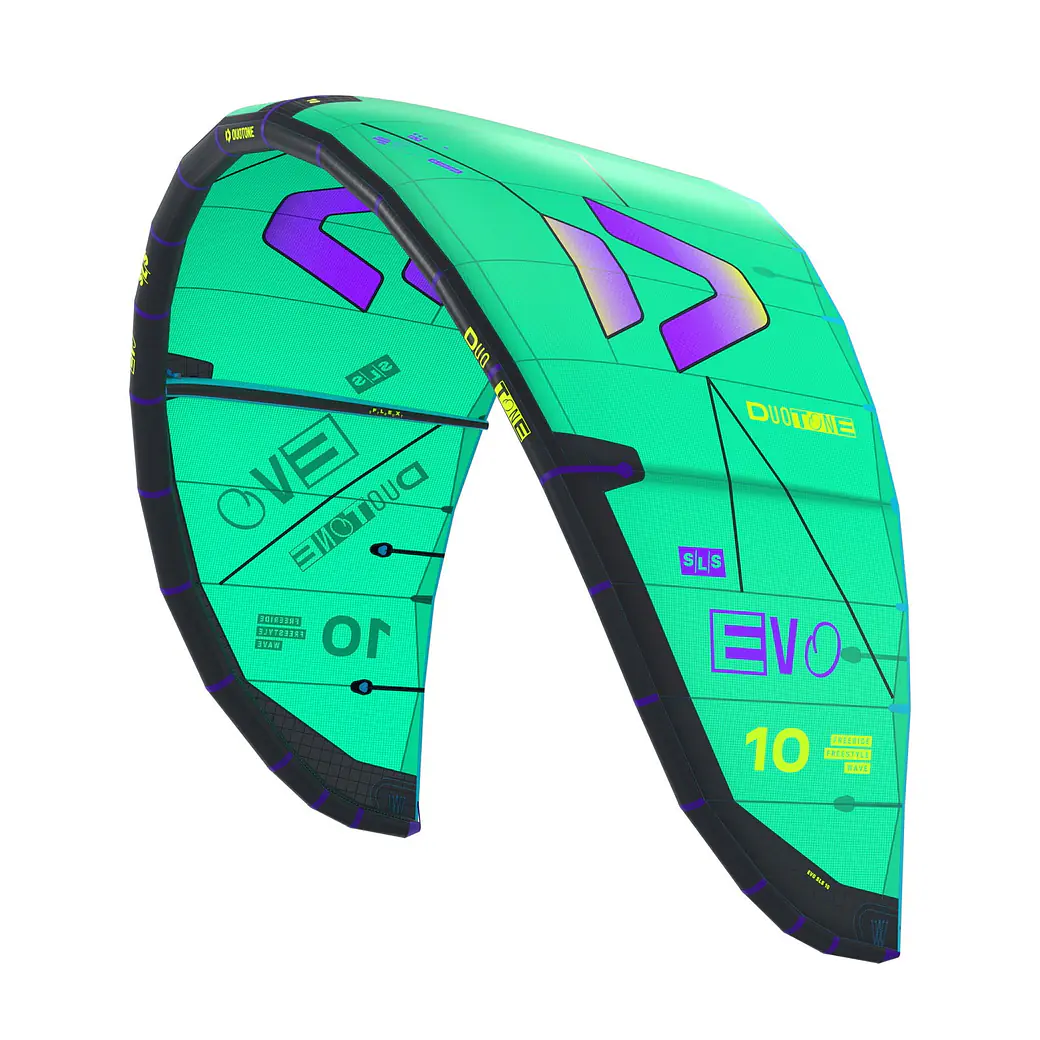
You need five essentials: a kite (10–12 m² for most riders), a bar with lines, a twin-tip board, a harness, and a wetsuit. Start with one mid-range kite that handles your local wind window—something like the Duotone Evo SLS 2026 or Duotone Neo SLS 2026—rather than chasing multiple sizes. Budget €2,500–3,500 for a solid used setup, or €4,000–5,500 new.
01 — Size & TypeThe Kite: Your Engine
The kite is where 80% of your money goes, and it's also where most beginners get it wrong. You don't need three kites on day one. Pick one that suits your average local wind—if you're riding in 12–20 knots, a 10–12 m² kite is your sweet spot. That covers most conditions without forcing you to reef or oversleep waiting for stronger gusts.
We recommend starting with something forgiving like the Duotone Neo SLS 2026 (€1,749) if you're learning, or the Duotone Evo SLS 2026 (€1,919) if you want a kite that grows with your tricks. Both are designed to be responsive without being twitchy—they won't punish small mistakes while you're finding your feet. Once you've logged 50+ hours, you can add a smaller (9 m²) or larger (14 m²) kite to your quiver.
Check the product page for exact size ranges—kite behaviour changes noticeably between 11 m² and 12 m², especially in light wind.
02 — The Supporting CastBar, Lines, Harness & Board
Your bar comes with the kite—don't buy separately. Lines should always be the same length as your bar's spec (usually 24 m). A harness distributes the kite's power to your body, not your arms. Waist harnesses are lighter and more mobile; seat harnesses give more support and are kinder to your back on long sessions. Choose based on how you ride, not price.
The board matters less than the kite for beginners, but it's your platform. Twin-tip boards range from 130–150 cm. Most riders start at 140–145 cm in 38–42 cm width. It's forgiving and turns easily—exactly what you need while learning. Don't buy a directional or wave board yet. Stick to twin-tip for your first two seasons.
A wetsuit (3/2 mm or 4/3 mm depending on your water temp) and a helmet complete the list. You need both. Non-negotiable.
03 — Our picksOur 4 In-Stock Picks
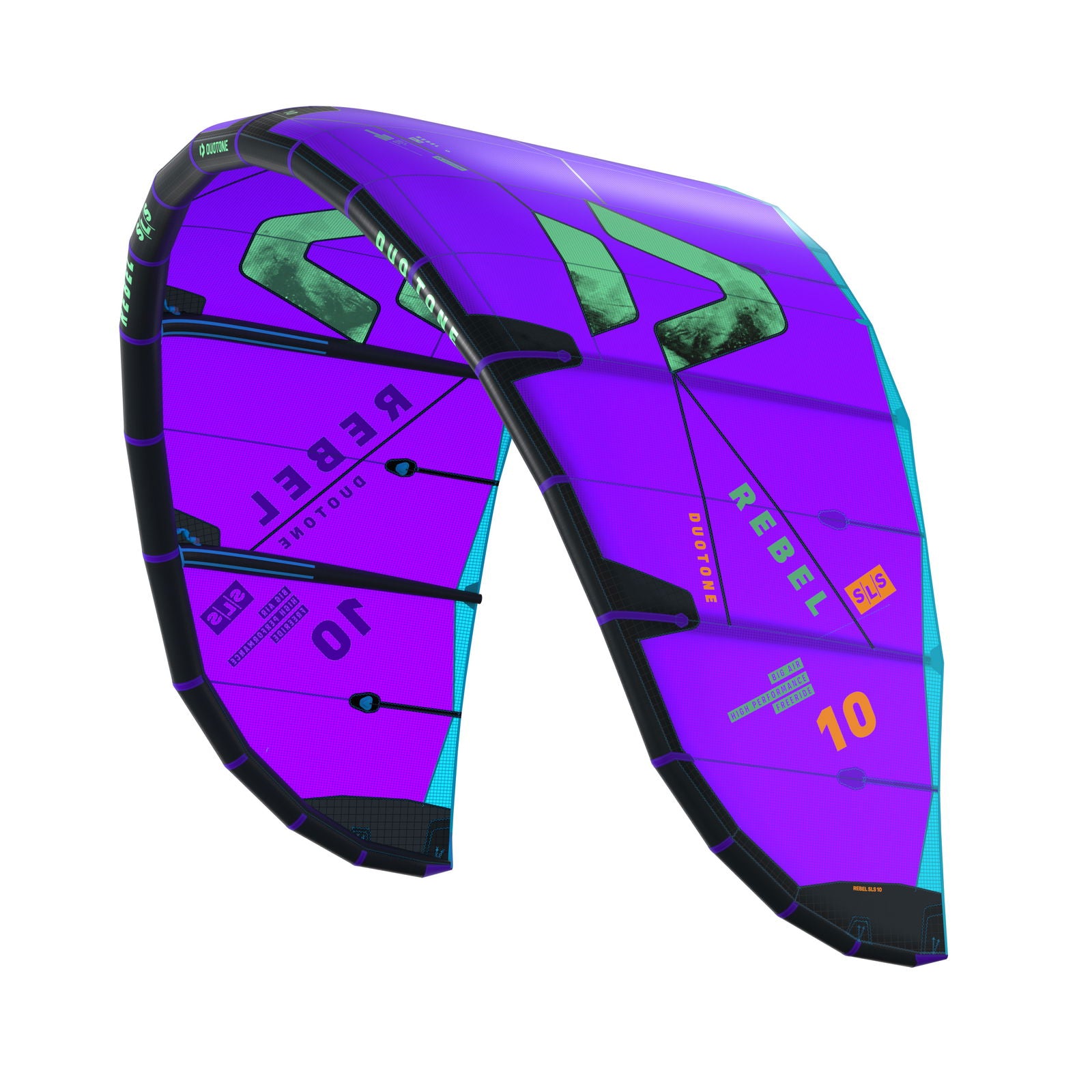
These four kites cover entry-level through intermediate. Each suits a different rider: pick one and commit to 50 hours before adding another size.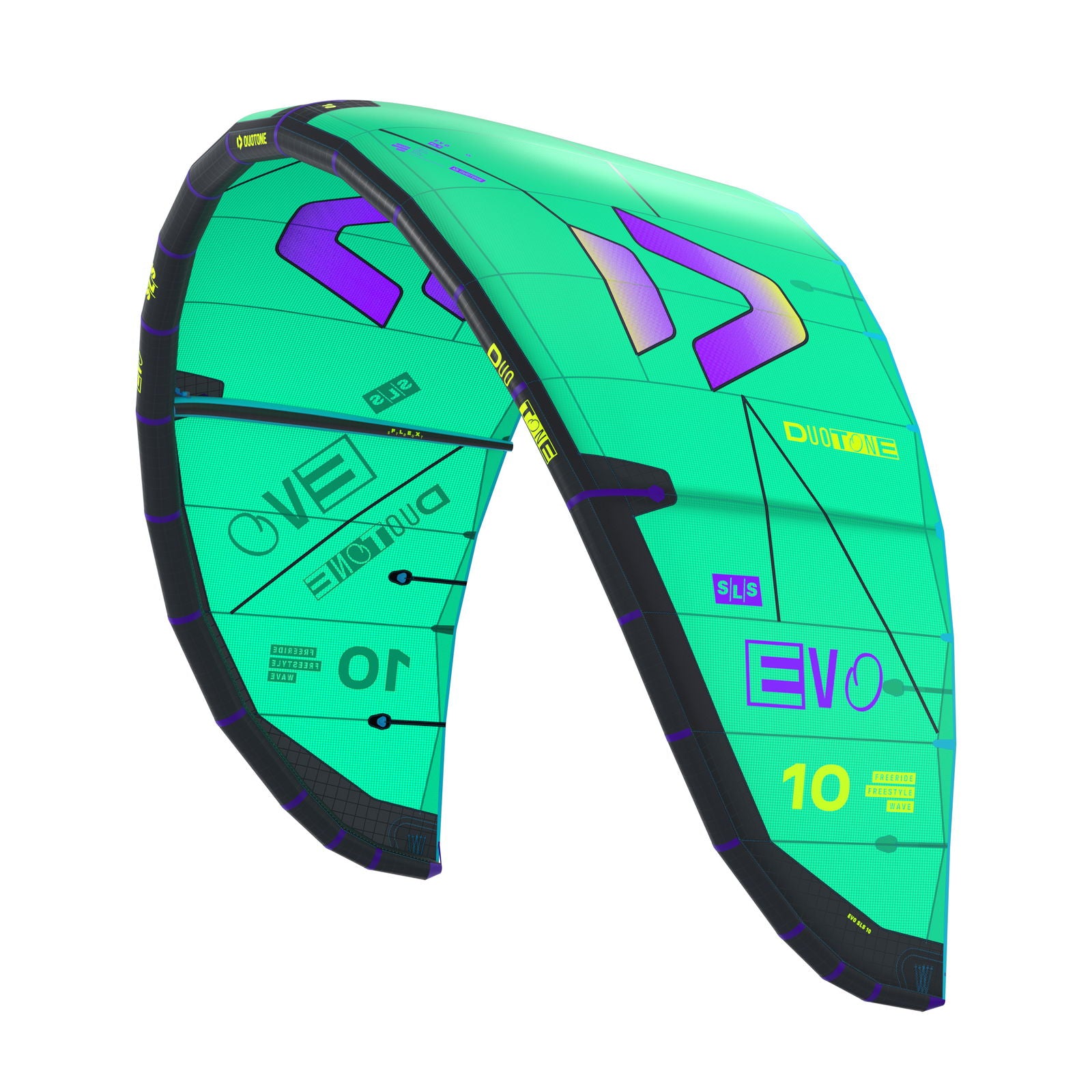
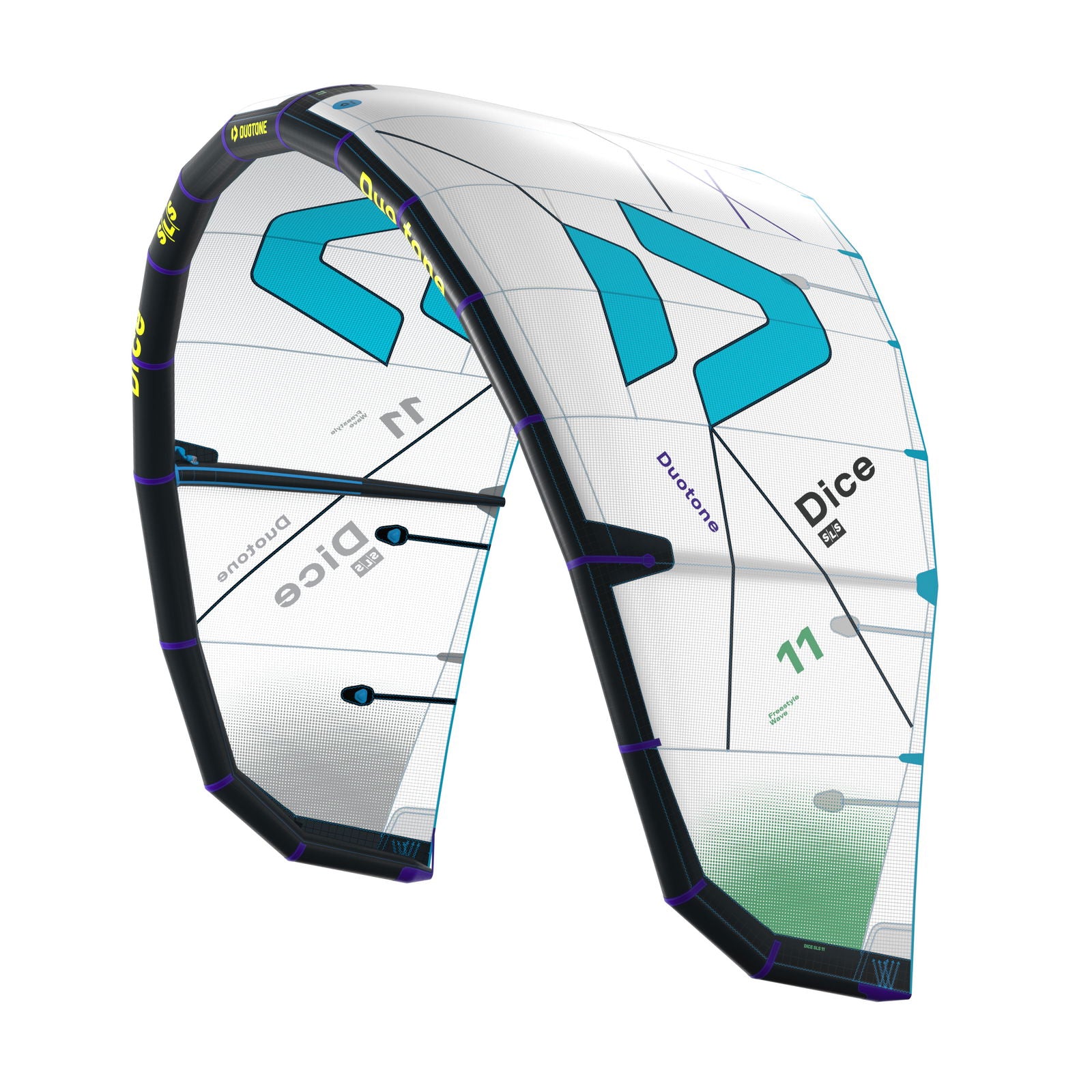
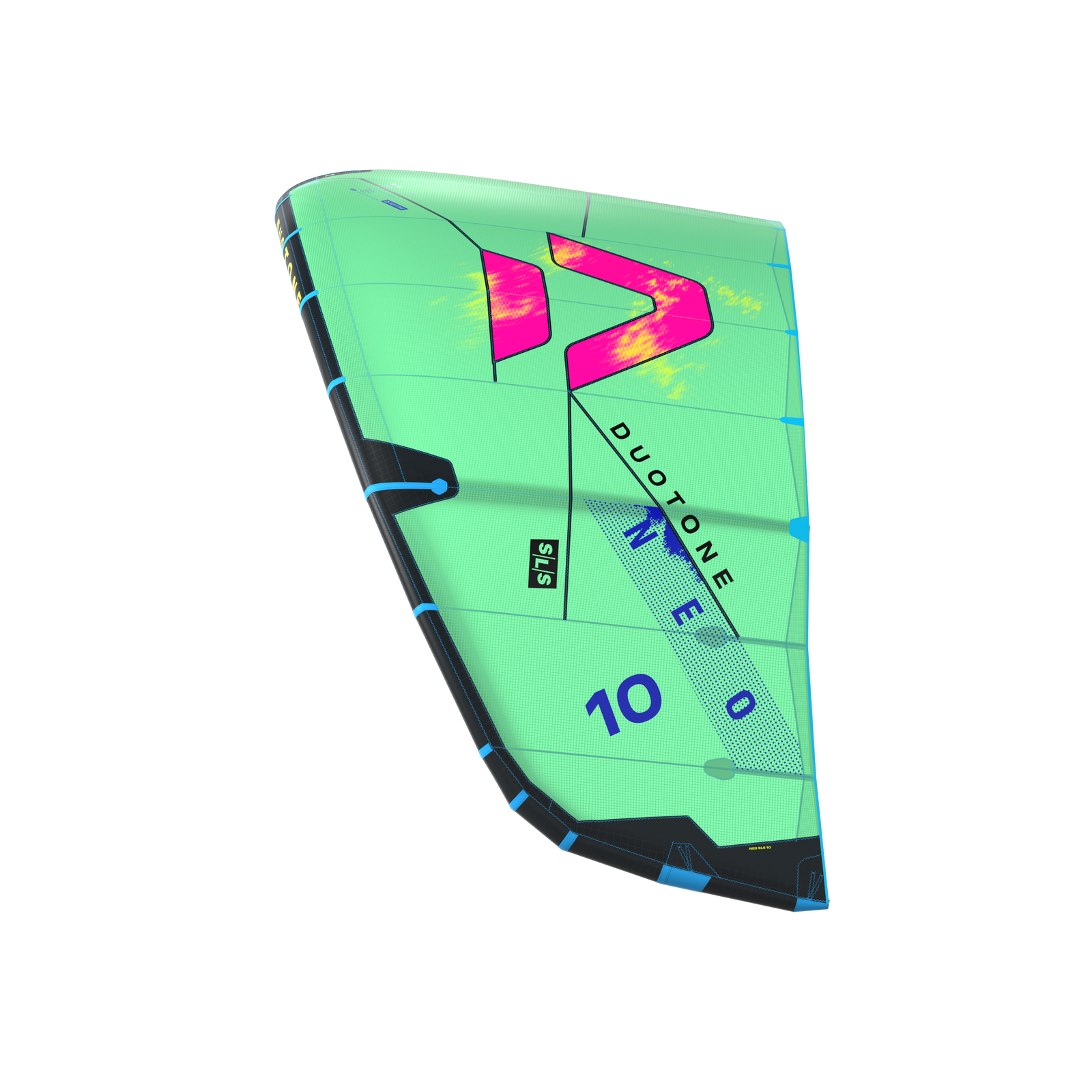
Prices and 2026 specs are pulled live from each product page. Confirm on the product page before checkout.
04 — MistakesThree mistakes we see every week
Ready to order your quiver?
Browse our full kitesurfing kite range, boards, and harnesses—all stocked since 2003, and all backed by our 20+ years of beach advice.
Frequently asked
No. A 7 m² kite is too twitchy for beginners and exhausting to relaunch. A 10–12 m² kite is more forgiving and teaches you proper technique faster. It's the better investment.
Yes. Falls happen, and the bar swings fast. A helmet protects your head without limiting visibility or comfort. Wear one every session, especially in the first year.
Waist harnesses are lighter and let you move more freely—good for tricks. Seat harnesses wrap lower and distribute force across your hips and back—better for long sessions and easier on your core.
New 2026 gear is worth the cost—better durability and resale value. Used kites older than 2023 aren't worth the risk of hidden damage or degraded cloth.