Kitesurfing Varberg Sweden — North Sea Spot Guide 2026
Varberg's a quiet Swedish gem on the North Sea coast—reliable winds March to October, sheltered bays for learning, and reef breaks for advanced riders. Here's what you need to know to get the most from this spot.
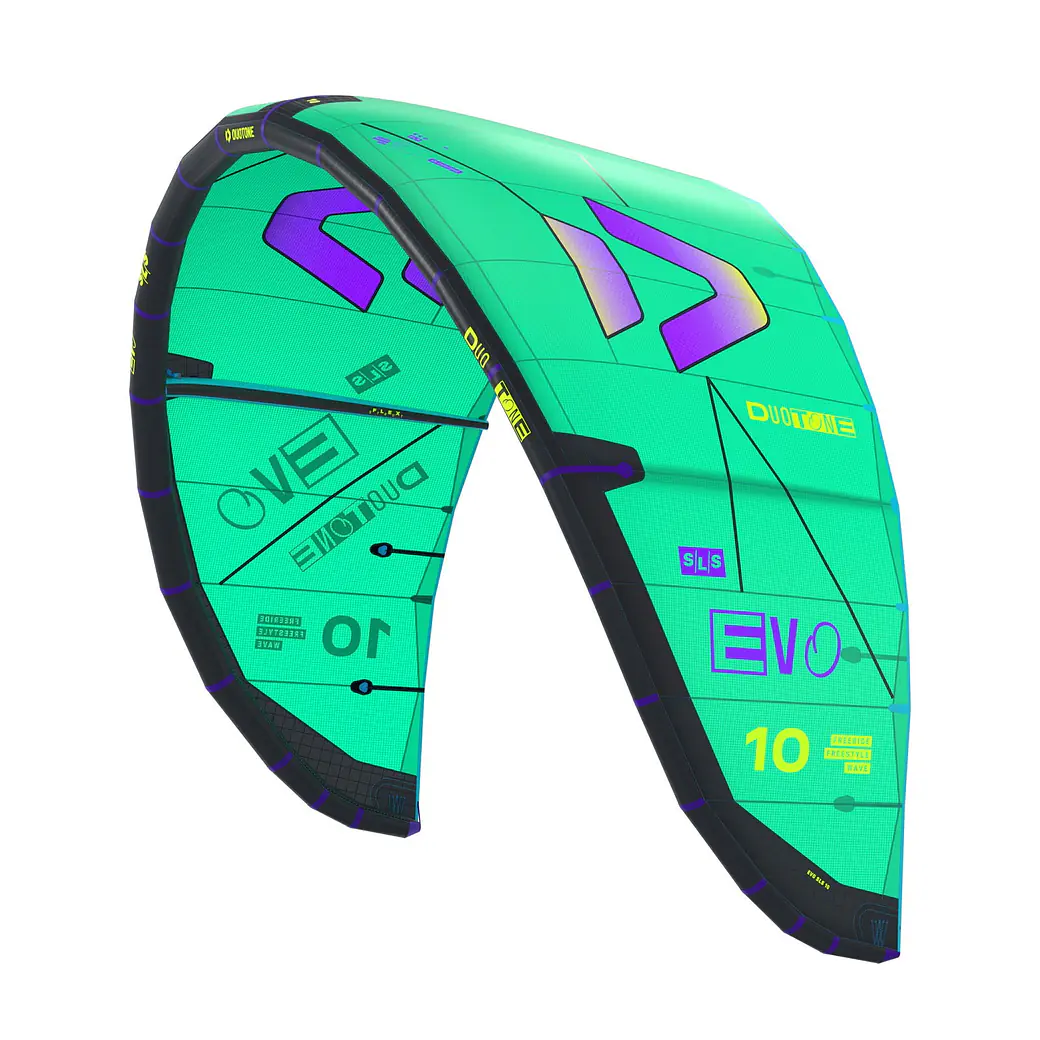
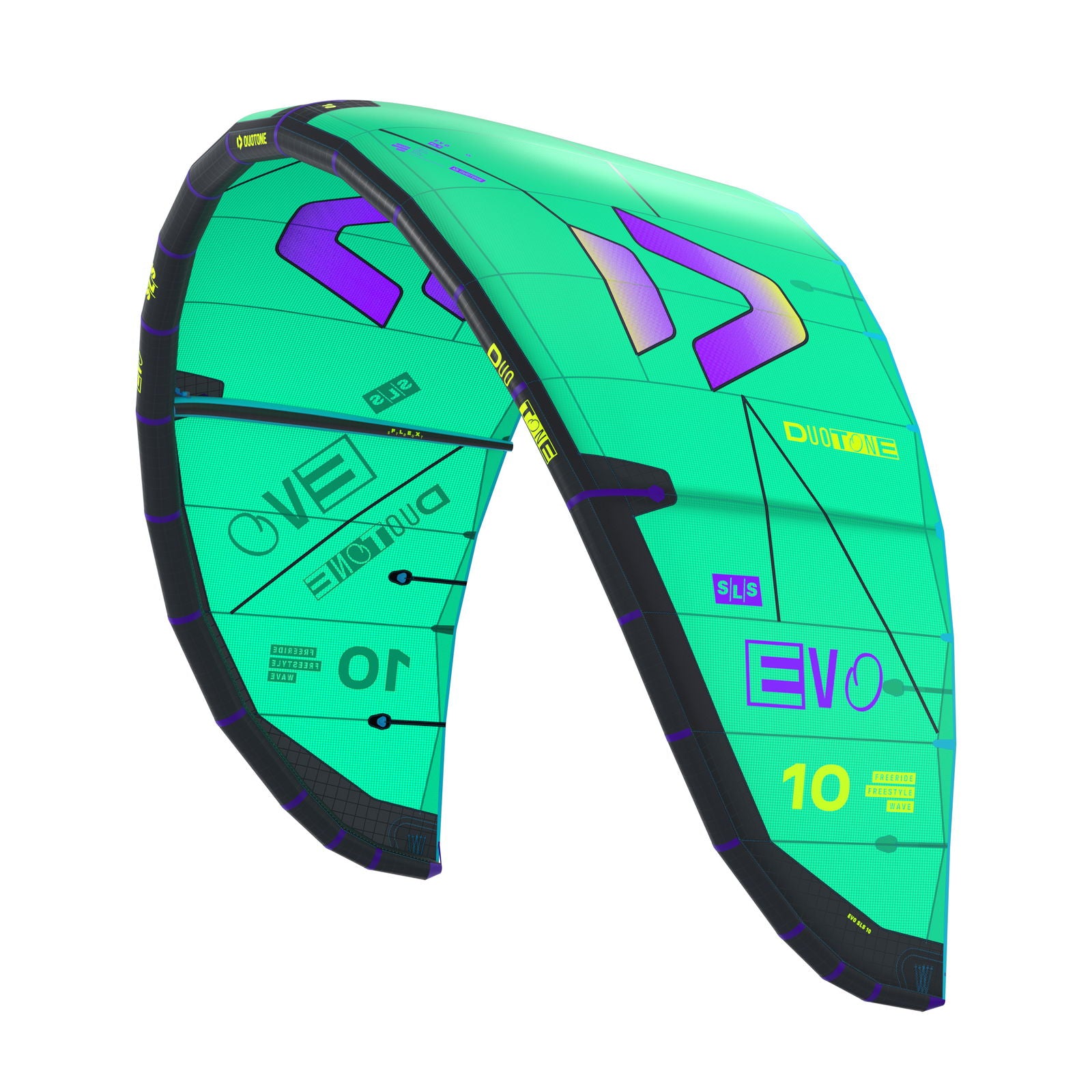
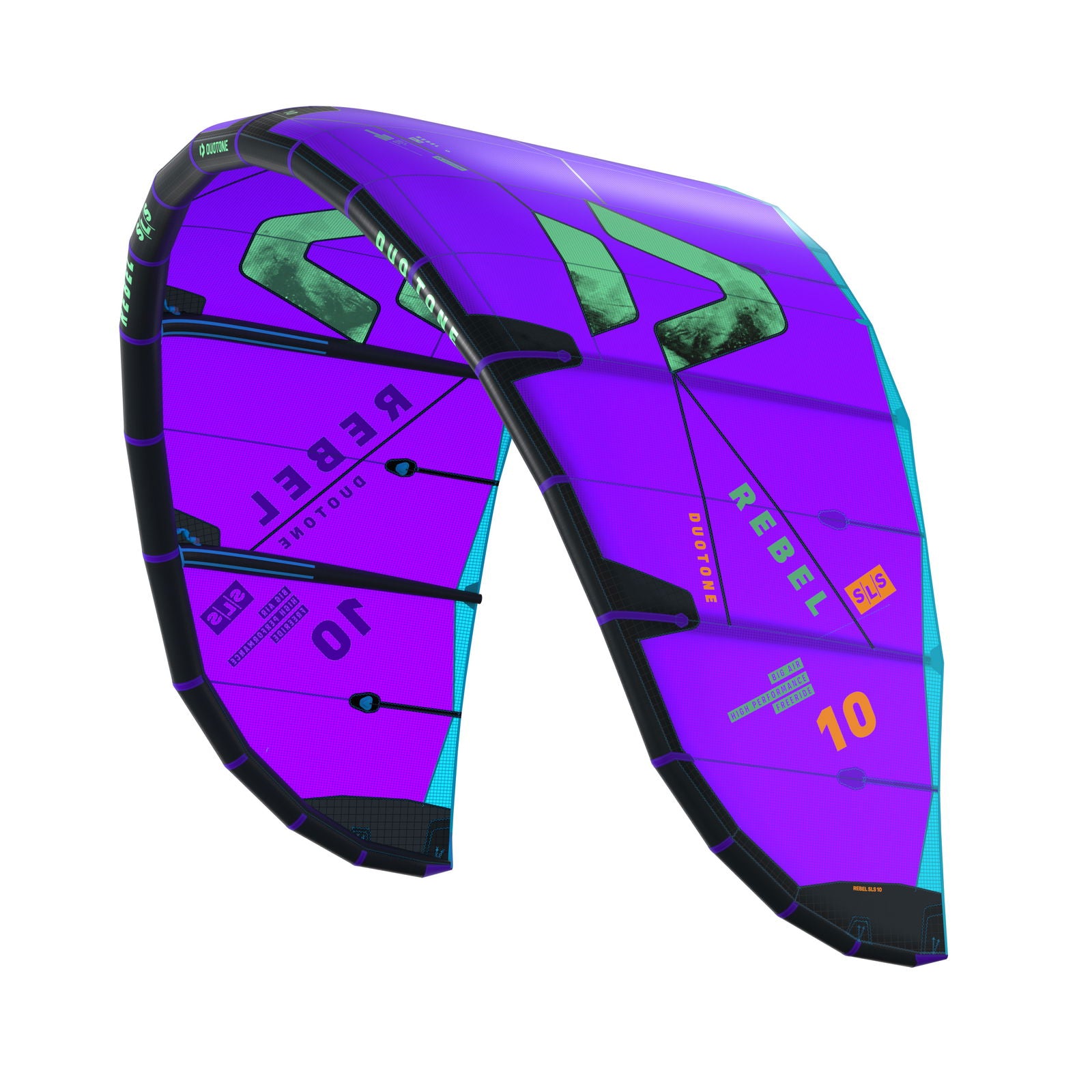
Varberg delivers 12–18 knots average with 8–14°C water, so pack a 4/3 or 5/4 wetsuit year-round. Bring a mid-sized freestyle kite (9–12 m²)—the Duotone Evo SLS 2026 is ideal for learning, or step up to the Rebel SLS 2026 when Atlantic swell arrives. Sessions run 3–4 hours when wind holds.
01 — The spotWhy Varberg Stands Out
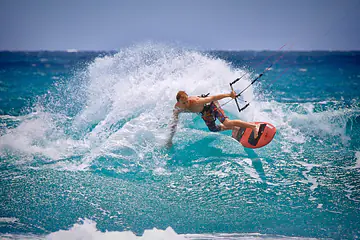
Varberg isn't crowded. That's the first thing our riders who've been there tell us. You get Atlantic swells rolling straight onto Swedish reefs, a local crew that knows every bay, and three distinct zones within 20 minutes of town. The sheltered bays (Apelviken, Nordre Strand) suit beginners—steady wind, waist-high mushy waves, sand underfoot. The exposed reef breaks handle intermediate and advanced riders when the swell jumps to 1.5–2 m.
Water temperature matters here. Even in July, you're looking at 12–14°C. May to August hover around 10–14°C. Winter (November–February) dips to 8–9°C. A lot of riders underestimate this and show up in a 3/2 thinking it's Sweden summer—don't be that rider. We see it every year.
02 — Sizing & conditionsWhat Kite to Pack for Varberg
Varberg averages 12–18 knots March through October. That's your sweet spot for a 9–12 m² freestyle kite. Most riders show up with one or two boards and assume one kite covers the range. It doesn't. In 12–14 knots, you'll struggle with a 7 m². In 18–20 knots, a 12 m² becomes overkill unless you're heavy or going for wave riding. We recommend a 9 m² and a 12 m² quiver for Varberg—covers 80% of what you'll see.
If you're new to kitesurfing, start with a 12 m² in 12–16 knot days. The Duotone Evo SLS 2026 is our pick for beginners—forgiving on the bar, stable in gusts, and handles both light freestyle and small waves. Jump to the Duotone Rebel SLS 2026 when you're landing tricks and want a kite that rewards aggressive riding in stronger wind. The Rebel's built for swell days and has the grunt to punch through chop.
03 — Our picksOur 4 In-Stock Picks for Varberg
We've stocked Duotone since 2003, and every kite below is in our warehouse right now. Pick by your skill and the wind you expect to find most often.
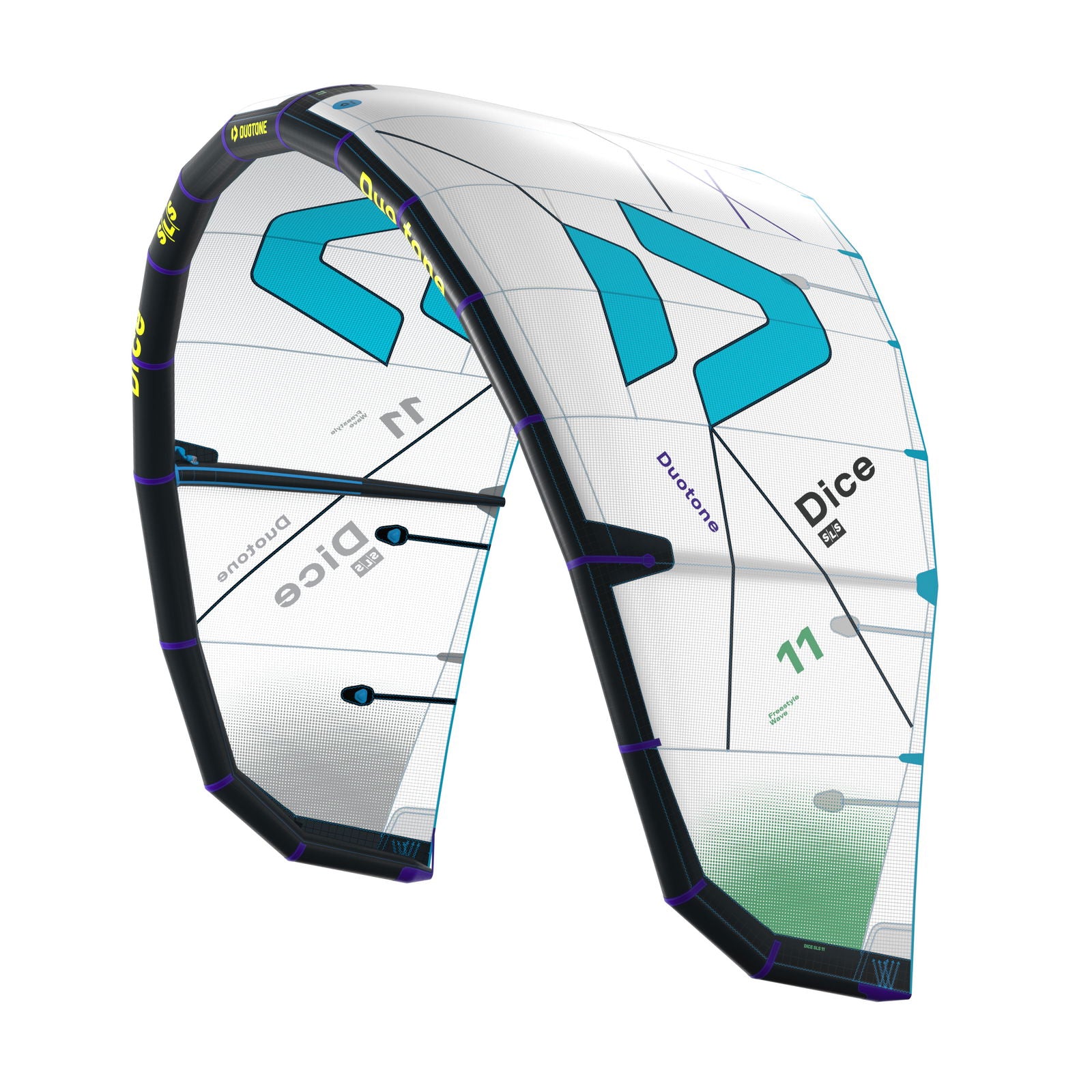
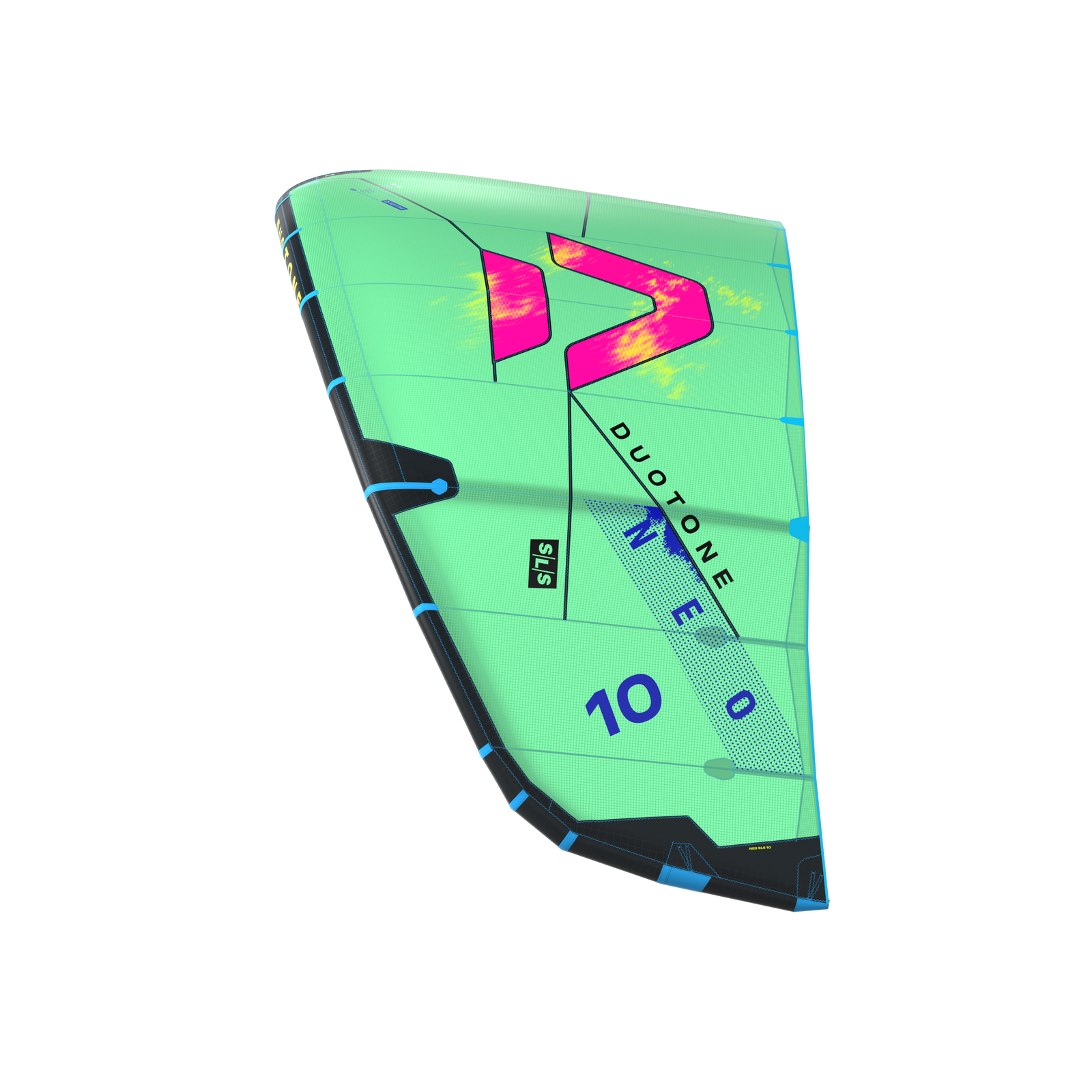
Prices and 2026 specs are pulled live from each product page. Confirm on the product page before checkout.
04 — MistakesThree mistakes we see every week
Ready to ride Varberg this season?
Browse our full Duotone and Cabrinha kite range—all 2026 stock, in-warehouse, ready to ship.
Frequently asked
March to October offers consistent 12–18 knot wind and warmer water (8–14°C). Atlantic swells peak April–September. Winter is possible but water hits 8°C and requires a thick wetsuit.
No. The sheltered bays (Apelviken, Nordre Strand) are beginner-friendly—flat, safe, and sand-bottomed. Start there, then venture to reef breaks once you're confident.
Yes. Flat-water bays are perfect for twin-tips and freestyle. Reef breaks are better for surfboards and directional boards when swell arrives.
The Evo SLS 2026 suits beginners in 12–16 knots. The Rebel SLS 2026 rewards intermediate riders who want power and wave control in 16–22 knots. Pair a 9 m² and 12 m² for the full wind range.