Kitesurfing the Poniente — Tarifa West Wind Guide
Understanding the Poniente Wind
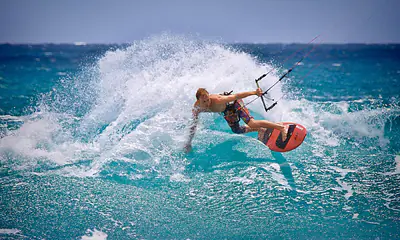
The Poniente is the Atlantic's gift to Tarifa. This warm, westerly wind flows in from the Atlantic, funnelling through the Strait of Gibraltar with incredible consistency. Unlike its sibling--the cold, gusty Levante from the east--the Poniente builds gradually, stays steady, and delivers forgiving conditions that reward both beginners learning to pop and veterans chasing freestyle tricks. You'll feel it most reliably from late spring through autumn, though winter can bring surprise sessions too.
What makes the Poniente special for kitesurfing is its reliability and rhythm. It typically starts light in the morning (12-15 kts), peaks mid-afternoon (18-25 kts), then eases off by dusk. The fetch from the Atlantic means waves are modest but shapely--0.5 to 1.5 metres most days--perfect for building your edge control and exploring flat-water freestyle without the commitment of bigger swell. Local spot knowledge matters: the closer you are to the main channel near Punta de Tarifa, the stronger and more westerly the flow; move into the bay, and you'll find sheltered pockets where 14m kites still work when the point is cooking at 25 kts.
Best Gear for Poniente Sessions
Your Soft-Wind Setup
A 14-17m freeride or freestyle kite paired with a comfortable twintip (139-153 cm) gives you float and early-sheet power. You'll need a harness with good back support for long sessions, and consider a thinner winter wetsuit (3/2mm) since Poniente brings warmth. Light wind rides here are forgiving--perfect for learning new tricks or building consistency.
Your Peak Poniente Arsenal
Drop to a 9-12m kite (wave or freestyle model) and grab a smaller, stiffer twintip (133-139 cm) for precise control in choppy water. A 3/2mm summer suit or spring suit keeps you cool, and a low-profile impact vest handles the intensity. At these speeds, you're managing the kite more than chasing power--weight forward, solid edge control, and a quick release mindset are non-negotiable.
The Evo SLS is built for exactly this: steady, medium-strength Atlantic wind where finesse beats raw power. Smooth bar feel, progressive power delivery, and brilliant wave-riding characteristics make it the most versatile choice for Poniente mornings and afternoons. You'll land tricks easier, manage gusts more calmly, and still have room to grow.
If you're living at Tarifa and chasing tricks in the Poniente's softer morning window, the Nitro Apex rewards your commitment. Predictable bar feel, strong hang-time, and exceptional forgiveness on missed pops. The Apex build keeps it responsive without exhausting your arms on lighter days.
Technique Tips for the Poniente
- Read the rhythm early -- The Poniente has a clock. Start at 8 a.m. when it's tender, build your edge and pop game, then reassess at 11 a.m. By 2 p.m., it'll be cooking; switch to smaller kites and wave tactics if the swell has grown.
- Stay upwind of your launch spot -- The Poniente pushes consistently onto the beach. Always launch and ride with a clear exit to shallow water; never get sucked into deeper channels if you lose the kite.
- Manage gusts from shore thermals -- Mid-afternoon, heating sand near the beach can spawn brief, 3-5 kt surges. Stay centred in the kite's sweet spot and keep your weight forward; don't fight gusts with tension.
- Use small-diameter waves for wave riding -- Poniente swell is rarely tall, but it's clean and forgiving. Practice your bottom turn and lip slap on 0.5-1m waves; it's ideal for building confidence before bigger Atlantic swells arrive.
- Set a consistent line downwind -- Tarifa's bay offers shallows and deeper channels. Pick a landmark on shore to track your drift; you'll avoid surprises and stay in the safest riding zone.
Safety Checklist for Poniente Sessions
The Poniente peaks hard between 1-4 p.m., sometimes jumping 5-7 kts in minutes as thermals kick in. If you're flying a 14m in 18 kts at lunch, you may be over-powered by 3 p.m.--reassess every two hours and have a smaller kite staged on shore.
Tarifa's main strait has a powerful current that'll push you offshore if you're blown downwind. Always have a clear exit plan; mark the deepest water you can safely recover in, and never hesitate to ditch early if you're losing wind or spotted drifting past safety markers.
Poniente can kick up dust and chop near the shoreline. Always scout the launch beach for rocks, shallow banks, and other riders before inflating. The wind's consistency is a blessing--use it to plan, not to rush.
Tarifa's salty environment corrodes kite gear faster than inland spots. Rinse your entire setup with fresh water after every session, check your bar's depower cable for fraying, and replace valve seals annually. A failed bar in steady 20-kt wind is a real emergency.
The Poniente's beauty is that it lasts all day--but by 6 p.m., the light drops fast and other water users (ferries, fishing boats) become harder to spot. Always have a buddy, and call your session before dark.
Our Gear Recommendations at Surf Store
We've put hundreds of hours in Poniente wind ourselves, and we know what works. Here are the kites and setups we'd grab for a week at Tarifa:
The Dice SLS is our top recommendation for a week-long Poniente mission. Ultra-predictable in the Strait's funky offshore thermals, it excels in 14-18 kt mornings and stays manageable even when gusts spike mid-afternoon. Excellent wave rider too--launch a 14m at dawn, and you're set until lunch.
Budget-conscious and riding Tarifa for the season? The Drifter Apex delivers reliable, forgiving performance across the entire Poniente range. Robust Apex fabric shrugs off salt spray and UV, making it ideal for daily sessions in a demanding climate. Strong wave-riding platform too.
Ready to Chase Poniente?
We're in Maribor, Slovenia, but we ship across Europe within 24 hours. Expert advice, authorized stock, gear trusted by 6,000+ riders since 2003.