Sea Breeze & Thermal Wind — Kitesurfing Guide
Understanding Thermal Sea Breeze
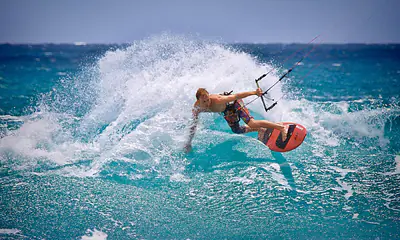
Thermal sea breezes are nature's most reliable wind machine for coastal kitesurfers. As the sun heats the land through the day, warm air rises inland, creating a pressure gradient that pulls cooler air in from the sea. The result is a steady, gentle-to-moderate wind that builds predictably from mid-morning, peaks in early afternoon, and dies as the sun sets. It's textbook light-wind progression weather--smooth water, forgiving gusts, and pure fun.
On the Slovenian coast and across Europe, thermal sea breezes thrive on clear, high-pressure days with weak synoptic winds. You'll notice the wind starting around 10 kts mid-morning, building to 12-14 kts by noon, and often touching 16 kts on strong thermal days. The beauty is consistency: minimal chop, predictable lulls, and no sudden 20+ kt shocks. This is the condition every kiter dreams of for learning new tricks or just enjoying smooth, glassy sessions.
Best Gear for Thermal Sea Breeze
Setup for Early / Marginal Thermals
A 15-17m freeride or all-around kite gives you maximum lift and responsiveness when the breeze is building. Pair it with a larger twintip (42-48L) to stay upwind and hold position in lighter gusts. This is forgiving territory--perfect for intermediates working on style or beginners extending their session time.
Setup for Strong Midday Window
A 12-14m all-rounder or freeride kite is ideal once thermals peak. Drop to a smaller, more responsive twintip (36-42L) for better tricks and speed control. This is where most kiters ride--enough power to progress, light enough to stay in control. The smooth conditions reward technique refinement over raw power.
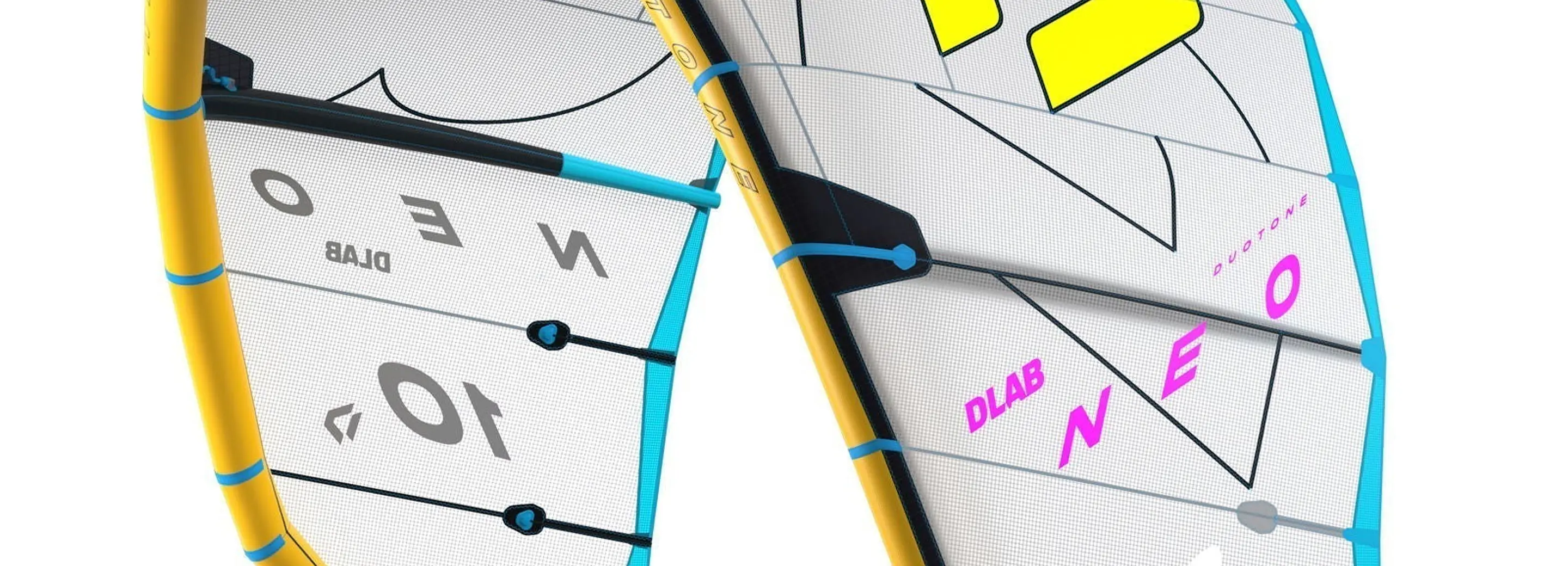
The Juice is made for thermal sea breeze. Its lightweight bridle and soft handling shine in smooth water and moderate wind--you get early response without fighting gusts. The 12-14m range is perfect for peak thermal hours, and the forgiving arc keeps you progressing without frustration.
The Evo is the all-rounder that handles the full thermal sea breeze window beautifully. Its modular bridle adapts to wind shifts, and the stable turning arc keeps you locked in on light days. Move up a size (14-17m) early session, drop down (12m) for peak, and you've covered the entire thermal window with one kite model.
Technique Tips for Thermal Sea Breeze
- Watch the shore for wind tells -- Thermal sea breezes always approach from the sea, so look for ripples moving shoreward or dust/spray drifting inland. This tells you when the breeze is arriving or strengthening inland. Position yourself to catch it early.
- Work the noon-to-3pm window -- Thermals peak when ground temperature is highest. Plan your session for midday; you'll get the steadiest, strongest conditions with the smoothest water. Early morning and late afternoon thermals are weaker and less reliable.
- Stay upwind in lighter phases -- Early thermals (8-11 kts) require aggressive upwind work. Keep your kite high, lean back, and use edge pressure to maintain position. A larger board (46-48L) helps you stay in the game when gusts are lean.
- Use the glassy water for tricks -- Thermal sea breeze creates mirror-smooth conditions perfect for practicing unhooked passes, handle passes, and style moves. The consistent wind and flat water mean every mistake is controllable--ideal for progression.
- Expect the wind to die at sunset -- As soon as the sun dips and ground temperature drops, the thermal engine shuts off. Be off the water 30 minutes before sunset, or you'll find yourself drifting back to shore in 4-6 kts of wind.
Safety Checklist for Thermal Conditions
Thermal sea breezes collapse fast once the sun touches the horizon. Don't get caught far offshore in 5 kts with no way back. Always plan an exit 30-45 minutes before sunset.
Early thermals are weak and patchy. Don't venture far upwind on a 9 kt gust expecting it to hold. Stay in a recovery zone until the breeze stabilizes above 11 kts around midday.
A 17m kite on an 8 kt thermal morning will overpower you the moment the breeze touches 12 kts. Upsize conservatively: start at 15m, then drop to 12m by noon. This prevents surprise over-power in rising wind.
Thermals can create weak side-shore or cross-shore gusts as they build. Watch for unpredictable wind direction changes during transitions. Keep your kite in the power zone and your weight centred until the breeze settles.
A weak low-pressure system or morning onshore wind can override thermal sea breeze entirely. Always check the forecast before committing--thermals only work on clear, high-pressure days with minimal synoptic wind.
Our Gear Recommendations at Surf Store
Thermal sea breeze kitesurfing rewards kites that are responsive, light in the bridle, and forgiving. We stock the best European and premium Asian brands, all tested on conditions just like this. Here are our top thermal sea breeze picks:
The Nitro Apex is Cabrinha's sweet spot for steady, light-wind conditions. It's more direct and playful than the Drifter, with excellent drift and relaunch. Perfect for thermal days when you want to refine tricks in smooth, predictable wind.
The Dice SLS delivers a stable, forgiving ride across the thermal sea breeze window. It's slightly more stable than the Evo but still reactive--ideal for intermediates building confidence in light, smooth conditions without breaking the bank.
Ready to Master Thermal Sea Breeze?
Our team lives and rides on European thermal days. We stock Duotone, Cabrinha, and other premium brands tested in real conditions. Get expert advice on size, free EU shipping from €99, and 30-day returns.