Twin Tip vs Directional Kiteboard 2026 — Compared
Twin tips and directional boards solve different problems on the water. We'll walk you through the core differences so you pick the right one for how you actually ride.
Pick a twin tip if you want freestyle tricks, switch riding, and one board that handles everything from flatwater to chop. Choose directional if you're chasing wave performance, downwind speed, or a more refined edge hold. Twin tips dominate park sessions; directionals own the waves.
01 — Freestyle & ParkTwin Tip: Symmetry and Versatility
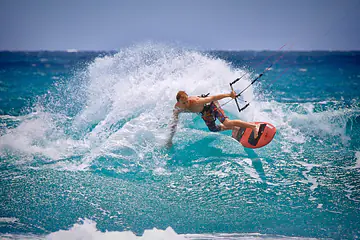
A twin tip has identical nose and tail, which means you can ride switch—forward or backward—without the board fighting you. That symmetry is why freestyle riders and park sessions live on twin tips. Pop is consistent both ends, tricks lock in, and you're not wrestling the board's geometry.
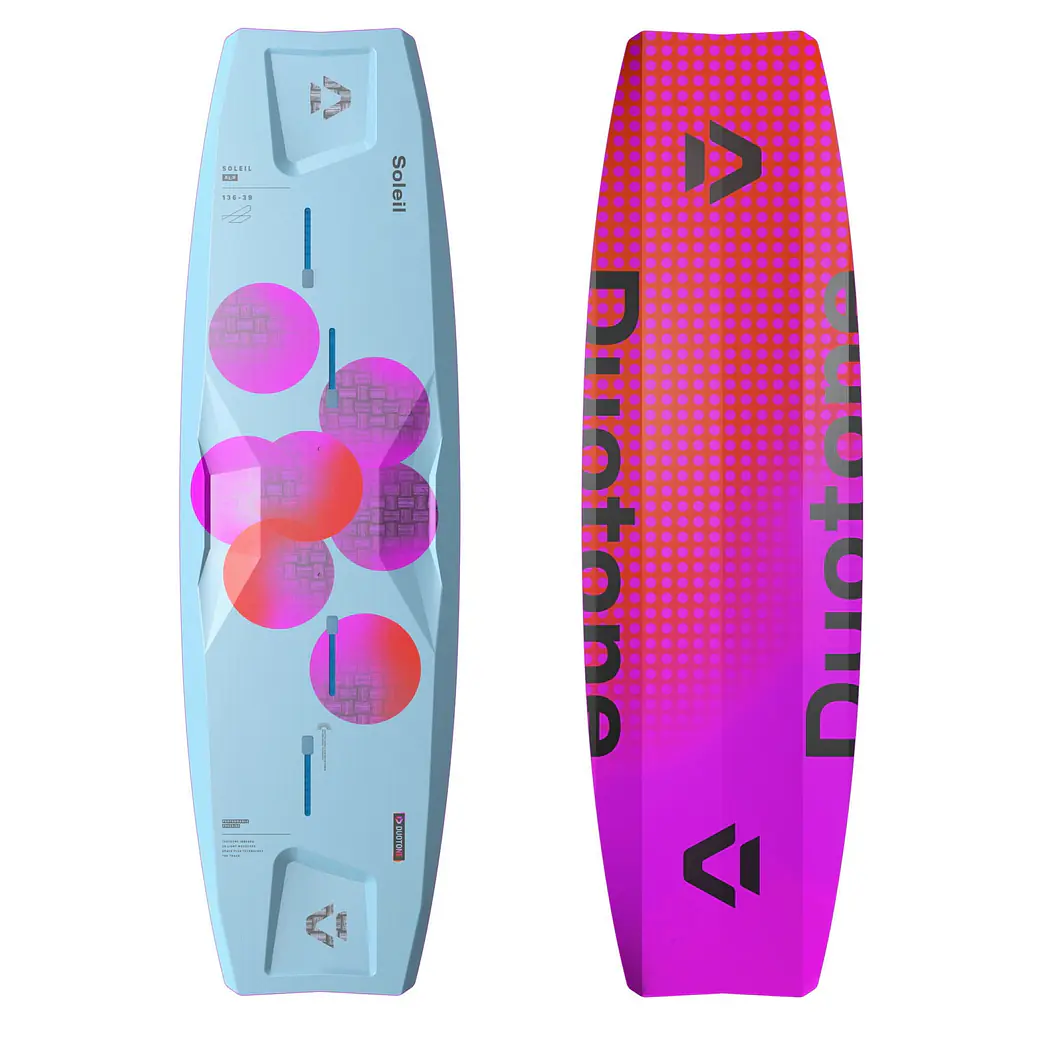
They're also forgiving in choppy water. The extra flotation and blunt edges keep you planted when wind picks up or flatwater gets lumpy. You'll find twin tips between 130 and 150 cm—most riders sit in the 136–142 cm range depending on weight and riding style. Wider outlines (41–44 cm) give you more platform for landings.
02 — Wave & SpeedDirectional: Wave Drive and Downwind Pace
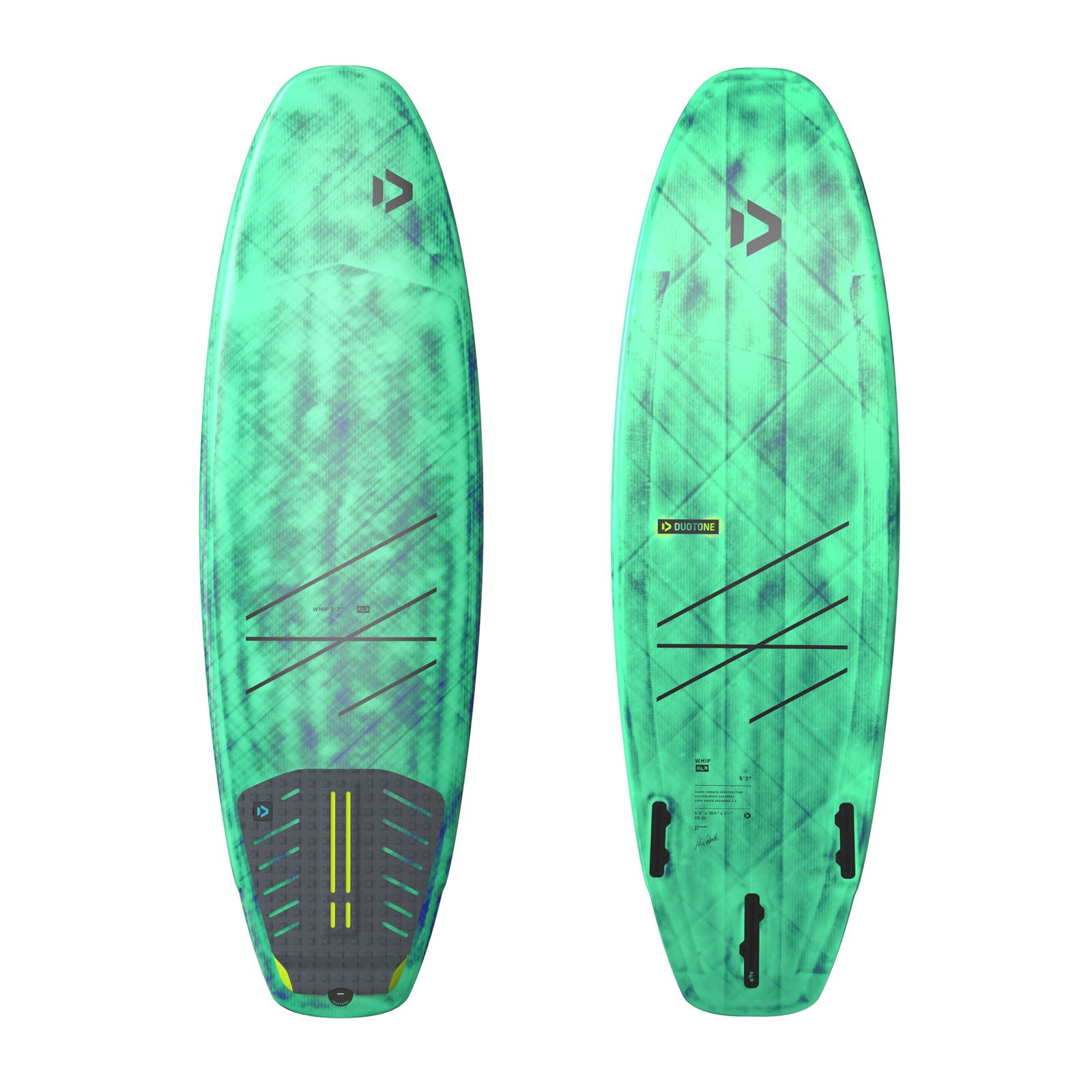
Directional boards have a narrower tail and pin nose—asymmetrical on purpose. That shape cuts through waves, holds an edge in strong wind, and generates forward drive you don't get on a twin tip. If you're riding swell or hunting downwind runs, a directional is faster and more responsive.
The trade-off? You can't ride switch comfortably. Directionals are also less forgiving in lumpy flatwater—they need cleaner conditions to shine. Most directionals sit around 136–140 cm, narrower in the tail (38–40 cm) for agility. Pick one if your sessions lean toward waves or strong-wind blasts.
03 — Our picksOur 4 In-Stock Picks
We've stocked Duotone and Cabrinha since 2003. Here's what we're riding and recommending for 2026.
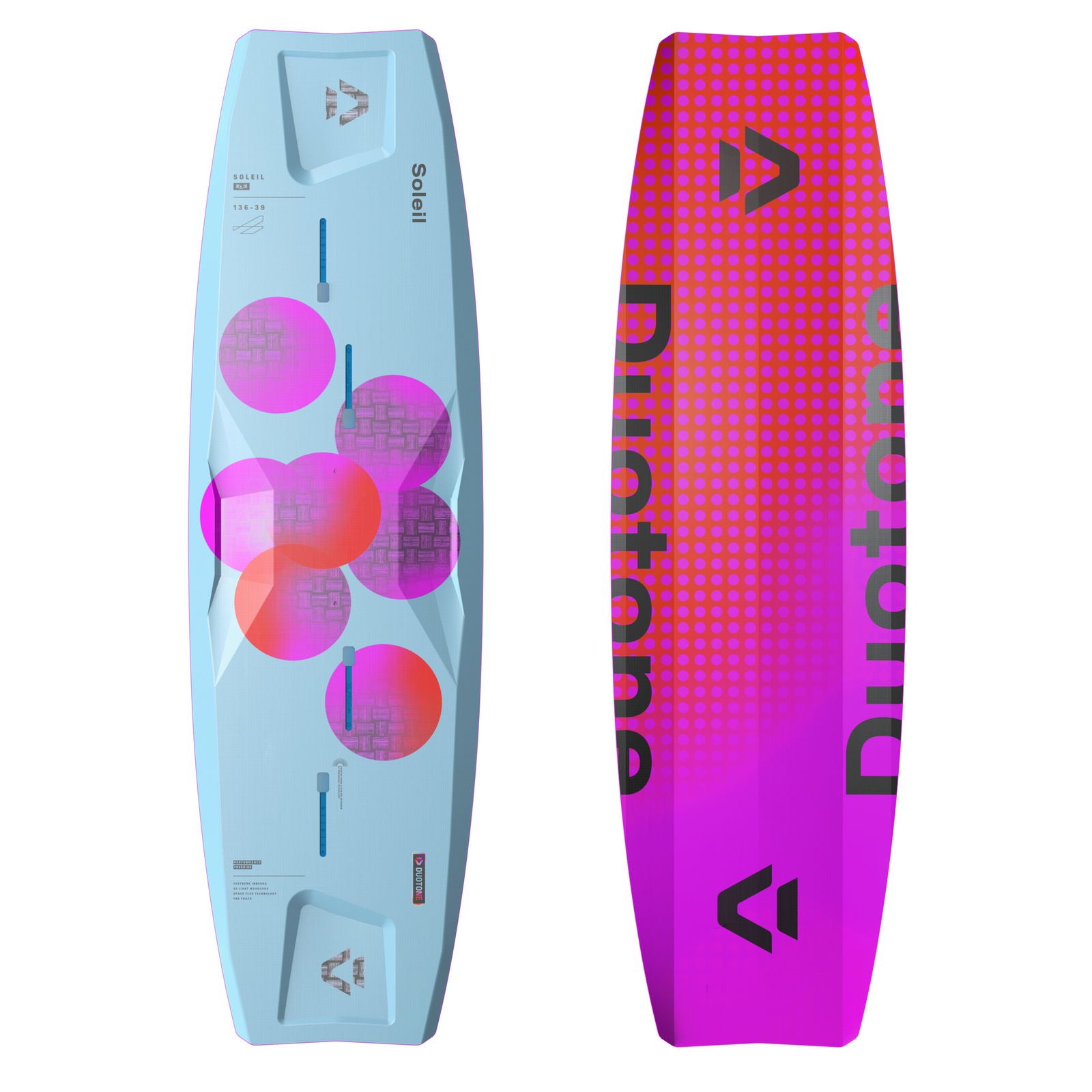
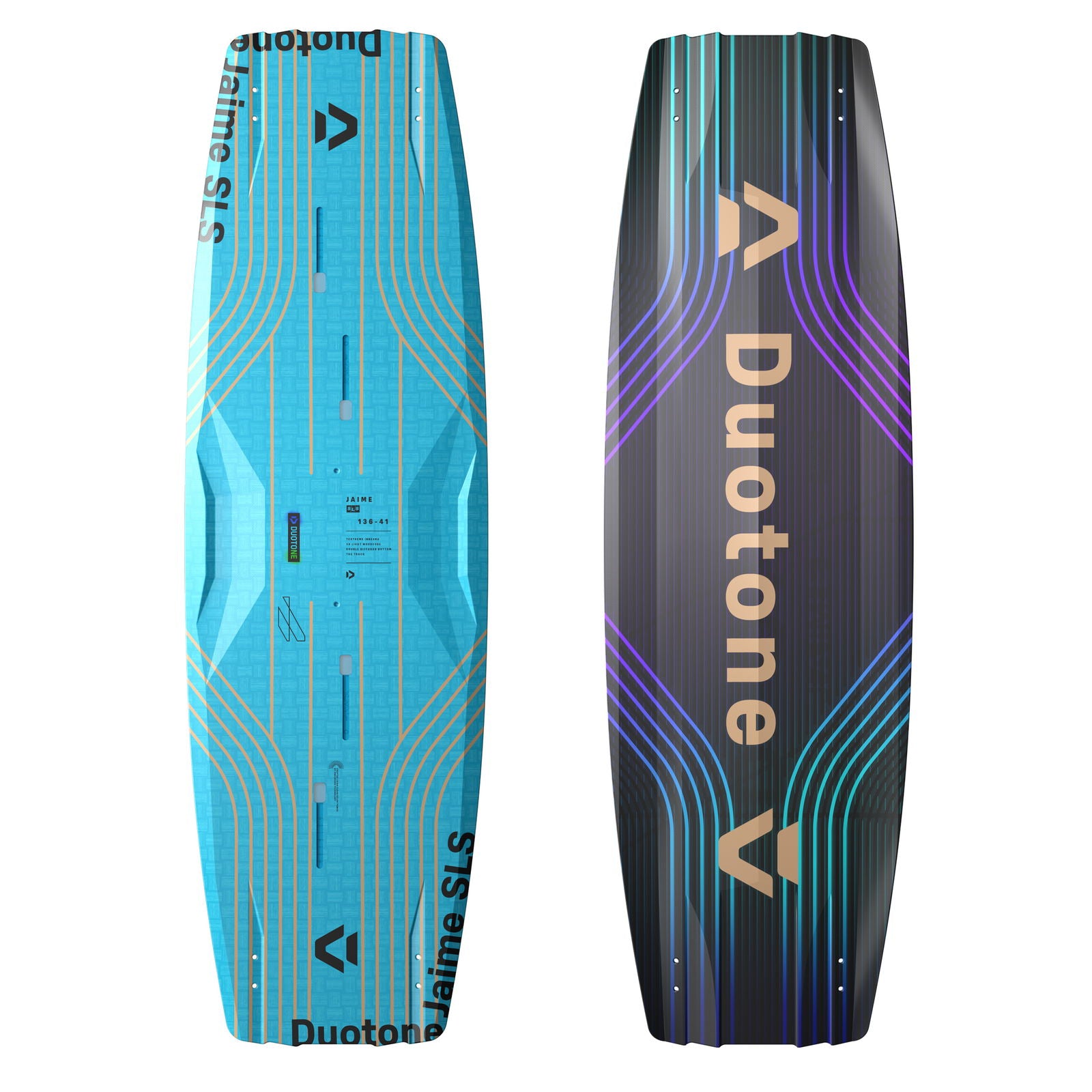
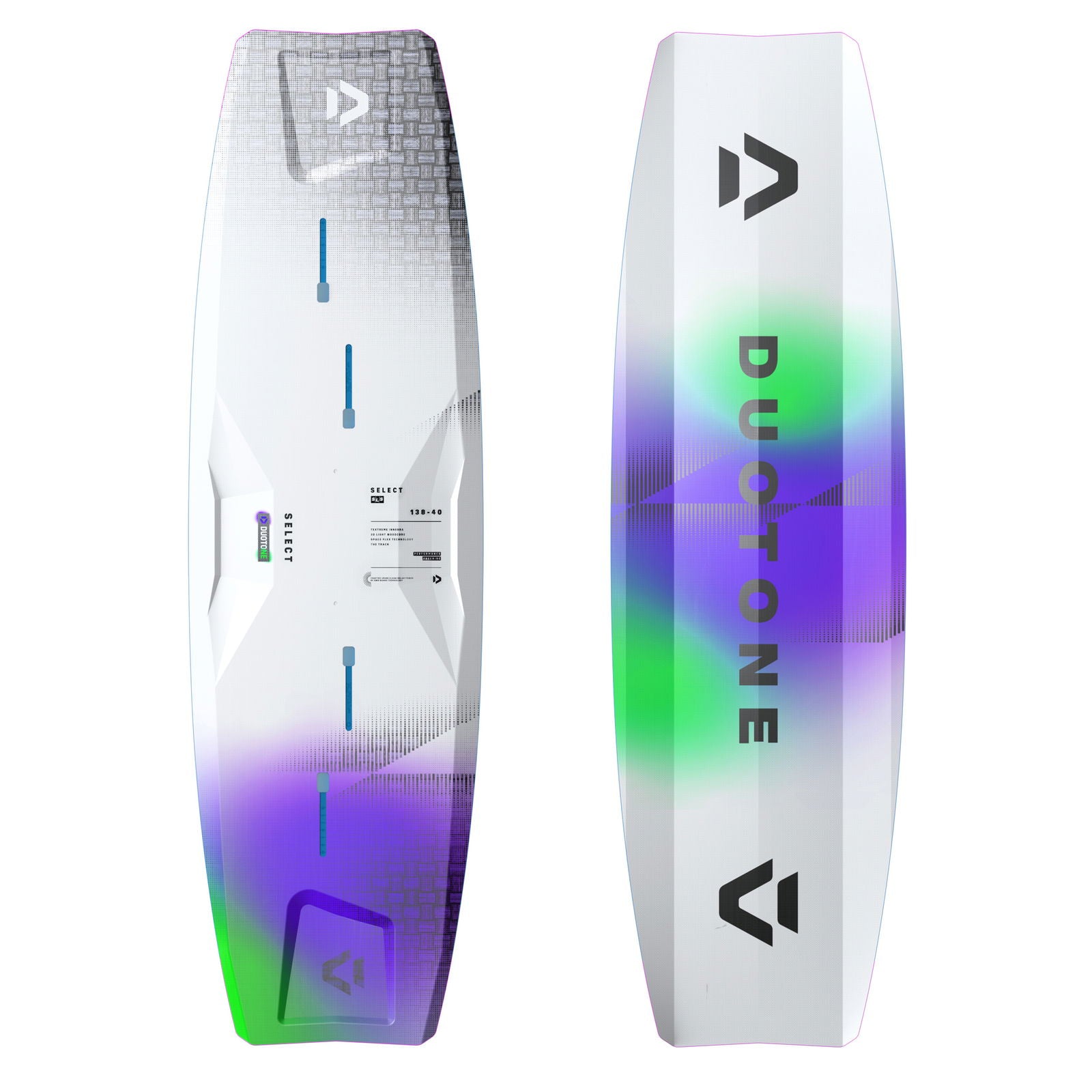
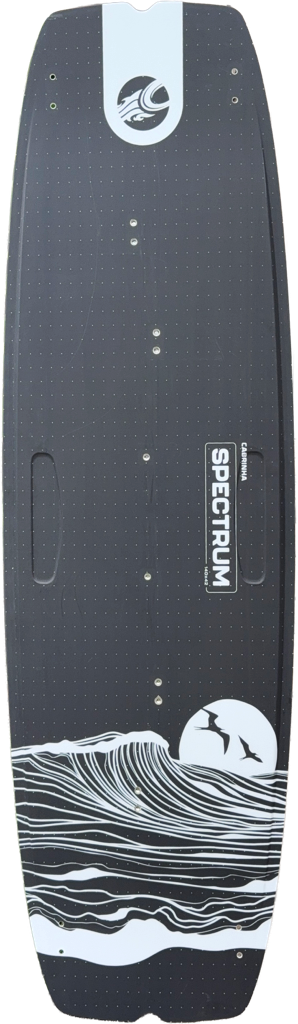
Prices and 2026 specs are pulled live from each product page. Confirm on the product page before checkout.
04 — MistakesThree mistakes we see every week
Ready to pick your next board?
Browse our full twin-tip and directional range, all in stock and shipped across Europe.
Frequently asked
You can, but it's harder. The asymmetrical shape and single-direction pop make switch tricks awkward. Start on a twin tip, then move to directional once you've locked in your fundamentals.
Most riders fit 136–142 cm. Check the product page for your weight range. If you're under 70 kg, start around 134 cm; over 80 kg, go 142–145 cm. Length matters more than width for flotation.
Both are excellent. Duotone tends toward refined, snappy pop; Cabrinha delivers raw forgiveness and durability. Ride both if you can—preference is personal. We carry both because they're equally good.
One good twin tip covers 80% of your sessions if you're flatwater-focused. Add a directional only if you're regularly hitting waves or strong downwind spots. We see most riders start with a single twin tip.