Harness Line Length Kitesurfing — How to Set It Correctly
Harness line length is the distance from your waist hook to your kite's bridle—and it's probably the most overlooked tuning dial in kitesurfing. Get it wrong and you'll either be yanked forward or lose direct kite feel. We'll show you how to find your sweet spot.
Harness line length is measured from your hook point to the bridle connection. Most riders sit between 20–24 cm, but your ideal length depends on your body size, kite model, and riding style. Longer lines (22–24 cm) reduce arm fatigue; shorter lines (18–20 cm) give snappier control. Start with your kite's recommended range, then tweak from there.
01 — Power and controlWhy Harness Line Length Matters
Change your line length by 2 cm and you'll feel it immediately. Longer lines push you further from the kite, which spreads the load across your entire body—your back, shoulders, and core all share the work. You'll ride longer without arm burn. Shorter lines bring you closer to the bridle, giving you snappier turning response and more direct kite feedback, but they concentrate tension on your arms and shoulders.
It's not just comfort, either. Line length affects how the kite powers up and depowers. Too long and the kite feels sluggish; too short and it can feel twitchy, especially in choppy water. The sweet spot? That's where power delivery matches your body size and your riding style.
02 — Measurement and tweakingHow to Measure and Adjust Your Line Length
Grab a tape measure (cm, not inches). Unhook from the kite and lay your harness flat on a table. Measure from the centre of your hook point straight across to where your bridle attaches. That's your current line length. Most of us land between 18–24 cm. Smaller riders (50–65 kg) often prefer 18–20 cm; larger riders (75–100 kg) typically go 22–24 cm. Your kite model will also have a sweet spot—check the bridle specs before you adjust.
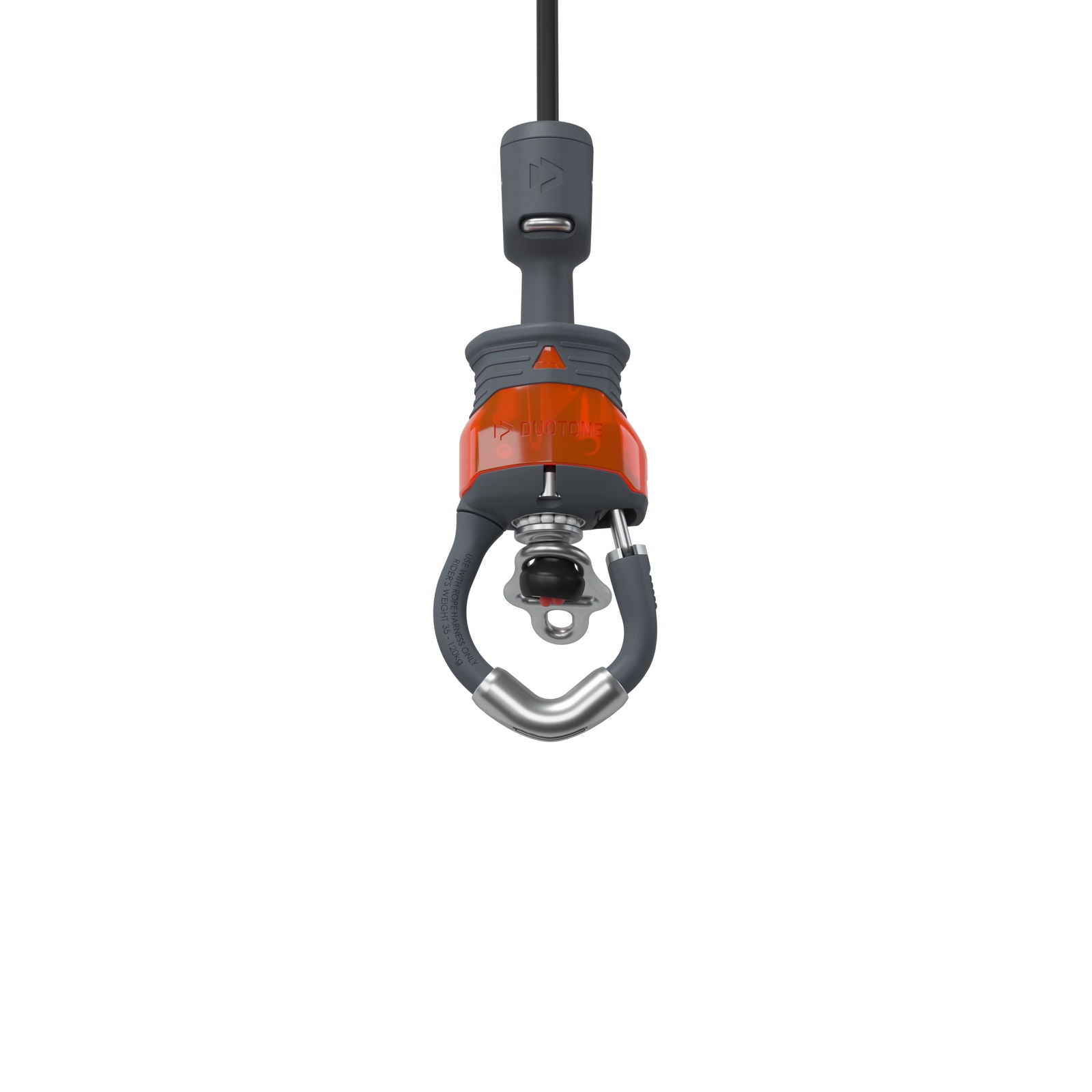
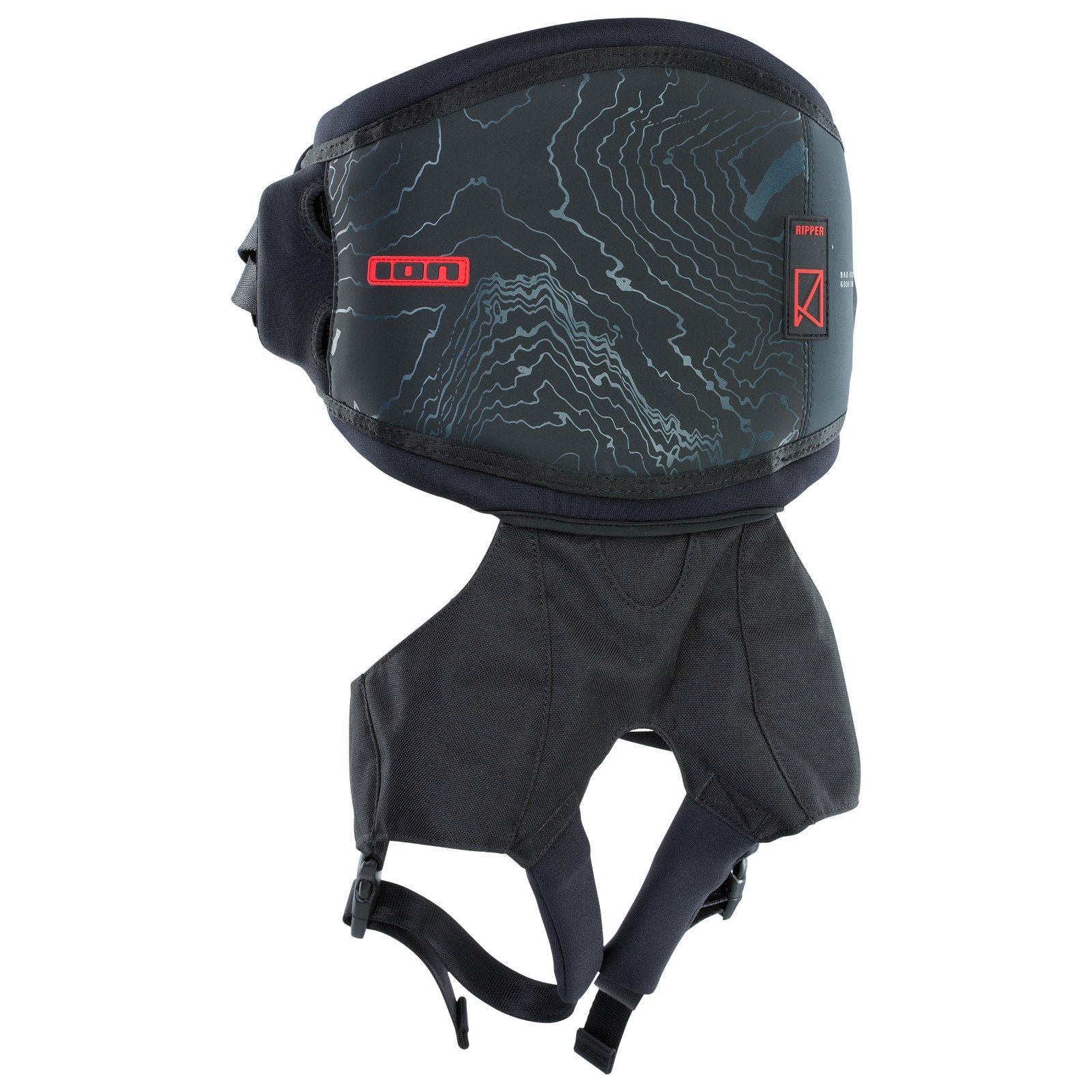
Many harnesses let you move your hook point forward or backward by a few millimetres, but true line-length adjustment usually means moving your bridle connection or buying bridle extensions. The Duotone Quick Rel Kit Rope Harness and ION Spectre Kite Harness Men both have adjustable hook geometry that lets you dial this in without buying extra gear.
03 — Our picksOur 4 In-Stock Picks
We stock harnesses for every body size and budget. Below are the four we reach for when line-length tuning matters most—whether you're tweaking your first setup or upgrading to something with more adjustment range.

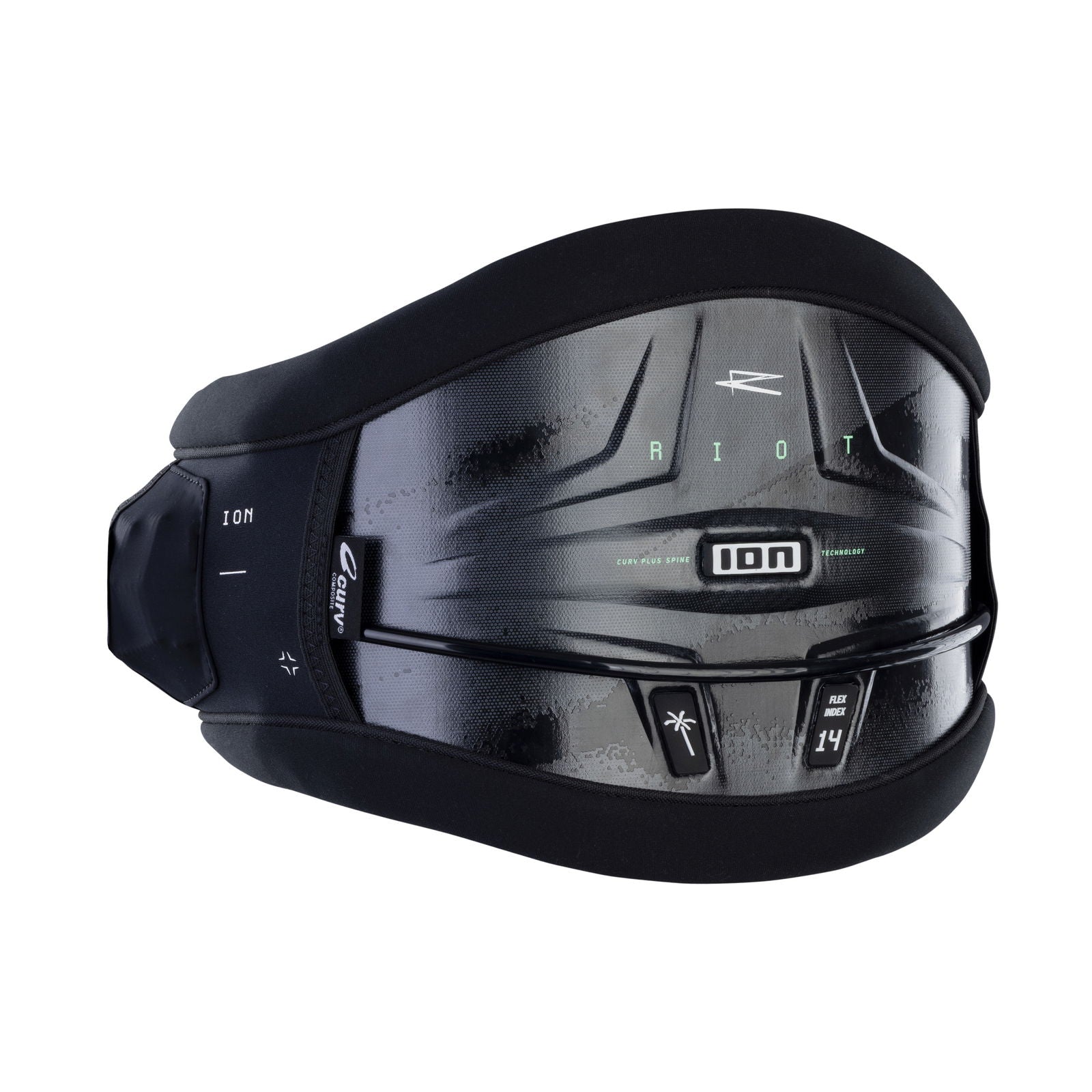
Prices and 2026 specs are pulled live from each product page. Confirm on the product page before checkout.
04 — MistakesThree mistakes we see every week
Ready to dial in your line length?
Browse our full harness range and find the right fit for your waist size and riding style.
Frequently asked
Most riders sit between 18–24 cm. Smaller or lighter riders often prefer 18–20 cm; heavier or taller riders go 22–24 cm. Check your kite's bridle specs first—they usually recommend a starting point.
Not all harnesses allow it. Some have fixed hook points. Harnesses like the ION Spectre let you move the bridle connection point slightly, giving you a few millimetres of adjustment without buying new bridles.
No. Waist size is your actual circumference (measured in cm or inches around your torso). Line length is separate—it's the distance from your hook to the bridle. Both matter, but they're different adjustments.
Once per season, usually. If you switch kite brands or sizes, or if your weight changes significantly, it's worth a quick check. Otherwise, set it and leave it—dial in other things like spreader bar width and hook angle instead.