What Is Wave Kitesurfing? — Surfing with a Kite Explained
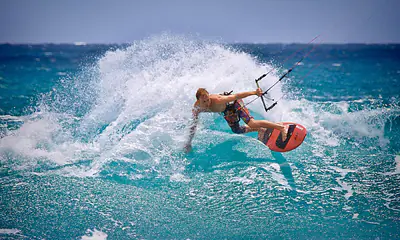
Wave kitesurfing is riding ocean swells and waves whilst controlling a power kite, blending the flow of traditional surfing with the control and pop of a kitesurfing kite. You're not relying on the kite for forward momentum across flat water--instead, you're using it to generate lift, speed, and tricks as you ride real waves down the line, just like a waveboarder or surfer with infinite power.
The Full Answer
Wave kitesurfing sits at the intersection of kitesurfing and surfing. The fundamental difference from freestyle or flat-water kitesurfing is your environment and goal. In flat water, you're chasing speed and tricks on glassy conditions. In wave kitesurfing, the ocean swell is your playground. The kite becomes a tool to control your speed through turns, boost you into airs, and recover when the wave rhythm demands it. You're reading the swell, the wind, and the tide, just as any surfer would--but with a kite giving you extra power and a wider range of tricks.
The history of wave kitesurfing grew organically from freestyle. As early kite riders discovered windy coastal breaks, they realised the kite opened entirely new possibilities: you could ride smaller, weaker waves that would normally be unsurfable, you could perform radical aerial manoeuvres, and you could extend your session in inconsistent swell. What started as hobbyists experimenting at beach breaks has become a recognised discipline, with dedicated wave kites designed specifically for loose, responsive turning and forgiving handling in chaotic water.
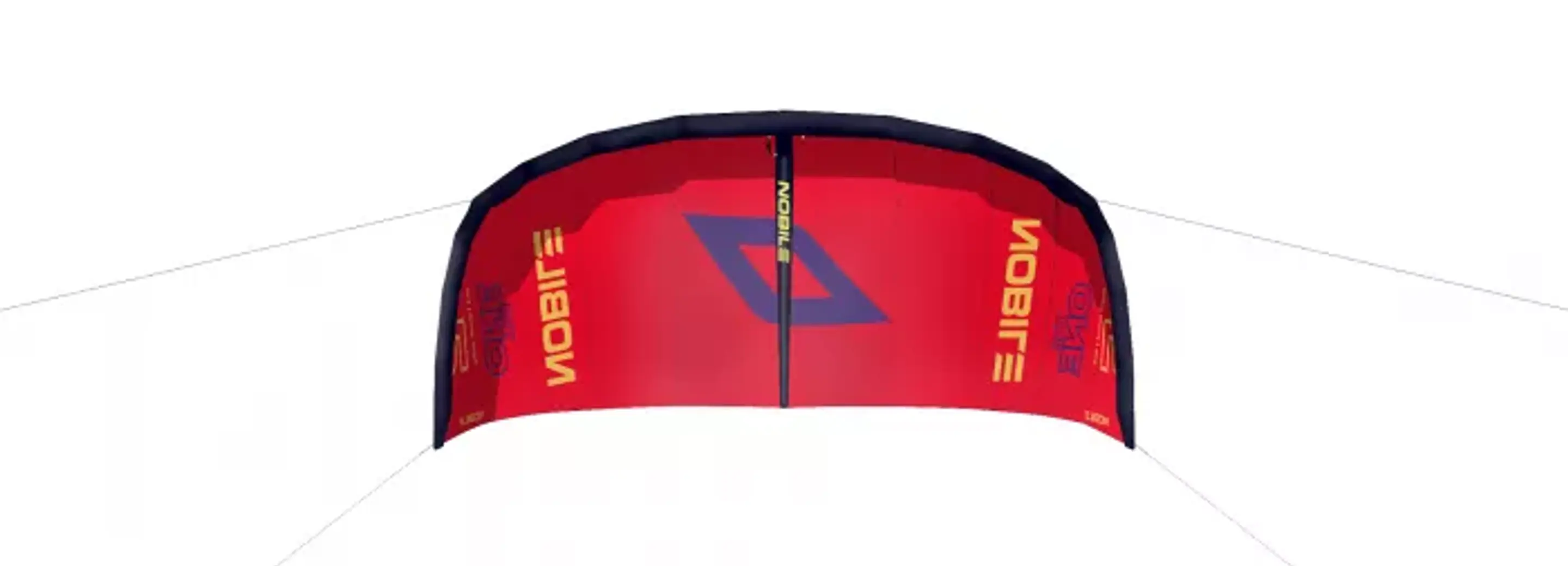
Modern wave kitesurfing requires a different kite profile than freestyle or all-around models. Wave kites prioritise turning speed, immediate response, and the ability to send you skyward on demand. They're typically smaller (9-14m), lighter in the bar, and built with a flatter foil for quick edge-to-edge transitions. Leading brands like Duotone, Cabrinha, and NeilPryde have invested heavily in wave-specific designs that sacrifice a little float for responsiveness and style. Your board is also key--a dedicated wave board is shorter, narrower, and shaped like a mini surfboard, giving you rail-to-rail control that a freestyle or big-air board cannot.
The experience is fundamentally different too. Freestyle riders perform tricks in flat water, repeating transitions dozens of times. Wave riders flow down lines, carve toe-side and heel-side turns, throw themselves into the air, and read the swell like musicians reading rhythm. It's more free-form, more spontaneous, and demands a higher level of wave sense and body awareness. If you love the ocean, love surfing, and want to add aerial dimension and extra power, wave kitesurfing is your calling.
Practical Guide
- Start at a sheltered beach break -- Choose a spot with consistent small swell (2-4ft), sandy bottom, and few obstacles. Avoid reef breaks and crowded lineups until you're confident.
- Use a dedicated wave board -- Borrow or hire a wave-specific board before buying. They're shorter (4'6"-5'4"), narrower, and shaped for carving rather than tricks.
- Downsize your kite -- A 12-14m wave kite is more responsive and forgiving than your 17m freestyle model. Smaller kites allow tighter turns and easier recovery on the wave face.
- Learn to carve before you pop -- Master smooth toe-side and heel-side turns at the shoulder before attempting aerials. Wave sense comes first; tricks follow.
- Respect tides and currents -- Wave conditions change constantly. Check forecasts, watch the water, and bail early if winds or swells turn chaotic.
- Wear impact protection -- A helmet and impact vest are non-negotiable. You're falling in white water and moving fast--head injuries can happen.
Common Mistakes
Freestyle kites are built for float and pop, not turning speed. They'll feel sluggish and unresponsive on the wave face, making carving and recovery frustrating. Invest in a dedicated wave kite for the best experience.
Rookies often prioritise tricks over flow. Build your rail work, your wave reading, and your timing first--the airs will come naturally once you understand the swell.
Wave kitesurfing is a young discipline in many breaks. Surfers might resent your kite, and hazards--rocks, reefs, swimmers--vary per beach. Always scout beforehand and ask locals.
A 17m kite in light wind feels sluggish and is dangerous in waves. Downsizing gives you more control and faster response--often making lighter wind feel heavier.
Surf Store Recommendation
For wave kitesurfing, you need two critical pieces: a responsive wave kite and a purpose-built wave board. We stock dedicated wave kites from Duotone and Cabrinha that deliver the turning speed and immediate bar feedback that wave riding demands. The Duotone Rebel range (available in 2025 and 2026 D/LAB versions) is a proven favourite among European wave riders--it's playful, responsive, and forgiving even in choppy conditions. For riders seeking an all-rounder that handles waves beautifully, the Duotone Neo (2026 and D/LAB 2025) offers a slightly more stable platform without sacrificing turning speed.
On the Cabrinha side, the Switchblade Apex 2026 is purpose-built for waves--it's lightweight, snappy, and loved by wave-focused riders who demand immediate response and easy transitions. For wave boards, we stock Fanatic and JP Australia--both brands specialise in boards shaped specifically for wave riding, with the rail shape, rocker, and width distribution you need to carve and control. Pair a 12-14m wave kite with a 4'6"-5'4" board, add a helmet and impact vest, and you're ready to hunt swell. Our team rides this gear daily and can advise on the perfect setup for your local conditions.
Ready to Gear Up?
Expert advice, authorized stock, ships across Europe within 24h.