What Is Wing Foiling? — Beginner's Guide to the Sport
Wing foiling is you on a board with a handheld wing, lifting off the water on a hydrofoil. It's simpler to learn than kitesurfing or windsurfing, and way more forgiving. Here's what you need to know to get started.
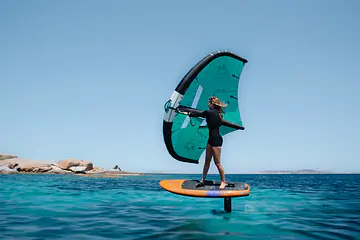
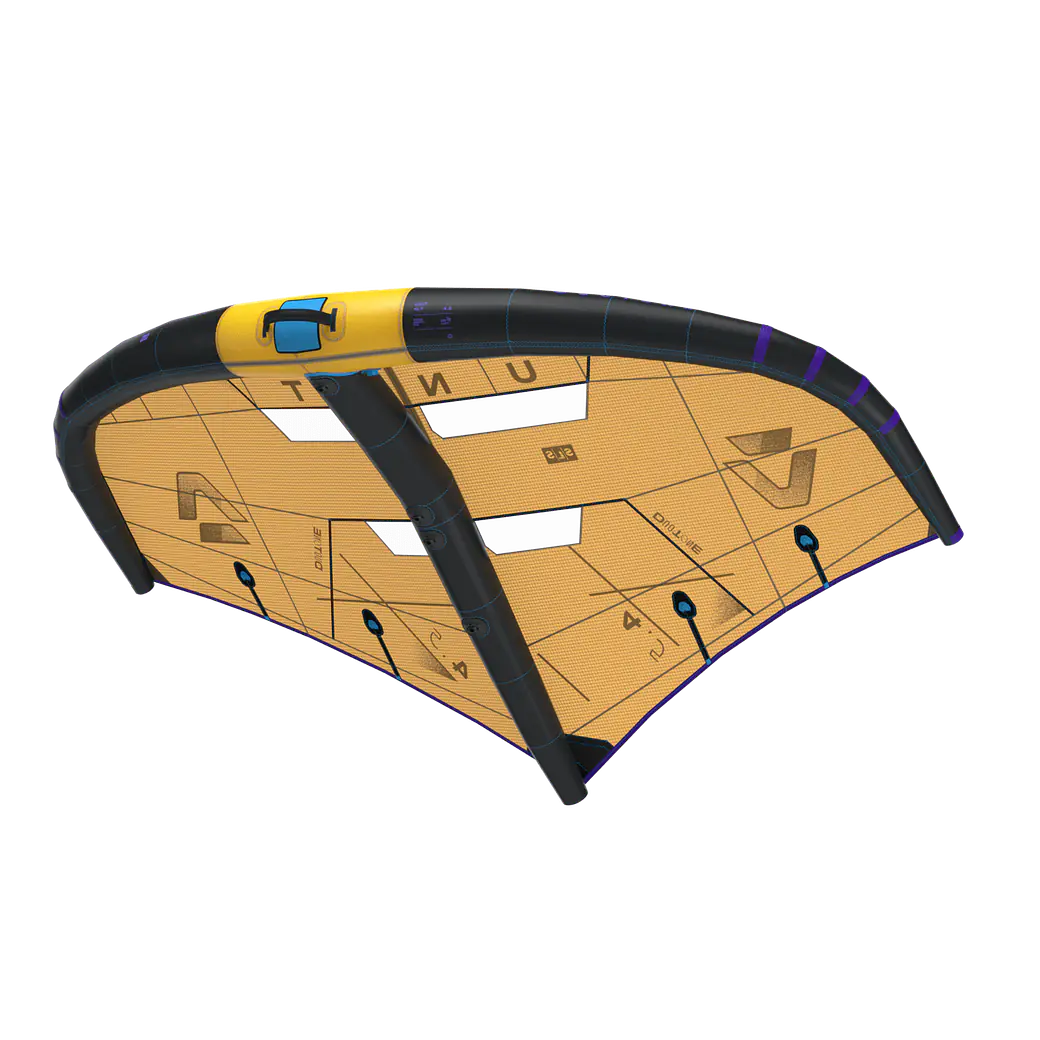
Wing foiling uses wind power, a handheld wing, and a hydrofoil board to lift you above the water. You stand on the board, hold the wing like a sail you can release instantly, and control speed and direction with your arms. It's the most accessible foiling sport because you're not tethered to anything — you can bail, reposition, and go again in seconds. Riders jump in with entry-level wings like the Duotone Unit SLS or Cabrinha Mantis.
01 — The SetupHow Wing Foiling Actually Works
You're standing on a board with a hydrofoil bolted underneath—think of it as an airplane wing mounted vertically. As you move forward through the water, pressure builds under that foil and pushes you up. Once you're airborne (usually 30–50 cm above the surface), you hold a handheld wing in both hands. The wing catches wind, drives you forward, and you steer by angling it like a tiny sail.
The magic bit: you can let go of the wing whenever you want. No leash, no rig attachment, no panic. You fall back to the board, grab the wing, and try again. That's why wing foiling has the gentlest learning curve of any foiling sport. Riders from the Mediterranean to the Baltic tell us the first few hours feel like learning to balance a bike—awkward at first, then it clicks.
02 — AccessibilityWhy Beginners Love Wing Foiling
Windsurfing locks you into a giant rig. Kitesurfing ties you to a kite thousands of euros in the air. Wing foiling lets you hold something you can control with your hands and drop in a second. You don't need big wind either—most riders launch in 10–12 knots, and you'll see people flying in steady 8-knot breezes on bigger wings.
The board time is honest, too. Fall off? You're already in the water. Grab the wing, climb back on, and go. No waiting for a kite to reinflate or a rig to unstick from the bottom. On flat days, wing foiling feels almost meditative—you can cruise for hours without the aggression of watersports requiring stronger conditions.
03 — Our picksChoosing Your First Wing and Board
You'll want a dedicated wing foil board (wider and more flotation than a regular foil board) and a wing sized to your weight and local wind. We stock Duotone and Cabrinha wings because they're refined, durable, and backed by proper support if something breaks.


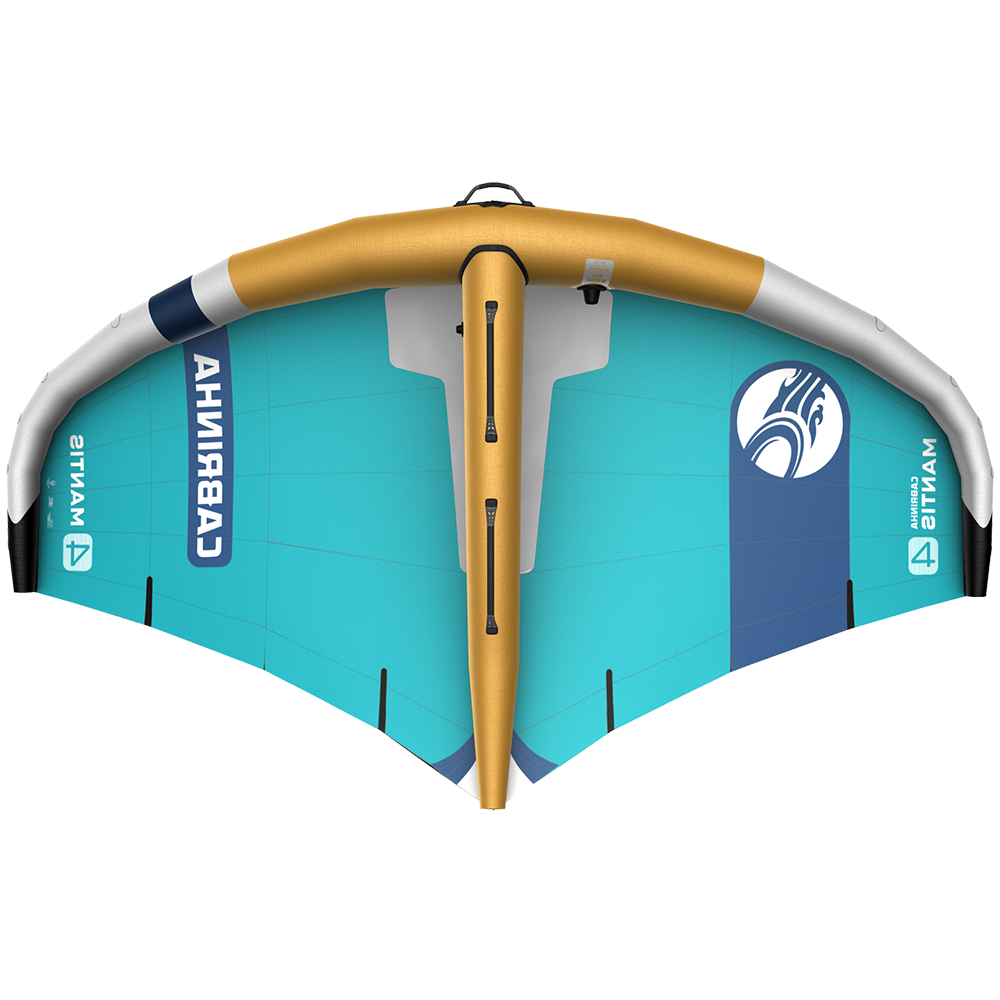
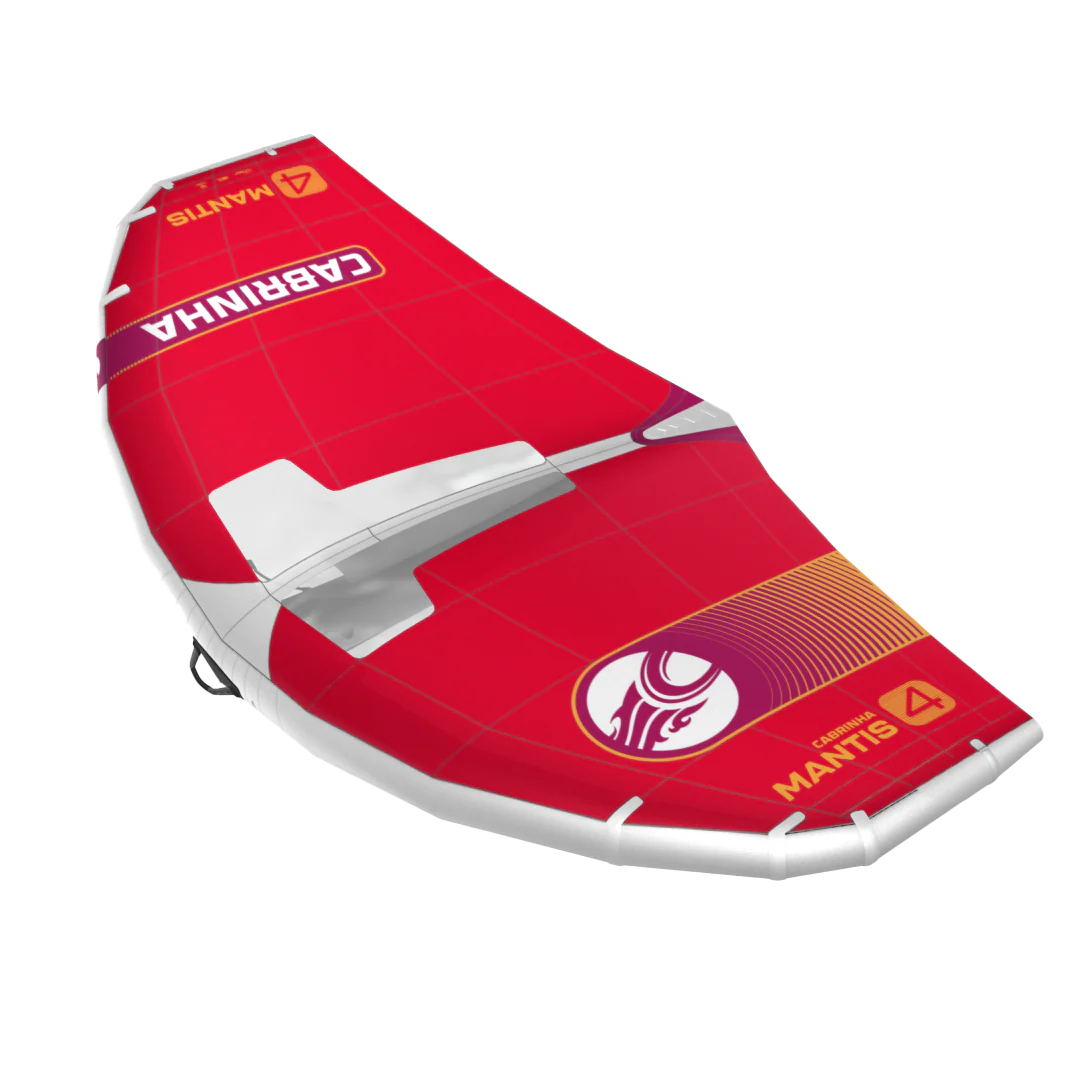
Prices and 2026 specs are pulled live from each product page. Confirm on the product page before checkout.
04 — MistakesThree mistakes we see every week
Ready to Take Off?
Browse our full range of wing foil boards, wings, and protective gear — all tested by our team.
Frequently asked
Most riders are flying confidently within 2–4 sessions. You'll have bad days and good days, but the learning curve is steep compared to kitesurfing. Budget 10–15 hours to feel truly at home.
You can start in 8–10 knots with a big wing and the right board. By the time you're comfortable, you'll ride in anything from 8 to 25 knots depending on your wing size.
Budget €2,500–3,500 for a complete beginner setup (board, wing, foil, and gear). You don't need the most expensive stuff—the Cabrinha Mantis and Duotone Unit SLS are excellent entry points.
Yes. Flat water is actually easier to learn on because you're not fighting waves. Lakes and bays are perfect; once you're confident, moving to the ocean feels natural.