What to Wear for Kitesurfing — Clothing & Gear Guide
Kitesurfing gear isn't just about looking the part—what you wear directly controls how long you stay warm, how protected you are from crashes, and whether you'll actually enjoy your session. We'll walk you through the layering system that works from the Baltic to the Med.
Wear a wetsuit matched to water temperature, add impact shorts for fall protection, and layer a base layer underneath in cold water. In summer warm spots, boardshorts and a rash guard work. Your kit must never restrict shoulders or hips—you're controlling a kite and board at once.
01 — Cold, wind, impactThe Three Forces You're Fighting
Kitesurfing throws three threats at your body: cold water, wind chill, and board impacts. Unlike flat-water sailing, you're airborne regularly and crashing is part of the learning curve.
The water pulls heat from your skin 25 times faster than air. Wind rips away any warmth layer you've got. And when you're learning, you'll eat the board—a 9 m² kite pulls hard, so impacts hurt. You need protection designed for all three.
02 — Sizing & seasonsWetsuit Thickness: Match Water, Not Air
Pick your wetsuit thickness by water temperature, not how cold the air feels. A 4/3 mm keeps you warm in 12–16°C water. Drop to a 3/2 mm for 16–20°C. In summer Mediterranean sessions (above 20°C), a 2/2 mm or just a rash guard + boardshorts works.
Fit matters as much as thickness. The suit must be snug but not choking at the neck or armpits—you need full shoulder rotation for kite control. Wrists and ankles should seal without cutting blood flow. Buy one size down from streetwear; neoprene stretches in water.
03 — Our picksOur 4 In-Stock Picks
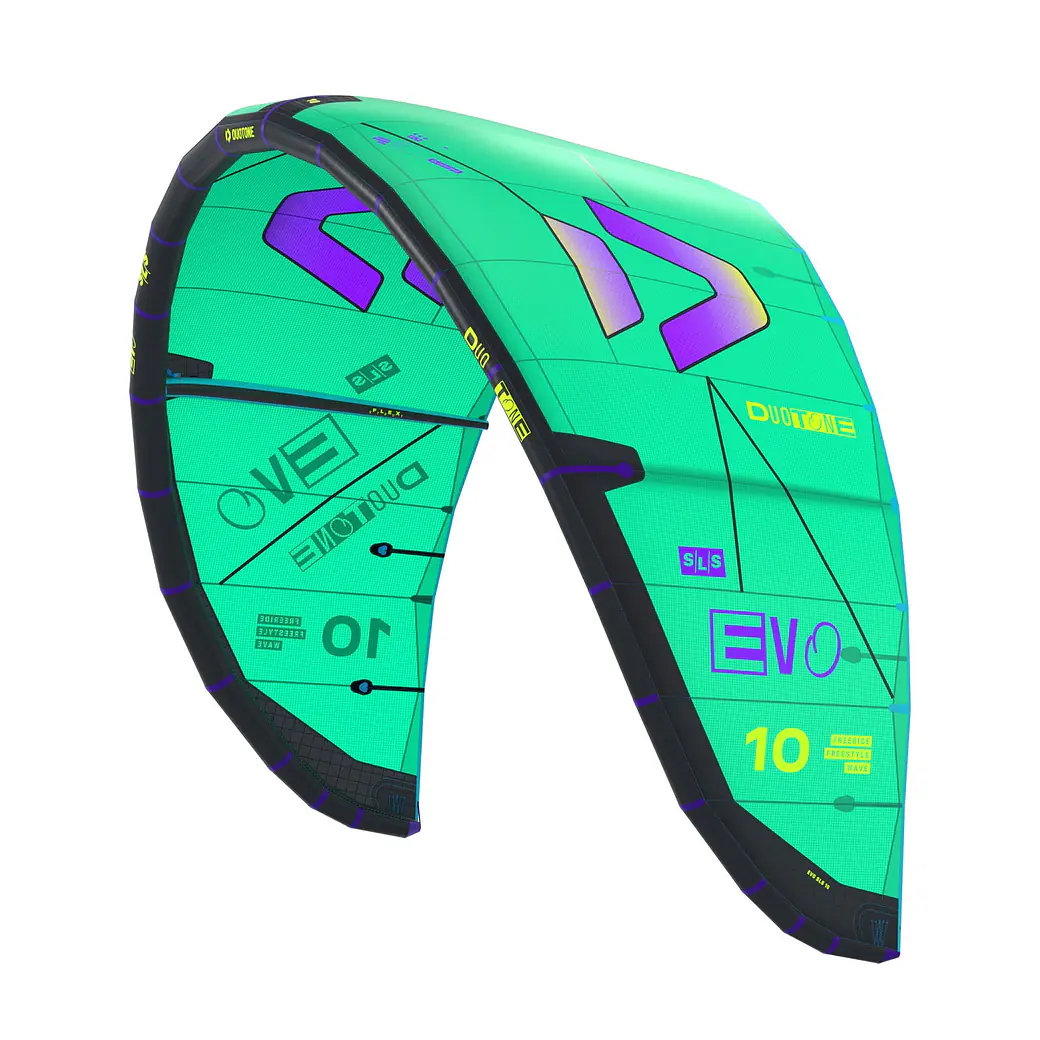
We stock four Duotone kites in 2026 that handle everything from light-wind summer sessions to harder winter riding. Pick your size based on typical wind at your spot and your weight—lighter riders go smaller, heavier riders go bigger in the same breeze.
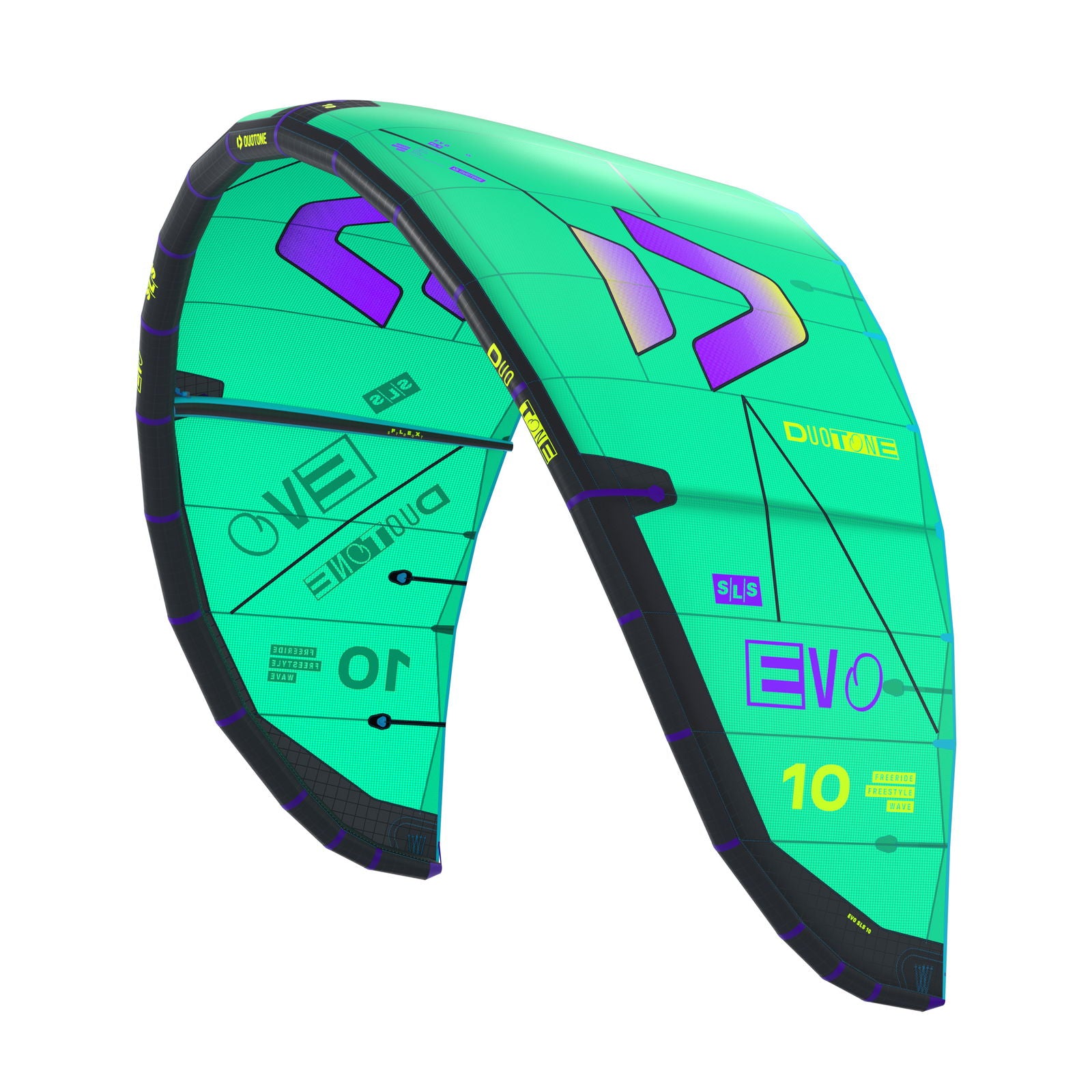
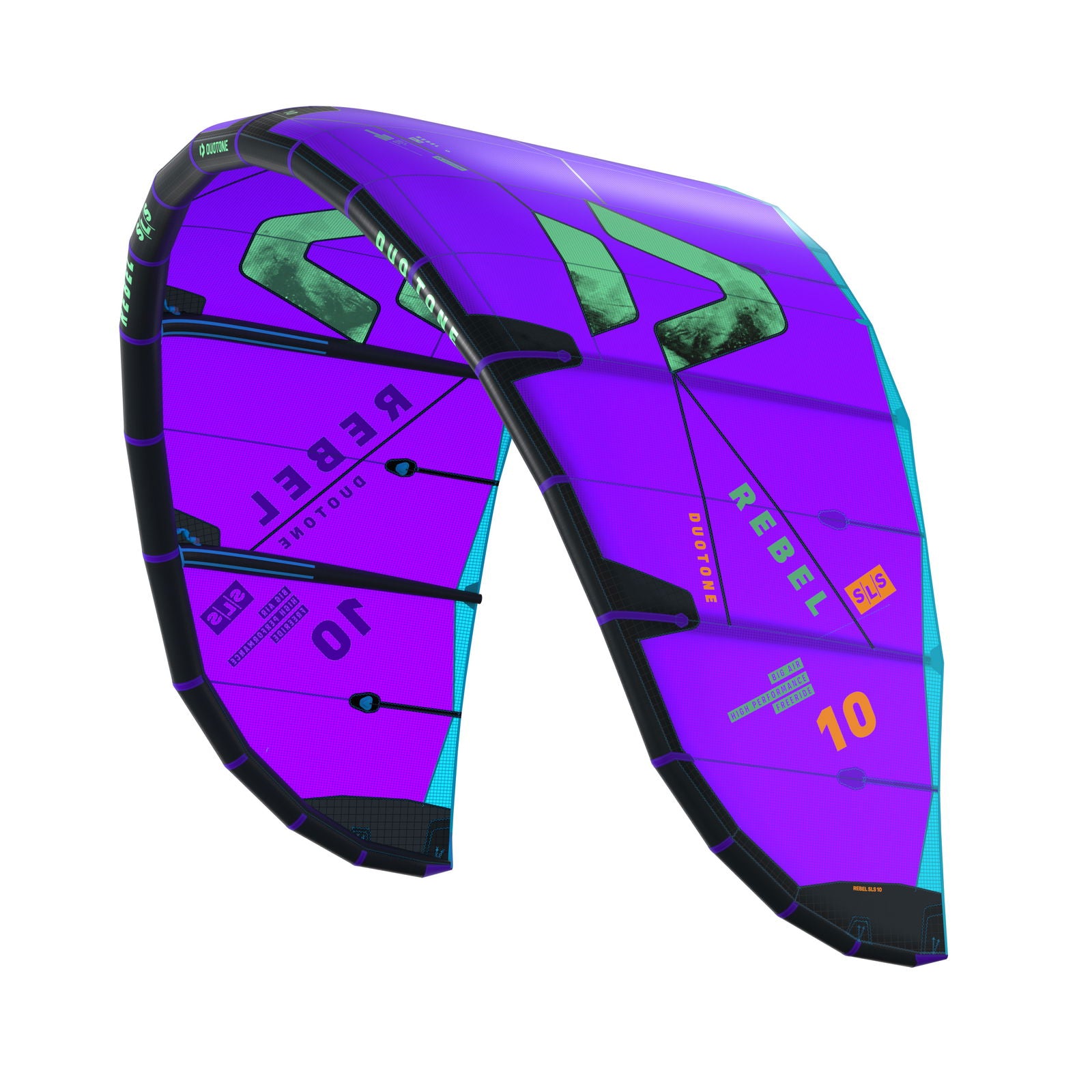
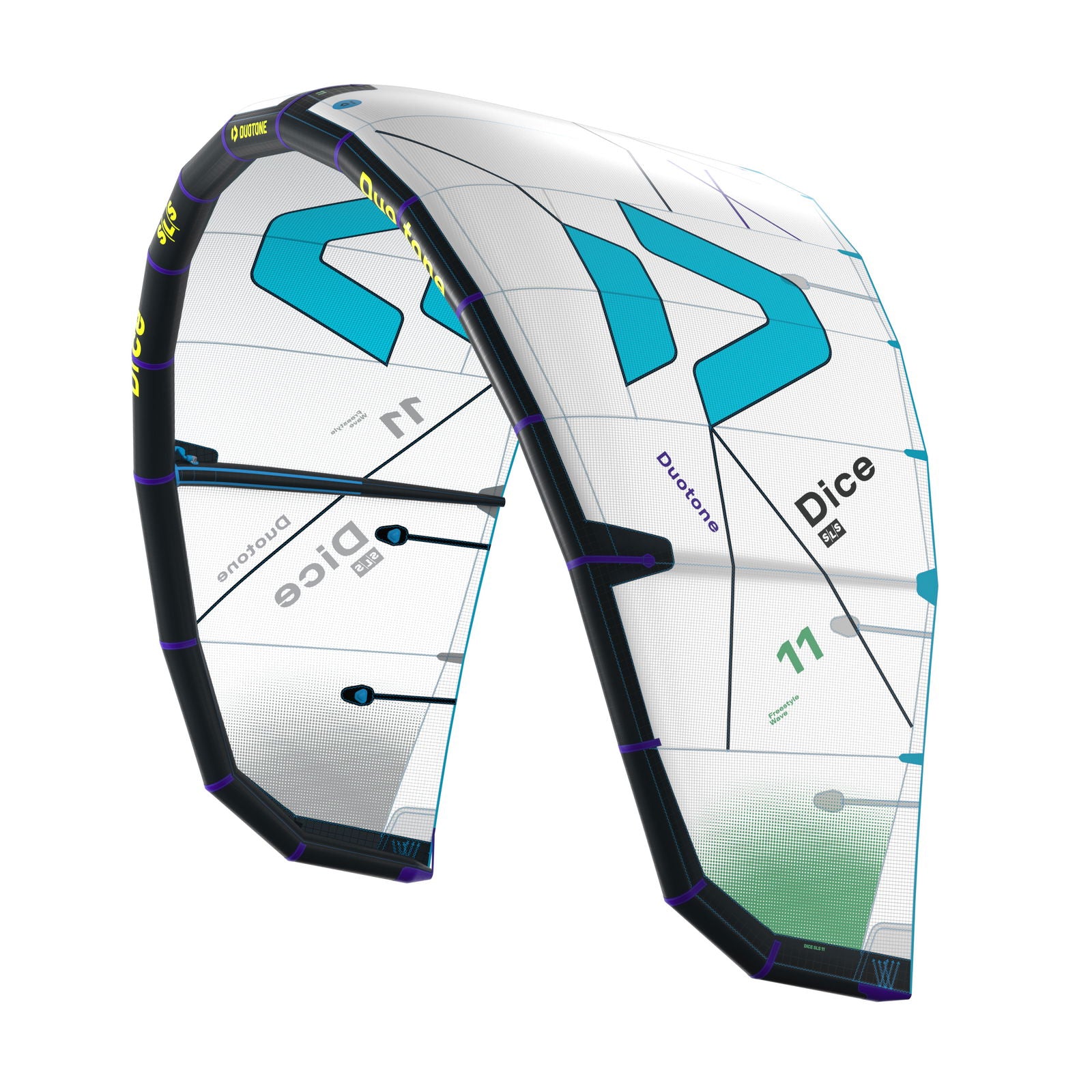
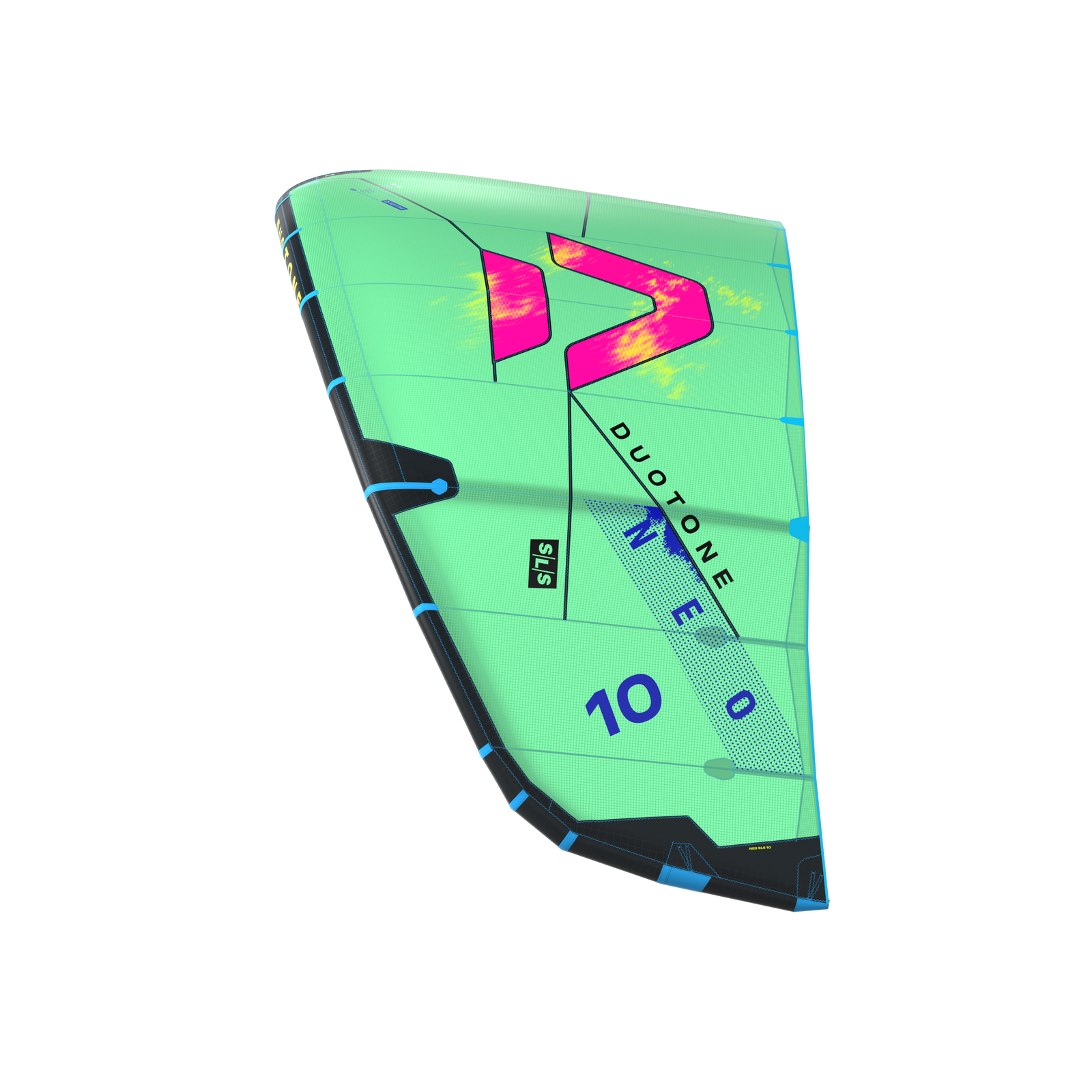
Prices and 2026 specs are pulled live from each product page. Confirm on the product page before checkout.
04 — MistakesThree mistakes we see every week
Ready to suit up?
Browse our Duotone kites and wetsuits—or ping us your weight, local wind range, and skill level and we'll recommend your first quiver.
Frequently asked
No. Water above 20°C needs only a 2/2 mm or rash guard. You'll actually get cold faster overheating in thick neoprene. Check local water temps before you pack.
Yes, but not ideal. Kite suits are cut for overhead arm motion and have less chest stretch than surf suits. If you already own one, wear it—just test shoulder movement first.
Most riders start on a 9 m² or 12 m² in 12–20 knots of wind. If you're under 70 kg, a 9 m² is safer. Above 80 kg, go 12 m². We've shipped thousands since 2003 and can dial in your size.
A quiver of two lets you ride in varied wind. Many riders run a 9 m² and 12 m² or 12 m² and 15 m². Start with one that fits your average local wind, then add another after 20 hours on water.