
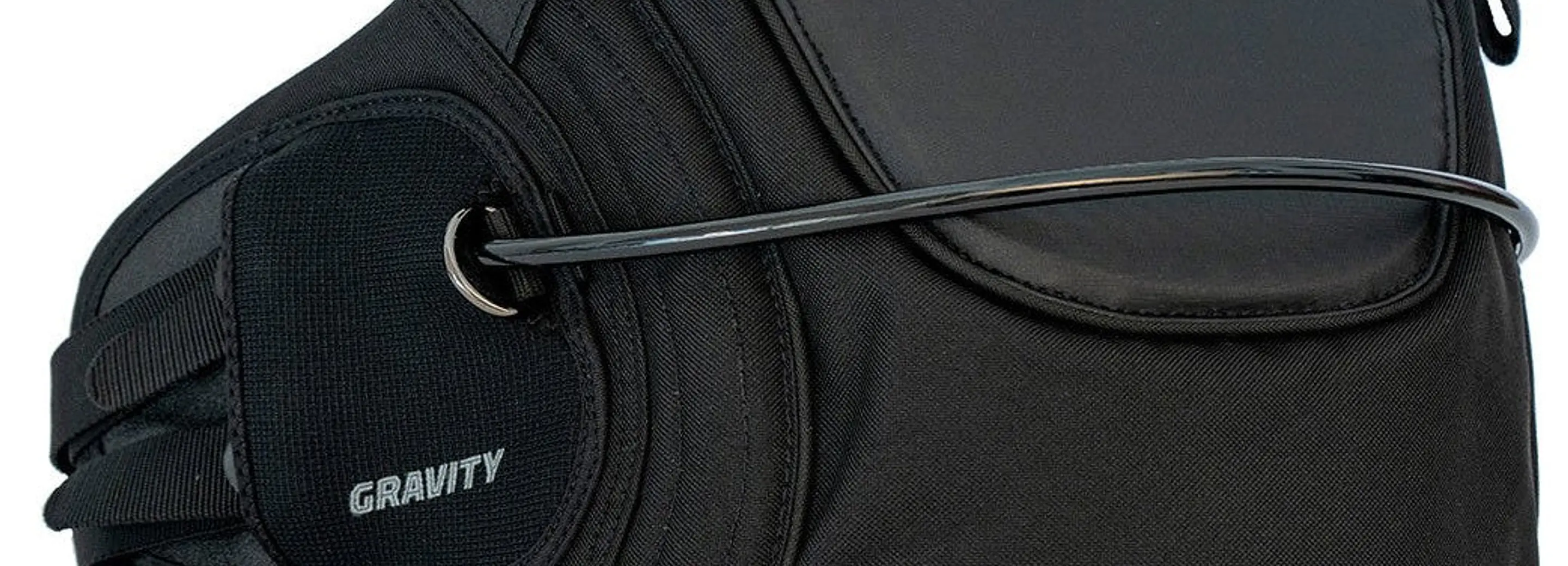
Windsurfing Harness Guide 2026 — Waist vs Seat Harness
What to Look For in a Windsurfing Harness
A good windsurfing harness does three things: it transfers the sail's pulling force away from your arms, keeps you comfortable during long sessions, and lets you move freely when conditions change. In 2026, waist and seat harnesses dominate--each excels in different wind and water conditions. The difference between buying right and buying wrong is the difference between a fun four-hour session and arm fatigue after thirty minutes.
- Harness type (waist vs seat) -- Waist harnesses are lighter, more manoeuvrable, and best for freestyle and light wind. Seat harnesses offer lower centre of gravity, better support in strong wind, and are ideal for wave and freeride.
- Padding and comfort -- Look for high-density foam in high-pressure zones. Poor padding causes bruising and back pain within an hour; premium padding lets you ride all day without aches.
- Spreader bar length and angle -- The spreader bar holds the boom in place. Too short = cramped position; too long = unstable feel. Most riders need 25-30 cm bars depending on torso size.
- Waistband fit and size range -- A snug fit prevents sliding; too tight causes circulation issues. Harnesses with wide size ranges (often via stretchy panels) work for multiple riders without custom tailoring.
- Material durability -- Neoprene-backed harnesses resist salt water and UV damage longer than plain nylon. UV degradation cracks foam and weakens stitching within 2-3 seasons of careless storage.
- Entry method (lace, zip, or wrap) -- Lace systems are secure but slow; zip systems are fast but can jam; wrap/velcro is the sweet spot for most riders, offering speed and reliability without fuss.
Beginner vs Advanced: Which Harness Suits You?
Start with a Waist Harness
Waist harnesses are forgiving and lightweight--perfect for learning balance and board control without interference. Look for one with generous padding and a simple velcro wrap entry. You'll feel the boom pressure more clearly, which teaches body awareness. Expect to wear it 2-3 hours comfortably before fatigue. Brands like ION and Mystic make entry-level waist harnesses that last.
Seat Harness for Solid Wind and Waves
Advanced riders in waves or strong wind (18+ kts) benefit from seat harnesses. They distribute boom pressure across your hips and lower back, reducing arm strain on long sessions. You gain freedom to move the boom side-to-side without losing support, which is essential for carving, top turns, and powered jibes. Premium models (€150-250) include carbon-reinforced spreader bars and anatomical padding shaped for extended performance.
Budget Guide: What You Really Need to Spend
Harness prices reflect padding quality, material durability, and construction. Entry harnesses keep costs low but may feel hard after two hours. Mid-range harnesses are the sweet spot for most riders--comfort and durability without excess. Premium harnesses add anatomical shaping and carbon details for advanced riders.
Tier Price Range Best For Key Feature Entry €50-100 Beginners, light wind, casual sessions Basic neoprene, simple entry, standard padding Mid €100-180 Intermediate to advanced, mixed conditions High-density foam, reinforced spreader bar, UV-resistant neoprene Premium €180-250+ Wave riders, strong wind specialists, all-day sessions Anatomical shaping, carbon spreader bar, multi-zone paddingOur Top Windsurfing Harness Picks for 2026
We've tested dozens of harnesses in our home water here in Maribor. These three stand out for real-world comfort, durability, and value across all skill levels.
ION's waist harness is our go-to recommendation for beginners and freeride riders. The padding is firm enough to stay comfortable for 4+ hours, yet forgiving on the lower back. The spreader bar angle is neutral--not too aggressive--so you can focus on technique rather than fighting the harness. Neoprene backing means it laughs off salt spray.
The Mystic seat harness is built for wave riders and strong-wind specialists. Multi-zone padding targets your hips and lower back where the boom pressure lands hardest. The anatomical shape fits most bodies naturally without twisting. Once zipped, it's rock-solid--no sliding, no bunching, even in overhead surf.
Gaastra's hybrid design sits between traditional waist and full seat harnesses--it gives you the manoeuvrability of a waist harness with extra hip support when you need it. Perfect for intermediate riders who want one harness that works in light and moderate wind without being a specialist tool. Excellent value for the comfort and versatility.
Common Mistakes to Avoid When Buying a Harness
A €40 harness feels good for thirty minutes, then bruises your hips. You'll replace it within a season. Spending €100-150 buys comfort that lasts 3+ years, saving money long-term and preventing injuries.
A spreader bar that's too short (under 20 cm) cramps your stance and kills your leverage. Too long (over 32 cm) makes the boom feel unstable. Check the bar length against your torso size before buying--it's not mentioned in most listings but is critical for comfort.
Beginners often chase the lower centre of gravity and bulk padding of seat harnesses. You'll feel restricted and heavy while learning. Master a lighter waist harness first, then graduate to seat harnesses once you've built body awareness and strength.
A zip that's stiff or poorly aligned will frustrate you every session. Velcro wraps are slower to adjust but bulletproof. Lace systems are secure but take forever. Try on harnesses with friends before buying so you know how each entry feels in wet conditions.
Leaving a harness in the sun degrades neoprene and foam within weeks. Store yours in a dry bag, away from direct sun. Neoprene-backed harnesses resist this much better than bare nylon--it's worth the slight extra cost for long-term durability.
Ready to Find Your Perfect Harness?
Expert fitting advice, genuine stock from ION, Mystic, Gaastra and more, shipped across Europe within 24 hours. We've been outfitting windsurfers since 2003.