
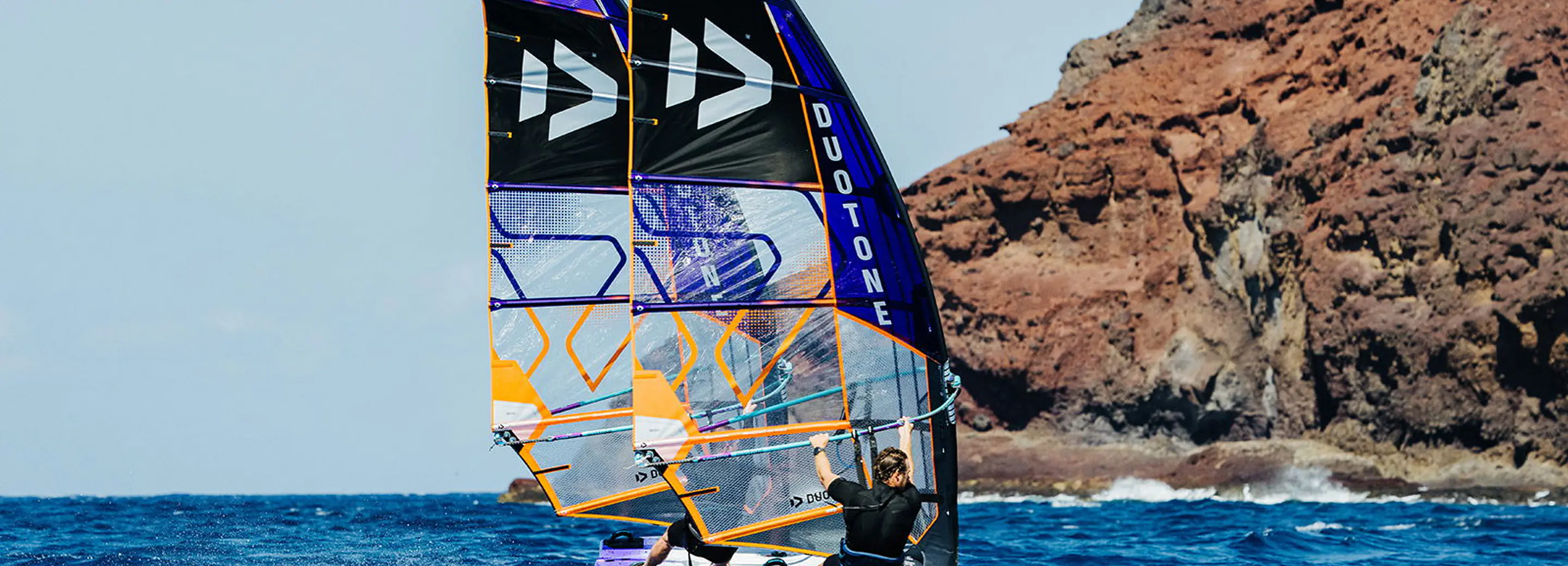
Windsurfing in Light Wind — Can You Plane in 10–12 Knots?
Understanding Light Wind Windsurfing
Light wind windsurfing -- those precious 10-12 knot sessions -- is where technique and equipment choice make or break your day. At this threshold, you're right on the edge of planing. The wind is steady enough to feel on the sail, but it's not throwing you around. Thermals and lulls are your constant companions, and every gust counts.
What makes light wind special is that it rewards patience and sail control. You can't muscle your way through it like you would in 20 knots. The board needs to be floaty enough to support your weight without sinking, yet responsive enough to accelerate into the wind window. Most European sailors hit these conditions 3-4 months a year, particularly in spring transition weeks and early autumn. It's the perfect time to refine your footwork and understand how a sail really works.
Best Gear for Light Wind Planing
Forgiving Setup
9-10m² sail with a high-volume board (100-120L). Soft luff curve, easy entry pressure. Thicker battens reduce fatigue. Beginners and heavier riders thrive here--more float, more power, earlier planing.
Responsive Rig
7.5-8.5m² sail on a medium-volume board (80-100L). Tighter leech, faster rotation, more manoeuvrability. Rewards clean technique and weight placement. Lighter riders and experts prefer this window for control.
The key to light wind windsurfing is oversizing your sail by 1-2m² compared to medium-wind conditions. A 9m² sail in 11 knots feels responsive; a 7.5m² feels sluggish and demands constant pumping. Board volume is equally critical--aim for 100-120L in light wind, especially if you weigh more than 75 kg. A volume-rich board keeps you floating high, reduces drag, and lets you accelerate more easily into gusts.
The E_Pace 2025 is purpose-built for light wind planing. Soft entry pressure and a forgiving luff curve make it easy to hold power in marginal breeze. Excellent rotation and stability through gusts--perfect for 10-12 knot transition days when you need early planing without constant pumping.
The Eagle 2025 is the workhorse board for light wind windsurfing. High volume, flat rocker, and a wide mid-section give you maximum float and early planing. Pairs brilliantly with 8.5-10m² sails for that 10-12 knot sweet spot where you need flotation without sacrificing drive.
Technique Tips for Light Wind Planing
- Stand further back on the board -- Move your feet towards the tail in light wind. This reduces pressure on the nose, stops the board from sinking, and lets the whole board plane more easily. In 12 knots, you'll feel the difference within seconds.
- Engage your core, not your arms -- Light wind demands efficiency. Keep your arms relaxed and let your core rotate the sail. Tense shoulders = early fatigue and poor sail control. Breathe, stay loose, and drive from your torso.
- Sheet in smoothly through the gust -- Don't jab the sheet in. Ease the boom in gradually as the wind picks up. Light wind planing is about feathering the sail and maintaining angle, not brute force. One smooth motion beats three jerky ones.
- Use apparent wind to your advantage -- In light wind, speed is your friend. Build momentum, maintain pressure on the sail, and let apparent wind help you. Carving upwind in a gust creates lift that true wind alone wouldn't provide.
- Check your mast foot and boom height -- Light wind rigs are more sensitive to trim. A boom that's 1-2 cm too high kills your power. Dial in your setup before you leave shore. Proper boom height = easier sheet control and better feel.
Safety Checklist for Light Wind Sessions
Light wind days are vulnerable to sudden flats. Check thermals and local wind patterns before you launch. If the forecast shows lulls below 8 knots, you may lose planing mid-session and have to paddle back.
A board under 80L in 10-12 knots will sink, sink, sink. You'll exhaust yourself trying to stay up, and you won't plane. Oversizing is not cheating in light wind--it's the smart choice.
Light wind can shift direction rapidly. Always wear a legline attached to your boom or mast. If you wipe out, you don't want your rig drifting away from you or catching offshore drift.
In light wind, you move slowly. A rising tide or outflowing current can push you farther from shore than you realise. Plan your exit route and watch for rip currents, especially in European estuary spots.
Our Gear Recommendations at Surf Store
We've spent 23 years helping sailors dial in their light wind setup. Here are the rigs we see working time and again at 10-12 knots.
The S_Pace 2026 is Duotone's dedicated light wind specialist. Lower battens and a buttery soft entry make it forgiving in marginal breeze. The sail maintains shape and power through lulls, so you stay planing longer. Ideal for 10-12 knot sessions where every knot counts.
The Grip 4 SLS 2025 is built for early planing in light wind. SLS construction keeps weight down while volume stays high. The quad finbox setup works beautifully in light wind--responsive, forgiving, and easy to drive. Perfect partner for oversized sails.
Ready to Gear Up for Light Wind?
Our team has dialled in dozens of light wind setups. We stock Duotone, JP Australia, Tabou, and more--all tested in European light wind conditions. Free EU shipping from €99, 30-day returns, expert advice.