
Wing Foil Beginner Guide - Everything You Need to Know
What Is Wing Foiling?
Wing foiling (also called wingsurfing or wing surfing) combines a handheld inflatable wing with a hydrofoil board. The wing catches the wind to propel you, while the hydrofoil lifts you above the water for an incredible flying sensation. It's the fastest-growing watersport in the world — and for good reason.
Why Wing Foiling Is Perfect for Beginners
- Safe: No lines attached to you (unlike kitesurfing). Just let go of the wing if things go wrong.
- Low wind: Works in lighter winds than kitesurfing (12+ knots to start)
- Simple setup: Pump up the wing, attach the foil, and go. No launch assistance needed.
- Versatile: Use the same equipment on lakes, rivers, and the ocean
- Quick progression: Most people can ride within 5-10 sessions
Equipment You Need
1. The Wing
An inflatable wing that you hold with handles or a boom. Size depends on wind and rider weight:
- Under 70 kg: 4-5 m² wing for learning
- 70-85 kg: 5-6 m² wing for learning
- 85+ kg: 6-7 m² wing for learning
Start with one mid-range size, then add smaller and larger wings as you progress.
2. The Board
Begin with a large, high-volume board (90-130 liters depending on your weight). More volume = more stability. You can downsize as your balance improves.
- Under 70 kg: 80-100 liter board
- 70-85 kg: 95-120 liter board
- 85+ kg: 110-130 liter board
3. The Hydrofoil
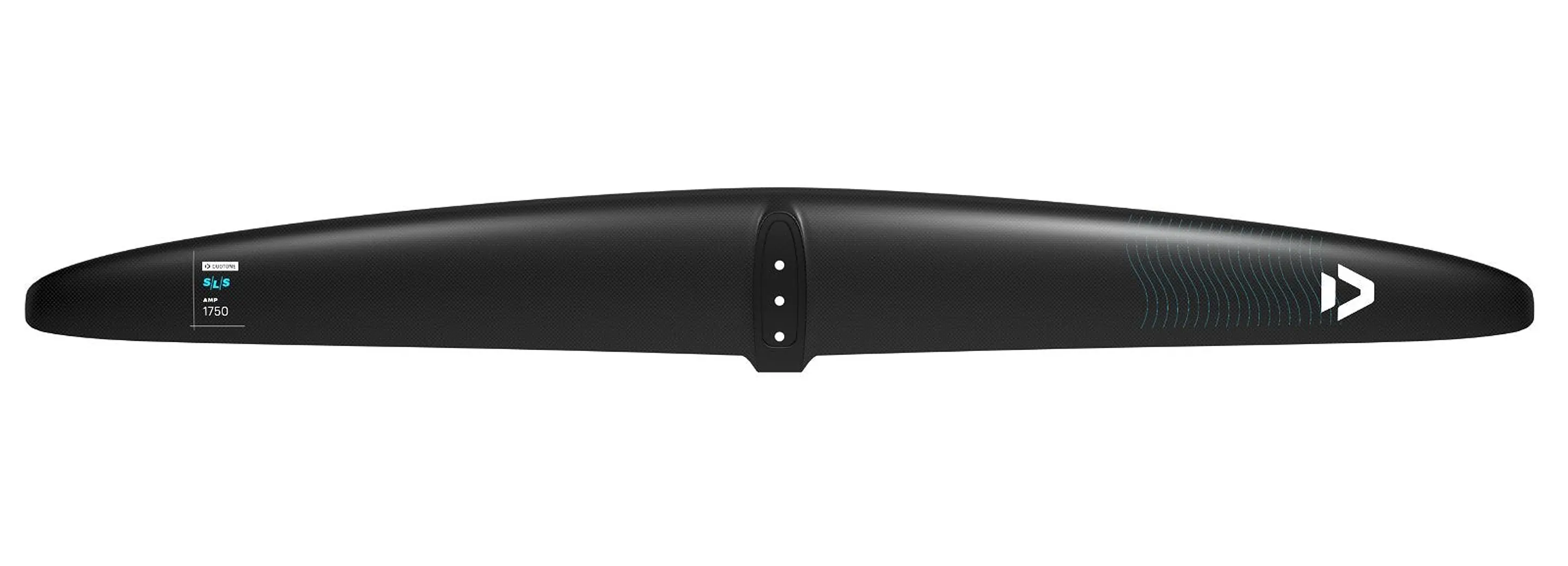
The foil mounts under the board and has a front wing, rear wing, fuselage, and mast. For beginners:
- Front wing: 1800-2200 cm² (larger = more lift at lower speeds)
- Mast length: 60-75 cm (shorter = closer to water = less scary)
- Material: Aluminum mast is affordable and durable for learning
4. Safety Gear
- Helmet: Essential while learning. You will fall.
- Impact vest: Protects your ribs from the foil and board
- Wetsuit: Appropriate for your local water temperature
- Wing leash: Keeps the wing attached to your wrist
- Board leash: Keeps the board nearby after a fall
Learning Steps
- Handle the wing on land: Practice sheeting in/out, turning, and body position on the beach
- Prone on the board: Lie on the board with the wing, get comfortable
- Kneeling: Kneel on the board while using the wing for power
- Standing without foil: Stand up and ride the board flat on the water
- First foil flights: Gradually increase speed until the foil lifts you up
- Sustained foiling: Learn to control height and speed while foiling
Ready to Start?
Browse our wings, wing boards, and wing foils to build your complete setup. Our team can help you choose the right gear for your weight and local conditions.