
Wing Foiling vs Kitesurfing 2026 — Which to Start With?
Quick Verdict
Wing foiling is easier to progress in quickly, especially in light wind and calm conditions. You'll be riding foils and feeling the thrill within 2-4 weeks of focused practice. Kitesurfing offers more reliable wind windows and forces you to develop deeper technical control, making it rewarding long-term. If you want fast wins and minimal equipment struggle, pick wing foiling. If you want year-round wind and don't mind a steeper early learning curve, kitesurfing wins.
Side-by-Side Comparison
Feature Wing Foiling Kitesurfing Time to First Ride ✓ 2-4 weeks -- 4-8 weeks Minimum Wind ✓ 5-10 knots -- 10-12 knots Setup Complexity ✓ Wing + board + foil -- Kite + bar + board (more parts) Control Difficulty ✓ Intuitive steering -- Requires precise bar/edge work Safety (Impact Risk) -- Foil falls from height ✓ Largely above water Cost (Full Setup) -- €2,500-4,500 ✓ €1,800-3,000 Year-Round Viability -- Needs consistent light wind ✓ Works in strong wind + variable conditionsWing Foiling -- Full Review
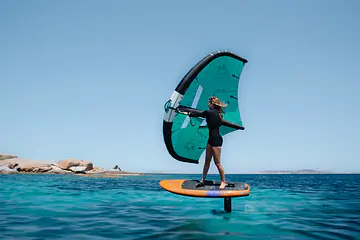
Wing foiling is the new kid on the block, and it's revolutionised how riders think about light-wind progression. You hold an inflatable wing in your hands and generate lift, then transition to a foiling board and hydrofoil underneath. The magic happens instantly: once you've popped up on the foil, the ride feels like floating--there's almost no friction, no planing threshold to fight. You're moving at 8-12 knots upwind in what would be impossibly light air for traditional kitesurfing.
Lightweight carbon construction delivers effortless liftoff and sustained glide in marginal wind. The UHM mast and fuselage combo is responsive without being twitchy--perfect if you're coming from kitesurfing and want refined control straight away.
Strengths: You'll feel progress almost daily--your brain isn't fighting muscle memory from other sports. The learning curve flattens fast because the foil does the heavy lifting. Light winds (5-10 knots) that would be wasted on a kite become your playground. No reliance on strong, consistent wind. Fewer moving parts mean less can go wrong, and repairs are straightforward.
Weaknesses: The foil itself is expensive and fragile--a bad landing on rocks costs money. You need calm, flat water to progress safely; choppy or onshore beaches are brutal. The initial balance phase (1-2 weeks) demands fitness and commitment. If you fall, you're falling from height, which is scarier than kitesurfing. Resale value on used wings is still volatile.
The 2026 POISON is a purpose-built wing foiling tool. Direct handling, precise leading-edge response, and minimal arm fatigue. Ideal if you're transitioning from kitesurfing--you'll recognise the direct feedback.
Kitesurfing -- Full Review
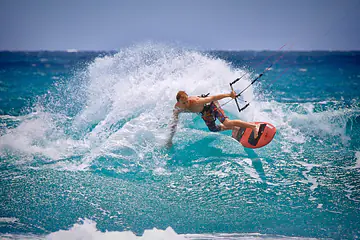
Kitesurfing has 20+ years of proven progression systems. You're tethered to a power kite via a four-line bar, generating massive lift and drive. Once you pop up on the board, you're riding edge pressure and bar control to carve, jump, and cruise. The discipline demands wind--proper wind (10-12 knots minimum)--but when conditions align, kitesurfing delivers raw power and endless trick potential.
Strengths: Year-round viability in most European spots (France, Portugal, Spain, Greece all have reliable wind windows). The learning curve is proven--thousands of schools and coaches worldwide can fast-track your progress. Kites are durable and repairable; a torn panel costs £50, not £1,000. You're less vulnerable to falls because you're mostly above water. Wind variety means you can ride in light, medium, and strong gusts on the same day with different kites.
Weaknesses: The setup is complex: launch, bar control, body positioning, edge work, and re-launch all demand coordination. You won't feel truly in control for 4-8 weeks--longer than wing foiling. You're dependent on good wind days; a 9-knot day leaves your kite grounded. The bar and bridles need regular inspection, and re-launching in choppy conditions tests your patience. Kitesurfing also has the steepest cost entry if you're buying multiple kite sizes (you'll want 7m, 12m, and 17m for year-round use).
Who Should Choose Each?
Fast-Track Beginners
You want measurable progress within weeks. You've got access to flat-water spots and light-wind days (lakes, sheltered bays, mellow river mouths). You're comfortable learning a new sport from scratch and don't mind bruises. You value immediate reward over variety.
All-Rounder Riders
You want year-round sessions in any wind. You're patient with a longer learning curve and enjoy technical challenge. You have access to wind-consistent coastal spots and don't mind re-launching kites. You want to learn tricks (jumps, rotations, waves) and compete eventually.
Our Recommendation
If you're choosing between wing foiling and kitesurfing in 2026, here's our honest take: Start with wing foiling if you have calm-water access and want quick wins. Buy a Gaastra Wing 2026 POISON (4.5-5.5 m depending on your weight), pair it with a Duotone Sky Free 2026 wing foil board, and grab a Gaastra Foil CARBON UHM 85 Wing Foil set. You'll be foiling within a month. The total investment is higher (€2,800-3,500), but the dopamine hit of gliding on a foil makes the price sting less. Progress from week two onwards is addictive.
Choose kitesurfing if you live in a consistently windy region (Portugal, France, Greece) or want year-round riding variety. You'll invest €1,800-2,500 upfront for a solid kite (Duotone or Cabrinha freeride model), bar, and beginner-friendly board. The learning curve is steeper--expect 4-8 weeks before you ride confidently--but you'll unlock a sport with infinite progression: waves, freeride, freestyle, foiling (yes, kitesurfing foils exist too). Kitesurfing also has a bigger global community, more schools, and more repair shops if things break.
In reality, many riders don't choose--they do both. Wing foiling owns light days and calm flatwater. Kitesurfing owns windy days and varied conditions. If you're serious about water sports in 2026, budget for a wing setup first (faster progression, less wind-dependent), then add a kite setup within 6 months.
Wing foiling works in choppy conditions too--you'll just progress slower. Chop teaches you stability faster, but it's harder on confidence early on. Save choppy days until week 3+.
Budget wing foils and entry kites are harder to progress on, not easier. A €300 wing sacrifices handling feel that costs you weeks of learning. Invest €600+ in your wing, €1,200+ in your kite, and you'll progress faster and enjoy more.
Wing foilers need impact vests and helmets--foil falls are scary and real. Kiteboarders need helmets and impact vests too, plus a proper leash. Don't cheap out on protection; a helmet is €80-150 and saves your skull.
Ready to Choose Your Discipline?
We stock everything you need: foils, wings, kites, and boards from trusted brands. Expert advice from riders who've mastered both. Free EU shipping from €99.