Kitesurfing vs Windsurfing 2026 — Which Should You Choose?
Kitesurfing and windsurfing both deliver speed and flow, but they're built on totally different mechanics. We'll walk you through the learning curve, cost, portability, and progression path so you can pick the one that fits your goals.
Kitesurfing demands 10–15 hours of instruction upfront but rewards you with fast progression to jumps and tricks. Windsurfing has a gentler first month but takes longer to reach the adrenaline stage. Pick kite if you want travel-friendly gear, low wind flexibility, and quick tricks. Pick wind if you prefer self-taught sessions and deep technical sailing. Our buyers lean kite — we've shipped more Duotone kites since 2003 than any other category.
01 — Instruction timeFirst Six Months: Learning Curve
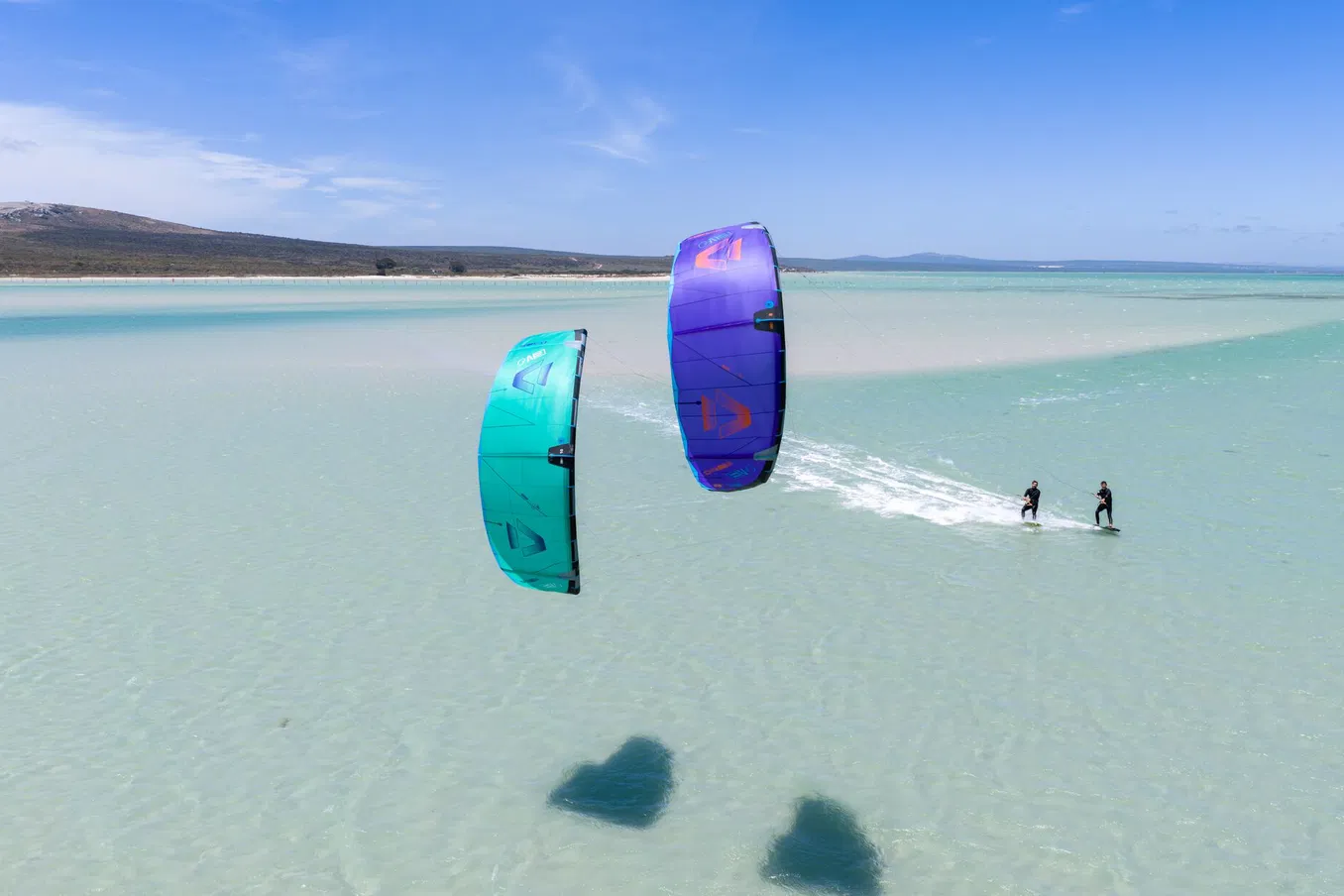
Kitesurfing isn't something you pick up solo. You'll need 10–15 structured hours with a certified instructor — it's non-negotiable. You're managing wind, board, and kite all at once, and a bad launch can sting. But here's the payoff: once those first sessions click, you'll be riding edge and moving upwind within a fortnight. Riders we talk to in Tarifa and Cape Town tell us they're hitting basic jumps by week three.
Windsurfing starts smoother. You can fumble your way into the water solo. The first month feels less steep. But reaching the point where you're genuinely having fun — sustained speed, clean turns, control in chop — takes 6–8 weeks minimum. The technical nuance of sail trim and footwork lives in your shoulders and legs; it takes real repetition.
02 — Budget and travelGear Cost and Portability
A starter kite quiver runs you one 12 m² and one 9 m² — that's €3,500–€4,500 for quality Duotone or Cabrinha gear, plus a board. A windsurf setup (sail + board + mast + boom) sits in the same ballpark, but you're often locked into one or two sails for your local wind range. Kite gear travels lighter. A 12 m² kite, bar, and board pack into one bag. Windsurfing gear doesn't compress — your boom and mast are awkward cargo.
We ship kite setups across Europe regularly; they fly easy. Windsurfing kits need a car or padded transport. If you travel between spots with different wind profiles — say, winter in Tarifa, summer on the Baltic — kite gives you flexibility with smaller size swaps (7 m² to 12 m² covers most days). Windsurf, you're buying second sails.
03 — Our picksProgression and Your Goals
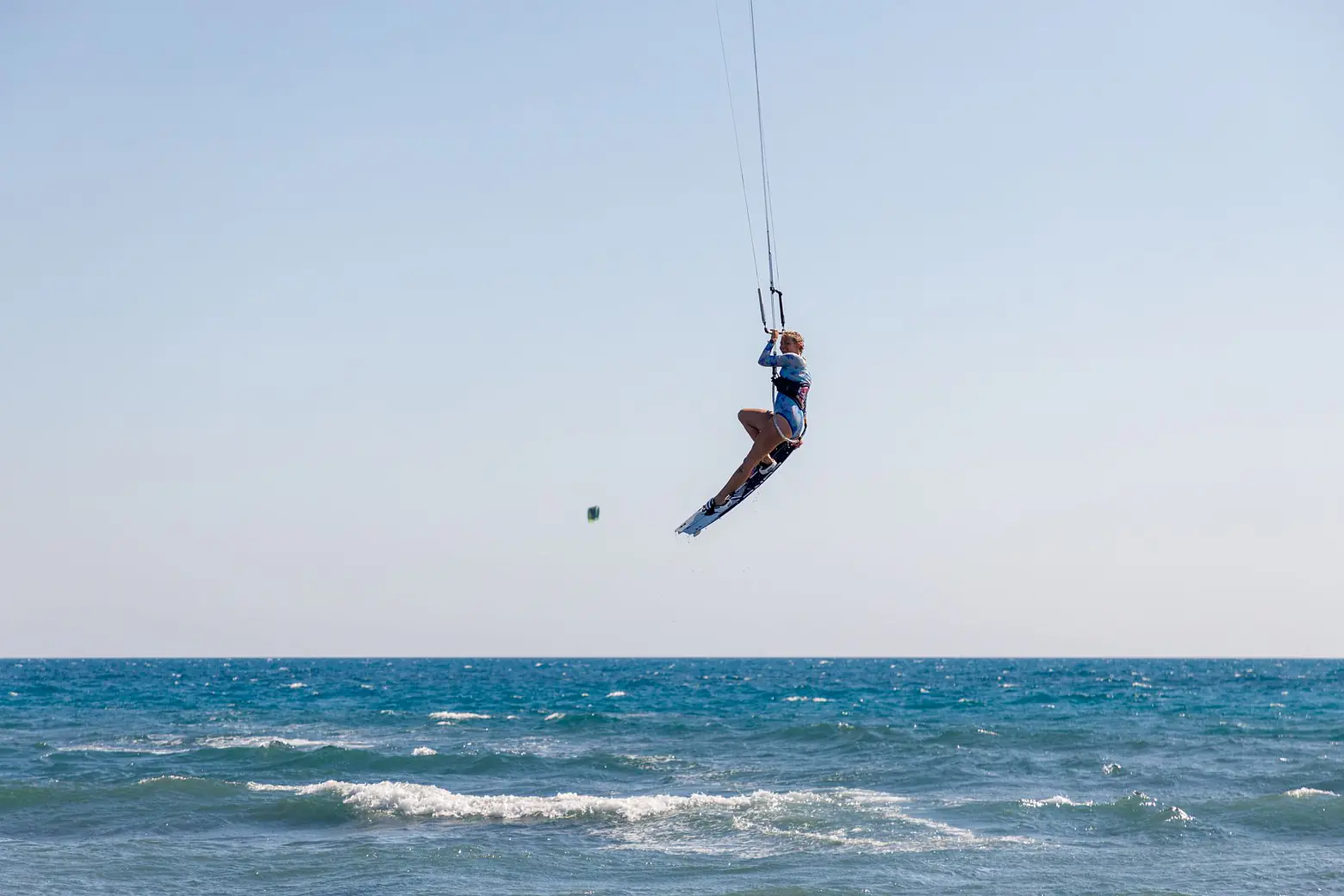
Kitesurfing is tricks-first. Jumps, handle passes, boards off — these come within 3–6 months for most riders. Windsurfing is finesse-first; you'll chase smooth carving turns and wave riding for a season before tricks feel natural. Pick kite if you want visible progress and stoke every session. Pick wind if technical mastery and long-term puzzle-solving excite you.
We've picked four Duotone kites that cover beginner to intermediate progression without needing to overhaul your quiver every season.
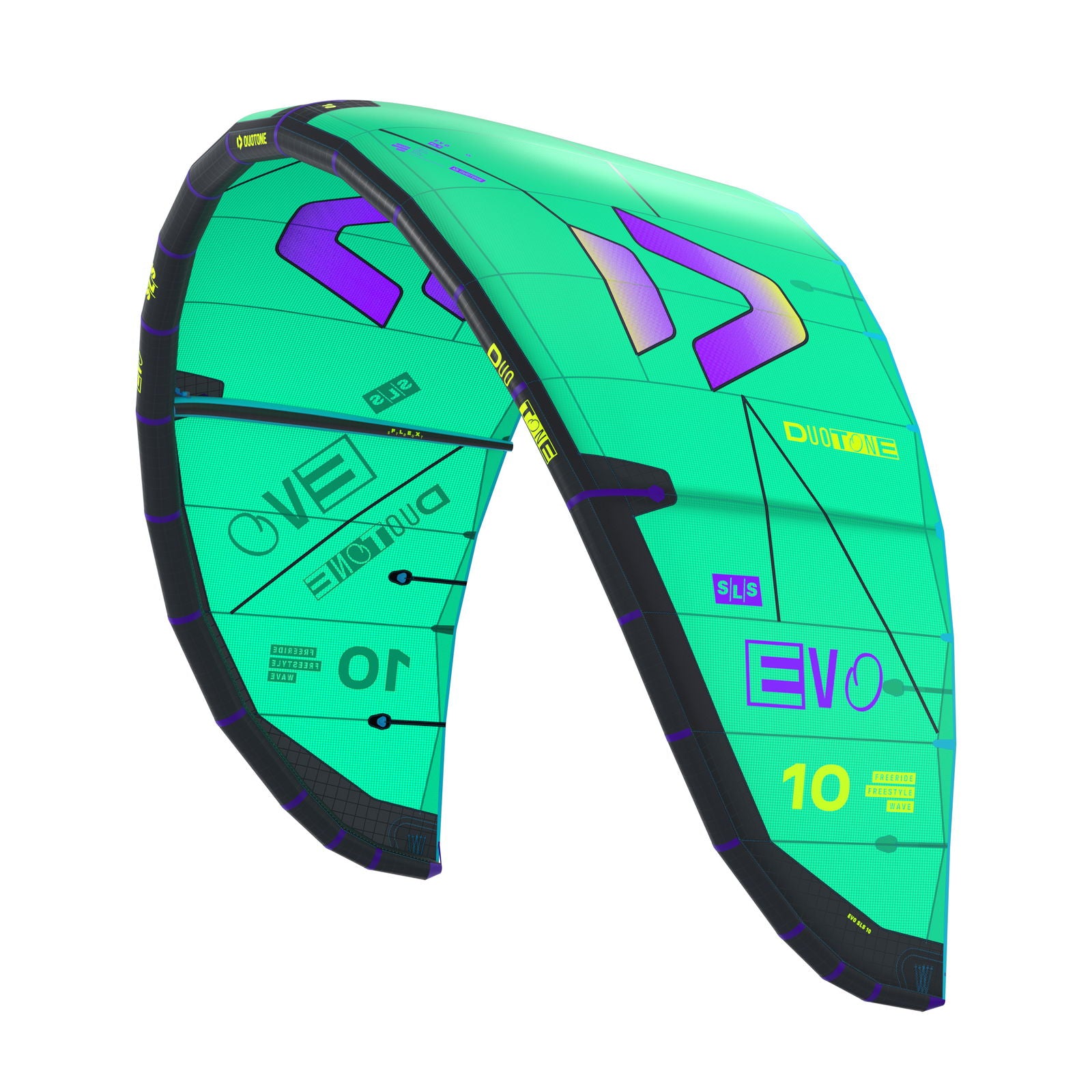
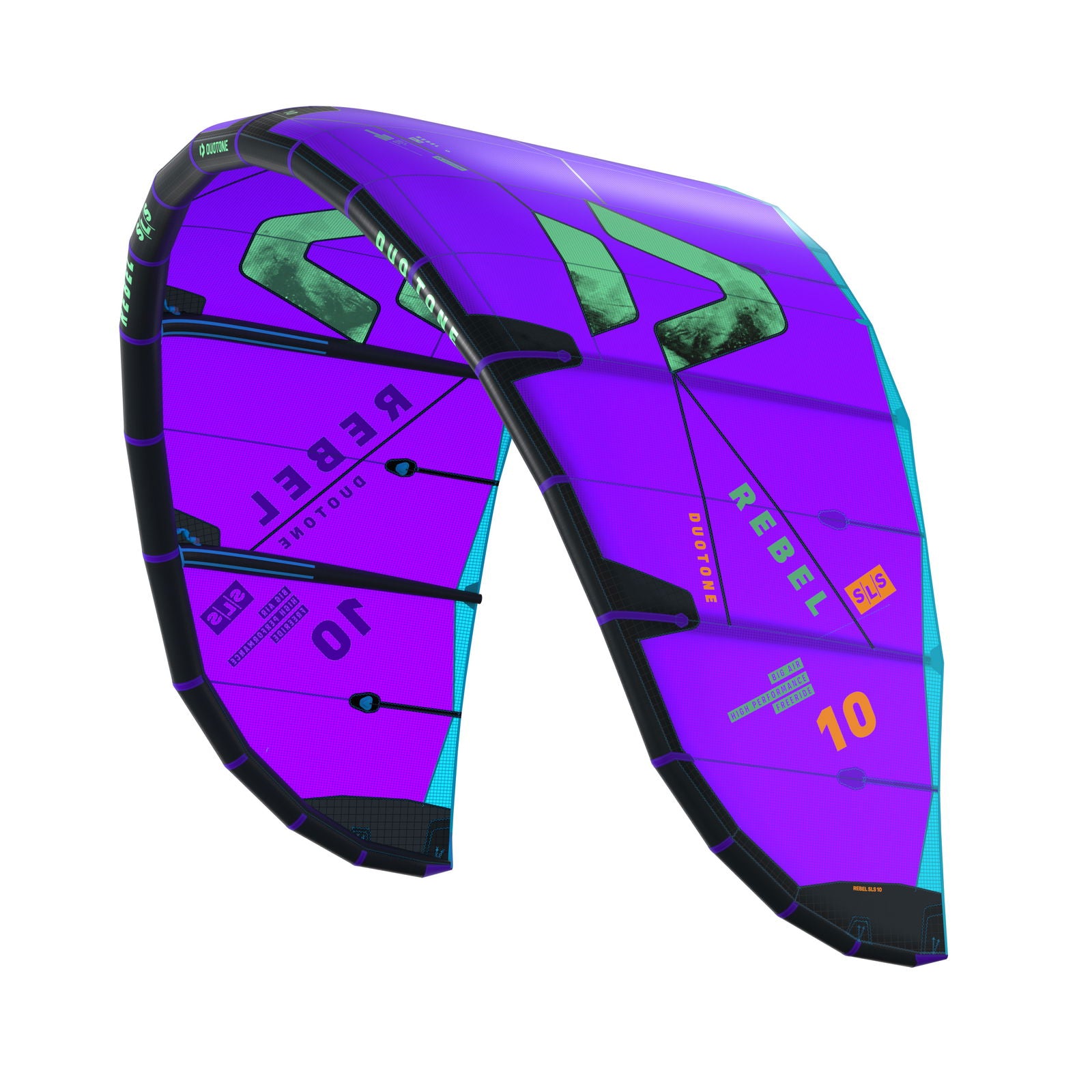
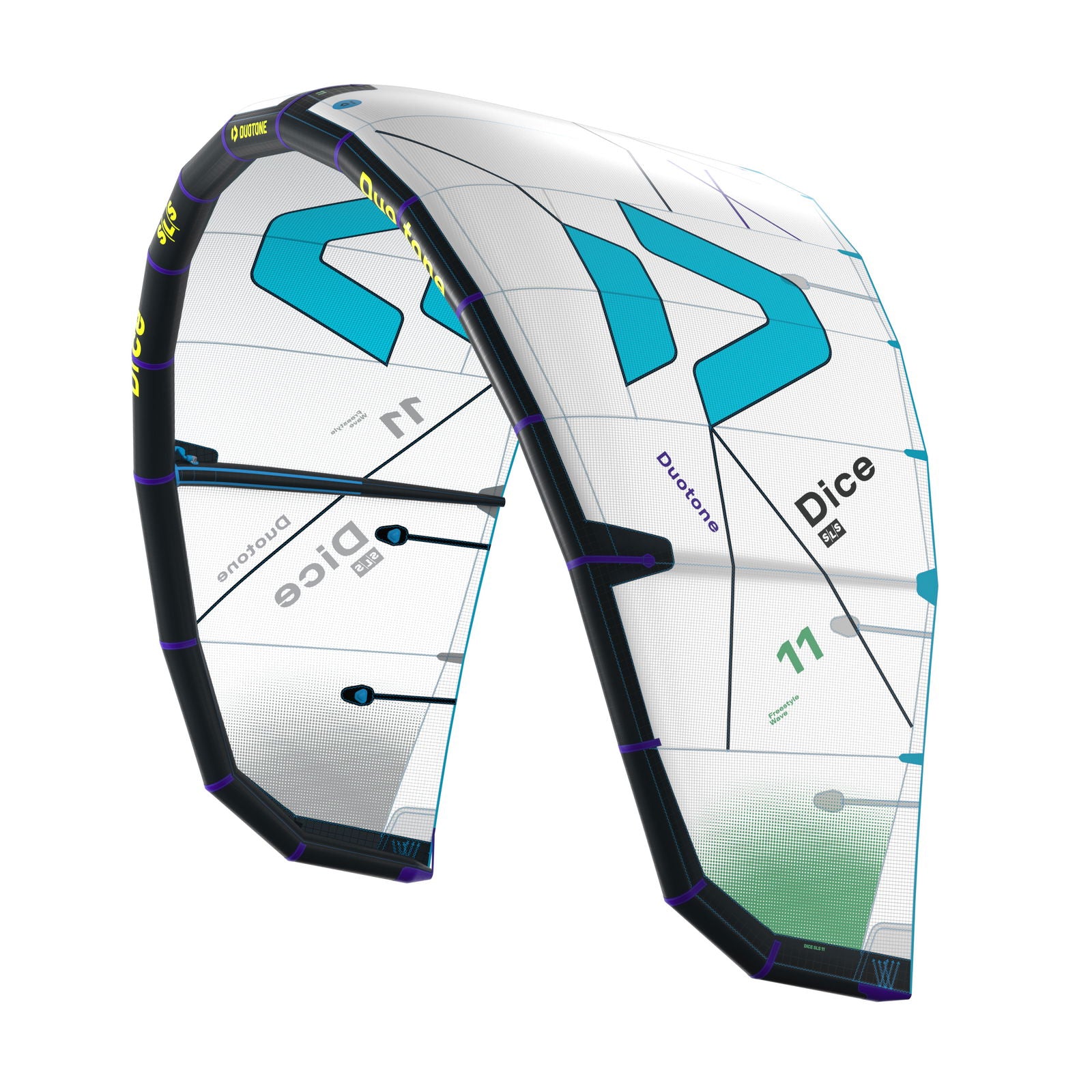
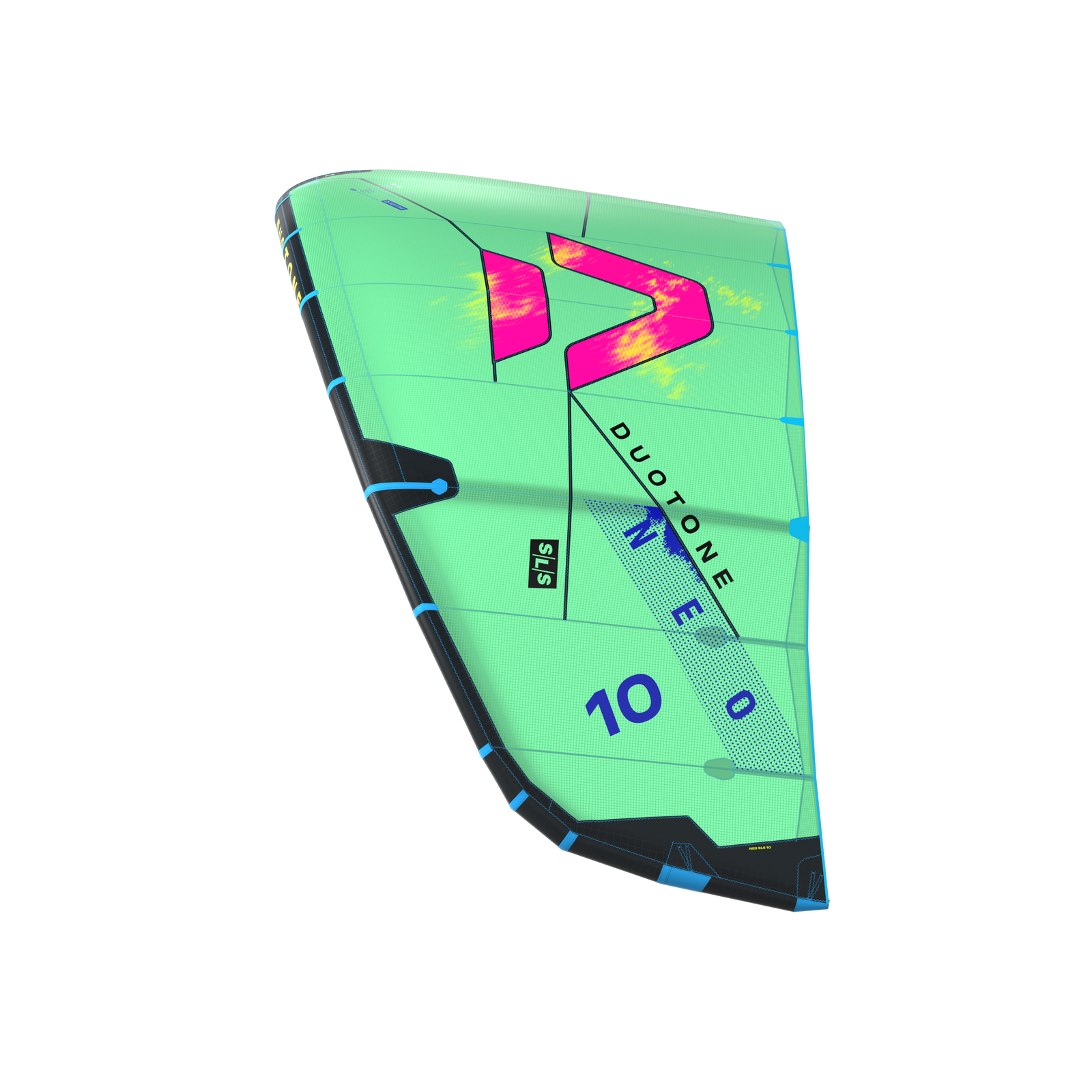
Prices and 2026 specs are pulled live from each product page. Confirm on the product page before checkout.
04 — MistakesThree mistakes we see every week
Ready to go kite?
Our Duotone range covers beginners through intermediate — check the kite category for full specs and stock.
Frequently asked
No. You need a certified instructor for safety and technique. Windsurfing you can learn solo; kite you can't. Budget 10–15 hours minimum.
Start with 12 m² if you weigh 70–85 kg and ride in 12–18 knots. Add a 9 m² once you're confident. These two sizes cover 90% of your sessions across seasons.
Not harder — different. Kite has a steeper first week, then fast progress. Windsurf has a gentle start but slower progression to real flow. You'll know which suits you within a month.
Yes. Edge control and balance from kite transfer directly. Many riders cross between both, especially if you chase winter and summer spots with different wind types.