
Blog
Surf Store Blog
Guides & Expert Tips
Everything you need to choose the right gear — from kite sizing charts to wetsuit guides, written by our team.

Wave Board vs Freeride Board Windsurfing — What's the Difference?
The key difference? Wave boards are short and manoeuvrable for radical turns in choppy conditions, while freeride boards are longer and faster for cruising varied wind and water. Your choice depends on where you ride and what kind of session you want. 01 -- FULL ANSWER The Full AnswerIn windsurfing, wave boards and fr...

How to Jibe in Windsurfing — Step-by-Step Technique Guide
A jibe in windsurfing is a downwind turn where you pivot the board's tail (rear end) through the wind direction, keeping the sail powered the entire time. It's the opposite of a tack and the fastest way to change direction--essential for freewave riding, slalom, and freestyle. Done well, you'll stay locked in and maint...
What Wetsuit Do You Need for Kitesurfing in Europe? — Guide
The wetsuit you need depends on your local water temperature, which shifts dramatically across Europe's seasons. Most European kiters use a 3/2mm suit for autumn and spring (the main wind season), a 5/4mm or hooded 6/5mm for winter, and a 2/1mm shorty or spring suit for summer. If you're chasing wind across multiple re...
How Long Does It Take to Learn Windsurfing? — Realistic Timeline
Most people learn the basics of windsurfing--uphaul, jibe, and forward sailing--in 10-20 hours of practice. Reaching intermediate level (comfortable in variable wind, decent control) takes 30-50 hours. True competence and smooth technique across conditions? That's 50-100+ hours over several months. The timeline depends...
Best Kite for Absolute Beginners 2026 — Expert Recommendation
The best kite for absolute beginners in 2026 is one that forgives mistakes, stays stable in light wind, and relaunches easily when you inevitably drop it. Models like the Duotone Juice and Cabrinha Drifter Apex are specifically designed to take the stress out of learning, with a wide wind window, predictable handling, ...

What Is Depower on a Kite? — Safety System Explained
Depower is the ability to reduce the amount of power your kite generates by moving it away from the window (the strongest power zone) and adjusting its angle of attack. It's controlled via your bar, either through a dedicated depower line or by releasing the bar, and it's one of the most important safety features in ki...
Do You Need a Wetsuit for Windsurfing? — Temperature Guide
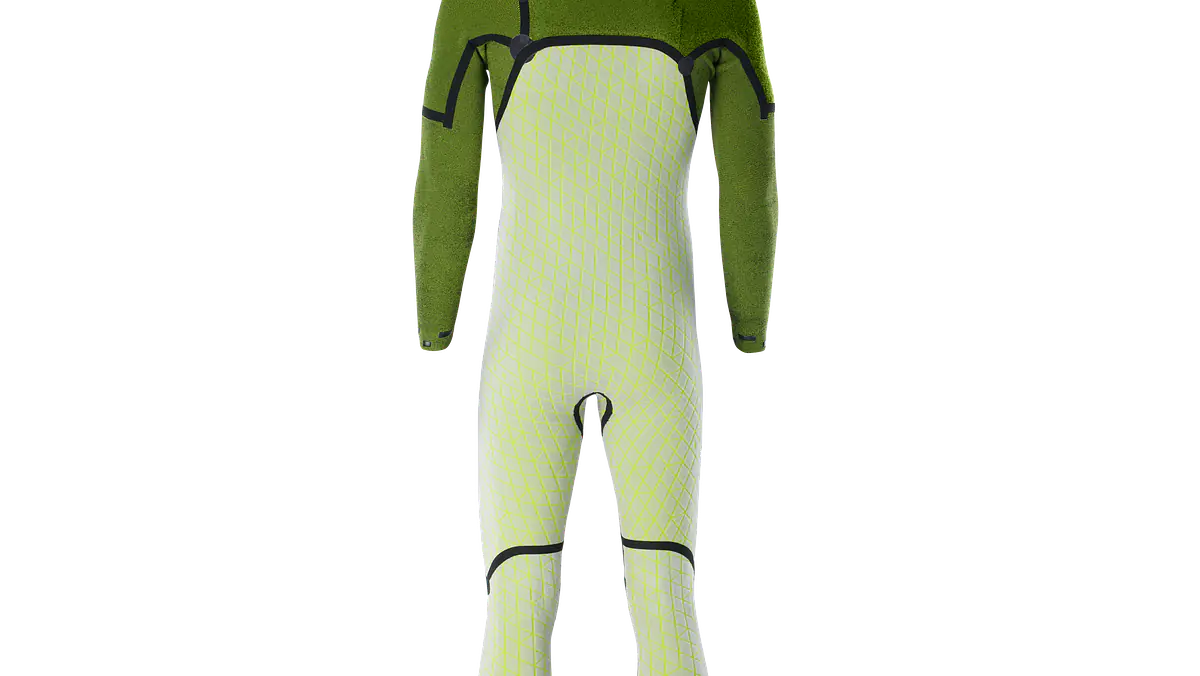
The short answer: yes, you need a wetsuit for windsurfing--unless you're in tropical water above 24°C. Even in warm conditions, a thin rashguard offers UV protection and reduces chafe. In most of Europe (including Slovenia), water temperatures drop fast, so a 3-5mm suit is non-negotiable from autumn through spring. 01...
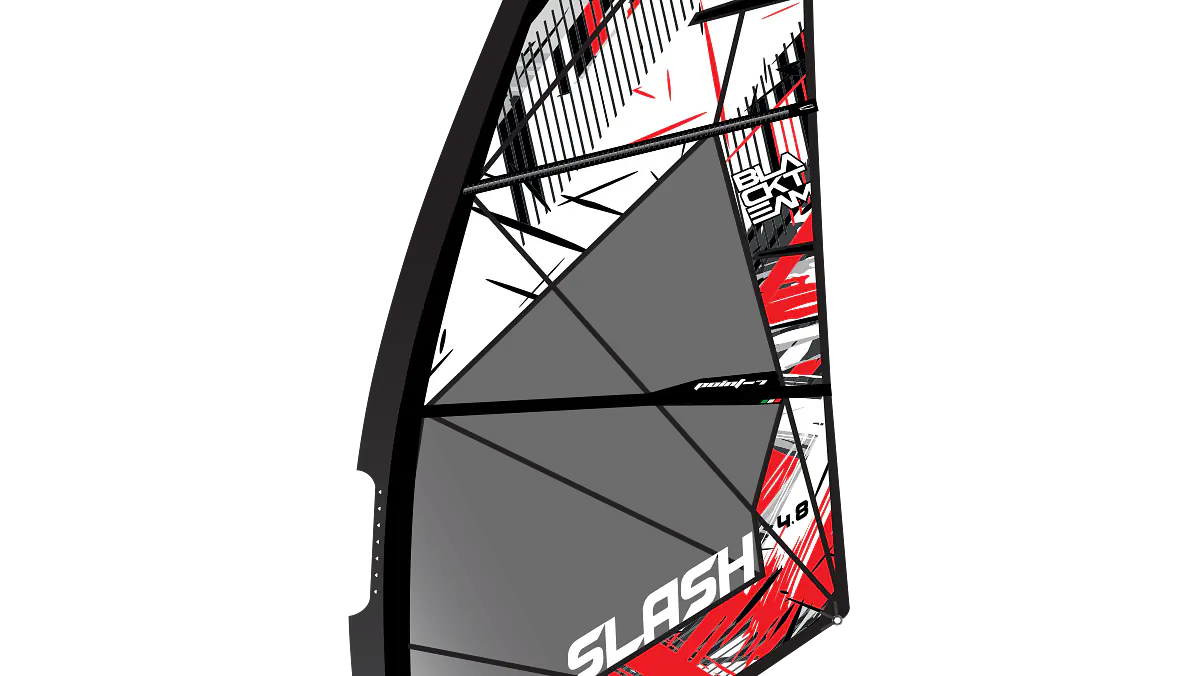
How to Rig a Windsurf Sail — Step-by-Step Guide
Rigging a windsurf sail is a fundamental skill that takes 10-15 minutes once you master the sequence. The process involves sliding the mast into the sail's luff sleeve, attaching the boom at the correct height, and then tensioning the outhaul and downhaul to tune the sail's shape. Get this right, and your sail will del...
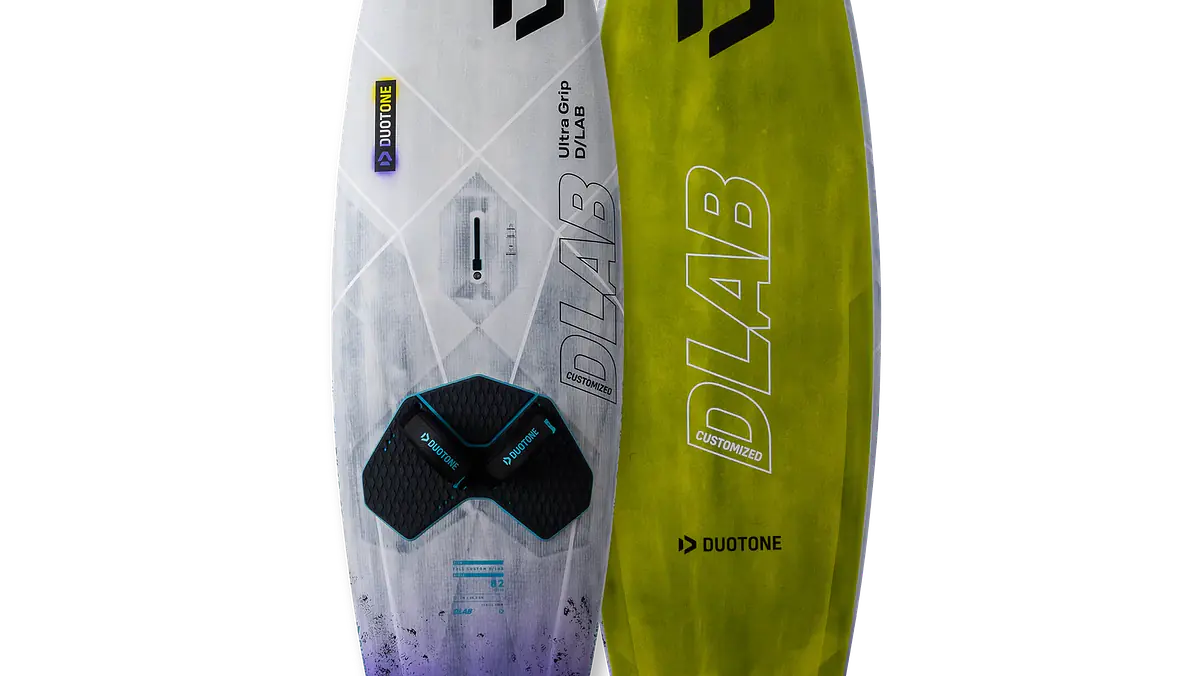
Is Kitesurfing Harder Than Windsurfing? (2026 Answer)
Kitesurfing has a steeper initial learning curve than windsurfing, but windsurfing can take longer to master -- discover which sport suits you best.
How to Land a Kite Safely — Self-Landing & Assisted Landing
The safest way to land a kite on the beach is to position yourself downwind of your target landing zone, gradually reduce power by moving the bar away from your body, and steer the kite into the wind as it descends. Keep constant tension on the bar, watch your kite's angle, and touch down in the neutral zone at the top...
What Is Big Air Kitesurfing? — Jumping & Tricks Explained
Big air kitesurfing is the art of using your kite's power to launch yourself high above the water, perform aerial tricks, and land smoothly. It's the bridge between cruising and full freestyle--where you learn to control your body in the air and build the confidence for more complex manoeuvres. 01 -- FULL ANSWER The F...

How to Choose a Windsurf Harness — Seat vs Waist Guide
The right windsurf harness keeps you anchored and comfortable during long sessions--and choosing between seat and waist harnesses depends on your body type, riding style, and how much support you need. A seat harness distributes load across your legs and back, ideal for control and comfort in stronger wind; a waist har...
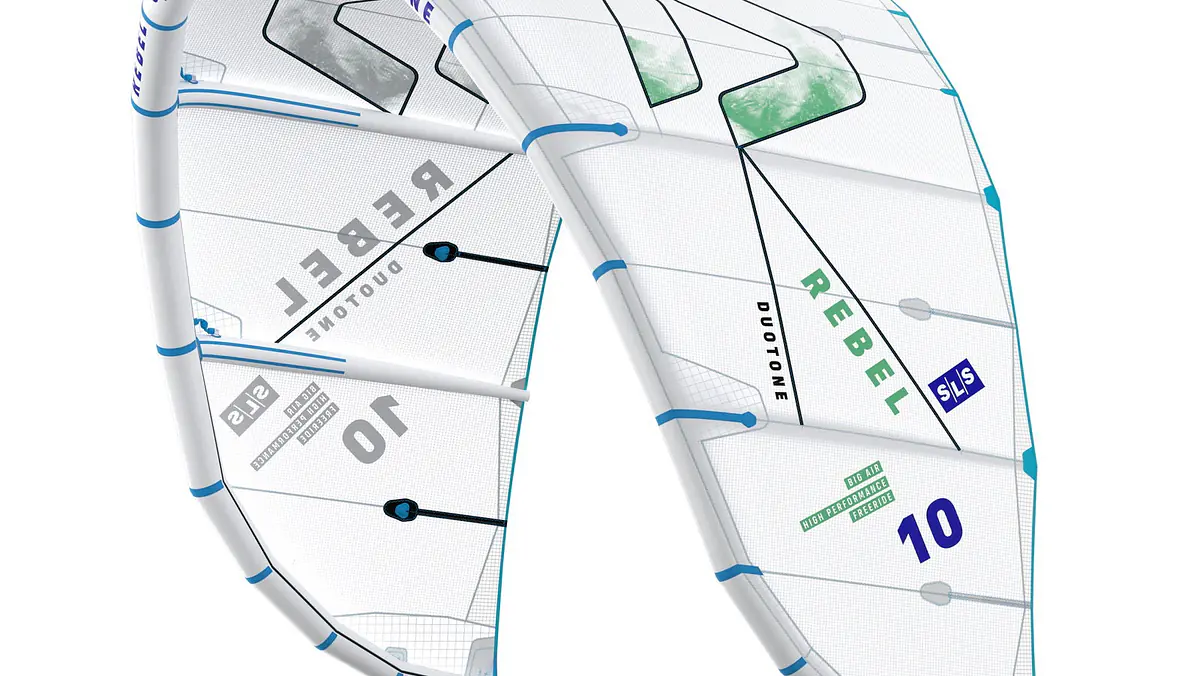
What Is a Kite Deathloop? — How to Avoid This Dangerous Situation
A kite deathloop is an uncontrolled downward spiral where your kite spins inward toward itself, loses lift, and becomes nearly impossible to recover from without crashing. It happens when you over-rotate the bar, stall the kite's angle of attack, or mishandle edge control in waves--and it's one of the most dangerous si...

Is Wing Foiling Dangerous? — Risk Assessment for Beginners
Wing foiling is not inherently dangerous, but like any board sport, it carries manageable risks. When you follow proper progression, wear a PFD, start in safe conditions, and learn from experienced riders, the injury rate is significantly lower than kitesurfing or windsurfing. The key difference: wing foiling gives you...

What Equipment Do You Need for Wing Foiling? — Full Kit List
To get started wing foiling, you need six core pieces of equipment: a wing, a board, a foil system (mast, fuselage, and wings), a harness, a wetsuit, and a personal flotation device. Unlike kitesurfing or windsurfing, wing foiling is refreshingly straightforward--you're not managing a bar or boom, just a handheld wing ...
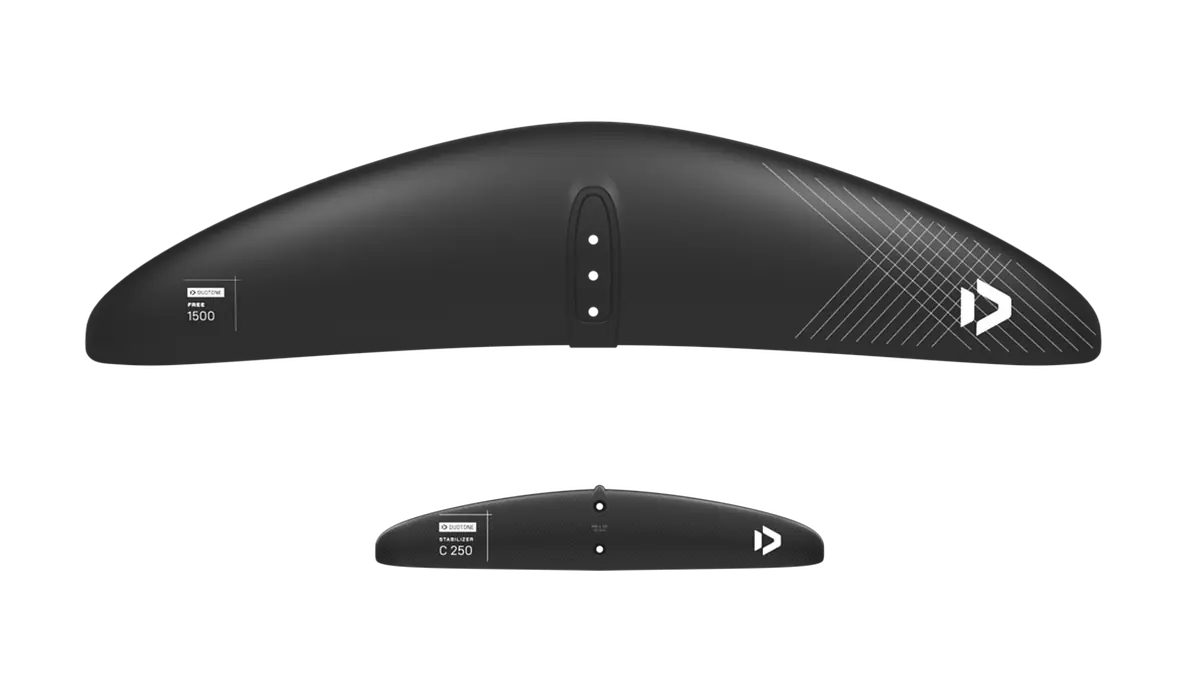
How to Choose a Foil for Wing Foiling — Aspect Ratio Guide
The right foil for wing foiling comes down to three core factors: your body weight and height, the wind conditions you ride most, and whether you prioritise early lift and glide or high-speed performance. Most wing foilers start with a high-aspect-ratio foil in the 65-90cm mast range, paired with a mid-sized front wing...

Can You Use a Surfboard for Wing Foiling? — Beginner Board Guide
The honest answer is no--you shouldn't use a regular surfboard for wing foiling, even if you're tempted to save money. A surfboard is built for paddling, pop-ups, and rail carving in waves. Wing foiling demands a completely different platform: a board that floats you effortlessly, holds you stable while you control a w...
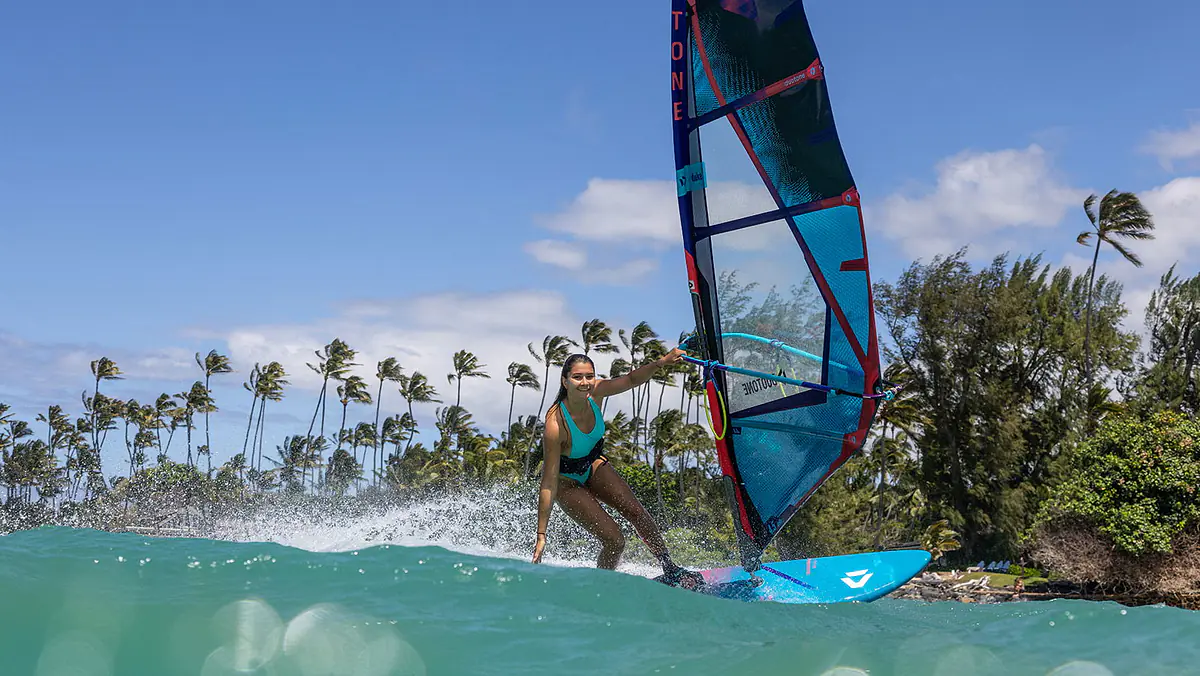
How to Maintain & Repair a Windsurf Board — Care Guide
Windsurf board maintenance comes down to three things: keep it dry and out of direct sun, fix small dings before they become big holes, and inspect your board monthly for hairline cracks or delamination. Most repairs--from minor dings to soft spots--can be tackled at home with epoxy resin, sandpaper, and basic hand too...
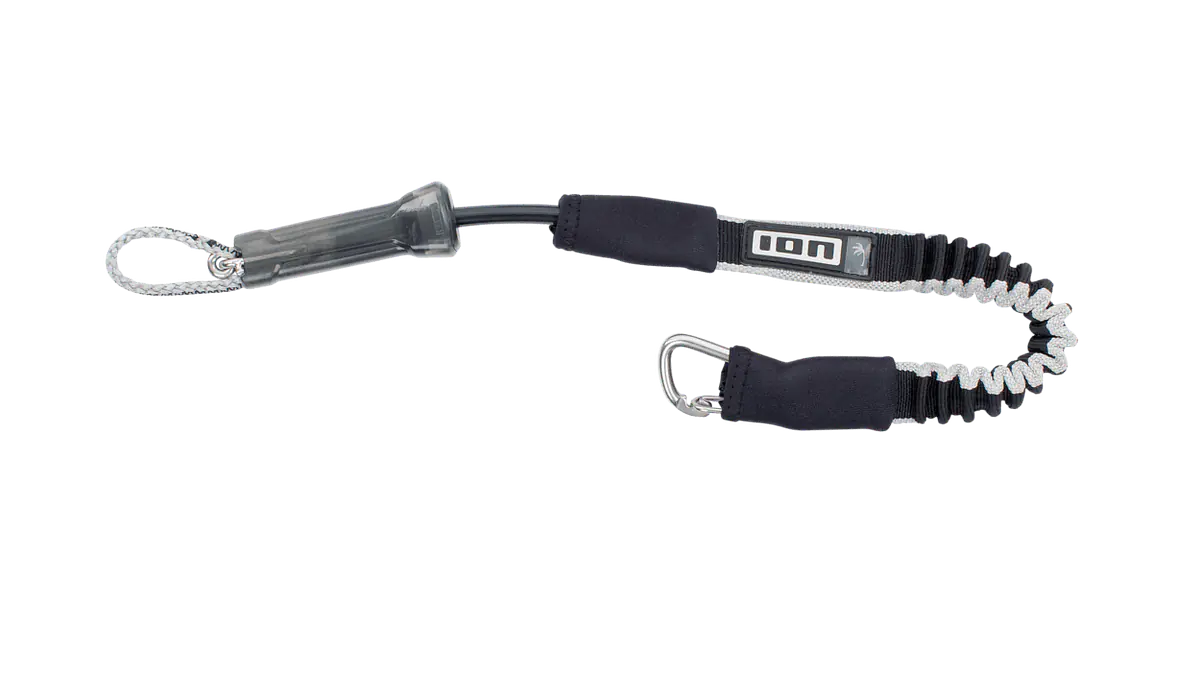
How to Avoid Being Overpowered Kitesurfing — Safety & Technique
The best way to prevent getting overpowered while kitesurfing is to choose a kite size that matches your actual wind conditions, master the depower stroke to dump power instantly, and stay alert to wind pressure changes. These three foundations--sizing, technique, and awareness--will keep you in control even when the w...
Best SUP for Flatwater Touring 2026 — Long Distance Guide
The best SUP for flatwater touring distance is a dedicated touring board--typically 12 to 14 feet long, 28 to 30 inches wide, with a displacement or hybrid hull. These boards prioritise glide, stability, and efficiency over tricks or waves, letting you cover long distances with less effort and greater comfort. The Ful...