
Blog
Surf Store Blog
Guides & Expert Tips
Everything you need to choose the right gear — from kite sizing charts to wetsuit guides, written by our team.
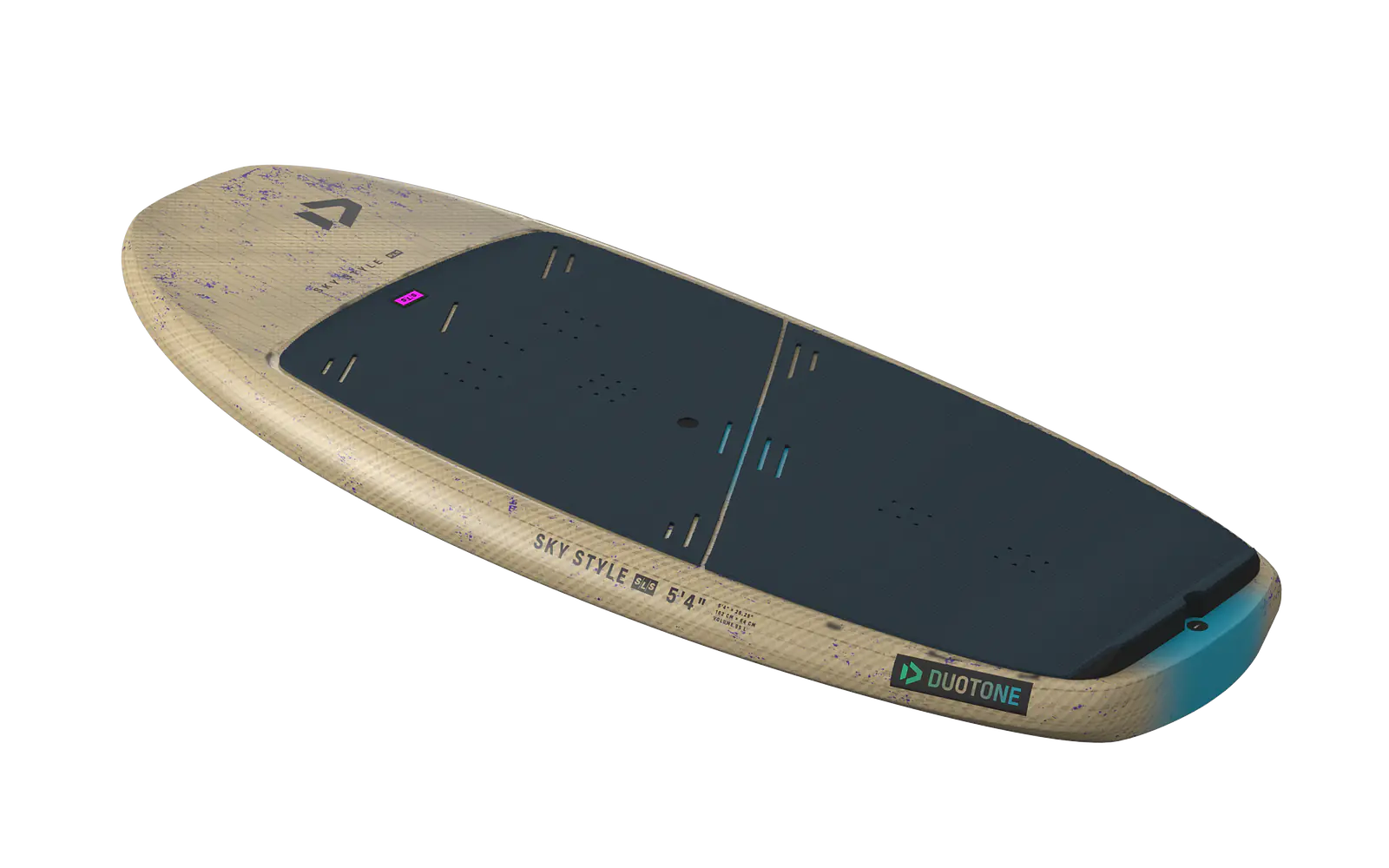
Directional vs Twin-Tip in Waves — Which Kiteboard to Choose?
For serious wave riding, a directional kiteboard gives better control and speed, whilst twin-tips suit freestyle and variable wind conditions.

Kiteboard Size for Light Wind — Large Board Guide 2026
For light wind conditions, choose a kiteboard sized 15m or larger to maximise float, response, and your ability to stay upwind.
Foil vs Regular Kiteboard in Light Wind — Which Is Better?
Foil kiteboards are superior in light wind because they generate lift earlier and require less power, making them ideal when conditions are marginal.

Wetsuit Thickness by Water Temperature — Full Guide 2026
Choose wetsuit thickness by matching millimetre rating to your water temperature: 3/2mm for 16–18°C, 4/3mm for 12–16°C, 5/4mm for 8–12°C, 6/5mm for below 8°C.

Wing Foil Size Guide — Choosing Your Wing by Wind Speed
Match your wing foil size to wind speed: lighter winds need bigger wings (5–6 m²), medium winds 4–5 m², and strong winds 3–4 m².
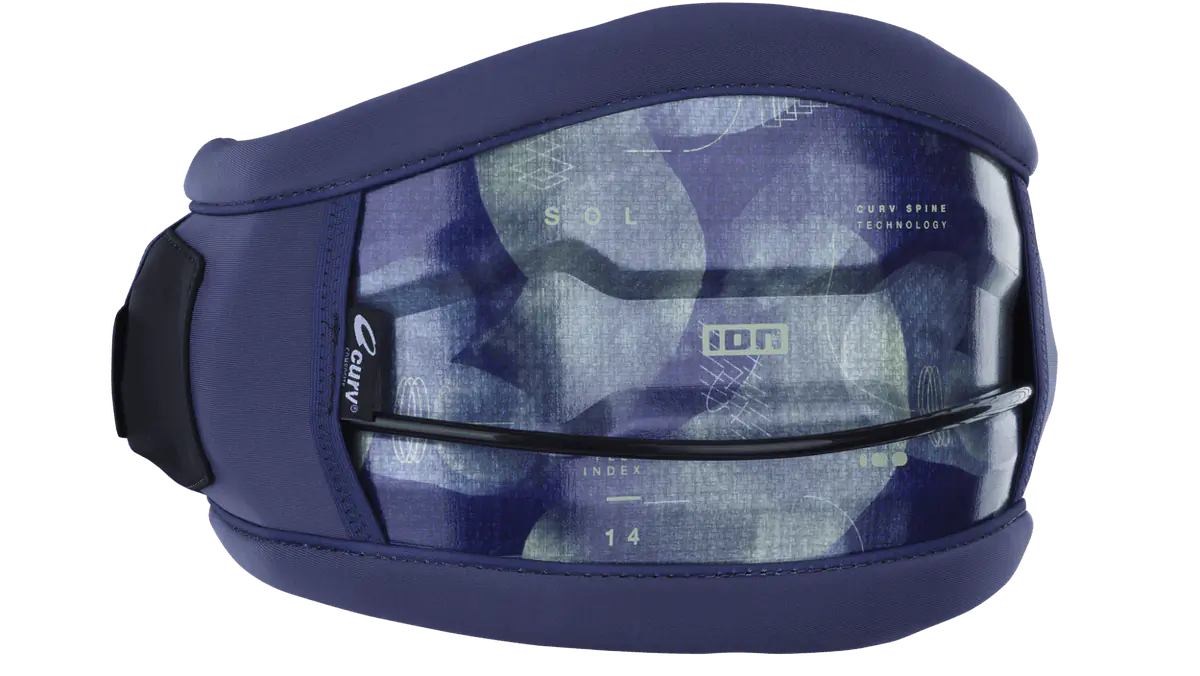
Kite Harness Setup for Big Air & Jumping — Settings Guide
Discover the essential kite harness adjustments, technique, and gear needed to land massive big air jumps safely and consistently.
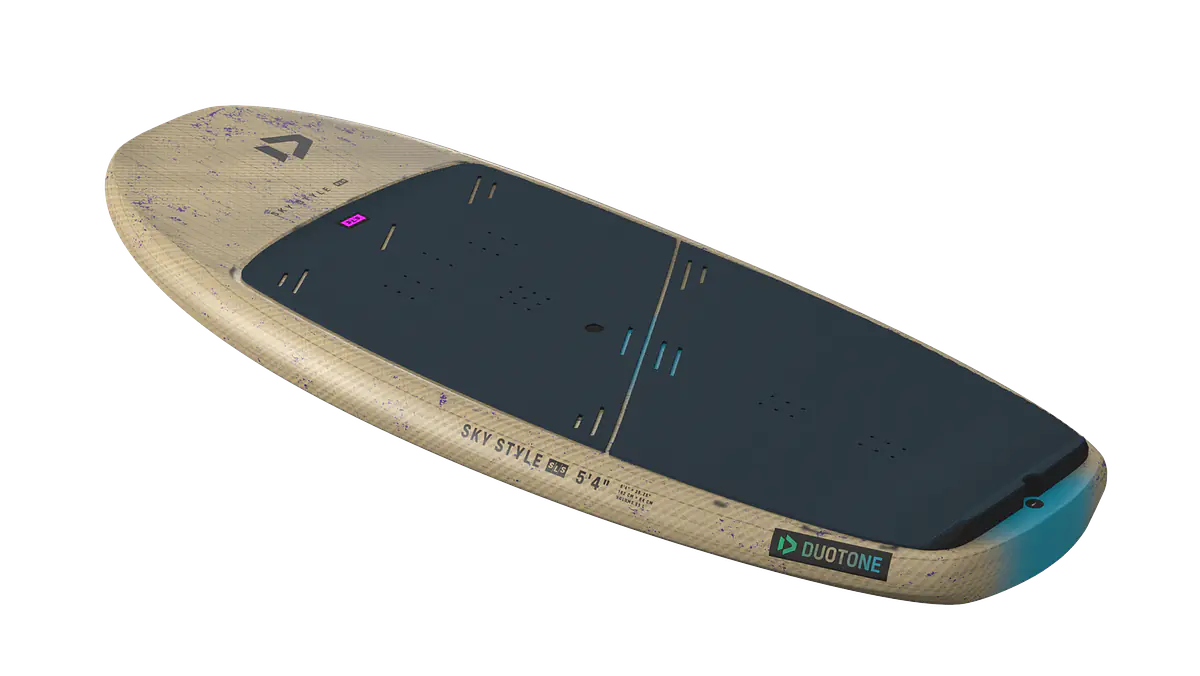
Directional vs Twin-Tip in Waves — Which Kiteboard to Choose?
For serious wave riding, a directional kiteboard gives better control and speed, whilst twin-tips suit freestyle and variable wind conditions.
Windsurf Sail Size per Wind Conditions — How to Choose
Match your windsurf sail size to wind speed and your weight: lighter winds need larger sails (5.0–6.5 m²), medium winds suit 4.5–5.5 m², and strong winds req...

Kite Size by Weight & Wind Speed — Full Calculator Guide
Match your kite size to your body weight and local wind conditions using a simple chart and three-step formula for safe, responsive riding.
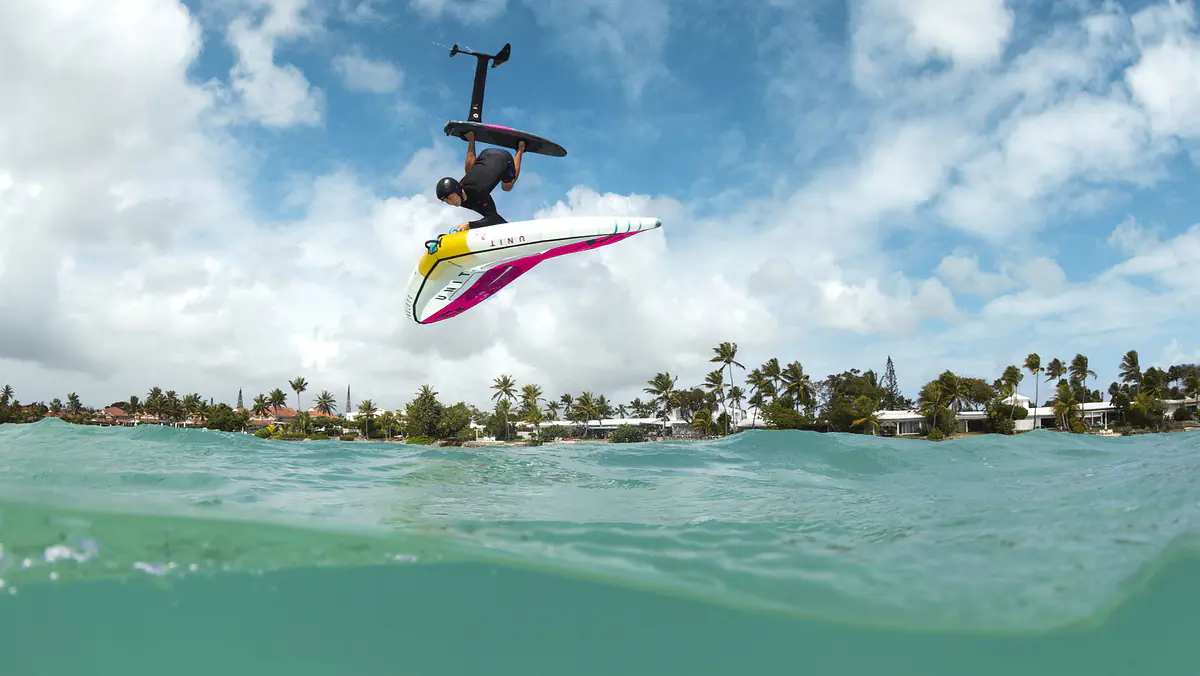
Kite Foiling in Light Wind — Minimum Wind & Technique Guide
Kite foiling light wind sessions demand the right combination of large kites, lightweight foil boards, and precise body positioning to generate lift and main...
Wing Foiling in Waves — Tips for Surf Conditions
Wing foiling in waves combines the thrill of surf with foil speed. Learn wind windows, technique adjustments, and essential safety for wave riding.
SUP Paddling in Wind — How to Handle Windy Conditions
Control your SUP in wind by adopting a wider stance, paddling with shorter strokes, angling your board into gusts, and choosing a narrower board with good di...

Kite Foiling in Choppy Water — Setup & Technique Guide
Learn how to adapt your kite foiling setup and technique for choppy water, from gear selection to safety strategies.

Windsurfing in Choppy Water — Tips for Rough Conditions
Learn essential windsurfing choppy water tips -- from gear selection and active stance technique to safe transitions in rough conditions.

Kitesurfing in Waves — Tips & Technique for Surf Conditions
Learn how to safely ride waves with a kite, from choosing the right equipment to mastering wave-riding technique.
Flat Water vs Waves — Which Is Easier for Kitesurfing?
Flat water is easier for kitesurfing beginners because it removes wave complexity and lets you focus on kite control and balance.
Kitesurfing in Shallow Water — Safety & Technique Guide
Shallow water kitesurfing requires smaller gear, precise technique, and constant awareness of the seabed to avoid impact injuries and equipment damage.
When Should You Switch to a Smaller Kite? — Wind Guide
Switch to a smaller kite when you feel overpowered, lose board control, or struggle to stay upwind.
Kitesurfing with Tidal Current — Safety & Planning Guide
Tidal currents create variable water flow that affects your drift, launch difficulty, and safety—understanding them is essential for confident riding.
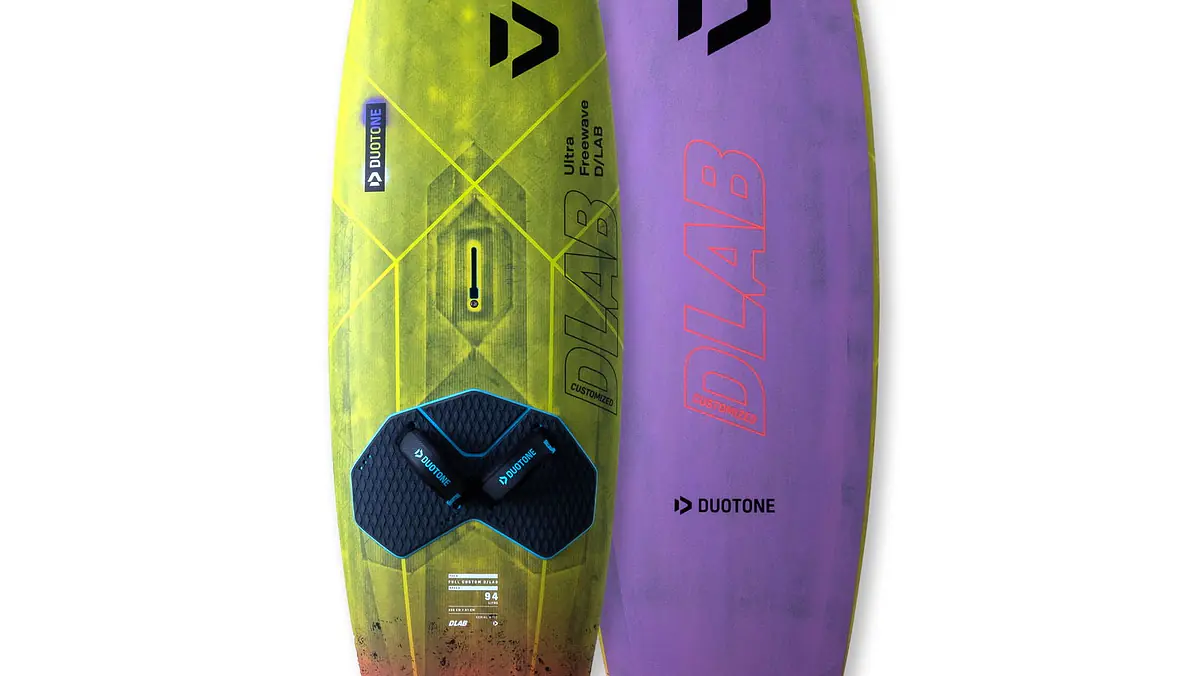
Lake vs Ocean Windsurfing — Key Differences & What to Expect
Lake windsurfing offers flat water and consistent wind, while ocean windsurfing presents waves, currents, and more demanding conditions.