What's the Best Kite for Travel? — Packing Size & Weight Guide
Travel kites aren't a special category—they're freeride models picked for packed size, weight, and durability. We'll show you what to look for so your gear fits in a backpack, not a shipping crate.
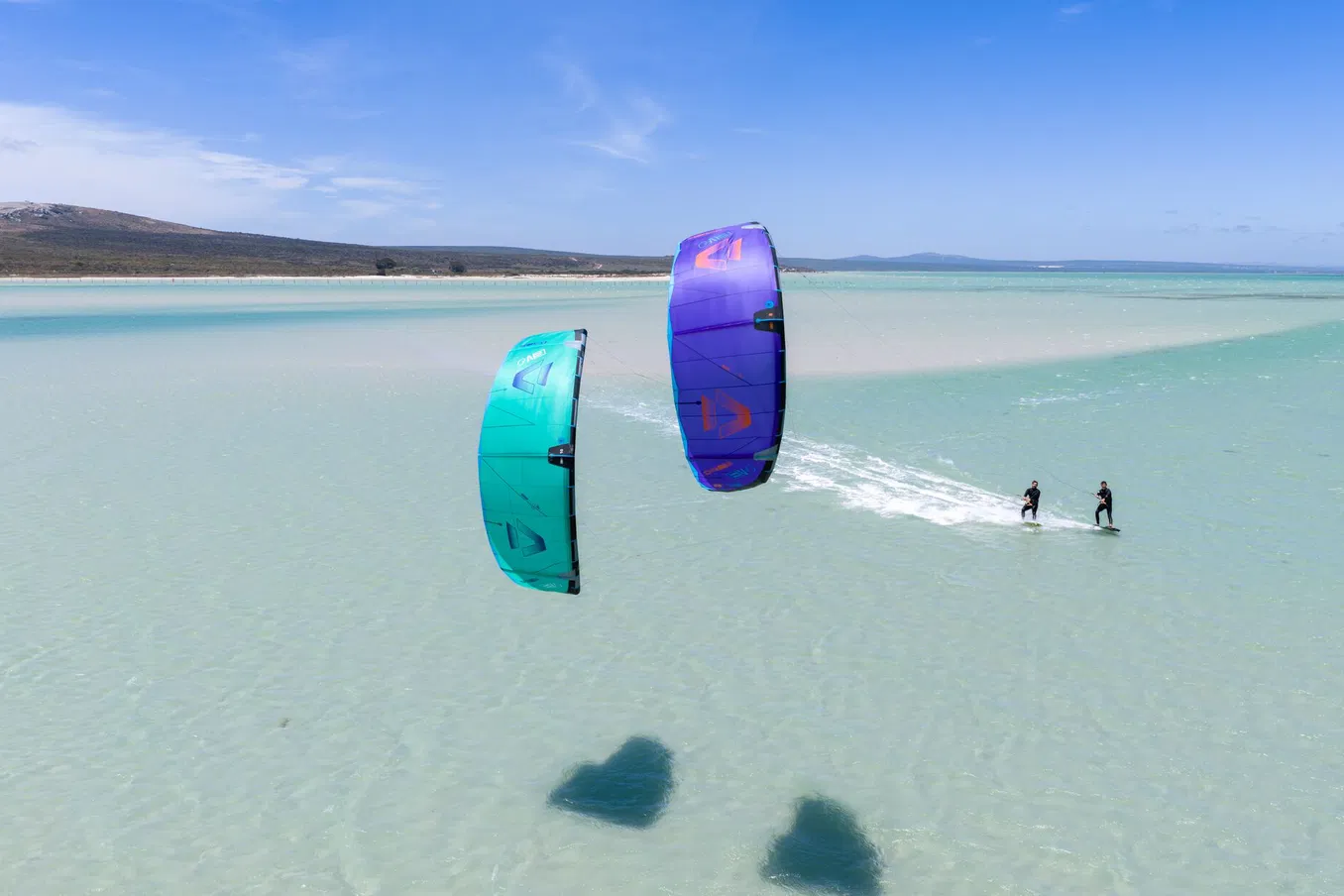
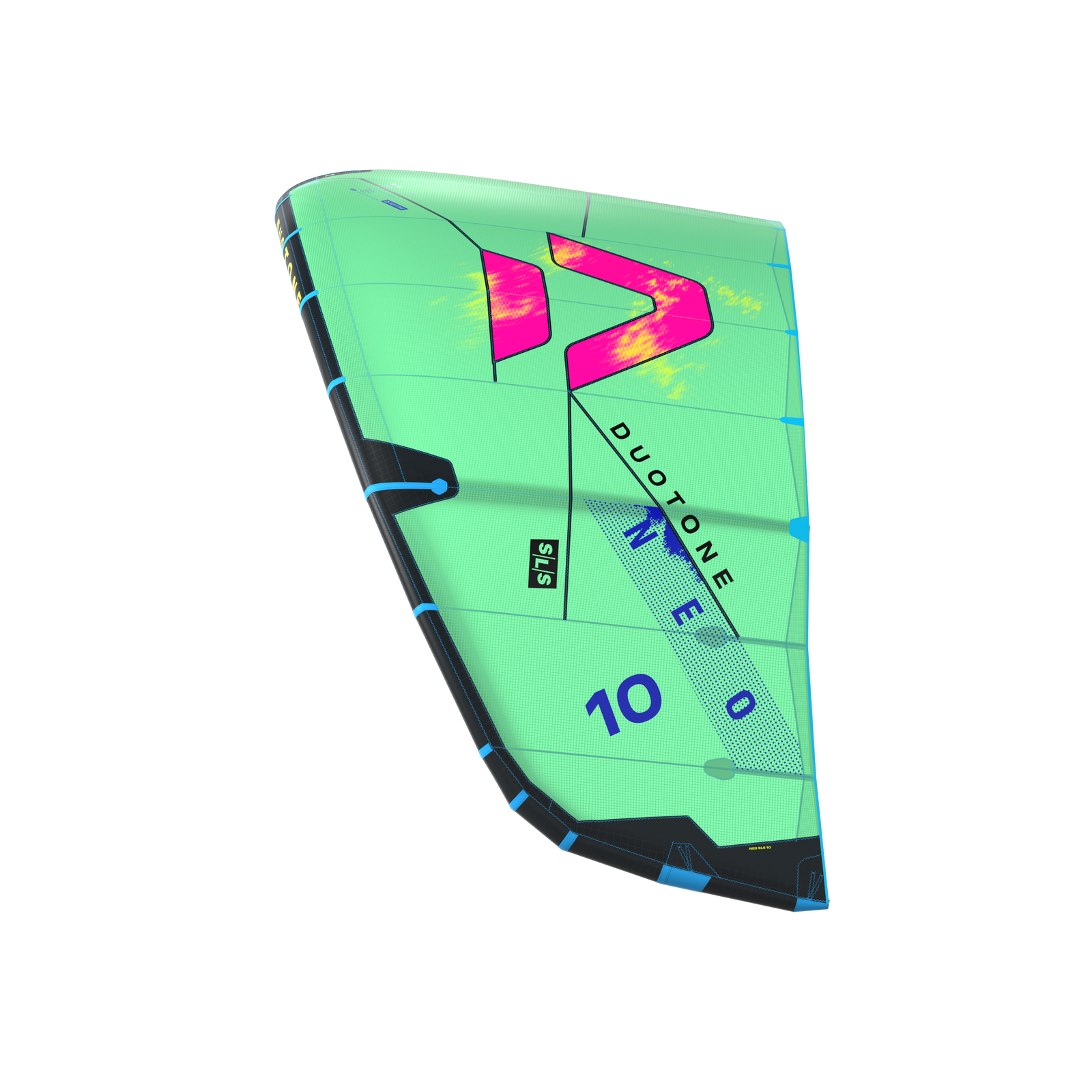
Pick a mid-range freeride kite in 9–14 m² that packs under 70 cm × 35 cm and weighs under 4 kg with bar and lines. The Duotone Neo SLS or Duotone Evo SLS are solid entry points—lighter ripstop, forgiving pop, wide wind range. Skip freestyle or wave designs; they don't travel well.
01 — Dimensions & durabilityPacked Size and Weight: What Actually Fits
Most modern kites compress to around 55–70 cm × 35 cm × 20 cm when bagged. That fits a carry-on roller or decent backpack. Weight matters more: aim for under 4 kg with bar and lines. Heavier kites (5+ kg) tax your shoulders and eat luggage allowance fast.
Check the product page for exact packed dimensions—manufacturers aren't always consistent. We've shipped thousands of travel setups since 2003, and riders from Tarifa to Cape Town tell us the sweet spot is a 9 m² or 12 m² freeride kite in a slim bag. One bag, one board, one bar. That's it.
Durability matters when you're moving fast. Ripstop weight and reinforced leading edges take a beating in airport handling. Duotone's SLS line uses lighter ripstop that still holds—you're not sacrificing durability for packability.
02 — Versatility mattersWind Range: Fly Anywhere, Any Day
A travel kite must handle 10–25 knots reliably. You won't always get the forecast you want. A 9 m² works best in 14–22 knots; a 12 m² covers 12–20 knots. Both are forgiving in gusts.
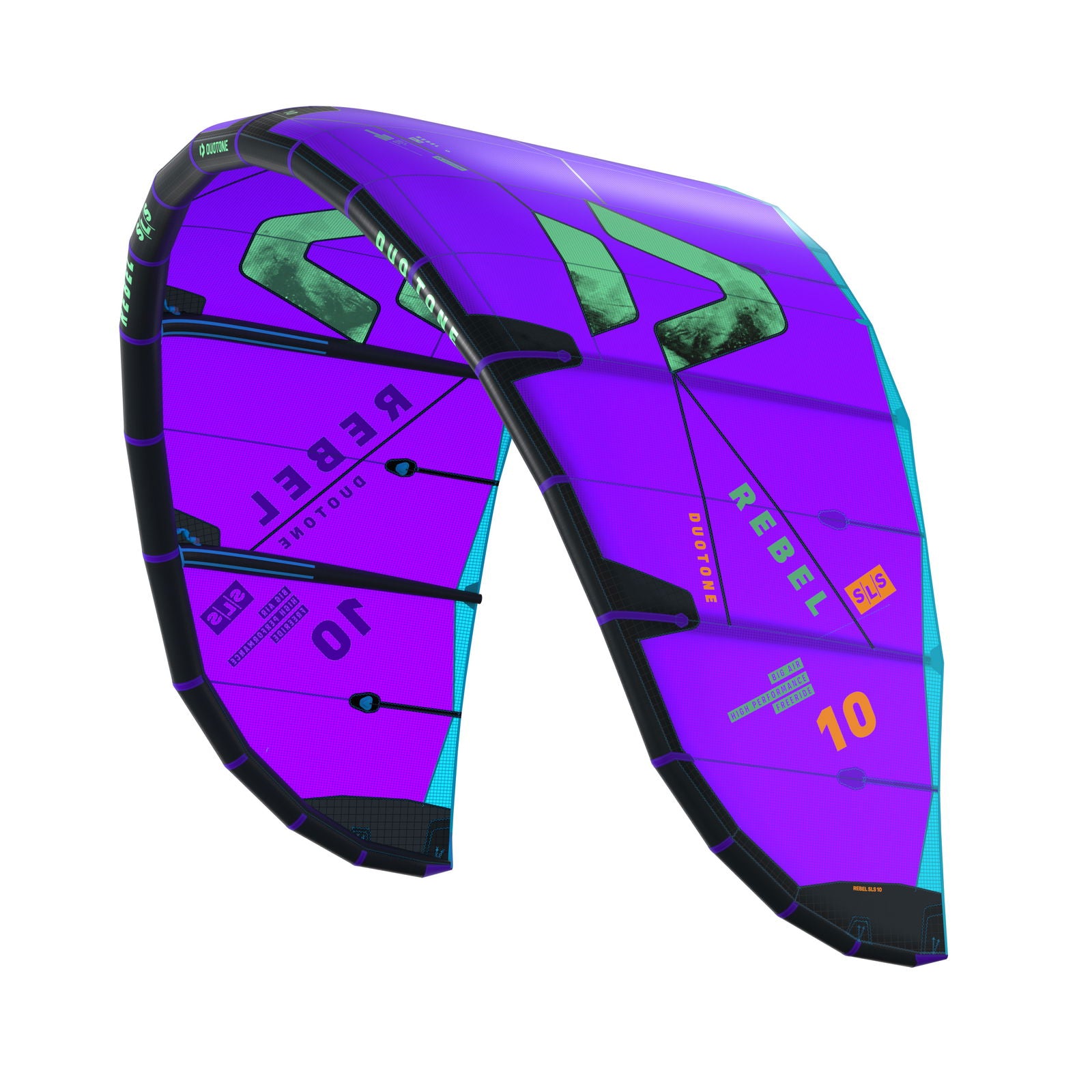
Freestyle kites are stiff and demanding; wave kites are twitchy in light wind. Freeride models sit in the middle—responsive enough to be fun, stable enough to forgive spotty conditions. The Duotone Evo SLS and Duotone Rebel SLS both nail this range without drama.
03 — Our picksOur 4 in-stock picks
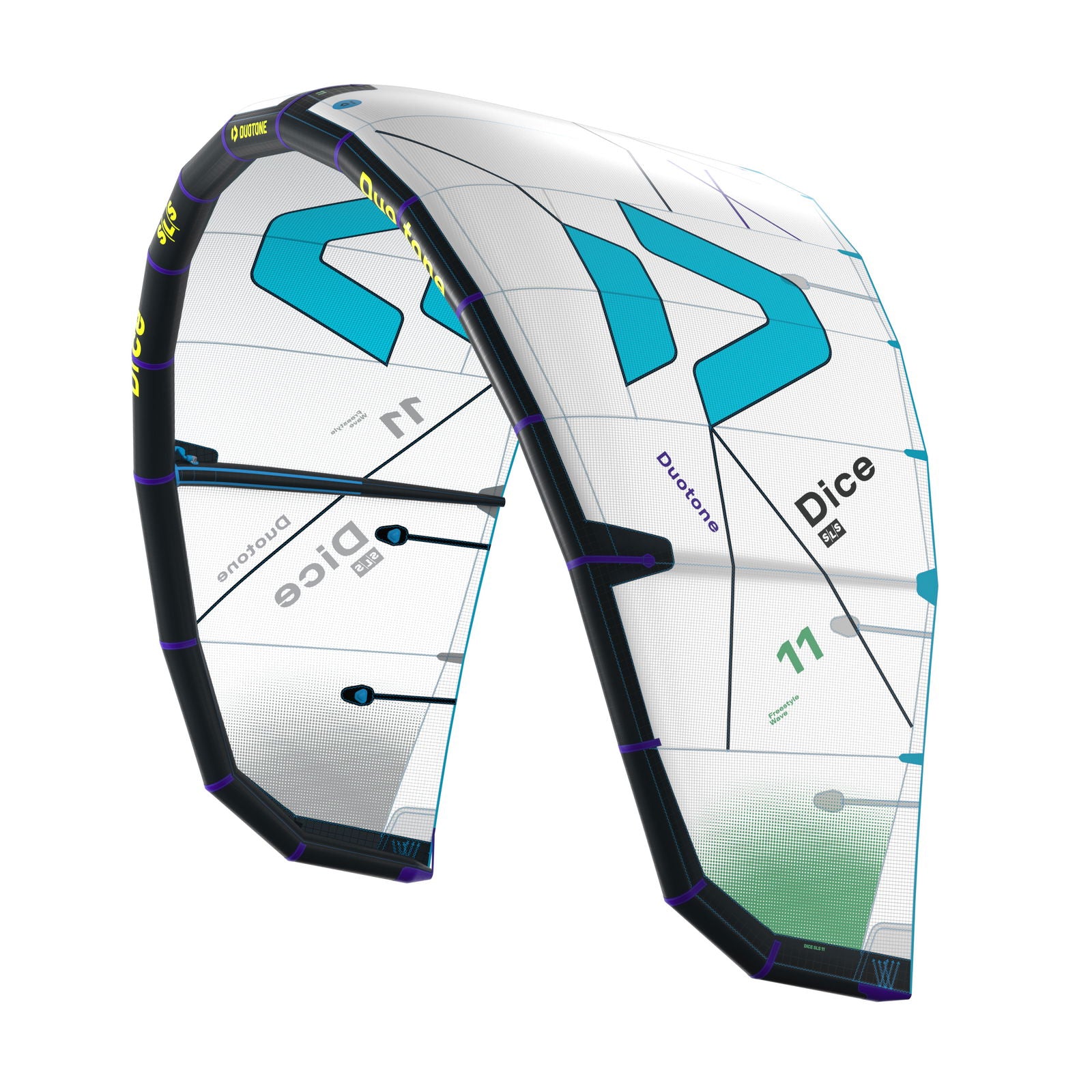
All of these pack tight, weigh under 4 kg, and fly anything from light onshore to solid sideshore. Pick by your typical wind and how much float you want.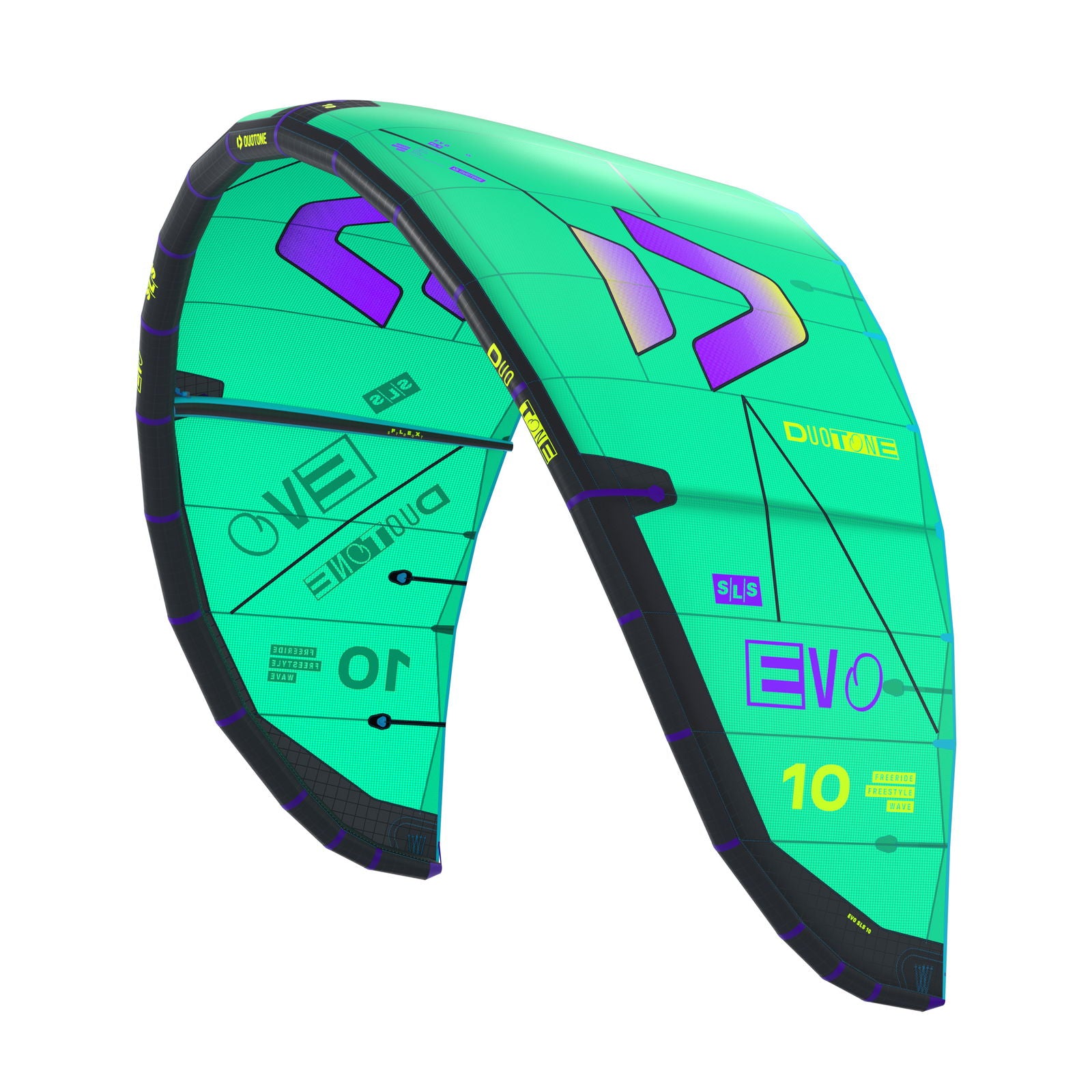
Prices and 2026 specs are pulled live from each product page. Confirm on the product page before checkout.
04 — MistakesThree mistakes we see every week
Ready to pack light?
Browse our full range of freeride kites and find the right size for your trips.
Frequently asked
Yes, but it's at the edge. A 7 m² needs solid wind (18+ knots). A 9 m² gives you more range and forgiveness. We'd recommend the 9 m².
Most do, especially modern ripstop. Pack it in a padded kite bag, not loose. Double-bag if you're nervous—it's worth the peace of mind.
No. A 7 m² kite saves 300–400 g over a 12 m², but limits your wind range and fun factor. Stick with 9–12 m² and own the weight trade-off.
Check the product page for exact figures—ripstop weight varies by size. Both are competitive. The Neo is more affordable; the Evo is slightly more refined.