
Best Kites for Wave Riding 2026 — Surf Kite Buyer's Guide
What to Look For
Wave riding demands a completely different kite than freeride. You're looking for a machine that turns on a knife edge, responds instantly to your input, and doesn't overshoot in gusty coastal wind. After 20+ years of stocking water sports gear here in Maribor, I've learned that the best kite for wave riding is one that feels like an extension of your body--not something you're constantly fighting.
- Compact footprint -- Wave kites need a smaller, more direct profile. Larger kites are harder to control in shifty wind and eat up valuable sky space.
- Instant response -- Quick de-power and edge control are essential. You need to dump power the moment you hit a wave face or face a gust.
- Stable in light wind -- Coastal wind is notoriously patchy. A wave kite should stay overhead and generate power from 10 knots upwards, not flounder around.
- Smooth, predictable pressure -- Sudden surges in power ruin your wave. Look for kites with progressive power delivery, not spiky or erratic behaviour.
- Durable construction -- Wave riding means frequent water contact, crashes, and UV exposure. Premium ripstop and sealed seams matter here.
- Proven track record in your local wind -- European wave spots (Portugal, Spain, UK) have distinct wind signatures. Test or ask locals before committing to a new model.
Beginner vs Advanced
Start Small & Forgiving
If you're new to wave riding, avoid massive sizes. A 12m-15m kite in moderate wind (14-18 kts) is your sweet spot. You want a model that's forgiving in roll, easy to relaunch, and doesn't punish sloppy bar technique. Duotone's softer designs excel here--they're intuitive and build confidence quickly.
Precision & Aggression
Experienced wave riders often prefer smaller, snappier kites (9m-12m) that reward precise control and aggressive bar movement. You'll exploit every gust and tuck, spinning tight loops and landing switch without effort. Premium 2026 models with D/LAB or SLS construction give you that razor-sharp response and durability for daily sessions.
Budget Guide
Tier Price Range Best For Our Pick Entry €600-900 Beginners, learning wave basics Duotone Juice 2025 Mid €900-1300 Intermediate wave riders, versatile use Cabrinha Switchblade Apex 2026 Premium €1300+ Advanced riders, daily wave sessions Duotone Dice SLS 2026Our Top Picks for 2026
The Dice SLS is the best kite for wave riding if you want pure response and longevity. We've sold dozens of the 2025 model to wave crusaders from Spain to Denmark, and the 2026 update refines an already brilliant platform. Instant edge control, predictable power delivery, and a compact profile that won't overwhelm tight beach breaks. Genuinely feels like it reads your mind.
If you want one kite that handles both waves and light freestyle, the Switchblade Apex is remarkably balanced. The 2026 refresh maintains that signature Cabrinha pop and stability while improving turning radius. Works brilliantly in variable coastal wind and genuinely forgiving on bad launches. A solid choice for intermediate riders who want room to grow.
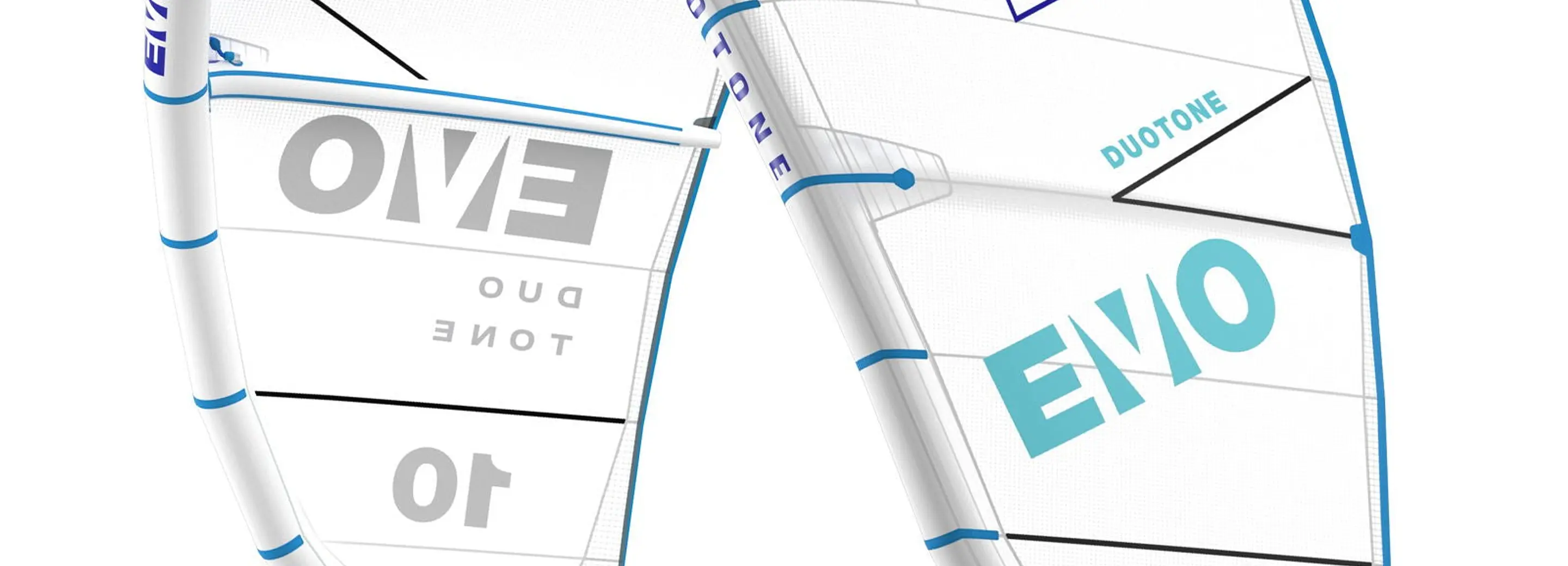
The Evo SLS bridges freeride and wave brilliantly, making it ideal if you want flexibility across disciplines. 2026 brings refined bridle geometry for sharper response without losing that creamy, progressive feel. Premium SLS construction means this kite will outlast multiple seasons of hard coastal sessions. Best kite for wave riding if you refuse to sacrifice build quality.
Don't overlook the Juice if your budget is tight. It's genuinely fun, forgiving, and teaches you wave discipline without breaking the bank. Less aggressive than the Dice, but that's a feature not a bug--beginners benefit from a kite that rewards patience. Still plenty of power and response for a year or two of growth.
Common Mistakes to Avoid
Freeride kites are larger, slower-turning, and designed for consistent open-water wind. Wave spots demand a compact, snappy machine. Don't assume your 17m Evo will work in waves--it'll feel sluggish and over-powered in gusty coastal conditions.
A 15m or 17m wave kite is hard to control in shifty onshore wind. Start smaller (12m-14m), feel the local conditions, and upsize if needed. Undersized is always safer than oversized in waves.
Wave spots often have patchy 10-12 knot afternoons. If your kite struggles to stay overhead and generate power in that range, you'll spend more time swimming and restarting than riding. Always test in marginal conditions before committing.
Just because a kite is trendy or has a pretty design doesn't mean it suits your local break. Read reviews, chat with local wave riders, and if possible, borrow or demo before buying. Feel and response matter infinitely more than aesthetics.
Wave kites take a beating--salt spray, sand, UV, and frequent water contact. Clean your kite after every session, check bridle tension monthly, and store it out of direct sunlight. Neglect and your best kite for wave riding becomes a liability in 18 months.
Ready to Gear Up?
Expert advice, authorized stock, ships across Europe within 24h.