
Best Kitesurfing Harnesses 2026 — Waist vs Seat Guide
What to Look For in a Kitesurfing Harness
A good harness is the foundation of comfort and control on the water. It distributes kite force across your body, protects your lower back, and keeps you locked in during tricks and jumps. Choosing the right kitesurfing harness 2026 means balancing support, fit, and your riding style.
- Waist vs Seat Design -- Waist harnesses offer freedom and mobility; seat harnesses provide maximum back support and are better for bigger kites and longer sessions.
- Padding and Comfort -- Quality foam padding around the hips and back reduces pressure points during extended riding and heavy wind days.
- Hook Position and Size -- The hook placement affects bar position and leverage; larger hooks suit fatter bars and gloved hands.
- Material Durability -- Neoprene, Nylon, and mesh blends resist saltwater, UV, and abrasion. Double stitching and reinforced seams last longer.
- Weight and Bulk -- Lighter harnesses reduce drag and fatigue; thinner profiles fit better under wetsuits in cold water.
- Waist Size Adjustment -- Secure velcro or buckle closures ensure the harness stays snug without slipping during manoeuvres.
Beginner vs Advanced Harnesses
Comfort Over Performance
Start with a waist harness--easier to move in, less restrictive, and forgiving if your size changes. Focus on thick padding, simple hook systems, and a snug fit that doesn't require constant adjustment. A quality entry harness builds confidence and lets you focus on technique.
Support for Power and Tricks
Experienced riders often choose seat harnesses for heavier kites and bigger air. The extended back panel locks you in, reduces back fatigue during aggressive sessions, and stabilises your position during rotations and freestyle tricks. Premium models offer ergonomic contouring and breathable mesh.
Budget Guide for Kitesurfing Harnesses 2026
Tier Price Range Best For Why Entry €80-150 Beginners, school use Solid padding, reliable hook, durable neoprene. Perfect for learning without overspending. Mid-Range €150-280 Intermediate to advanced Reinforced stitching, ergonomic padding, better material blends. Comfortable for 4-6 hour sessions. Premium €280-400 Advanced riders, pros Hybrid neoprene/mesh, anatomical shaping, oversized hooks, extended back support. Built to last 5+ years of heavy use.Most riders find excellent value in mid-range harnesses. A €200 harness will outperform budget models in comfort and durability, and you'll notice the difference after 10+ sessions.
Our Top Picks for Kitesurfing Harnesses 2026
We've tested these harnesses extensively on the Maribor lakes and across Europe. Here are the ones we stock and trust:
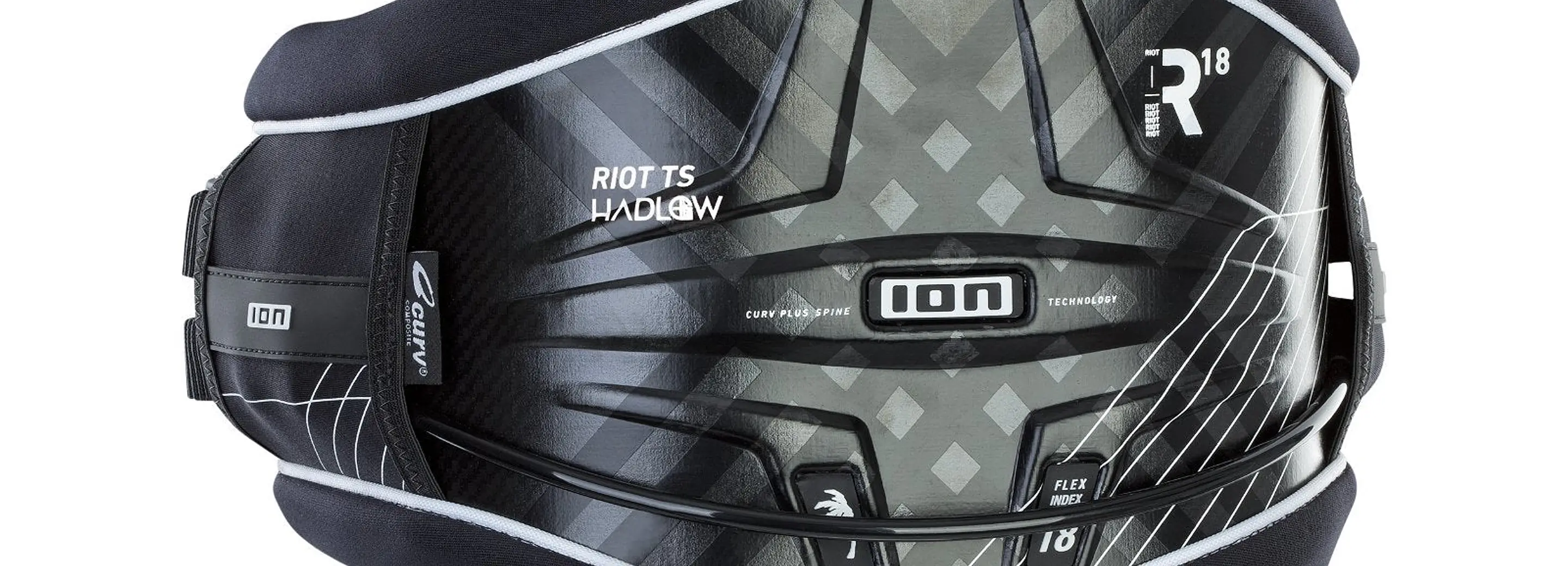
ION's bestseller for 2026 combines responsive support with genuine comfort. The ergonomic foam distributes pressure evenly, and the hybrid neoprene/mesh resists salt damage brilliantly. We recommend this for anyone upgrading from entry-level gear.
Mystic delivers quality at entry-level pricing. Durable neoprene, straightforward hook system, and reliable padding make this an excellent first harness. Perfect for schools or rental operations, and beginners learn proper technique without distraction.
Cabrinha's Apex seat harness is built for riders who push limits. Extended back panel locks in under load, oversized hook accommodates any bar, and the ergonomic contour fits your body perfectly. One of our testers did 20+ consecutive jumps without back fatigue.
Common Mistakes to Avoid
A harness that's too loose will shift under load; too tight cuts circulation and creates hot spots. Always measure your waist snugly with a tape, and if between sizes, try on both. We offer free returns within 30 days if the fit isn't right.
Your harness hook must match your bar type. Larger bars (50mm+) need bigger hooks; thinner bars suit standard hooks. Forcing a small hook onto a fat bar creates dead spots and wastes energy. Ask us if unsure about your setup.
Beginners sometimes buy a seat harness thinking it helps learning. It doesn't--it actually restricts movement and delays technique development. Master waist harnesses first; graduate to seat harnesses once you can handle bigger kites confidently.
Rinse your harness in fresh water after every salt session, dry it fully before storage, and check stitching monthly. A €200 harness can last 5 years with care; neglected, it fails in two. Small upkeep prevents costly replacement.
The cheapest harness rarely saves money in the long run. Thin padding leads to bruises, back pain, and early failure. Investing €50 more in a mid-range model avoids thousands in physio bills and replacement costs.
Ready to Find Your Perfect Harness?
We stock ION, Mystic, Cabrinha, and other trusted brands. Expert fit advice, 30-day returns, free EU shipping from €99.