Best Wind Direction for Kitesurfing — Onshore vs Offshore Guide
Wind direction makes or breaks your session. Sideshore is smooth and fast, onshore is safe for learners, and offshore? Stay away. Here's exactly what each means and which one to chase.
Pick sideshore wind (parallel to shore) for the cleanest, most consistent riding. Onshore (blowing toward beach) keeps you safe if things go wrong — ideal for beginners learning on 9–12 m² kites. Never chase offshore (blowing away from land) unless you're advanced, tethered, and have a rescue plan. Most European spots shift between onshore and sideshore; sideshore days are when you'll find the fastest riders.
01 — The real storyWhy Wind Direction Matters More Than Wind Speed
You can have 15 knots of messy, gusty wind or 12 knots of clean, lined-up sideshore breeze. Guess which one you'll actually progress on? Wind direction shapes how the air moves over the water and how forgiving your kite feels. Onshore wind hits trees and buildings, bounces around, and reaches you choppy. Sideshore wind flows straight off the water with barely a ripple to mess it up. That's the difference between white-knuckling a 12 m² Duotone Evo and carving on a 9 m² like you own the spot.
We've shipped boards to riders from Tarifa to Cape Town, and the common thread? They all chase sideshore windows. It's not about ego — it's about control and progression. Your kite feels lighter, your jumps go higher, your landings are smoother.
02 — Reading the windOnshore vs Sideshore vs Offshore: What You Actually Need to Know
Onshore: Wind comes straight from the water toward the beach. Safest for beginners because if your kite crashes or you lose your board, you wash toward shore where help is close. The trade-off is chop and gusts — your kite can feel squirrely, and a 12 m² Duotone Neo will feel bigger than it should. Most Mediterranean and Baltic summer wind is onshore; it's what you get, and it's where you learn.
Sideshore: Wind runs parallel to the beach. This is the sweet spot. The wind is smooth, your kite feels responsive, and your body learns the real feel of kitesurfing. Riders on 7 m² or 9 m² kites in sideshore can link tricks a beginner on 12 m² onshore can't touch. Every spot that matters — Tarifa, Cabo, the Dakhla spots — has prime sideshore windows.
Offshore: Wind blows away from land, over the water toward the horizon. Powerful, smooth, addictive. Also dangerous. You drift farther from shore, rescue becomes complicated, and if you lose your kite you're swimming. Reserve offshore for advanced riders with rescue plans.
03 — Our picksWhich Kite to Pick for Your Local Wind Direction
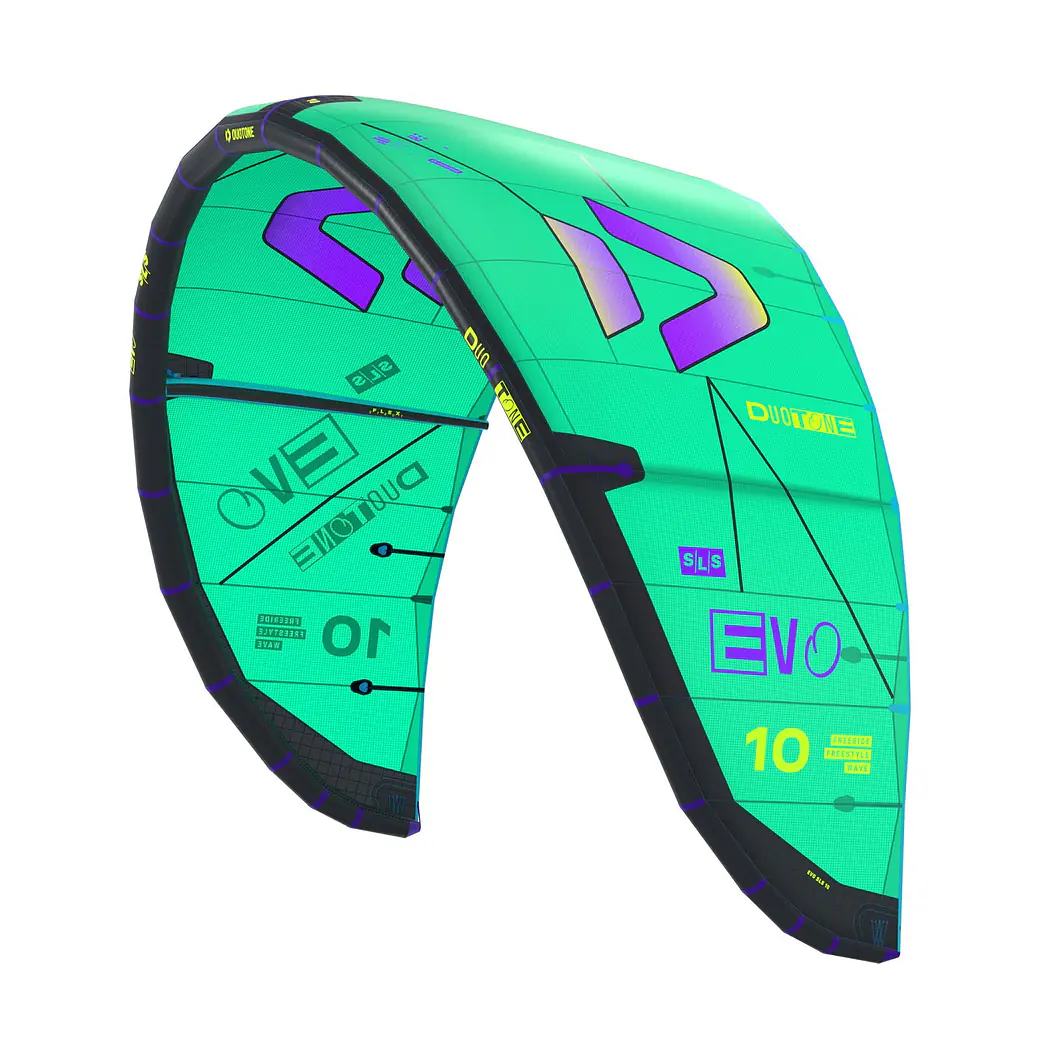
If you ride onshore most weeks, pick a kite that stays stable in chop — the Duotone Rebel SLS and Duotone Evo SLS are designed for exactly that. Sideshore spot? You can ride smaller, more playful kites like the Duotone Dice SLS and still have control. Here are our in-stock favourites matched to your conditions.
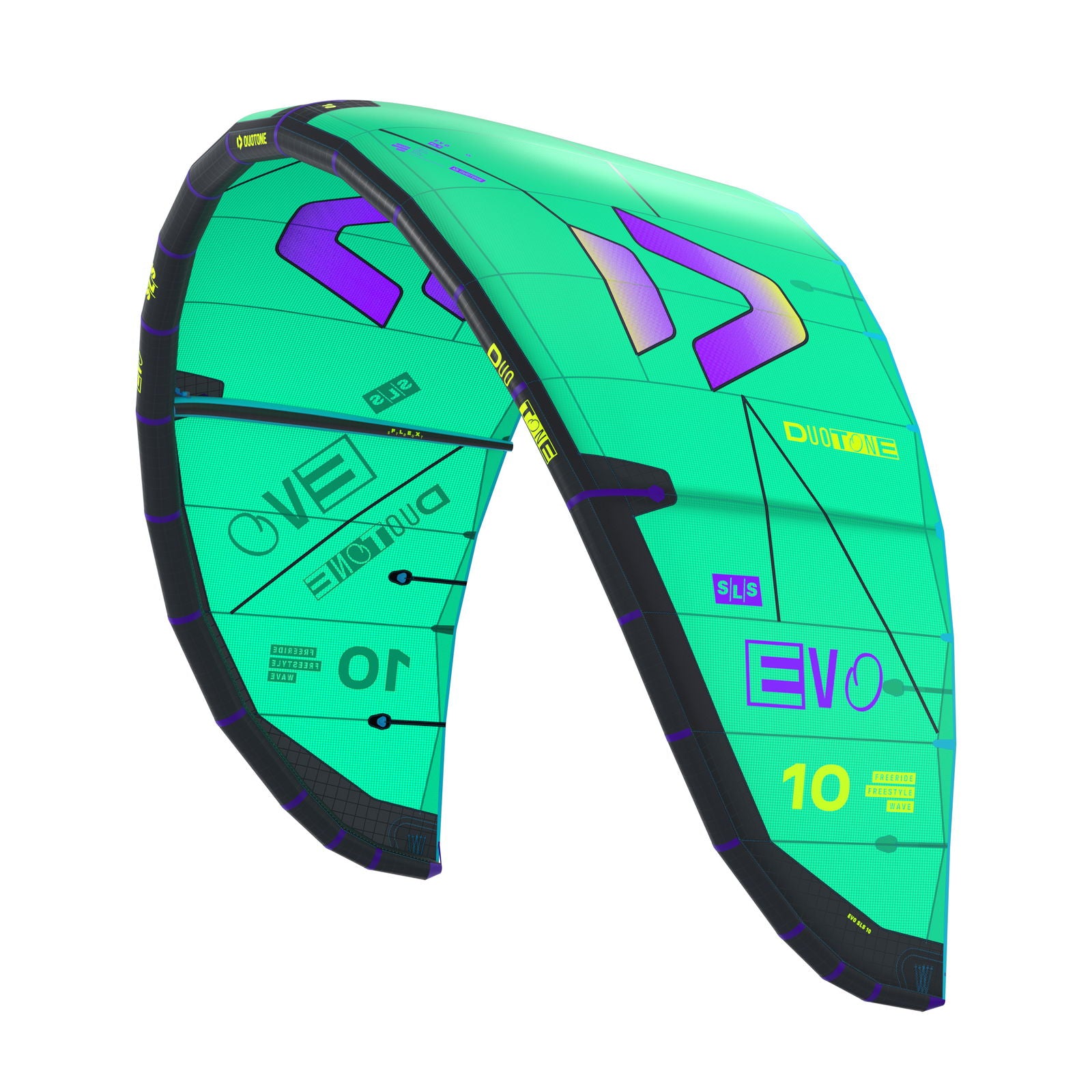
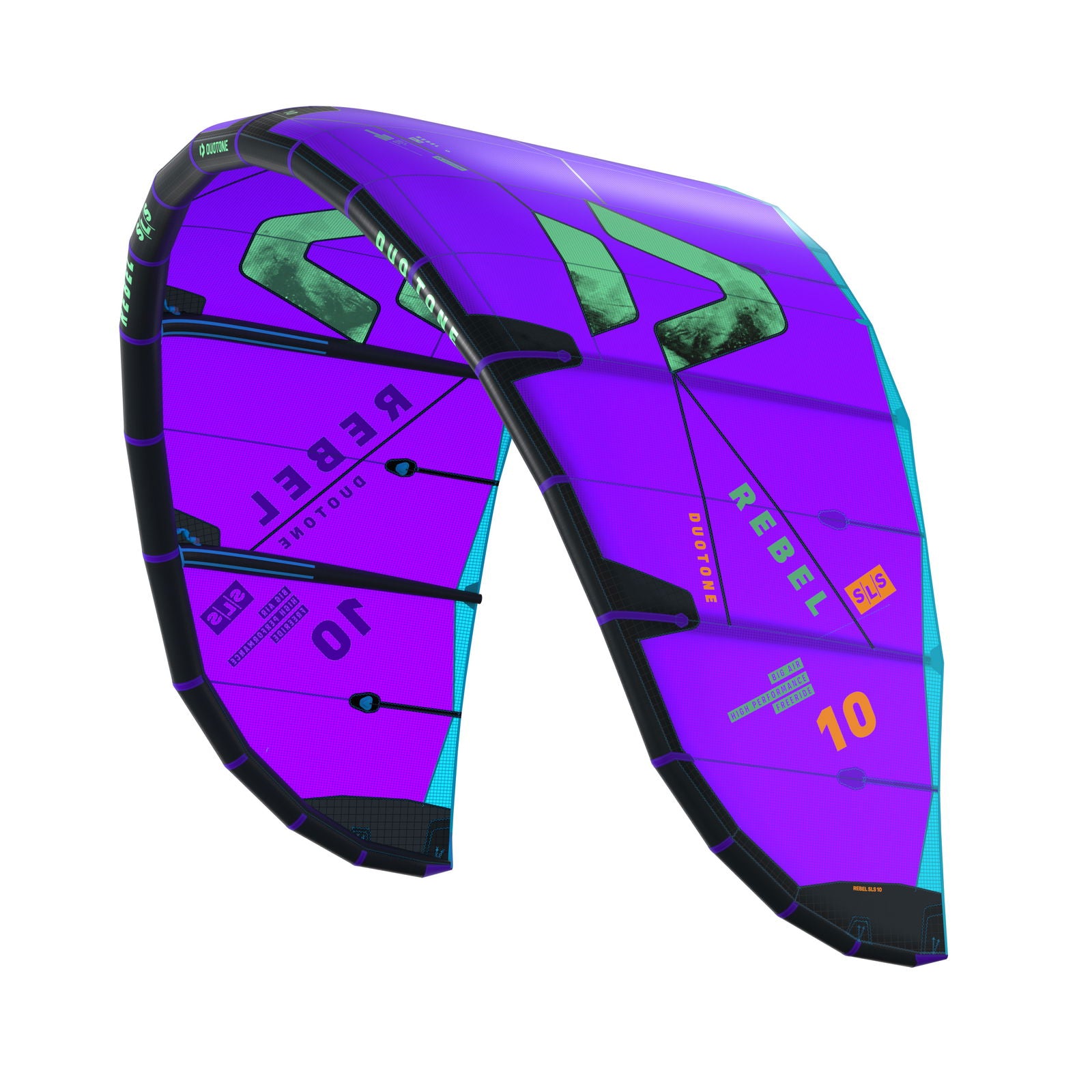
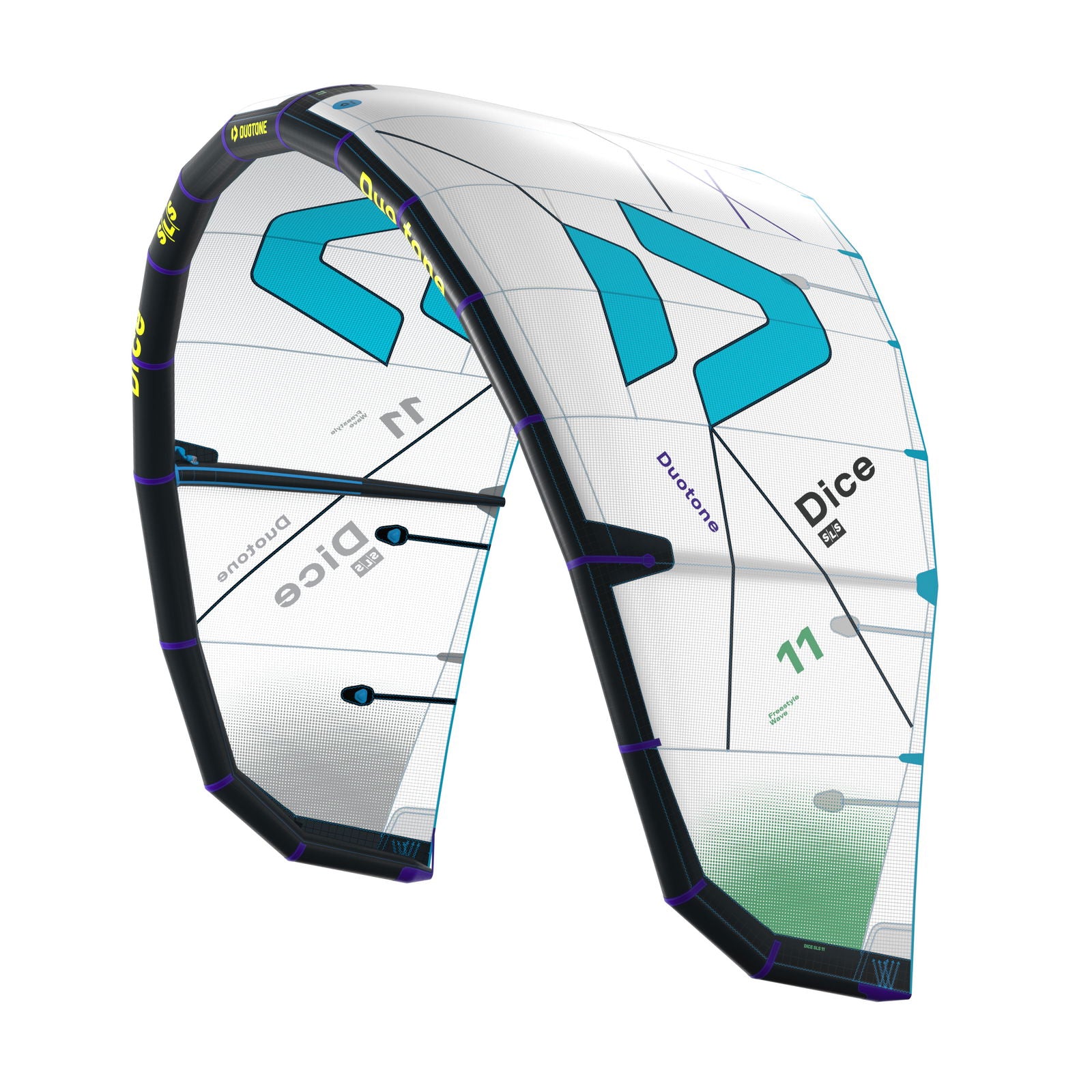
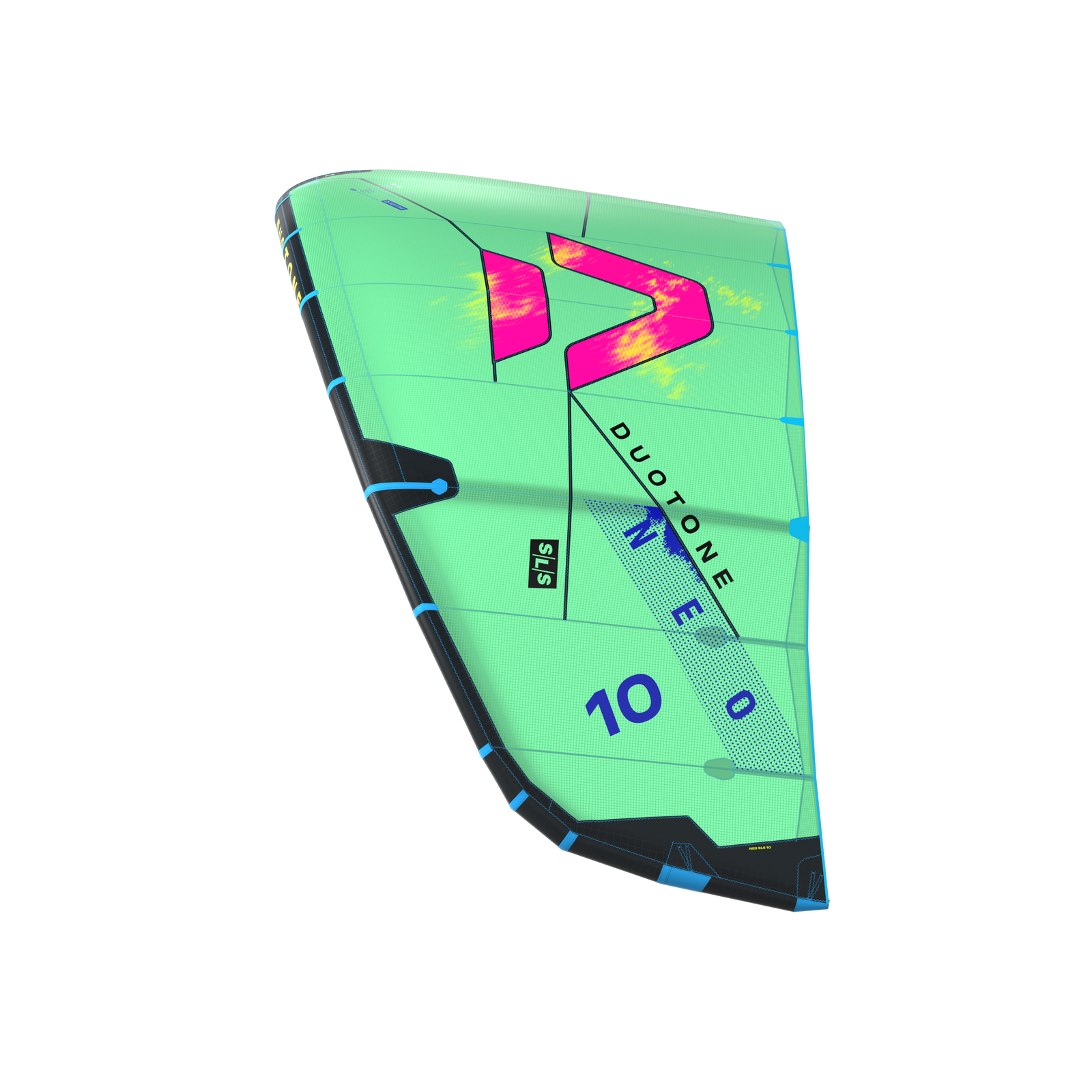
Prices and 2026 specs are pulled live from each product page. Confirm on the product page before checkout.
04 — MistakesThree mistakes we see every week
Ready to find your best kite for local wind?
Browse our Duotone and Cabrinha kites — we've got 9 m², 12 m², and bigger sizes in stock, all tuned for European conditions.
Frequently asked
Yes, if you want tough conditions that sharpen your skills. Advanced riders deliberately ride onshore in smaller kites to build board control. But given the choice, everyone prefers sideshore.
Onshore, hands down. Safety trumps everything when you're new. A 12 m² kite in onshore 15 knots is forgiving — if you mess up, you float back to shore.
Yes, but only if you're advanced, wearing a leash, and have a rescue plan. Offshore can be smooth and fun, but it pulls you away from land fast. Not worth the risk for most riders.
Stand on the beach facing the water. If wind hits your side (not your face, not your back), it's sideshore. Use wind apps too — they show direction arrows.