Kitesurfing the Bora — Croatia Adriatic Wind Guide
Understanding the Bora Wind
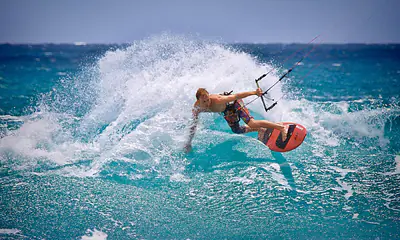
The Bora is one of Europe's most fierce and respected thermal winds. Born in the mountains north of the Adriatic, it funnels down through valleys and accelerates over the sea, creating cold, dry, and wildly gusty conditions that can shift from 15 knots to 45+ knots in seconds. If you've ridden other European coast winds--the Mistral, Tramontana, or Maestrale--the Bora is harder, nastier, and demands every bit of your skill.
Traditionally a windsurfer's wind (freestyle and wave riders have loved it for decades), the Bora has become increasingly popular with kitesurfers and wing foilers seeking extreme conditions. The wind is most violent in autumn and winter, and you'll find the best, most consistent sessions on the Croatian coast between Dalmatia and the Istrian Peninsula. The downside: it's unpredictable, cold, and unforgiving--only suitable for intermediate to advanced riders with solid edge control and bar awareness.
Best Gear for Bora Conditions
Windsurfing Setup
Sail: 5.5-6.5m² wave or freewave sail (e.g., Duotone Duke or E_Pace). Board: 75-85L wave board with good hold in chop. Fin: 20-24cm wave fin. You'll still get pushed, but this size combo gives you enough control to stay upright in gusts.
Windsurfing Setup
Sail: 4.0-5.0m² pure wave sail (Duotone E_Pace SLS or Duotone Now for maximum performance). Board: 60-75L high-aspect wave board with stiff construction. Fin: 18-22cm wave fin. At this level, you're riding fully powered and need a light, responsive kit that won't snap under load.
The Bora demands sails and boards built for wave riding--not freeride. Wave sails are designed to depower quickly (critical in sudden gusts), and wave boards have the right stiffness and hold to keep you locked in choppy, cross-shore conditions.
The E_Pace SLS is our go-to for Bora wind. Built on Duotone's premium SLS batten profile, it has an incredibly tight leech and split boom compatibility--meaning you can depower fast when a gust hits. Wave-specific shape holds in chop, and the carbon construction keeps weight down so you're not exhausted after one run.
For the strongest part of a Bora session, the Now is a weapon. Compact outline, ultra-responsive leech, and a flat-top design that stops the sail from flying away in violent gusts. Loved by European wave riders who encounter extreme conditions regularly.
Technique Tips for the Bora
- Master your depower -- The Bora's gusts can come out of nowhere. Train yourself to instantly ease the boom out and angle the sail away when pressure increases. A split boom helps, but technique is everything.
- Keep your weight forward -- In chop and gusty wind, sit deeper in the harness and lean hard on the boom. Back-foot weight will sink you; forward-foot pressure keeps the nose up and the board locked.
- Use your edges constantly -- Chop is relentless. Rail pressure--not just leaning--is what stops the board from being pushed sideways. Spend time on flat-water practice to build edge strength if you're new to this.
- Watch the shore for pressure signs -- You'll often see spray or dust kicking up along the coast before a gust reaches the water. Keep one eye on the land; visual warnings give you 5-10 seconds to prepare.
- Plan your jibes with care -- Wind shifts and gusts can catch you mid-jibe and throw you hard. Pick the flattest water patches, time your move away from peak gusts, and always have an exit strategy if you get stuck.
Safety Checklist
Bora gusts can exceed 50 knots and hit with almost no warning. If you sail one size too big, a sudden spike will overpower you instantly and you won't recover. Always start smaller than you think you need--you can always paddle back for a bigger sail.
The Bora brings arctic air and cold water (8-12°C in winter). A thin or summer wetsuit is not enough. Wear a 5/4mm winter suit, booties, and gloves--hypothermia can set in fast if you spend more than 30 minutes in the water.
The Bora conditions attract experts, but rescue is harder in winter and dark afternoons. Always have a buddy on shore with a phone and know the local coastguard number. Avoid sessions when visibility is poor or when few other riders are present.
In heavy Bora conditions, even a well-maintained board can delaminate or crack under stress. Check your equipment thoroughly before each session, and carry a personal flotation device or impact vest if you're on the edge of your skill level.
Croatian authorities sometimes close beaches when Bora wind is extreme (35+ kts sustained with gusts above 50). Check local wind warnings, respect closure flags, and don't assume that because the wind is strong, it's good for you.
Our Gear Recommendations at Surf Store
After 20+ years stocking European riders, we know what works in the Bora. Our picks below are proven in real-world sessions on the Croatian coast and backed by riders who've pushed their limits in 40-knot days.
The Duke SLS bridges the gap between freewave and pure wave. It's more forgiving than the Now in transition moments, but still packs the depower and responsiveness needed when Bora gusts spike. Ideal if you're stepping up to stronger European conditions.
The Blast SLS holds an edge like nothing else in rough water. Built for European wave conditions, it won't sink in chop and has the torsional stiffness to handle sudden pressure spikes. Pair it with a 4.5-5.5m² sail in strong Bora and you'll have control in chaos.
Ready to Gear Up for the Bora?
Expert advice, authorized stock, ships across Europe within 24h. Need help sizing for Bora conditions? Contact our team--we ride it too.