Can You Kitesurf in Rain? — Safety & Gear Advice
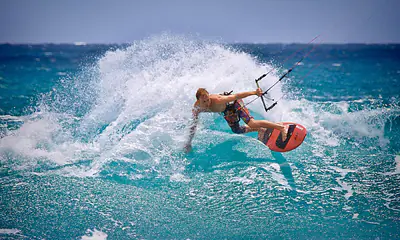
Yes, you can kitesurf in rain--and it's generally safe. Rain itself doesn't make kitesurfing dangerous; what matters is wind consistency, water temperature, and your ability to see the shore and other water users. Many experienced riders enjoy the unique feel of rain sessions, but planning and the right gear make all the difference.
The Full Answer
Rain doesn't affect the physics of kitesurfing. Your kite still generates lift from wind passing over the foil, and your board floats the same way. The real concern isn't precipitation--it's wind stability. Rain often comes with unstable wind patterns, sudden gusts, or lulls that can catch you off-guard. Additionally, rain reduces visibility for you and others, making it harder to spot swimmers, other riders, or obstacles near the shore.
Water temperature is another practical consideration. Rain sessions often coincide with colder weather, which means a thicker wetsuit becomes essential. You'll spend longer in the water and lose heat faster in cool conditions. A quality wetsuit--like the ION or NeilPryde ranges we stock--keeps you warm and focused on technique rather than shivering on the beach.
Most kitesurfing locations don't restrict riding in rain explicitly. However, some spots have local rules or beach safety protocols, so check with your local club or beach authority before you head out. European coastal zones occasionally close during severe weather, but light to moderate rain alone rarely triggers a closure.
The key takeaway: rain is rideable if wind is steady, visibility is acceptable, and you're wearing appropriate thermal protection. Many advanced riders find rain sessions less crowded and enjoyable.
Practical Guide
- Check wind forecasts before rain -- Use a reliable weather app (Windy, Windguru) to spot rain events. Avoid sessions where rain coincides with predicted wind drops or extreme gusts.
- Wear a thicker wetsuit -- Rain sessions mean colder air and water. A 4/3mm or 5/4mm suit from ION or NeilPryde keeps you warm and extends your session without losing power.
- Maximise visibility -- Wear a bright rashguard or board colour under your suit. Use a high-visibility leash. Tell a friend or fellow rider where you're going and when you'll return.
- Inspect your gear -- Before launch, check your kite's canopy for tears or water ingress. Test your bar pressure and line tension in shallow water first. Wet conditions can mask equipment faults.
- Stay near the shore -- Reduce your riding range in rain. Stay within sight of the beach and nearby features so you can navigate back safely if visibility drops suddenly.
- Know your exit strategy -- Plan a clear, wind-protected landing zone before you launch. Rain can obscure landmarks, so mentally rehearse your approach.
Common Mistakes
Rain-bearing weather systems bring unpredictable gusts and lulls. Riding without checking the wind range beforehand can leave you under-powered or suddenly overpowered. Always cross-reference rain forecasts with wind speed and direction data.
A 3/2mm wetsuit feels fine in summer, but rain sessions are cold. Many riders catch hypothermia symptoms after 45 minutes in cool, rainy conditions wearing inadequate kit. Invest in a proper 4/3mm or 5/4mm suit.
Assuming you'll see swimmers or obstacles in rain is dangerous. Use bright colours, keep your rides shorter, and stay in familiar zones where you know the hazards.
Rain can hide kite damage, wet spots in the canopy, or tangled lines. Even seasoned riders have crashes due to gear faults discovered mid-session. Spend an extra two minutes inspecting everything before you go airborne.
Suit Up for Rainy Sessions
If you're planning to kitesurf in rain regularly, a proper cold-water wetsuit is non-negotiable. We stock premium thermal protection from ION and NeilPryde--brands trusted by European riders for durability and warmth retention. A 4/3mm suit is ideal for autumn and spring rain sessions, while a 5/4mm takes you into winter riding.
Beyond wetsuits, consider a quality rash guard in a bright colour and a lightweight, packable wind jacket for the beach. These layers trap warmth, dry quickly, and keep wind chill at bay while you're waiting to launch or sorting gear on the shore.
Your kite choice doesn't change for rain, but ensure you're riding a model that suits your local conditions. For stable, predictable performance across varying wind, a forgiving all-rounder like a Duotone or Cabrinha freeride kite is a safe bet. Check your stock size before rain sessions so you're not caught undersized if conditions drop.
Ready to Kitesurf in Any Weather?
Expert advice, authorized stock, ships across Europe within 24h.