
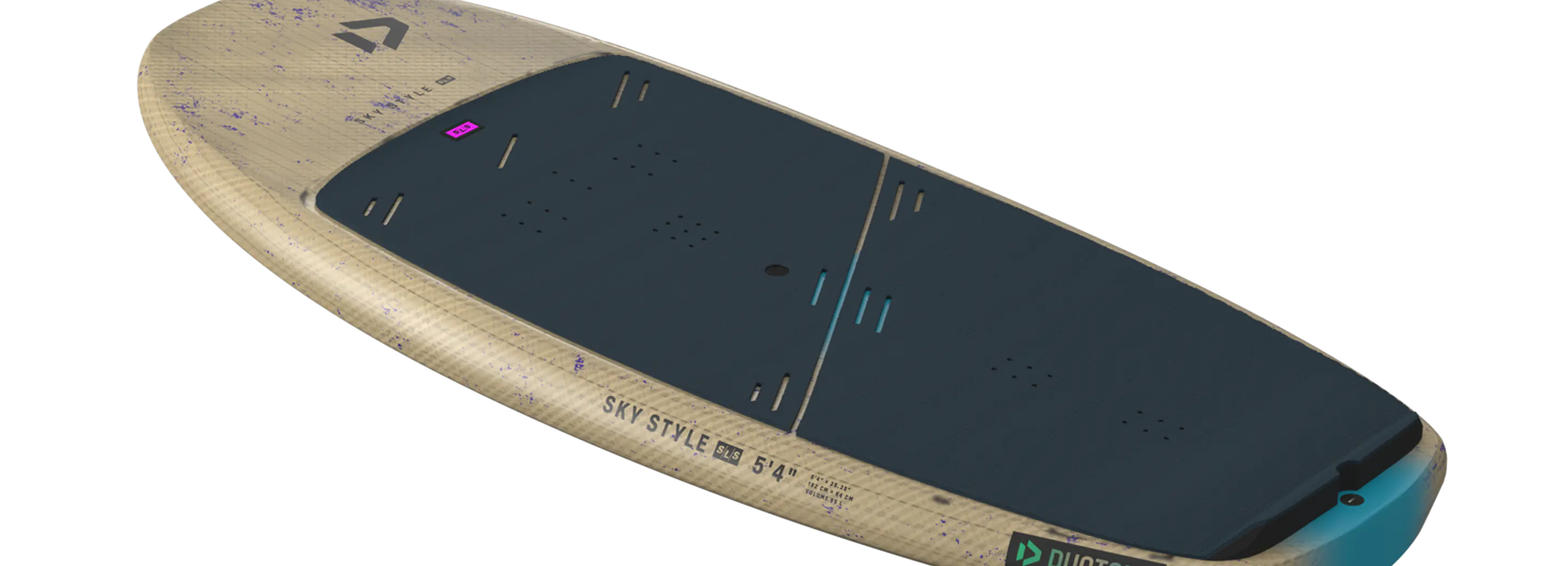
Directional vs Twin-Tip in Waves — Which Kiteboard to Choose?
In waves, a directional kiteboard will give you better drive, hold, and response--especially if you're in clean swell and moderate wind. A twin-tip wins if you want one board for mixed conditions, easier tricks, and learning curves. The real answer: it depends on your local break, wind pattern, and what you want to progress in.
The Full Answer
Directional kiteboards are purpose-built for wave riding. They're shaped like a surfboard--narrow tail, wider nose, single fin or thruster setups--and they carve with precision. The directional hull cuts through broken water, holds an edge in organised swell, and gives you that planted, confident feeling when you're hunting a line down the face. You'll feel the board actually *drive* through turns, not just pivot. If your home break gets consistent groundswell and you're riding in 12-20 knots, directional is your answer.
Twin-tips, by contrast, are symmetrical boards designed for every angle. No dedicated nose or tail means you can ride switch, throw tricks, and adapt instantly when the wind shifts or the swell turns lumpy. They're lighter, more playful, and forgiving--you won't get punished as harshly for slightly off-timing. If your local water is choppy, gusty, or you want one quiver board that does tricks *and* waves, twin-tip wins the vote. Many riders who mix wave sessions with freestyle or wavetricks prefer a twin-tip for its versatility.
The directional vs twin-tip choice also hinges on your riding style. Pure wave hunters--those hunting barrels and carving defined lines--gravitate to directional. Playful, freestyle-minded riders or those with inconsistent swell often stick with twin-tip. Neither is wrong. Both will get you on waves and catching wind. The decision is about matching your local conditions and your progression goals.
Practical Guide
- Check your home break first -- If swell is clean and consistent, directional boards thrive. If conditions are choppy or variable, twin-tip gives you more flexibility and forgiveness.
- Assess your wind pattern -- Steady, moderate wind (12-18 kts) favours directional wave boards. Gusty, light, or strong wind makes twin-tips easier to control and manoeuvre.
- Test both before committing -- Borrow a directional and a twin-tip in your normal conditions. You'll feel the difference in drive, turning radius, and effort required within one session.
- Size matters more than type -- A smaller directional (35-42 L) will be snappier; a larger twin-tip (45-55 L) will float you better in light wind and mushy swell.
- Consider fin setup -- Directionals with a single fin or thruster hold rails better in waves. Twin-tips with side-bite fins offer turn response without edge hold.
- Start with directional if you're serious about waves -- Once you commit to wave progression, directional boards teach you edge control and drive that twin-tips don't demand. You'll progress faster on rails.
Common Mistakes
A 35 L directional wave board will be responsive but exhausting in inconsistent wind and choppy water. Start with 40-45 L so you can stay powered and focused on technique, not chasing float.
Twin-tips carve differently--more pivot, less hold. If you want that locked-in directional feeling, you'll be frustrated with a symmetric board. Know what you're getting into.
A directional with bad fins will feel soft and unresponsive. A twin-tip with mismatched side-bites will kill your turning. Fins are 30% of the equation--don't cheap out.
If you're in a light, gusty spot, a directional board will feel sluggish and tiring. Twin-tip suits that profile better. Conditions trump style preference every time.
Surf Store Recommendation
We stock directional wave boards from Fanatic and JP Australia
For twin-tips, Fanatic and Nobile dominate. Fanatic's twin-tips offer a happy medium between wave response and freestyle playfulness; Nobile boards are ultra-responsive and suit riders who blend tricks with breaking swell. If you want one quiver board that does everything reasonably well, a Fanatic or Nobile twin-tip in 45-50 L is your safest bet.
Our advice: come in or drop us a message with your local break, typical wind, and what style excites you most. We'll point you to the right board and size. No two riders are identical--your conditions and goals matter more than any generic recommendation.
Ready to Find Your Wave Board?
Expert advice, premium stock, ships across Europe within 24h. Test recommendations welcome.