Foil Kite vs LEI Kite 2026 — Which Is Right for You?
LEI kites and foil kites do different jobs. LEI handles your bread-and-butter 12–25 knot sessions. Foil kites hunt light wind and tricks. We'll walk you through which one fits your riding.
LEI inflatables are durable and forgiving for 12–25 knots — pick this for learning or all-round riding. Foil kites excel in light wind (8–20 kts) and freestyle, but need skill and maintenance. Choose based on your local wind and what you want to progress into.
01 — Durability & ForgivenessLEI Kites: The Reliable Workhorse
We've shipped LEI kites since 2003, and they're still the safest bet for 95% of riders. A hard crash that'd tear a foil? An LEI bounces back. The inflatable bladder design forgives mistakes, re-launches instantly, and takes abuse.
LEI kites work best in 12–25 knots — that's your typical session wind. They're responsive enough to feel connected to the water, but they won't punish you for slack bar pressure or sloppy timing. Pick an LEI if you're learning, riding in variable conditions, or just want to get out without overthinking it.
02 — Light Wind & TricksFoil Kites: The Specialist's Tool
Foil kites don't have inflatable bladders — they're held open by the bridle and flying like a paraglider. That design buys you two things: razor-sharp bar feel and insane light-wind range down to 8 knots.
The catch? Foils demand skill. Constant bridle tension, no re-launch from the water if you mess up, and they require drying and maintenance after every session. If you're into freestyle, wave tricks, or your local spot gets light-wind days, foils unlock a new dimension. But they're not a first kite unless you've got flat-water mentor support and patience.
03 — Our picksOur 4 in-Stock Picks for 2026
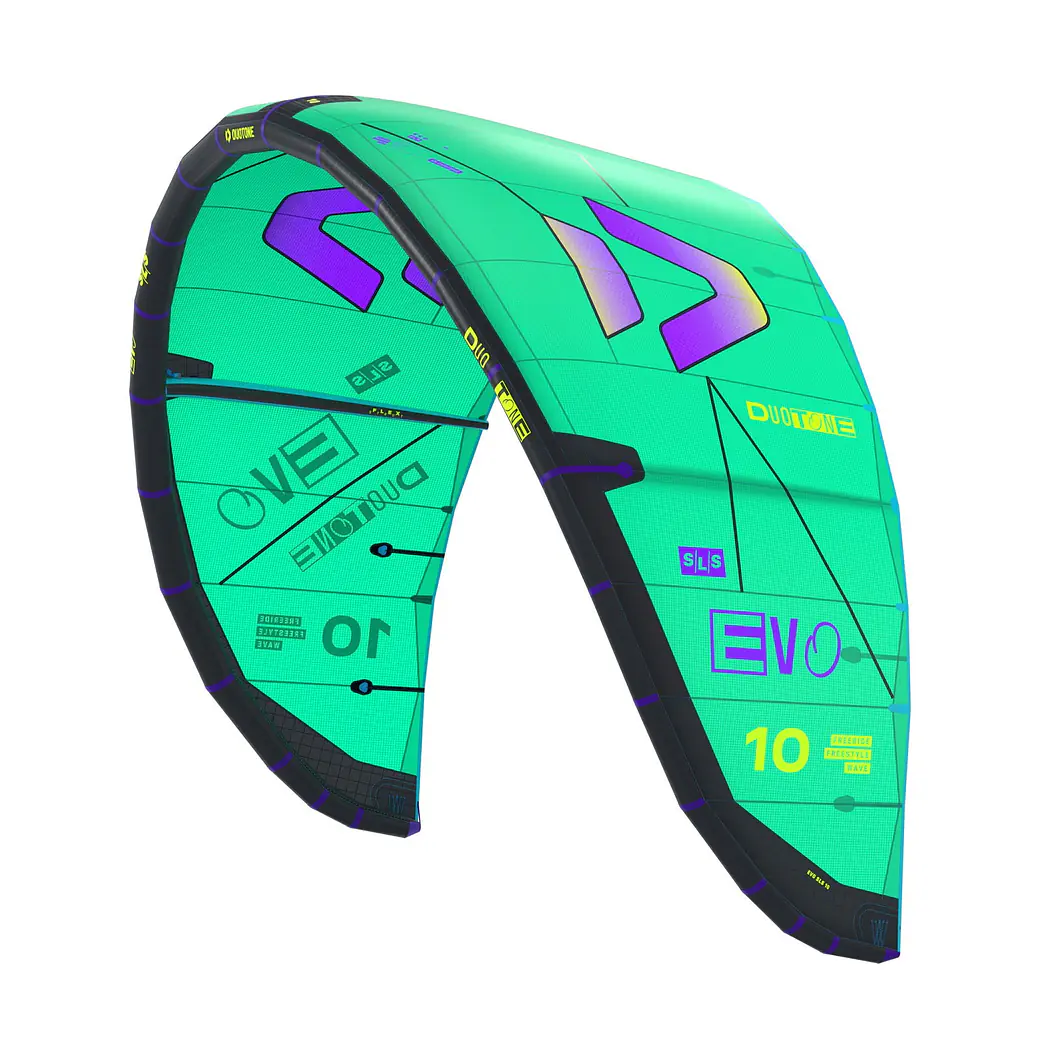
All four of our current Duotone kites are LEI designs — built for reliability and progression. Pick your size by your typical wind and body weight.
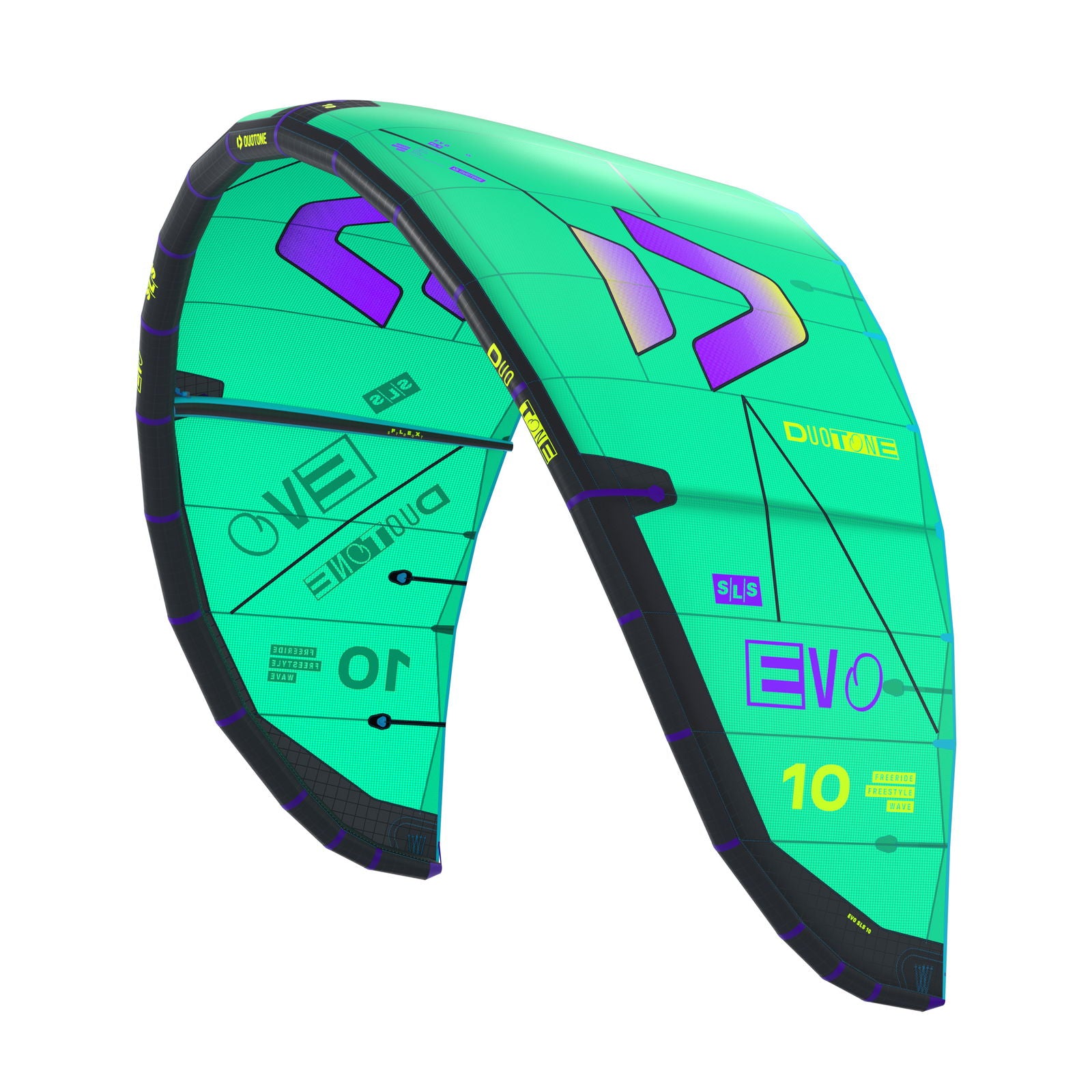
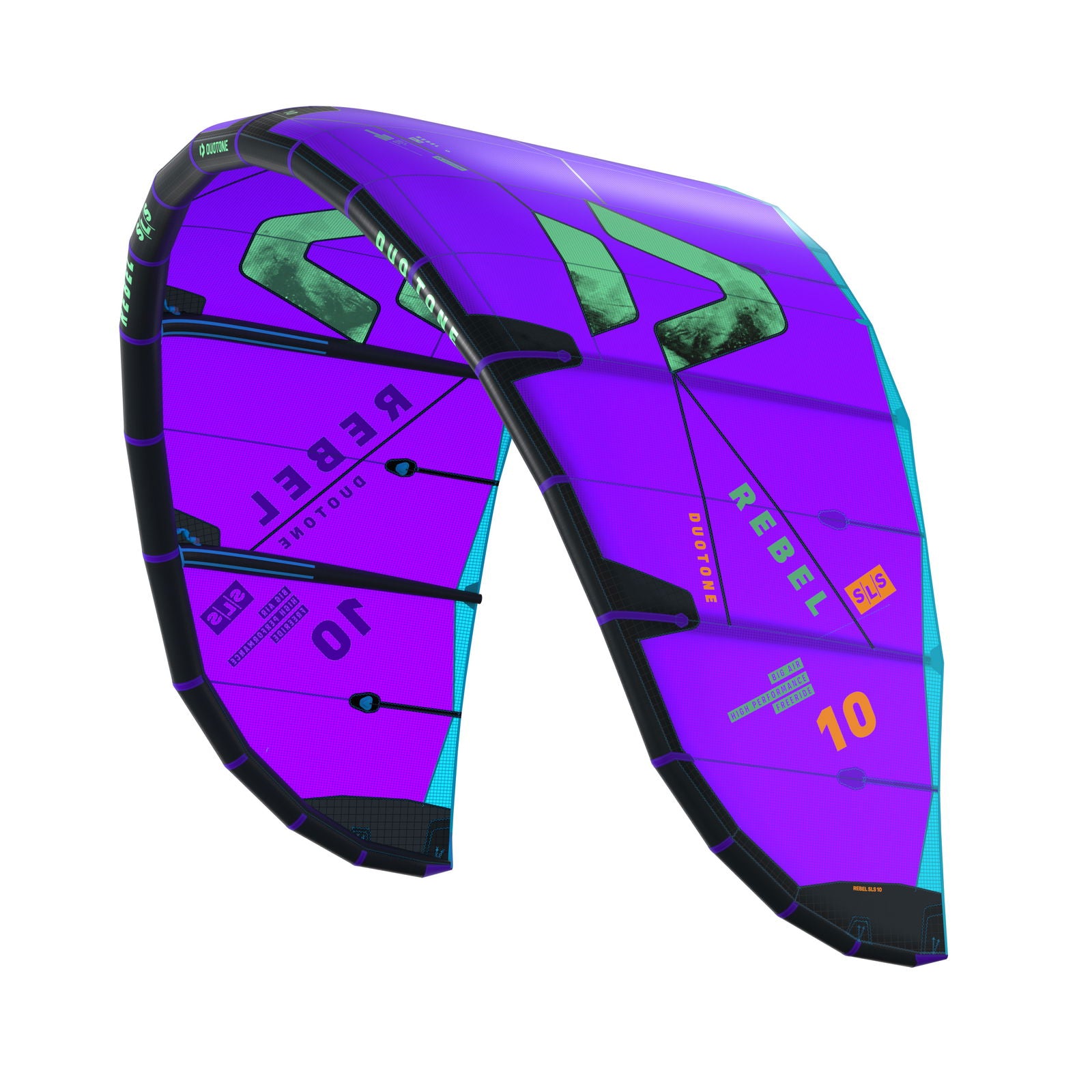
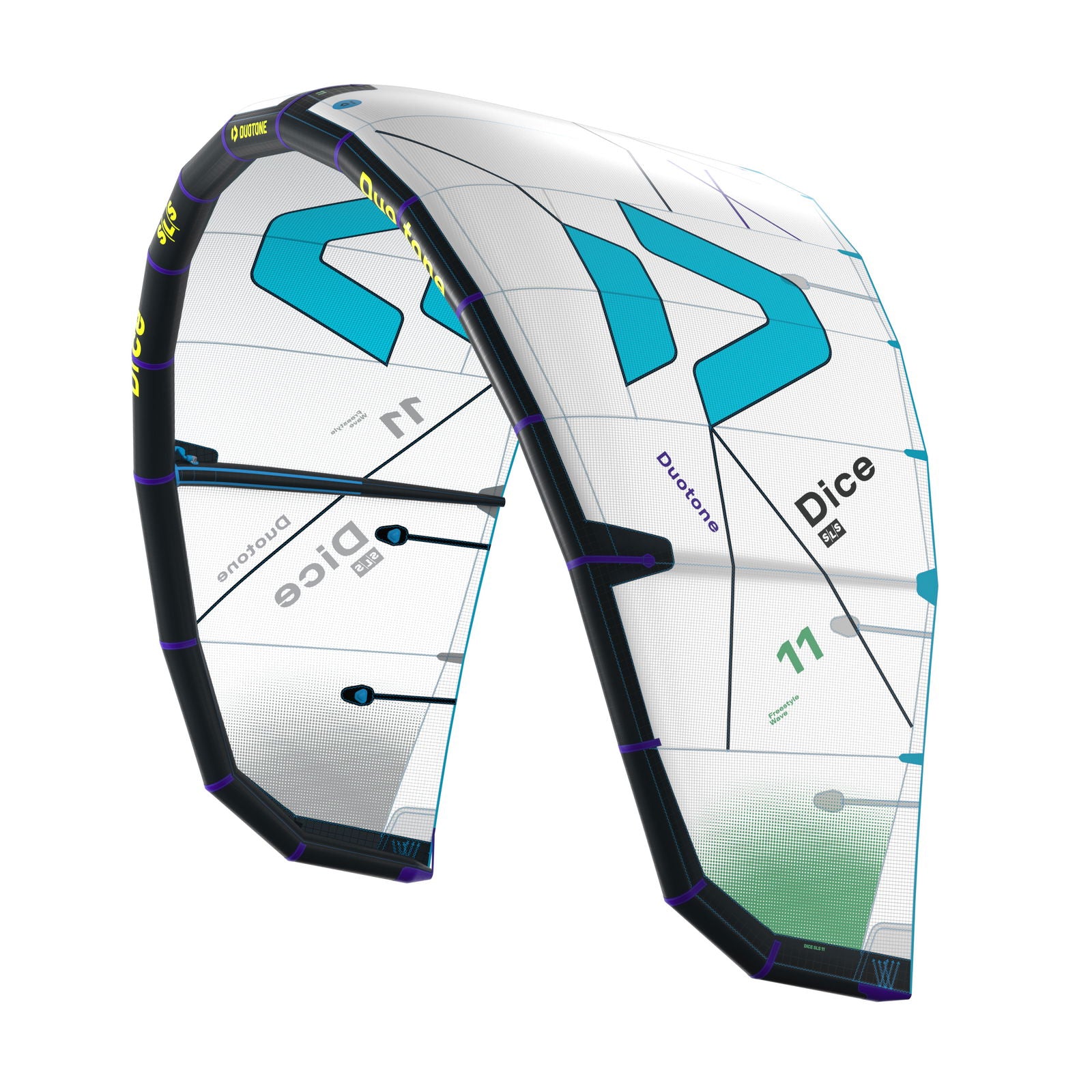
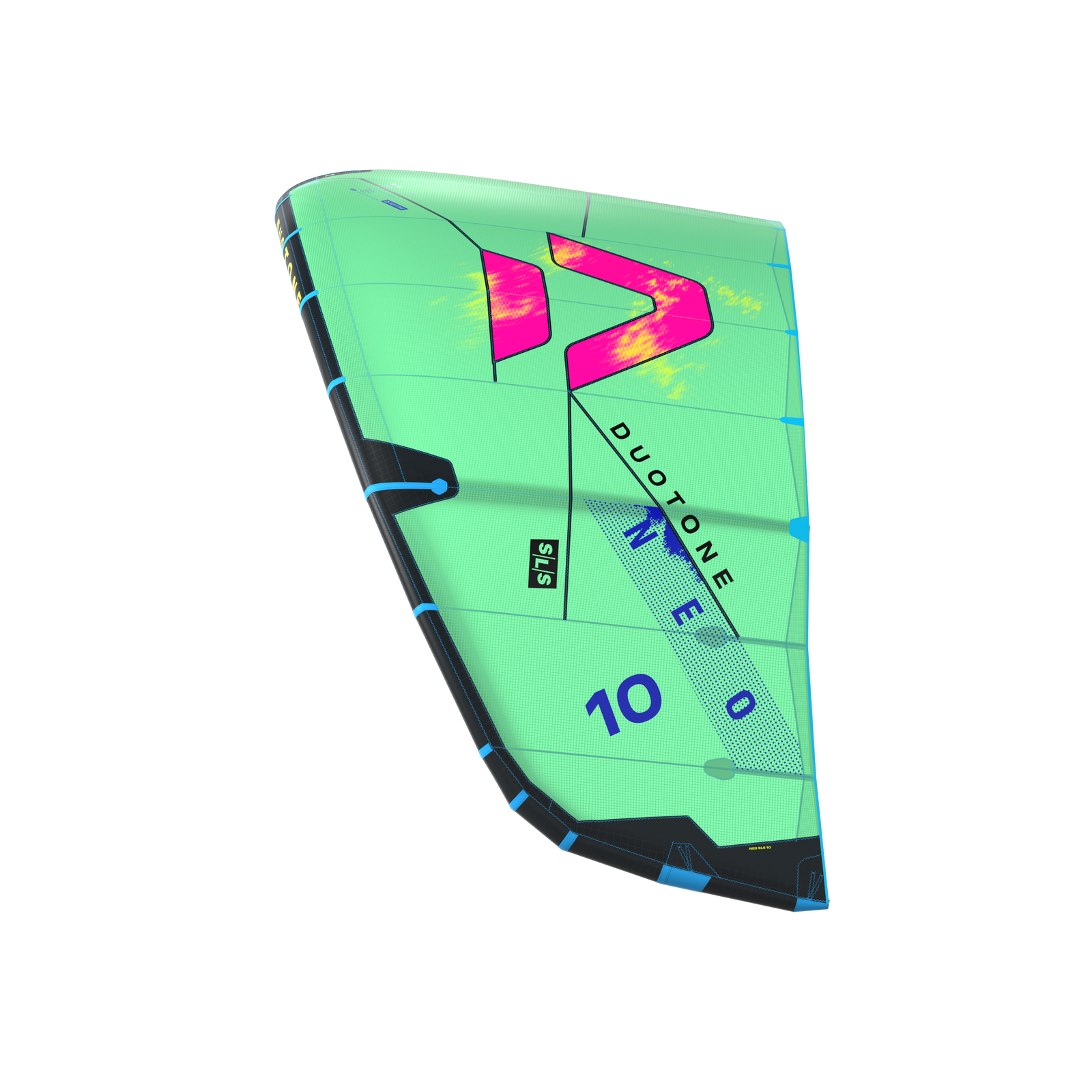
Prices and 2026 specs are pulled live from each product page. Confirm on the product page before checkout.
04 — MistakesThree mistakes we see every week
Ready to pick your kite?
Browse our full Duotone, Cabrinha, and Gaastra kite range — all in stock, all tested by our riders.
Frequently asked
Technically yes, but it's harder. Foils don't re-launch, need constant bridle tension, and forgive nothing. Learn on an LEI first, then move to foil when you're solid on water starts and bar feel.
If you weigh 70–85 kg and ride in 12–20 knots, a 12 m² LEI is your starting point. Lighter riders or stronger winds? Try 9 m². Heavier or lighter winds? Go 15 m². Check your local wind before you commit.
No. Foils wear bridles faster, demand regular drying, and can't handle water crashes. LEI kites are more durable and forgiving. Foils are specialist tools — use them for what they're designed for.
Yes, but check the bridle loop size. Foils often need different bar geometry for the bridle angle. Always confirm compatibility before you swap kites on the same bar.