Freewave vs Freeride Windsurf Board 2026 — Which Is Right?
Freewave and freeride boards look similar but ride nothing alike. We'll show you which matches your local conditions and whether you want tricks or straight-line speed.
Pick freewave if you ride choppy water, waves, and want freestyle tricks. Pick freeride if you chase high speed in flat water and steady wind. Freewave boards demand more technique; freeride rewards smooth power delivery. Both shine — it's your conditions that decide.
01 — Agility & TricksFreewave Boards: The Freestyle Platform
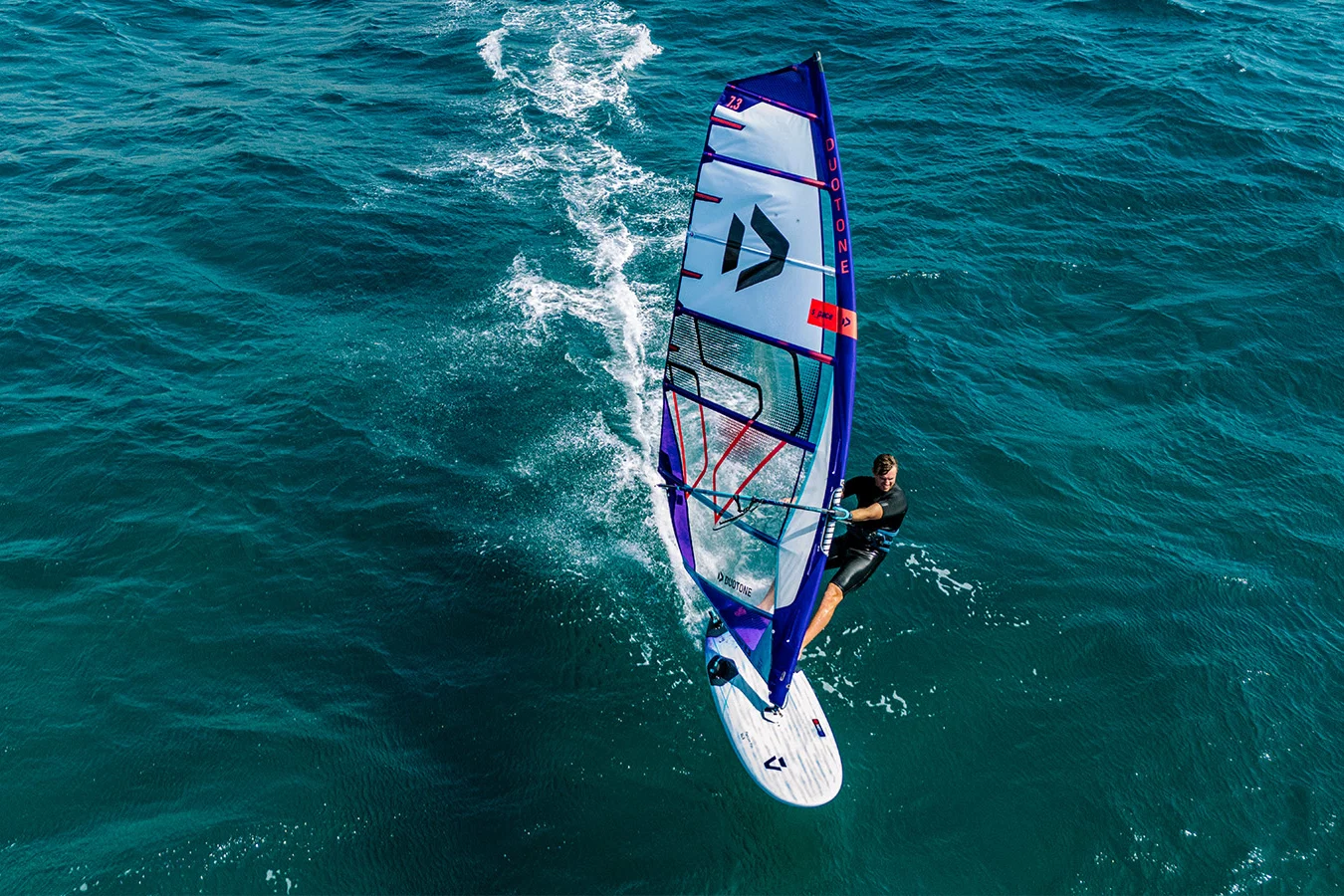
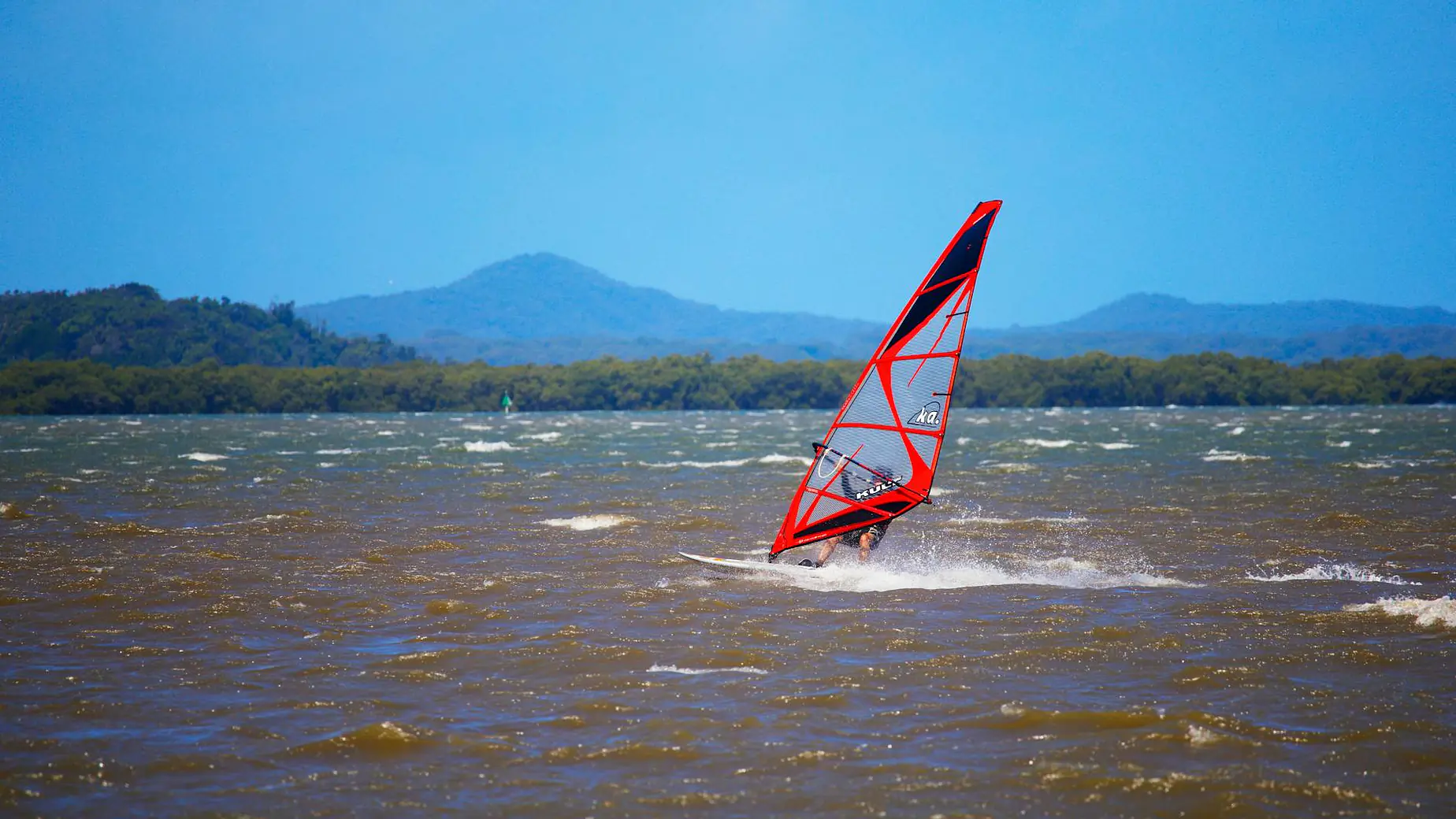
Freewave boards are built for chaos. Short, pronounced rocker, crisp rail definition — they carve tight arcs in choppy water and sit comfortable in 12–25 knots. If you're linking shove-its off the lip or need a board that stays planted when the swell kicks up, this is your answer.
Riders from Tarifa to Cape Town tell us freewave boards forgive sloppy footwork in rough conditions. The narrower tail and reduced volume (typically 70–100 L) demand more weight transfer and technique. You'll feel every edge — which is exactly why they're so rewarding once it clicks.
02 — Power & GlideFreeride Boards: Speed & Efficiency
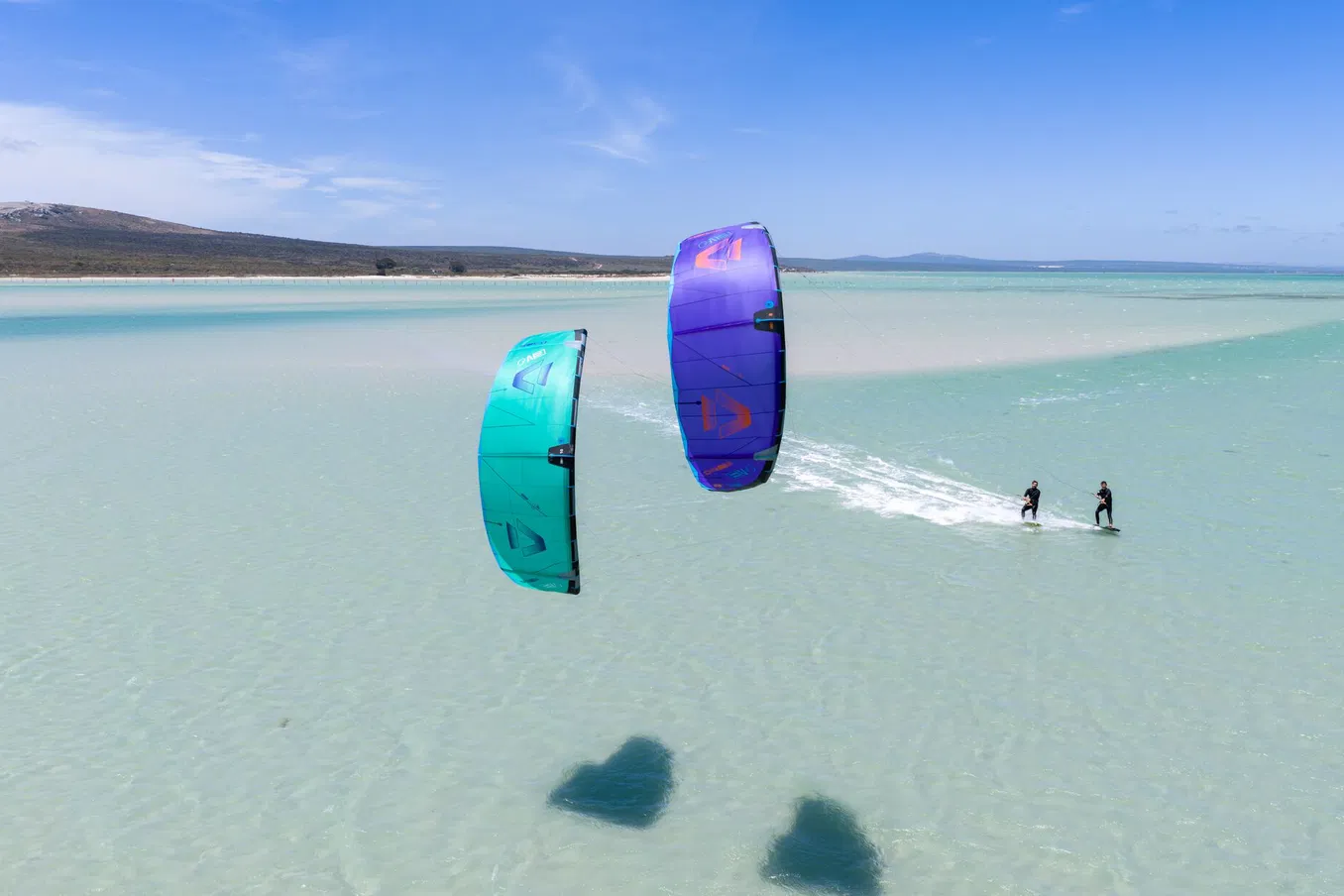
Freeride boards are your flat-water racers. Wider, flatter rocker, more volume (100–140 L+), and they want wind. They accelerate hard, hold edge in powered conditions, and forgive minor sail trim mistakes. You'll see them dominate in 15–30 knots on lakes and bays where the wind's steady and the swell's nonexistent.
Freeride isn't boring — it's just a different skill set. Less footwork, more speed management. If your local break is sheltered and glassy, or you're still building technique, freeride gets you progressing faster because the board does more of the talking.
03 — Our picksOur 4 In-Stock Picks
We stock JP Australia's wave range because their S-TEC construction hits the freewave sweet spot — snappy, durable, and forgiving in real Atlantic chop. Here's what we'd reach for.
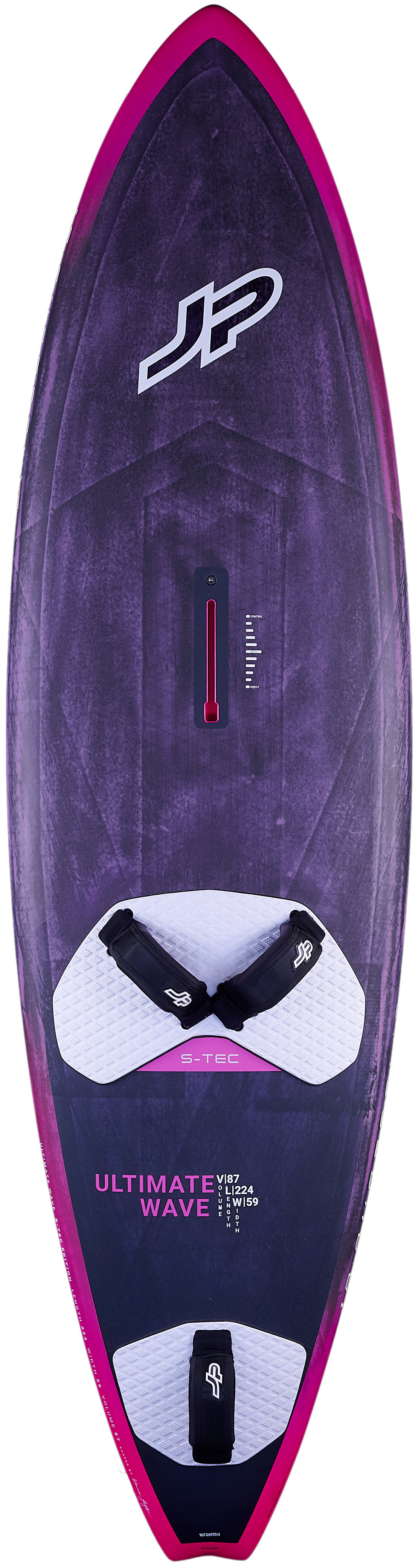
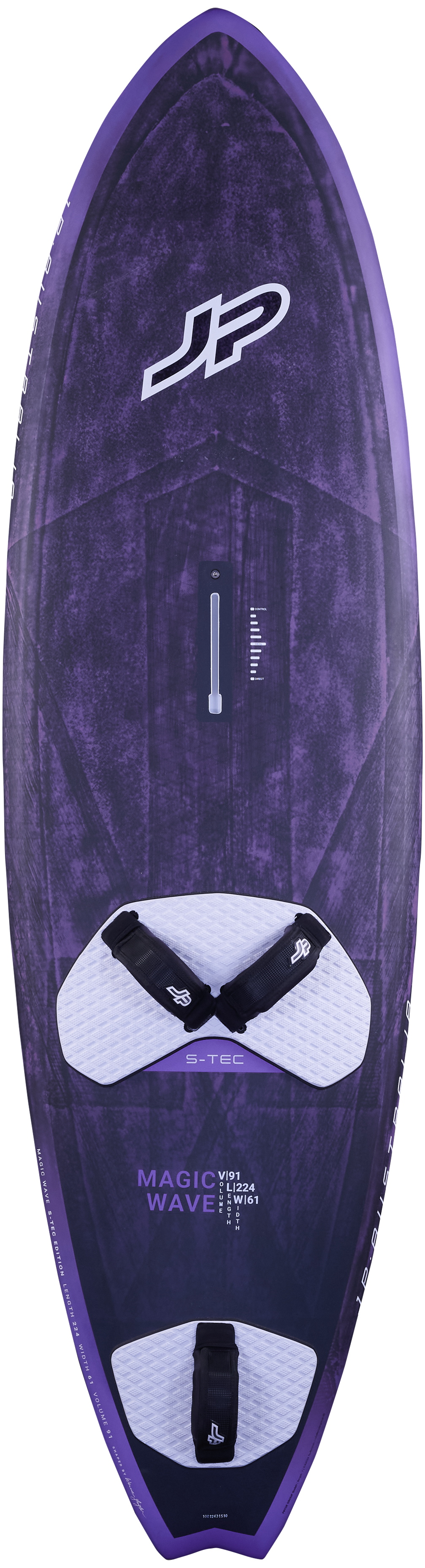
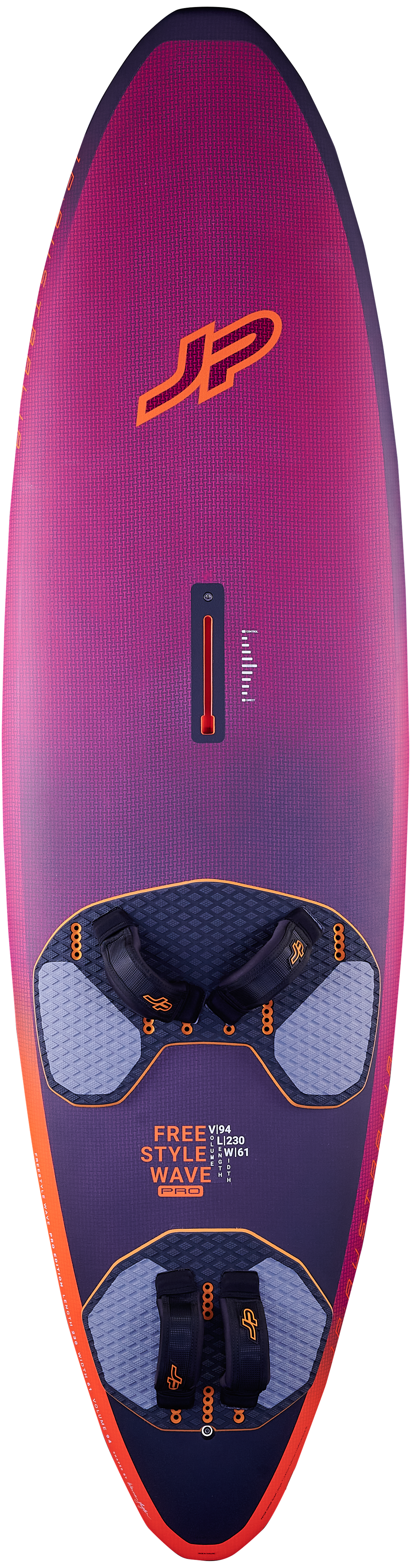
Prices and 2026 specs are pulled live from each product page. Confirm on the product page before checkout.
04 — MistakesThree mistakes we see every week
Ready to pick your platform?
Browse our full JP Australia and Tabou windsurf board range — we'll ship anywhere in Europe within 2–3 days.
Frequently asked
Yes, but you'll fight it. Freewave boards need wind and chop to unlock their agility. Flat water exposes their narrower platform and reduced glide.
Beginners suit 140–160 L freeride boards. More volume = easier balance and lighter wind performance. Start there, then downsize once you're comfortable.
Our buyers ride JP daily — the S-TEC construction is lighter and more responsive than budget boards. If you're riding 20+ days a year, it's worth it.
Not really. A compromise board will feel mediocre in both roles. Invest in two smaller boards rather than one that does everything half-well.