How Many Knots Do You Need to Kitesurf? — Wind Guide
Most kitesurfers need between 10-25 knots of wind to get going, though the exact range depends on your kite size, body weight, and experience level. Lighter riders or those on larger kites can start in as little as 7-8 knots; heavier riders or those on smaller kites typically need 15+ knots. In short: if the wind is steadier than 10 knots and you've got the right kite, you're riding.
The Full Answer
Wind speed in kitesurfing is measured in knots (nautical miles per hour). One knot equals 1.15 mph or about 1.85 km/h. Most European spots--especially the Alpine lakes and coastal sites around Slovenia--see regular wind in the 12-20 knot range, which is the sweet spot for progression and fun.
The relationship between wind and kite size is fundamental. A 14m kite is designed to work well in 12-18 knots; a 10m kite shines in 15-25 knots; a 7m kite is for strong wind specialists. If the wind drops below your kite's designed range, the kite won't generate enough power to keep you upwind. If it climbs too high, the kite becomes uncontrollable and dangerous. This is why riders often carry two or three kites: to cover light-wind days (8-12 knots), moderate days (12-18 knots), and strong days (18-25+ knots).
Your body weight also matters. Heavier riders (90+ kg) generate more inertia and hold an edge better, so they can ride in lighter wind with a larger kite. Lighter riders (60-70 kg) need more wind or a bigger kite to produce the same pull. Beginners also tend to want slightly stronger, more consistent wind--8-10 knot variable wind is frustrating for learning because the kite pressure fluctuates.
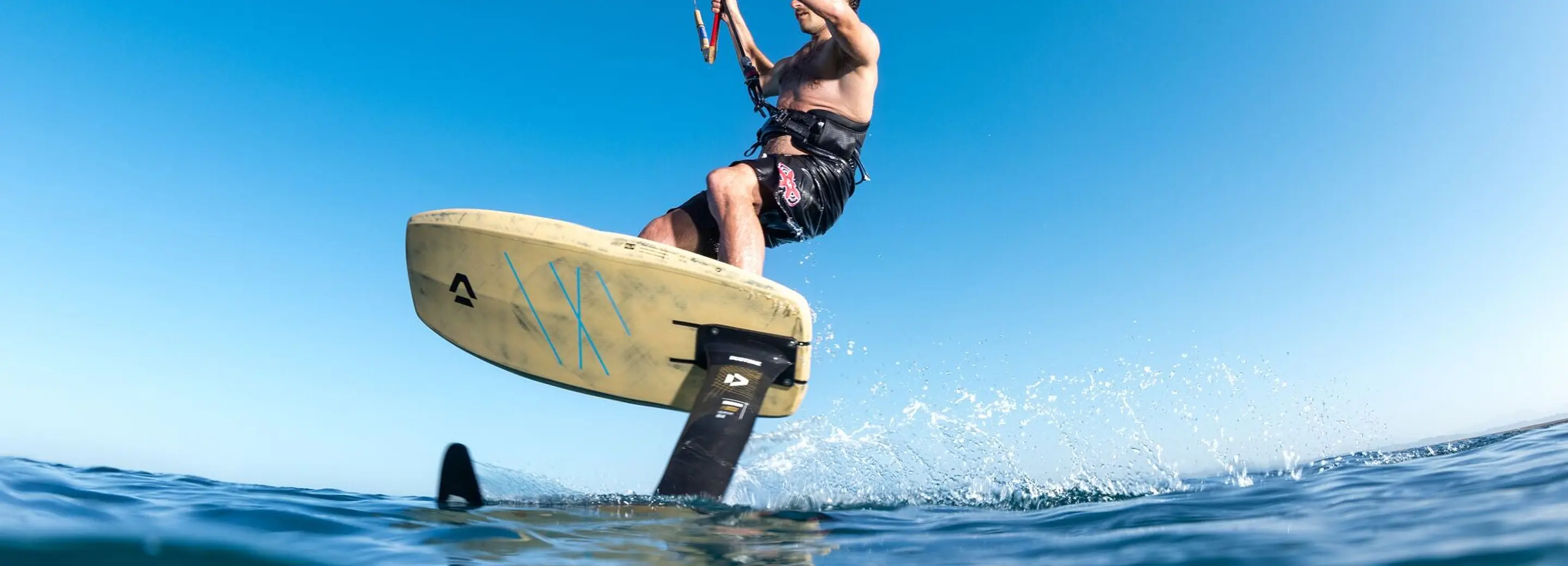
The type of kitesurfing also changes the wind equation. Freestyle tricks and wave riding often favour stronger, gusty conditions (18-25 knots), while freeride cruising and distance trips work best in steady 12-16 knot wind. Foiling--the modern wing and kite approach--can happen in lighter wind (8-15 knots) because the foil board requires less power to generate lift.
Practical Guide
- Check forecasts in knots, not Beaufort scale. Local weather apps often show Beaufort or m/s; convert to knots using a dedicated wind app (Windy, Windalert, or Windsurfer's forecast) so you know the exact figure.
- Assume gusts are 3-5 knots higher than the average. If forecasted wind is 14 knots, gusts may peak at 17-19 knots. Choose a kite that handles both the base and the gust.
- Start with a 14m all-rounder kite. A 14m freeride kite covers roughly 10-20 knots of wind for most riders (60-85 kg). It's forgiving, responsive, and ideal for learning how many knots feel like on the water.
- Build a quiver: 17m for light wind, 14m for moderate, 10m for strong. Once you're confident, owning three kites lets you ride 90 per cent of forecast days instead of sitting out light or heavy wind.
- Watch the water texture, not just the wind number. Smooth water with small ripples suggests light, steady wind (8-12 knots); chop and whitecaps suggest 15-20 knots; spray and large whitecaps mean 20+ knots.
- Give yourself 15 minutes on the beach before committing. Launch your kite, feel its power at zenith, and wait for a gust cycle. If it's unsafe or the kite is too heavy/light, rig down and choose a different size.
Common Mistakes
Beginners often want to ride every day, so they grab a 12m kite in 8-knot wind hoping it will work. It won't generate enough power to stay upwind. Pick a size that matches the forecast, not your ambition.
Real wind is variable. If you're used to steady 14 knots but gusts hit 19, the kite will suddenly surge and pull you off balance. Accept variability and choose a kite rated for the peak, not the average.
Many European weather sites show m/s (metres per second) or Beaufort scale. 1 knot ≈ 0.51 m/s. A Beaufort 4 (moderate breeze) is roughly 13 knots--useful to know, but a knot-specific forecast is always clearer.
A 17m kite in 7 knots sounds fun but is unstable, hard to relaunch, and dangerous. Respect the wind range printed on your kite. If it says 10-20 knots, don't force it into 7 knots.
Gear to Match Any Wind Range
Once you know how many knots you're riding in, the next step is matching the right kite and board. Most riders start with a single, versatile 14m freeride kite that covers light-to-moderate wind, then add a 10m for stronger days and a 17m for lighter conditions. At Surf Store, we stock freeride, freestyle, and wave kites from Duotone and Cabrinha--both brands engineer their kites to deliver predictable power and responsive handling across their entire wind range.
A good beginner setup is a Duotone or Cabrinha all-rounder in 14m, paired with a directional or twin-tip board (100-120 litres) and a quality bar with safety systems. As you gain experience and understand your local wind patterns (Alpine lakes tend to be lighter and more thermal; coastal spots more consistent), you can add a second kite size to your quiver. Lighter riders benefit from larger kites; heavier riders can go smaller and ride stronger wind. The key is matching your body weight, the forecast knots, and the kite's rated range.
The Dice SLS is Duotone's all-purpose freeride workhorse, covering the full wind spectrum from light-to-moderate (10-14 knots with a 17m) through strong (18-25 knots with a 7m). Responsive bar feel, excellent relaunch, and forgiving handling make it ideal for learning wind ranges without fear.
Cabrinha's Drifter Apex excels in light and variable wind, making it a smart choice for Alpine lake riders who often see 8-15 knot days. The Apex construction is durable and low-maintenance, and the kite's stability in gusts makes it forgiving as you learn to read wind knots.
Ready to Ride?
Understand the wind, choose the right kite size, and dial in your setup. Our team at Surf Store has over 20 years' experience matching riders to kites and forecasts. We ship across Europe within 24 hours.